
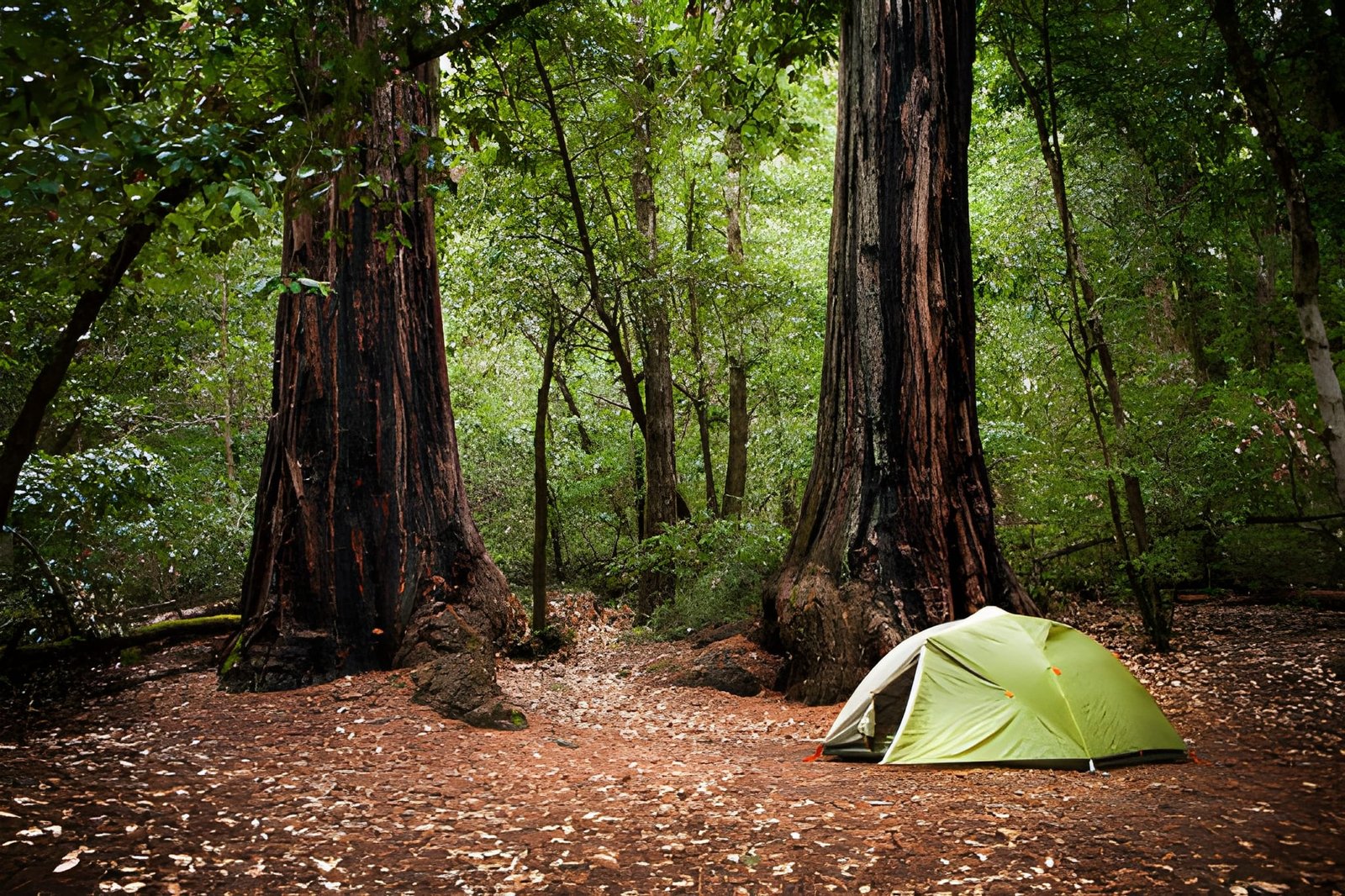
It was Friday afternoon when I got the text: “Heat wave coming this weekend – want to escape to the mountains?” I had exactly 48 hours to find a campsite somewhere in California during peak summer season, when most decent spots are booked months in advance. Three hours later, I was confirming a stunning lakeside site in the Sierra Nevada that most people never even know exists.
After over a decade of spontaneous camping adventures throughout California – from last-minute Big Sur escapes to impromptu desert getaways – I’ve developed a systematic approach to scoring amazing campsites even when everything seems booked solid. The secret isn’t luck; it’s knowing where to look, when to look, and having multiple backup strategies that most campers never consider.
Quick Reference Guide: Last-Minute Camping Success Rates
- Traditional Check: State parks and popular campgrounds (5% success rate)
- Tech Advantage: Apps and monitoring tools (25% success rate)
- Physical Loophole: Hike/bike sites and walk-ins (60% success rate)
- Timing Game: First-come, first-served sites (70% success rate with proper timing)
- Wild Card: Dispersed camping in national forests (95% success rate)
- Premium Option: Private campgrounds and glamping (80% success rate)
- Local Secret: County parks and hidden gems (90% success rate)
- Backup Plan: Alternative sleeping options (100% success rate)
Why Last-Minute Camping in California Seems Impossible (But Isn’t)
California’s camping reservation system often feels designed to frustrate spontaneous adventurers. Popular state parks like Big Sur, Yosemite, and anything along the coast book up the moment reservations open – typically 5 months in advance. Add in camping bots that snap up cancellations within seconds, and it’s no wonder most people assume last-minute camping is hopeless.
But here’s what most campers don’t realize: the overcrowded reservation system only covers a fraction of California’s camping opportunities. Some of my most memorable camping experiences have happened at places that don’t take reservations at all, or use systems that favor spontaneous visitors over advance planners.
The Psychology of Successful Last-Minute Camping
The key to consistent last-minute camping success is shifting your mindset from “finding the perfect campsite” to “finding an amazing outdoor experience.” Some of my best camping memories happened at places I never would have chosen if I’d had unlimited options. That random dispersed site near Mammoth Lakes? It ended up having better stargazing than any established campground.
Strategy 1: Mastering the Cancellation Game
Beyond the Basic Availability Check
Most people check Recreation.gov or ReserveAmerica once, see everything’s booked, and give up. But cancellations happen constantly – especially as weekends approach and weather forecasts change. I’ve scored prime Big Sur campsites just 24 hours before arrival by understanding the cancellation patterns.
Optimal cancellation timing: Wednesday afternoons (when weekend weather forecasts solidify) and Friday mornings (when weekend plans change). I set phone alarms for 12:00 PM and 3:00 PM on Wednesdays and check again Friday at 8:00 AM and 11:00 AM.
The Tools That Actually Work
CampChimp ($5/month) offers decent monitoring but limited coverage. After testing dozens of camping apps, here are the ones that consistently deliver results:
Campnab has been my secret weapon for two years. Their notification system is faster than competitors, monitoring cancellations every few minutes rather than hourly. I’ve scored impossible reservations at Pfeiffer Big Sur and Crystal Cove using their alerts.
Recreation.gov mobile app works better than the website for last-minute searches. The interface refreshes faster, and available sites sometimes appear in the app before the desktop version.
Direct phone calls to park offices around 4:00 PM on weekdays sometimes reveal same-day cancellations not yet online. I once secured a prime Morro Bay site by calling just as someone was canceling.
Advanced Cancellation Timing Strategies
Different camper types cancel at predictable times:
- Family campers: Cancel by Wednesday if weekend weather looks poor
- Festival attendees: Cancel in waves when event schedules change
- Out-of-state visitors: Cancel 48-72 hours before arrival when they realize they’ve overcommitted
Strategy 2: Exploiting the Hike and Bike Loopholes
The Secret World of Walk-In Sites
California state parks are legally required to accommodate hikers and cyclists, even when car camping sites are completely booked. These hike/bike sites exist at most major campgrounds but remain almost invisible to typical campers.
I’ve used this loophole successfully at over 30 different campgrounds, including supposedly “impossible” destinations like Hearst San Simeon and Point Reyes.
How to Maximize Hike/Bike Success
Optimal arrival timing: 2:00-4:00 PM works best. Earlier and camp hosts might not be available; later risks competition from other walk-ins.
Bring cash and exact change: Many hike/bike sites operate cash-only, and exact change speeds check-in.
Have a transportation story: While you don’t need to arrive by bike, having a plausible explanation helps. “My friend dropped me off” usually works fine.
Best Hike/Bike Sites Most People Never Find
China Camp State Park: My go-to for Bay Area camping. Hike/bike area sits right on San Pablo Bay with stunning sunrise views. I’ve never been turned away, even on holiday weekends.
Morro Bay State Park: Offers exceptional value camping. Hike/bike sites are quieter and more private than regular campground, plus walking distance to both bay and downtown.
Samuel P. Taylor State Park: Creek-side hike/bike sites feel more secluded than main campground. Perfect location for exploring West Marin, with sites large enough for small groups.
Strategy 3: Mastering First-Come, First-Served Camping
The Timing Science of FCFS Success
First-come, first-served campgrounds operate on predictable patterns. Understanding these transforms FCFS from gambling into reliable strategy.
Sunday-Tuesday arrivals: Highest success rates (70%+) because weekend campers leave Sunday morning. Arrive 11:00 AM-1:00 PM on these days.
Thursday arrivals: Work well at weekend-focused campgrounds before Friday arrivals.
Holiday timing: Tuesday and Wednesday during major holiday weeks often have better availability than weekends.
The FCFS Campgrounds Worth the Gamble
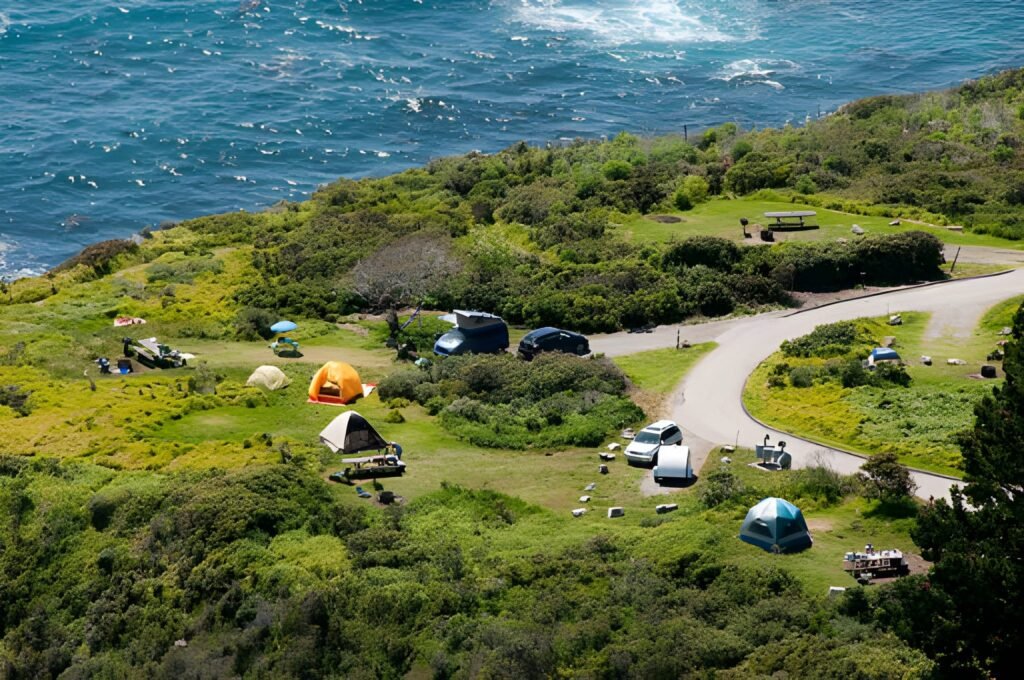
Pantoll Campground (Mount Tamalpais): Best bang for your buck in Bay Area. Sites overlook Pacific Ocean for $25/night. Arrive by noon weekdays for almost guaranteed success.
Bootjack Camp (Mount Tamalpais): More secluded with sites scattered through redwood groves. Good backup option with less competition.
Castle Rock State Park: Attracts rock climbers but remains uncrowded weekdays. Feels remote despite being an hour from San Jose.
Plaskett Creek Campground (Big Sur): FCFS coastal camping at affordable prices. Basic sites but unbeatable location for sunsets.
Advanced FCFS Strategies
Reconnaissance missions: Visit potential FCFS campgrounds during non-camping trips to scout site quality and arrival timing patterns.
Multi-campground approach: Map three FCFS options within reasonable driving distance as backup plans.
Ready camping gear: Keep simplified setup in your car during camping season for quick departures when perfect weather appears.
Strategy 4: Unlocking Dispersed Camping Secrets
Beyond the Basic “Camp Anywhere” Approach
Successful dispersed camping requires understanding specific regulations, seasonal restrictions, and safety considerations that vary dramatically across California’s landscapes.
I’ve spent over 100 nights dispersed camping throughout California, treating it as a skill to develop rather than just backup option.
Regional Dispersed Camping Strategies
Sierra Nevada: Most reliable last-minute options in California. Tahoe and Mammoth areas contain thousands of potential campsites. Understanding elevation restrictions and fire regulations is crucial.
My favorite Sierra area is along Caples Lake shores. Multiple fire rings indicate established sites, lake offers swimming and fishing, and you’re close to South Lake Tahoe for supplies.
Central Coast: Limited but spectacular when available. Los Padres National Forest contains gems like dispersed sites near Arroyo Seco – creek-side camping surrounded by towering redwoods.
Desert regions: Near Joshua Tree, Death Valley, and Mojave National Preserve. Most consistent year-round availability. Winter desert camping provides escape when mountains are snowed in.
The Dispersed Camping Toolkit
Navigation apps: Gaia GPS and offline Google Maps for areas without cell service Fire restriction awareness: Check CAL FIRE and forest service websites before every trip Water source planning: Critical for multi-day stays. Identify reliable vs seasonal sources
Dispersed Camping Hidden Gems
Loon Lake area: Excellent but can get crowded. My secret alternative is Ice House Reservoir with better solitude and equally stunning alpine scenery.
Alabama Hills: Incredible sunrise/sunset views of Sierra Nevada. Close to Lone Pine for supplies. Hundreds of potential sites from hidden alcoves to panoramic viewpoints.
Carrizo Plain National Monument: Underutilized dispersed camping. Spring wildflowers rival any state park but remains unknown to most campers.
Strategy 5: Discovering Private Campground Alternatives
The Hipcamp Revolution and Beyond
Private campgrounds and platforms like Hipcamp have transformed last-minute options, but success requires understanding how these systems differ from state park reservations.
I’ve booked over 50 Hipcamp sites throughout California, from working ranches to private beaches.
Advanced Hipcamp Strategies
Message hosts directly: Many have flexibility with published availability, especially for single nights. I’ve secured unavailable sites by explaining situations and asking about accommodations.
Book unique experiences: Best sites offer what traditional campgrounds can’t – vineyard camping, working farms, private beaches. These often have better last-minute availability.
Build host relationships: Maintain contact with exceptional hosts for first access to best dates before public listing.
Private Campgrounds Worth Seeking Out
Ocean Cove Campground (Sonoma Coast): Spectacular coastal camping with sites on bluffs overlooking Pacific. Private ownership means availability when state parks are booked.
Costanoa KOA (near Pescadero): Easy coastal hiking and tide pooling access with amenities like hot showers. Cabin options when tent camping weather isn’t cooperating.
Pine Valley RV Resort (Eastern Sierra): Surprising luxury near Bishop. While primarily RV-focused, tent sites provide excellent access to high country hiking and Alabama Hills.
Glamping as Last-Minute Strategy
High-end glamping sites often have better availability than traditional campgrounds due to different demographics and price points.
Mendocino Grove: Luxury tented accommodations in redwood forest. Expensive but frequently available last-minute with unique experience justifying premium.
AutoCamp locations: Airstream accommodations in Santa Barbara, Yosemite, and Russian River. Feel like camping with hotel amenities. Last-minute rates often more reasonable.
Strategy 6: County Parks and Hidden Camping Gems
The Overlooked County Park System
California’s county parks represent best-kept secrets in last-minute camping. Operating independently from state/federal systems, they often use different platforms and cater to locals who don’t plan as far ahead.
Bay Area County Park Gems
Anthony Chabot Regional Park: Lake-adjacent camping 30 minutes from Oakland. Rarely fills completely with surprising solitude despite urban proximity.
Memorial Park (San Mateo County): Creek-side redwood camping. Swimming holes and trails rival Big Sur but county status keeps it off most tourists’ radar.
Uvas Canyon County Park: Waterfall hiking and secluded camping in Santa Cruz Mountains. Relative obscurity means almost always available last-minute.
Central Coast County Discoveries
Riverside Campground (Big Sur): Monterey County operation offers most affordable Central Coast camping. Sites directly on Big Sur River with more forgiving reservation system than state parks.
Laguna Seca Recreation Area: Adjacent to famous race track with excellent hill hiking. Caters primarily to racing events, creating non-race weekend opportunities.
Southern California County Options
Hurkey Creek Park (Riverside County): Mountain camping hour from Palm Springs. San Bernardino National Forest access while maintaining amenities.
Wilderness Park (Riverside): Desert camping with city convenience – technically wilderness but minutes from restaurants and supplies.
Regional Strategies: Matching Techniques to California’s Landscapes
Northern California Last-Minute Camping
Bay Area and North Coast require different strategies due to higher population density and competitive markets, but offer most diverse alternatives.
Weekday timing crucial: Weekend demand so high that mediocre campgrounds fill, but weekday availability remains good except most popular destinations.
Fog season opportunities: Summer coastal campground availability when inland campers avoid potentially cloudy conditions. Some of my best coastal experiences happened during foggy periods.
Urban proximity advantages: Combine camping with city amenities in ways impossible elsewhere. Marin County campgrounds allow morning hikes and afternoon San Francisco dining.
Eastern Sierra Excellence
Most reliable last-minute camping due to abundant dispersed options, multiple campground systems, and seasonal patterns creating opportunities for flexible travelers.
Elevation strategies: Lower areas accessible when high country snowed in; higher elevations escape summer heat when desert uncomfortable.
Fishing season timing: Affects availability as much as general tourism. Understanding when different areas are popular helps predict crowded/available periods.
Weather window planning: Essential because conditions change rapidly. Flexible dates capitalize on perfect weather windows that spontaneously develop.
Southern California Desert Camping
Desert regions offer most consistent year-round opportunities, but success requires understanding seasonal comfort patterns and safety considerations.
Temperature timing: Winter desert camping provides perfect conditions when mountains inaccessible; summer requires careful planning and activity timing.
Event avoidance: Music festivals and off-road racing can suddenly fill normally uncrowded camping areas.
Water source planning: Critical for desert dispersed camping due to scarce reliable sources and significant distances between supply points.
Technology Tools and Apps That Actually Work
The Essential App Toolkit
Campnab: Top choice for cancellation notifications due to monitoring frequency and alert speed. Paid subscription pays for itself with single successful premium reservation.
The Dyrt: Most comprehensive campground database with accurate facility information. Offline maps valuable for poor cell coverage areas.
GaiaGPS: Best navigation and offline mapping for dispersed camping. Ability to download topographic maps and mark potential sites transforms dispersed camping from guesswork to systematic exploration.
iOverlander: Best database of alternative sleeping locations including rest areas, parking lots, and unofficial spots. User-generated content generally accurate and current.
Advanced Monitoring Strategies
Browser bookmark systems: Allow rapid checking of multiple reservation sites without navigating through search interfaces repeatedly. Organize by region and season for efficiency.
Calendar integration: Track when new reservation windows open. Many parks release reservations exactly 5 months ahead, and being ready at opening moment dramatically improves success.
Social media monitoring: Park and forest service accounts often provide advance closure notice, new availability, or special circumstances affecting camping options.
Safety Considerations for Spontaneous Camping
Essential Safety Protocols
Weather monitoring: Critical when you can’t change plans days in advance. Use multiple sources and maintain backup plans for severe weather.
Communication planning: Last-minute camping often takes you to areas with poor cell coverage where exact location might be unknown. Maintain check-in schedules and carry emergency devices for remote areas.
Equipment redundancy: More important for spontaneous trips because you can’t easily return for forgotten items. Maintain packed camping kit always ready for opportunities.
Risk Assessment for Different Camping Types
Dispersed camping risks: Getting lost, challenging road conditions, areas without emergency services. Always inform others of planned locations and carry maps, first aid, emergency equipment.
FCFS camping risks: Arriving without availability and no backup plans. Always identify multiple options and alternative arrangements before departing.
Private campground risks: Varying quality standards and potentially unsafe conditions at unregulated sites. Read reviews carefully and trust instincts about site safety.
Seasonal Timing Strategies
Spring Opportunities (March-May)
Unique last-minute opportunities because weather uncertainty keeps advance planners away, but flexible travelers capitalize on perfect weather windows.
Wildflower timing: Creates exceptional opportunities for those who can move quickly when bloom reports indicate peak conditions.
Coastal weather windows: Often provide perfect camping between storm systems. Monitor forecasts for high pressure systems.
Mountain accessibility: Changes rapidly as snowpack melts. Flexible timing allows access to areas still closed to advance planners.
Summer Challenges and Opportunities (June-August)
Peak competition but also most diverse options as high elevations become accessible and weather becomes predictable.
Heat escape strategies: Focus on elevation and coastal areas providing inland temperature relief. Success often involves driving longer distances to cooler destinations.
Weekday advantages: Most pronounced during summer when weekend competition is fiercest. Tuesday-Thursday departures dramatically improve success rates.
Festival impacts: Can suddenly fill normally available campgrounds but create opportunities when events cancelled or moved.
Fall Excellence (September-November)
Best combination of good weather and reduced competition. Ideal season for developing last-minute camping skills before applying during more challenging seasons.
Weather transition timing: Create spectacular opportunities as summer crowds disappear but weather remains excellent.
Foliage timing: Creates opportunities for spectacular experiences that can’t be planned far ahead because peak timing varies significantly year-to-year.
Winter Opportunities (December-February)
Least competition and most available sites, but requires additional preparation and weather flexibility.
Desert season advantages: Ideal time for Southern California desert camping when temperatures comfortable and mountains may be inaccessible.
Storm window timing: Provide incredible experiences between weather systems when visibility excellent and crowds minimal.
Frequently Asked Questions
What’s the success rate for finding last-minute campsites in California?
Success rates vary by strategy: traditional reservations (5%), apps and monitoring (25%), hike/bike sites (60%), FCFS with proper timing (70%), dispersed camping (95%). Combining multiple strategies dramatically improves your chances.
How far in advance should I start looking for last-minute sites?
For weekend trips, start monitoring Wednesday afternoon for cancellations. For longer trips, begin checking 1-2 weeks ahead. Dispersed camping can be found same-day with proper research.
Are hike and bike sites really available when everything else is booked?
Yes, California state parks are legally required to accommodate cyclists and hikers even when car camping is full. I’ve successfully used this at over 30 campgrounds, including popular destinations like Point Reyes.
Is dispersed camping safe for beginners?
Dispersed camping requires more preparation and self-sufficiency than established campgrounds. Start with well-known areas near services and gradually build skills. Always inform others of your location and carry proper safety equipment.
What apps are most reliable for last-minute camping alerts?
Campnab offers the fastest notifications for cancellations, while The Dyrt provides comprehensive campground information. The official Recreation.gov app often updates faster than the website for availability changes.
Can I really camp anywhere in National Forests?
Yes, dispersed camping is allowed in most National Forest and BLM areas, but specific regulations vary. You must camp 100+ feet from water sources, follow fire restrictions, and pack out all trash. Check local forest service websites for current restrictions.
What’s the backup plan if nothing is available?
Alternative options include 24-hour truck stops, certain Walmart parking lots, casino parking (many welcome overnight stays), and hostel dormitory rooms in outdoor destinations. iOverlander app helps locate alternative sleeping spots.
How much should I budget for last-minute camping?
State park hike/bike sites: $5-10/night. FCFS campgrounds: $20-35/night. Private campgrounds: $30-80/night. Dispersed camping: Free. Emergency accommodations: $25-100/night. Budget extra for gas to reach alternative locations.
Building Your Last-Minute Camping System
Creating a Repeatable Success Process
Consistent success requires systematic approaches rather than luck or random searching. Treat last-minute camping as a skill to develop.
Weekly monitoring routine:
- Tuesday afternoon: Check weather forecasts and identify weekend opportunities
- Wednesday evening: Sweep for cancellations and new availability
- Friday morning: Final check for last-minute cancellations before departure
Gear preparation systems:
- Always-ready kit: Eliminate preparation time preventing spontaneous trips
- Seasonal rotation: Ensure appropriate equipment for current conditions
- Vehicle preparation: Keep essentials in car during peak seasons
Building local networks:
- Campground host relationships: Often provide access to unofficial sites or cancellation notice
- Outdoor community connections: Hiking clubs and gear shops provide insider knowledge
- Social media engagement: Early access to conditions, closures, and opportunities
Key Takeaways
Last-minute camping success in California requires systematic approaches rather than desperate searching. The most reliable strategies focus on options outside traditional reservation systems – dispersed camping, hike/bike sites, FCFS campgrounds, and county parks. Technology tools like Campnab can help secure traditional reservations but shouldn’t be your only strategy.
Each California region has different patterns: Northern California’s competitive but diverse options, Eastern Sierra’s abundant dispersed camping, and Southern California’s year-round desert opportunities. Safety planning becomes more critical for spontaneous trips with less research and preparation time.
Building relationships with camp hosts, maintaining ready camping gear, and developing backup plans transforms last-minute camping from stressful scrambling into reliable adventure systems. The key mindset shift is viewing last-minute camping as opportunity to discover new places rather than compromise when first choices aren’t available.
With proper strategies and preparation, spontaneous camping adventures often exceed experiences you would have had at originally planned destinations. The secret is having multiple tools in your toolkit and being willing to embrace the unexpected adventures that come from flexible planning.
