
I’ll be straight with you: asking “Sonoma or Napa?” is like asking “beaches or mountains?” Both are incredible, but they’re going to give you completely different weekends. After spending the better part of five years exploring every corner of Northern California wine country—from intimate tastings at family-run Sonoma wineries to white-tablecloth experiences in Napa’s most exclusive tasting rooms I’ve learned that choosing between these two isn’t really about which one’s “better.”
It’s about which one matches your weekend vibe.
Maybe you’re the type who gets excited about perfectly curated experiences and doesn’t mind paying premium prices for them. Or perhaps you’re more of a “let’s see where the day takes us” person who prefers discovering hidden gems without a reservation three months out. Maybe you want to feel like you’re living your wine country fantasy exactly as you’ve seen it in magazines, or maybe you’d rather feel like you’ve stumbled upon a local secret where the winemaker’s dog greets you at the door.
Here’s what I know after countless weekends in both regions: I’ve been that couple celebrating an anniversary at a $300-per-person Napa tasting, and I’ve also been the friend group that discovered a tiny Sonoma winery where we ended up playing cornhole with the vintner until sunset. Both experiences were magical, but for entirely different reasons.
Quick Comparison: Sonoma vs Napa at a Glance
| Factor | Sonoma County | Napa Valley |
|---|---|---|
| Overall Vibe | Laid-back, authentic, spontaneous | Polished, luxurious, structured |
| Average Weekend Cost (2 people) | $1,000-2,500 | $1,500-4,000 |
| Wine Tasting Fees | $25-75 per person | $50-150 per person |
| Reservations Required | Many walk-ins welcome | Advanced booking essential |
| Signature Varietals | Pinot Noir, Chardonnay, Zinfandel | Cabernet Sauvignon, Merlot |
| Best For | Spontaneous travelers, outdoor lovers | Special occasions, luxury seekers |
| Hotel Range | $250-600+ per night | $400-1,000+ per night |
| Geographic Size | Massive, diverse regions | Compact, single valley |
The Personality Test: Napa vs Sonoma Vibes
Napa: Polished Perfection
Napa is like that friend who always has it together. You know the one—impeccably dressed, makes reservations at the hottest restaurants months in advance, knows exactly which vintage pairs with what cheese, and somehow makes everything look effortless even though you know they spent serious time planning every detail. Napa delivers polish, prestige, and those picture-perfect wine country moments you’ve been dreaming about. It’s wine country’s main character energy, and it knows it.
Sonoma: Authentic Adventure
Sonoma is your friend who shows up with homemade sourdough and a bottle of wine they discovered at some family winery you’ve never heard of but is about to become your new favorite. They’re equally wine-savvy but in a more laid-back, “let’s just see what happens” way. Sonoma gives you authenticity, spontaneity, and those unexpected moments that become the stories you tell for years afterward.
Neither approach is better, but one is definitely going to feel more like you.
Understanding the Wine: Geography Creates Character
Napa Valley’s Terroir Advantage
The wine itself tells this story too. Napa Valley sits in this narrow, protected valley with consistent warm temperatures that are basically perfect for bold red wines. Those famous Cabernet Sauvignons that put Napa on the international map? They thrive here because they need that steady heat to develop those deep, complex flavors that make wine collectors weak in the knees.
Napa’s signature wines:
- Cabernet Sauvignon (the undisputed king)
- Merlot and Bordeaux blends
- Premium Chardonnay
- Cult wines with waiting lists
Sonoma County’s Diverse Portfolio
Sonoma County, on the other hand, is massive and wildly diverse—it stretches from inland valleys all the way out to the Pacific Ocean. This means you get everything from cool, foggy vineyards near the coast producing those elegant Pinot Noirs that somehow taste like silk and earth at the same time, to warm inland areas perfect for bold Zinfandels that have been growing here since the Gold Rush era.
Sonoma’s wine variety:
- Russian River Valley Pinot Noir and Chardonnay
- Dry Creek Valley Zinfandel and Sauvignon Blanc
- Sonoma Coast cool-climate varieties
- Anderson Valley Pinot Noir and Gewürztraminer
What this means for your glass is pretty significant. Napa excels at those powerful, age-worthy wines that serious collectors obsess over. Sonoma offers incredible variety—you might taste a delicate, mineral-driven Chardonnay at lunch and a robust, spicy Zinfandel at dinner, both from the same county but feeling like completely different wine experiences.
Let’s Talk Money (Because Someone Has To)
Napa Valley: Premium Pricing for Premium Experiences
I’m going to be real with you about costs because this is where these regions really start to show their personalities, and where a lot of travel guides get weirdly vague.
Napa Valley doesn’t apologize for being expensive. A weekend for two people can easily run anywhere from $1,500 to $4,000, and that’s not even trying to be particularly fancy. Hotels start around $400 per night for anything decent and can climb well past $1,000 for the luxury properties that Napa is famous for. Wine tastings typically run $50 to $150 per person, and most of the good ones require reservations and charge tasting fees whether you buy wine or not. Dinner at a nice restaurant? You’re looking at $100 to $300 per person before you even think about wine pairings.
Napa Valley cost breakdown (weekend for two):
- Hotels: $400-1,000+ per night
- Wine tastings: $100-300 per day for couple
- Dinners: $200-600 for couple
- Total weekend: $1,500-4,000+
Sonoma County: Accessible Luxury
Sonoma takes a different approach to luxury. That same weekend might cost you $1,000 to $2,500 for two people, with plenty of ways to bring that number down if you’re strategic about it. Hotels range from charming bed-and-breakfasts around $250 per night to luxury resorts that compete with anything Napa offers. Wine tastings usually run $25 to $75 per person, and you’ll find plenty of places that still welcome walk-ins or waive tasting fees with a bottle purchase. Dinners at excellent restaurants often land in the $60 to $150 per person range, with some truly special places that won’t break the bank.
Sonoma County cost breakdown (weekend for two):
- Hotels: $250-600+ per night
- Wine tastings: $50-150 per day for couple
- Dinners: $120-300 for couple
- Total weekend: $1,000-2,500
The difference isn’t just about money—it’s about approach. Napa’s prices reflect its commitment to delivering luxury experiences that justify premium costs. Sonoma’s pricing reflects its belief that great wine and food should be accessible to more people, more often.
When Each Region Shines Brightest
Seasonal Strategies for Both Regions
Spring (March-May): Awakening Season Spring is when both regions start to wake up from their winter quiet, but they do it differently. Napa comes alive with those perfectly manicured vineyards showing off their bright green new growth, and this is when you can actually get reservations at places that are booked solid the rest of the year. The weather is ideal for exploring the valley floor, and many wineries offer barrel tastings where you can taste wines that won’t be released for another year or two.
Sonoma in spring feels more wild and natural. The Russian River areas become lush and green, wildflowers carpet the hillsides, and the coast is absolutely stunning with lupine blooms stretching toward the ocean. This is also when Sonoma’s more relaxed approach to reservations really pays off—you can be spontaneous in ways that just aren’t possible during peak season.
Summer (June-August): Peak Energy Summer brings out the biggest differences between these regions. Napa embraces its peak season energy with extended hours, outdoor dining at its absolute finest, and every winery operating at full capacity. It’s wine country at its most vibrant and social, but it’s also when crowds and heat can be intense.
Sonoma offers something Napa can’t—easy access to the coast for cooling off, the Russian River for swimming and kayaking, and generally more options for escaping the heat that can make inland wine tasting pretty uncomfortable by mid-afternoon.
Fall (September-November): Harvest Magic Fall is harvest season, and both regions become absolutely magical, but in different ways. Napa’s harvest energy is incredible—there’s this sense of excitement and urgency as some of the world’s most expensive grapes get turned into wine. The problem is that everyone knows this, so you need to book everything months in advance and expect to pay peak prices for the privilege.
Sonoma’s harvest season is equally beautiful and exciting, but the experiences feel more accessible. You can find family wineries that actually let you participate in crush activities, and the fall colors are just as stunning with fewer crowds fighting for the perfect Instagram shot.
Winter (December-February): Intimate Experiences Winter is when both regions show their quieter sides, but Sonoma really shines here. The coast becomes dramatic with winter storms, many wineries have cozy fireplace settings that feel genuinely intimate, and hotel deals can be incredible. Napa’s winter luxury is more about high-end resort experiences and holiday events at places like Auberge du Soleil, which can be magical if that’s your vibe and budget.
The Food Scene: Two Different Approaches to Excellence
Napa’s Culinary Theater
Both regions have evolved way beyond just being about wine, but their approaches to food tell the same story as their approaches to wine—Napa goes for precision and prestige, while Sonoma focuses on authenticity and community.
Napa’s food scene is built around the idea that great wine deserves equally great food, prepared with serious technique and presented beautifully. This is where you’ll find Thomas Keller’s empire—French Laundry, Bouchon Bistro, and the other establishments that put Napa on the international culinary map. The style here is refined and technique-driven, often showcasing local ingredients in sophisticated preparations that feel designed to pair with specific wines.
Napa’s standout restaurants:
- French Laundry: Three Michelin stars, $350+ tasting menu
- Bouchon Bistro: Classic French brasserie atmosphere
- Bottega: High-end Italian in cozy setting
- Model Bakery: Famous English muffins and pastries
Sonoma’s Farm-to-Table Heart
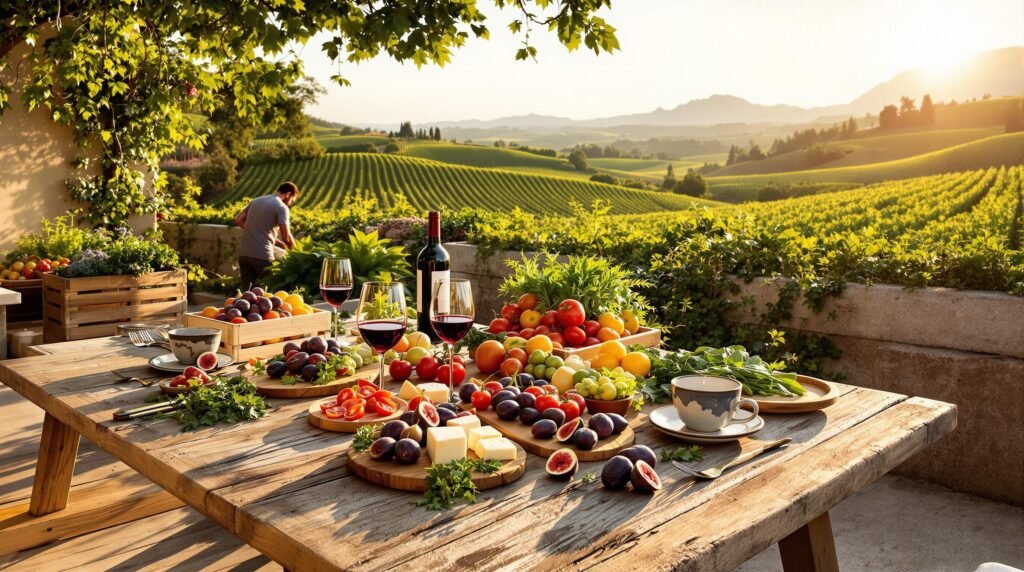
Sonoma takes a more farm-to-table, community-focused approach that feels less precious but equally delicious. Yes, there’s SingleThread in Healdsburg with its three Michelin stars, but there are also places like Zazu and Girl & the Fig that feel more like neighborhood gems that happen to serve incredible food. The style here is more ingredient-driven and seasonal, with cooking that feels connected to the agricultural landscape around it.
Sonoma’s beloved restaurants:
- SingleThread: Three Michelin stars, farm-to-table excellence
- Girl & the Fig: Country French cuisine institution
- Zazu: Nose-to-tail cooking with local ingredients
- Little Saint: Modern neighborhood bistro
What I love about eating in Sonoma is that meals feel like celebrations of the local community. You might end up chatting with farmers at the next table, or discover that your server also makes cheese at a local creamery.
Transportation and Getting Around
Napa Valley: Compact but Congested
Napa Valley’s layout seems simple—basically one main road with everything strung along it like pearls on a necklace. Highway 29 connects all the major towns from Napa in the south to Calistoga in the north, with most of the famous wineries either right on the highway or just a short drive off it. Sounds easy, right?
The reality is that this one road gets absolutely packed, especially on weekends. What should be a 10-minute drive between Yountville and St. Helena can easily become 30 minutes of stop-and-go traffic behind wine tour buses and other visitors doing exactly what you’re doing.
Napa transportation solutions:
- Book a driver service or wine tour
- Use Napa Valley Wine Train for scenic transport
- Stay in one area and walk/bike between venues
- Consider early morning or late afternoon travel times
Sonoma County: Sprawling and Scenic
Sonoma County is sprawling and diverse, which means more driving between different wine regions, but the roads are generally less crowded and the scenery makes the journey part of the experience. You’ve got coastal areas, inland valleys, and everything in between connected by scenic backroads that wind through vineyards and forests.
Sonoma’s regions and drive times:
- Russian River Valley to Sonoma Coast: 45 minutes
- Healdsburg to Petaluma: 30 minutes
- Dry Creek Valley to Alexander Valley: 15 minutes
- Downtown Sonoma to Glen Ellen: 15 minutes
The key is embracing the road trip aspect and understanding that the scenic drives between wineries are part of the charm rather than just a way to get from point A to point B.
Who Goes Where (And Why It Matters)
Napa’s Sophisticated Celebrants
The type of travelers you’ll encounter in each region can really shape your experience, and both areas have developed distinct personalities based on who they attract.
Napa tends to draw people who are celebrating something significant—anniversaries, milestone birthdays, major promotions, or just the fact that they’ve finally made it to a place they’ve been reading about in wine magazines for years. The travel style here skews toward planned itineraries, advance reservations, and curated experiences. You’ll meet wine collectors, serious food lovers, and people who genuinely get excited about tasting wines they’ve heard about but never had access to before.
Sonoma’s Diverse Community
Sonoma attracts a more diverse mix of travelers—weekend escapees from the Bay Area, friend groups looking for a fun getaway, families with older kids, and people who love wine but don’t necessarily consider themselves serious collectors. The travel style here is more spontaneous and flexible, with people who are open to discovering new places and having conversations with strangers.
The crowd in Sonoma includes everyone from serious wine enthusiasts to casual drinkers who just want to spend a beautiful day in wine country. This creates a more relaxed, social atmosphere where people are more likely to strike up conversations and share recommendations.
Beyond Wine Tasting: Regional Activities
Napa Valley Activities
Napa’s non-wine activities tend to be as polished and curated as its wine experiences:
- Napa Valley Wine Train: Iconic dining and wine experience through the valley
- Hot air ballooning: Sunrise flights over vineyards with champagne brunch
- Calistoga hot springs: Historic spas and mineral pools for relaxation
- Art galleries: St. Helena and Yountville feature serious art collections
- Cooking classes: Professional culinary schools and winery programs
Sonoma County Adventures
Sonoma offers more diverse outdoor activities that take advantage of the region’s varied landscape:
- Russian River activities: Kayaking, swimming, and riverside picnicking
- Sonoma Coast: Dramatic coastline within an hour of inland wineries
- Cycling: Better infrastructure with scenic backroads and less traffic
- Hiking: Redwood forests, coastal bluffs, and vineyard trails
- Farmers markets: Authentic local produce and artisan goods
Making the Decision: Questions That Actually Matter
Instead of just flipping a coin, consider what kind of weekend you’re actually hoping to have:
Budget Reality Check
Can you comfortably spend $200 per person on dinner without it affecting your enjoyment of the meal? If yes, Napa’s luxury experiences are worth every penny. If that kind of spending creates stress, Sonoma offers equally amazing experiences at prices that won’t make you wince when the check comes.
Travel Style Preferences
Do you like having every detail planned and confirmed in advance, or do you prefer leaving room for spontaneous discoveries? Napa rewards careful planning and advance reservations, while Sonoma embraces flexibility and welcomes spontaneous visitors.
Wine Knowledge Goals
Are you hoping to taste legendary wines you’ve read about in magazines, or would you rather discover new favorites that aren’t already famous? Napa has the household names and cult wines that serious collectors seek out. Sonoma has incredible producers that locals know about but haven’t yet achieved widespread recognition.
Group Dynamics
Are you traveling as a couple for a romantic getaway, or with friends for a fun social experience? Both regions work for both scenarios, but Napa tends to feel more intimate and special-occasion focused, while Sonoma has a more relaxed, social energy that’s great for groups.
Honest Recommendations by Traveler Type
First-Time Wine Country Visitors → Choose Napa
You want the full wine country experience with recognizable wineries, perfect photo opportunities, and wines you’ll be excited to tell people about back home. Start in Yountville or St. Helena, book tastings at a mix of established and boutique wineries, and don’t skip at least one memorable dinner at a restaurant you’ve heard of.
Experienced Wine Lovers → Choose Sonoma
You’ll appreciate the diversity of wine styles, discover new favorite producers that aren’t already on everyone’s list, and enjoy better value for equally high-quality experiences. Focus on specific AVAs like Russian River Valley for Pinot Noir or Dry Creek Valley for Zinfandel.
Budget-Conscious Travelers → Choose Sonoma
The tasting fees are lower, accommodation options include more mid-range choices, and there are plenty of free activities like hiking trails and farmers markets that can round out your weekend without adding major expenses.
Special Celebrations → Choose Napa
The luxury factor, special occasion restaurants, and overall “wine country glamour” experience are designed for milestone moments. The higher prices feel more justified when you’re celebrating something important.
Spontaneous Travelers → Choose Sonoma
The abundance of walk-in tasting opportunities, last-minute restaurant availability, and flexible atmosphere rewards people who prefer to figure things out as they go rather than planning every detail in advance.
Outdoor Activity Lovers → Choose Sonoma
The access to coast, rivers, hiking trails, and cycling routes means you can have a diverse weekend that goes well beyond wine tasting. Napa’s activities tend to be more wine-focused and less connected to natural landscapes.
Seasonal Wine Country Strategies
Spring Wine Country Planning
Spring is ideal for both regions if you can be flexible with dates. Sonoma’s wildflower season along the coast is spectacular, while Napa’s comfortable temperatures make valley floor exploration pleasant. Both regions offer barrel tastings and new release events during spring months.
Summer Heat Management
Summer requires different strategies for each region. In Sonoma, start early, take advantage of coastal cooling during hot afternoons, and plan river activities as breaks between tastings. In Napa, book indoor or shaded tastings during peak heat hours, focus on evening activities when temperatures drop, and stay very hydrated.
Fall Harvest Experiences
Fall harvest season is magical in both regions but requires advance planning. Book accommodations and key restaurant reservations months ahead. Focus on wineries that offer harvest participation experiences, and expect crowds but incredible energy and beautiful scenery.
Winter Cozy Escapes
Winter is when both regions show their quieter personalities. Sonoma offers dramatic coastal storm watching and cozy fireplace tastings at better prices. Napa provides luxury resort experiences and holiday events that can be perfect for cold-weather getaways.
The Secret Strategy: Combining Both Regions
If you’re staying longer than a weekend, consider basing yourself in either Calistoga on the Napa side or Healdsburg in Sonoma. These charming towns are only about 35 minutes apart via the scenic Highway 128, which winds through beautiful countryside and passes several excellent wineries along the way.
This strategy lets you experience both regions while only unpacking once, and you can tailor each day to your mood and interests. Maybe you start with Sonoma’s relaxed vibe and spontaneous discoveries, then transition to Napa’s more structured luxury experiences.
Base towns for dual-region exploration:
- Healdsburg (Sonoma side): Vibrant downtown, excellent restaurants, central location
- Calistoga (Napa side): Hot springs, luxury resorts, northern valley charm
- Carneros region: Straddles both counties, convenient for southern exploration
Wine Education Opportunities
Napa Valley Wine Education
Napa excels at structured wine education experiences:
- CIA at Greystone: Professional culinary and wine programs
- Inglenook: Historic winemaking demonstrations
- Schramsberg: Traditional méthode champenoise tours
- Castello di Amorosa: Medieval-style castle with extensive tastings
Sonoma County Learning Experiences
Sonoma offers more hands-on, participatory wine education:
- Harvest participation: Many family wineries welcome volunteers
- Blending sessions: Create your own wine blend at boutique producers
- Vineyard walks: Educational tours through different terroirs
- Family winery stories: Personal histories from multi-generation producers
Frequently Asked Questions
How far apart are Sonoma and Napa?
The distance varies by specific locations, but generally 30-60 minutes of driving separates most wine regions. Calistoga to Healdsburg is about 35 minutes via scenic Highway 128.
Which region is better for beginners?
Napa offers a more structured introduction to wine country with famous names and classic experiences. Sonoma provides more approachable tastings and educational opportunities without intimidation.
Can you visit both regions in one day?
Yes, but it’s rushed. Focus on southern areas like Carneros (which straddles both counties) or northern towns like Calistoga and Healdsburg for easier dual-region access.
Which region has better value?
Sonoma generally offers 25-40% savings across accommodations, dining, and wine tasting experiences while maintaining comparable quality.
When should I make reservations?
Napa requires 2-4 weeks advance booking for most experiences. Sonoma offers more walk-in opportunities but reservations are recommended for popular wineries and restaurants.
Which region is better for large groups?
Sonoma’s more casual atmosphere and better availability make group planning easier. Napa can accommodate groups but requires more advance coordination and higher budgets.
What’s the best base location for each region?
Napa: Yountville for luxury, St. Helena for central access, Calistoga for hot springs. Sonoma: Healdsburg for wine focus, Sonoma town for history, Sebastopol for coast access.
Are children welcome at wine tastings?
Both regions welcome families, but Sonoma tends to be more family-friendly with outdoor spaces and casual atmospheres. Many wineries offer grape juice for children.
Final Thoughts: Trust Your Wine Country Instincts
After all this analysis, here’s what I really believe: the “right” choice between Sonoma and Napa isn’t about which region is objectively better. It’s about which one aligns with your idea of a perfect wine country weekend and matches how you like to travel and spend your money.
Choose Napa if you want to experience wine country at its most polished and prestigious. If you get genuinely excited about tasting wines you’ve read about, dining at restaurants with serious reputations, and staying at hotels that feel like destinations themselves, Napa delivers those experiences better than anywhere else.
Choose Sonoma if you’re drawn to wine country that feels more authentic and accessible. If you prefer discovering your new favorite winery through serendipity rather than research, having conversations with winemakers who still work in the vineyards, and experiences that feel more like visiting friends than being a tourist, Sonoma offers those moments consistently.
Both regions will give you incredible wine, beautiful scenery, delicious food, and memories that outlast the last sip from bottles you bring home. The question isn’t which one is better—it’s which one is better for you, for this particular trip, at this moment in your wine country journey.
And here’s the beautiful truth about Northern California wine country: once you visit one region, you’ll inevitably start planning your return trip to explore the other. That’s not a problem to solve—that’s the magic working exactly as it should.
Key Takeaways
The choice between Sonoma and Napa comes down to understanding what kind of wine country experience matches your travel style, budget, and weekend goals. Napa excels at delivering polished luxury experiences with world-renowned wineries and prestigious dining, making it perfect for special celebrations and first-time visitors seeking the classic wine country experience they’ve imagined. The region rewards advance planning and higher budgets with impeccable service and iconic wines. Sonoma offers more authentic, accessible experiences with diverse landscapes, better value, and genuine discovery opportunities, making it ideal for spontaneous travelers, outdoor enthusiasts, and wine lovers seeking to explore beyond the typical tourist path. The region welcomes flexibility and provides excellent experiences across various price points. Budget considerations are significant, with Sonoma typically costing 25-40% less than Napa across accommodations, dining, and wine tasting experiences. Seasonal timing affects both regions differently, with spring and fall offering the best balance of weather, crowds, and availability. Both regions excel at different aspects of the wine country experience, and many visitors eventually explore both to fully appreciate Northern California’s wine culture diversity.
