
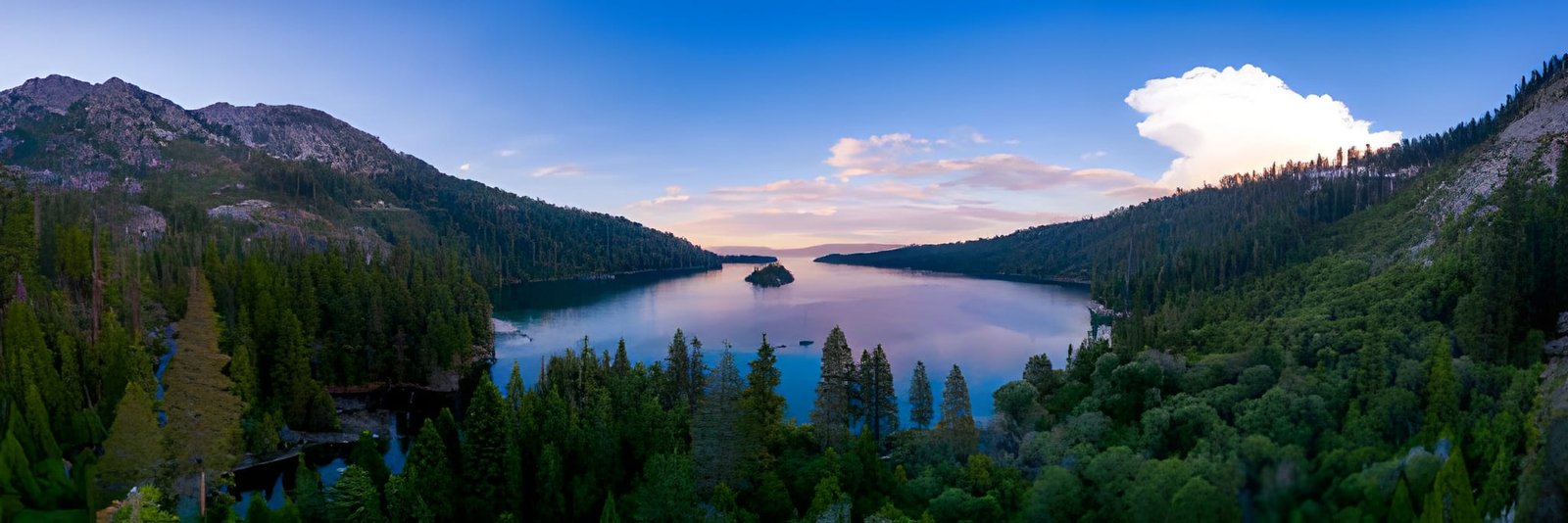
The first time I pitched a tent thirty feet from a pristine alpine lake in Northern California, I understood why lake camping beats every other type. We woke at dawn to mist rising off mirror-still water, made coffee as the sun painted the surrounding peaks gold, then spent the day alternating between swimming, reading on the shore, and kayaking to hidden coves. No crowds, no noise except lapping water and bird calls, just complete immersion in nature with the perfect blend of adventure and relaxation.
After camping at dozens of Northern California lakes over ten years—from famous Tahoe to hidden Sierra reservoirs—I’ve learned which campgrounds actually deliver that magical lakeside experience versus which ones disappoint with distant water views and packed sites. The best lake camping in Northern California combines three elements: direct lake access (ideally walk-out-your-tent-to-the-water proximity), stunning natural beauty, and enough activities to fill your days without requiring long drives elsewhere.
This guide shares twelve exceptional lake campgrounds across Northern California, organized by region and detailed with everything you need to know—reservation strategies, best seasons, activities, what makes each unique, and honest assessments of who each campground suits best. Whether you’re planning a romantic couples escape, family adventure, or solo retreat, these lakeside campgrounds offer that perfect combination of spectacular setting and genuine connection with nature.
Why Lake Camping Beats Other Camping Types
Lake camping provides advantages other camping styles can’t match. Unlike coastal camping where cold Pacific water limits swimming, Northern California’s alpine and foothill lakes warm enough for genuine enjoyment—typically 65-75°F by mid-summer. Unlike forest camping where views stay limited, lakeside sites offer expansive vistas and constantly changing light shows across water. And unlike developed campgrounds where you’re packed between RVs, the best lake campgrounds offer waterfront sites with genuine privacy.
The activities matter too. Lake camping naturally includes swimming, kayaking, paddleboarding, fishing, and exploring shorelines—built-in entertainment requiring minimal gear or planning. Kids stay entertained for hours at lake beaches. Couples enjoy romantic sunset paddles and morning coffee watching ripples spread across glassy water. Even solo travelers find lake camping provides both solitude and subtle connection to other campers drawn to the same beautiful setting.
Northern California’s geographic diversity means you’ll find lake camping for every preference and season. High Sierra lakes like Tahoe offer dramatic alpine beauty with cool temperatures even in summer. Mid-elevation reservoirs like Shasta and Trinity provide warmer water and longer seasons. Foothill lakes open earlier in spring when mountains still hold snow. This variety ensures excellent lake camping options May through October—longer than almost any other California camping type.
Quick Reference: Best Lake Camping Northern California
| Lake | Region | Elevation | Best Season | Romantic Rating | Activity Level |
|---|---|---|---|---|---|
| Emerald Bay (Tahoe) | Sierra Nevada | 6,200′ | June-Sept | ⭐⭐⭐⭐⭐ | Moderate-High |
| Donner Lake | Sierra Nevada | 5,950′ | June-Sept | ⭐⭐⭐⭐ | High |
| Shasta Lake | Cascade Range | 1,067′ | May-Oct | ⭐⭐⭐ | High |
| Trinity Lake | Cascade Range | 2,370′ | May-Oct | ⭐⭐⭐⭐ | Moderate-High |
| Lake Almanor | Cascade Range | 4,500′ | May-Oct | ⭐⭐⭐⭐ | Moderate |
| Union Valley Reservoir | Sierra Nevada | 4,900′ | June-Sept | ⭐⭐⭐ | Moderate |
| Loon Lake | Sierra Nevada | 6,400′ | July-Sept | ⭐⭐⭐⭐ | High |
| Lake Britton | Cascade Range | 2,760′ | May-Oct | ⭐⭐⭐⭐ | Low-Moderate |
| Clear Lake | Coast Range | 1,329′ | April-Oct | ⭐⭐⭐ | Moderate |
| Lewiston Lake | Cascade Range | 1,895′ | May-Oct | ⭐⭐⭐⭐⭐ | Low-Moderate |
| Caples Lake | Sierra Nevada | 7,800′ | July-Sept | ⭐⭐⭐⭐ | Moderate |
| Boca Reservoir | Sierra Nevada | 5,700′ | June-Sept | ⭐⭐⭐ | High |
Romantic Rating: ⭐⭐⭐⭐⭐ = Perfect for couples; ⭐⭐⭐ = Family-friendly
Activity Level: High = Busy, social; Low = Quiet, peaceful
Lake Tahoe Region: Alpine Perfection
Emerald Bay State Park – Lake Tahoe
Drive Time: 3.5 hours from San Francisco, 2.5 hours from Sacramento
Elevation: 6,225 feet
Season: Mid-May through September (weather dependent)
Best For: Couples wanting iconic Tahoe beauty with hiking access
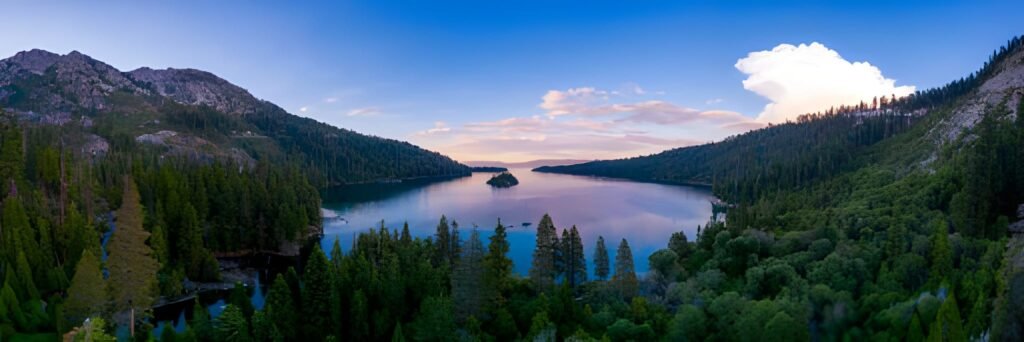
Emerald Bay claims the title of Lake Tahoe’s most photographed location, and camping here puts you inside that postcard. The campground sits above the bay with some sites offering stunning water views, while others nestle in pine forests. What makes Emerald Bay special for campers is the combination of dramatic beauty, excellent hiking (Rubicon Trail wraps around the bay), and that feeling of waking up inside Tahoe’s crown jewel.
I’ve camped Emerald Bay twice and both times felt humbled by the setting. Walking the Rubicon Trail at dawn with the bay emerging from morning mist, the only sounds water lapping and birds waking—those moments justify the hassle of scoring reservations and navigating summer crowds. The campground fills completely Memorial Day through Labor Day, but the quality of experience rewards the effort.
Campground Details
Eagle Point Campground offers 100 sites accommodating tents and RVs up to 21 feet (no hookups). The Upper Eagle area (sites 1-50) tends to be quieter; Lower Eagle (sites 51-100) sits closer to facilities. Sites vary dramatically—some offer lake views and privacy, others feel cramped between RVs. Request specific sites when booking if you have preferences.
Boat-In Camp provides 22 primitive sites accessible only by boat or 2-mile hike from parking. These sites offer maximum solitude and adventure—you’ll kayak or paddle your gear in, camp steps from water, and have the bay to yourself at dawn before day visitors arrive. Boat-in camping requires more effort but rewards with unmatched peace.
Reservations: Book exactly 6 months ahead when reservations open on ReserveCalifornia.com. Popular dates sell out within minutes. Try for weekdays or shoulder season (late May, September) for better availability. Eagle Point sites $45/night, boat-in $40/night.
Activities & Highlights
Rubicon Trail: This iconic 4.5-mile one-way trail hugs the shoreline between Emerald Bay and D.L. Bliss State Park (currently closed—verify status before planning). The trail offers stunning lake views, rocky outcrops perfect for photos, and clear turquoise water visible 100 feet down. Moderate difficulty with some scrambling over boulders.
Vikingsholm Castle: Tour this 1929 Scandinavian-style mansion at the bay’s head (tours run summer only, $15). The 1-mile trail down loses 500 feet elevation—the return climb feels earned. Worth it to see inside this architectural gem and explore the bay’s historic side.
Swimming & Paddling: Launch kayaks, paddleboards, or canoes from the beach. The bay’s protected water stays calmer than open lake. Paddle to Fannette Island (Tahoe’s only island) with its miniature “Tea House” ruin. Swimming is excellent though water stays chilly even in August (60-65°F).
Fishing: Mackinaw (lake trout), rainbow trout, and kokanee salmon inhabit Tahoe. California fishing license required. Best fishing happens early morning and evening from shore or boat.
Best Time to Visit
July-August: Peak season with warmest weather and guaranteed snow-free access. Expect full campgrounds, heavy Rubicon Trail traffic, and parking challenges. Book 6 months ahead.
June & September: Shoulder season offers better availability, fewer crowds, and still pleasant weather (though June can have cool evenings and lingering snow on high trails). September particularly lovely with golden autumn light.
Late May & October: Risky timing—campground may not be fully open, snow possible, but you’ll have solitude. Call ahead to verify opening dates and road access.
Insider Tips
- D.L. Bliss State Park Update: As of 2025, D.L. Bliss remains closed for infrastructure improvements. This impacts Rubicon Trail access—currently the trail is only accessible from Emerald Bay end. Check current status before planning hiking trips.
- Bear Country: Lake Tahoe has active black bear population. Use provided bear boxes religiously—food, toiletries, even toothpaste must be stored. Bears in this area are habituated to human food and will destroy tents and vehicles accessing improperly stored items.
- Altitude Considerations: At 6,200 feet, some visitors experience mild altitude effects (headaches, fatigue). Drink extra water, take it easy first day, and avoid alcohol until acclimated.
- Crowds: Emerald Bay receives over 1 million visitors annually. The campground feels busy even at night. For true solitude, consider less-famous Tahoe alternatives like Fallen Leaf Lake Campground or backcountry options.
Donner Lake – Near Truckee
Drive Time: 3.5 hours from San Francisco, 2.5 hours from Sacramento
Elevation: 5,950 feet
Season: June through September
Best For: Families and active groups wanting water sports and hiking
Donner Lake delivers Tahoe-quality beauty at slightly lower elevation with warmer water and less attitude. This two-mile-long alpine lake sits in a glacially-carved valley below Donner Pass, surrounded by granite peaks and pine forests. The lake’s relatively small size (compared to Tahoe) and multiple public beaches create a more intimate, accessible feel while maintaining spectacular Sierra scenery.
What distinguishes Donner Lake for camping is the combination of excellent swimming (warmest water in the Tahoe region by late summer), easy lake access, and proximity to Truckee’s restaurants and shops. You get alpine beauty with convenience—camp at the lake, paddle and swim all day, then walk to town for dinner if you want a break from camp cooking.
Campground Details
West End Beach Campground (Truckee River side) offers tent sites closest to town with lake access. Donner Memorial State Park Campground provides 150 sites including some with lake views, hot showers, and visitor center with Donner Party history exhibits. Sites accommodate RVs up to 28 feet (no hookups). The state park sites feel more developed while West End offers more rustic experience.
Reservations: Book through ReserveCalifornia.com for state park sites ($35/night). Memorial Day through Labor Day books solid—reserve 4-6 months ahead. Weekdays in June and September offer better availability.
Activities & Why Donner Works
The lake’s compact size makes it perfect for paddling—you can circumnavigate in 2-3 hours, exploring coves and beaches. Swimming is excellent with multiple sandy beaches (West End Beach, China Cove). Water skiing, wakeboarding, and jet skiing are popular (be aware this creates some noise and wake).
Hiking options include Donner Pass trails with wildflowers (July-August) and Summit Lake (moderate 2-mile trail). Mountain biking trails network through surrounding forests. Truckee (1 mile away) offers excellent restaurants, breweries, and shops when you need civilization.
For history enthusiasts, the Emigrant Trail Museum at Donner Memorial State Park tells the Donner Party story (1846 pioneer tragedy). It’s sobering, educational, and adds context to the landscape.
Best Season & Tips
Mid-July through August delivers warmest water and most reliable weather. September offers fewer crowds with still-pleasant temperatures. Avoid July 4th and Labor Day weekends unless you thrive in chaos.
Hidden Gem: For quieter lake camping near Donner, try Prosser Creek Reservoir (15 minutes east). More primitive, fewer crowds, similar beauty.
Cascade Range: Warm Water & Long Seasons
Shasta Lake – Northern California’s Houseboating Capital
Drive Time: 2.5 hours from Sacramento, 3 hours from San Francisco
Elevation: 1,067 feet
Season: May through October (year-round access but best May-Oct)
Best For: Groups, families, water sports enthusiasts
Shasta Lake sprawls across 30,000 acres when full, creating California’s largest reservoir with 365 miles of shoreline. The massive size and low elevation mean warm water (70-80°F in summer), long season, and space for everyone despite being popular. Multiple campgrounds line the shores offering everything from primitive tent sites to full-hookup RV resorts.
What makes Shasta compelling for lake camping is the houseboating culture—you can rent fully-equipped houseboats sleeping 10+ people, creating floating basecamp for exploring the lake’s four arms. But tent and RV camping work beautifully too, especially at less-developed campgrounds offering more traditional camping experience with modern conveniences.
Campground Options
Antlers Campground (South Shore): 41 sites with some waterfront, boat launch, swimming beach. More developed with nearby marina and store. Sites $30/night.
Bailey Cove (West Shore): 6 walk-in tent sites offering solitude and stunning views. Primitive facilities but maximum peace. First-come, first-served. Free camping.
Hirz Bay (North Arm): 37 sites with some directly on water. Boat launch, swimming, fishing access. Good balance of facilities and nature. Sites $25-30/night.
McCloud Bridge (East Arm): 11 primitive sites perfect for kayakers and those seeking quiet. Pit toilets only. First-come, first-served. Free.
Reservations: Many Shasta campgrounds operate first-come, first-served. The developed ones (Antlers, Hirz Bay) accept reservations through Recreation.gov. Summer weekends fill but weekdays usually have availability even in peak season.
Activities & Unique Aspects
Houseboating: This is Shasta’s signature experience. Rent from multiple marinas (Holiday Harbor, Bridge Bay Resort, Sugarloaf Cottages) for 3-7 days. Prices range $1,500-5,000+ depending on size and season. Not traditional camping but unforgettable Northern California lake experience.
Water Sports: Warm water enables jet skiing, wakeboarding, water skiing, swimming, and kayaking comfortably. Multiple marinas rent equipment. The lake’s size means you can find your own cove away from speed boats.
Cave Exploration: Lake Shasta Caverns offers daily boat-and-bus tours to impressive limestone caves. The tour includes boat ride across lake, bus up mountain, and guided cave walk. $35/adult, worth it for geology enthusiasts.
Fishing: Bass (largemouth and smallmouth), trout (rainbow, brown, brook), catfish, crappie, and salmon. This is serious fishing lake with tournaments and guide services available.
Best Season
May-June: Spring runoff keeps lake full, weather pleasant (75-85°F), and crowds manageable. Wildflowers bloom on hillsides. Water still cool (65-70°F) but swimmable.
July-August: Peak season with warmest water (75-80°F) and most crowds. Houseboats book solid. Temperatures can hit 100°F—factor in heat when planning activities.
September-October: Excellent choice with warm water, fewer crowds, and pleasant weather (80s dropping to 60s-70s). Water levels drop from summer draw-down but still plenty of lake to enjoy.
Why Shasta Works
Shasta Lake camping suits groups and families wanting active water-sports vacation more than couples seeking romantic solitude. The lake’s size, warm water, and long season make it accessible and fun without requiring high-altitude acclimation or expensive gear. For Northern California lake camping that doesn’t require mountain driving or dealing with altitude, Shasta delivers remarkably well.
Trinity Lake – Shasta’s Quieter Neighbor
Drive Time: 3 hours from Sacramento, 4 hours from San Francisco
Elevation: 2,370 feet
Season: May through October
Best For: Couples and families wanting Shasta’s water warmth with more peace
Trinity Lake offers similar advantages to Shasta—warm water, long season, excellent fishing—with notably fewer crowds and more natural beauty. The lake’s position surrounded by Trinity Alps creates dramatic mountain backdrop absent at Shasta. Multiple arms and coves provide opportunities to find your own private beach.
The campgrounds at Trinity range from developed resorts to primitive Forest Service sites. This variety means couples seeking romance camp at different spots than families wanting full amenities, and everyone gets what they need. Trinity feels more remote despite being just an hour west of Shasta.
Top Campgrounds
Hayward Flat (East Shore): 98 sites including 33 with full hookups. Boat launch, swimming beach, store. This is the developed option. Sites $28-45/night depending on hookups. Reserve through Recreation.gov.
Stoney Creek (West Shore): 19 tent-only sites on quieter side of lake. Vault toilets, no showers, but stunning views and peace. Sites $18/night. First-come, first-served.
Minersville (North Arm): 14 primitive sites perfect for tent camping. Swimming, boat launch, incredible views up the Trinity Alps. Sites $20/night. First-come, first-served.
Why Choose Trinity
Trinity Lake camping works for couples seeking romantic lakeside escape without sacrificing swimming and paddling. The water warms to 70-75°F by mid-summer—genuinely pleasant swimming without requiring wetsuits. The Trinity Alps backdrop provides spectacular scenery for sunset photography. And the relative lack of crowds (compared to Tahoe or Shasta) means actually hearing nature instead of jet skis.
Activities: Kayaking, fishing (bass, trout, kokanee salmon), hiking Trinity Alps trails (Stuart Fork, Canyon Creek), swimming, stargazing (excellent dark skies).
Best Season: June-September with July-August offering warmest water. September particularly lovely with golden light and fewer visitors.
Lake Almanor – Hidden Gem of the Cascades
Drive Time: 3 hours from Sacramento, 4.5 hours from San Francisco
Elevation: 4,500 feet
Season: May through October
Best For: Families and couples wanting developed camping with great fishing
Lake Almanor flies under radar compared to Tahoe and Shasta but delivers comparable beauty with far fewer crowds. This 28,000-acre reservoir in Plumas County offers stunning views of Lassen Peak, excellent fishing, warm water, and mix of developed and primitive campgrounds. The lake’s position at 4,500 feet means cooler temperatures than Shasta but still long season and warm-enough swimming.
Campground Options
Almanor Campground (North Shore): 104 sites with full hookups and amenities. This is developed camping for RVs and families wanting hot showers and convenience. Sites $35-45/night. Reserve through PG&E recreation.
Last Chance Creek (West Shore): 12 primitive tent sites offering maximum solitude. Vault toilets, no water, but incredible peace and direct lake access. Sites $20/night. First-come, first-served.
Rocky Point (Northwest Shore): 25 sites balancing facilities and nature. Boat launch, swimming beach, beautiful views. Sites $28/night. Some reservable through Recreation.gov.
What Makes Almanor Special
The fishing culture defines Almanor—this is trophy trout lake with spring and fall seasons drawing serious anglers. But for campers, the benefit is fewer water-skiers and more peaceful lake atmosphere. The views of Lassen Peak create gorgeous backdrop for morning coffee. And the surrounding national forest provides excellent hiking when you need a break from water activities.
Best Season: June-September with August offering warmest water. Spring (May-June) brings fly-fishing enthusiasts but excellent for campers seeking solitude. Fall (September-October) delivers stunning colors and trophy trout season.
Sierra Nevada: High Country Beauty
Union Valley Reservoir – Crystal Basin Recreation Area
Drive Time: 2 hours from Sacramento, 1.5 hours from South Lake Tahoe
Elevation: 4,900 feet
Season: June through September
Best For: Families wanting developed camping with multiple beach options
Union Valley Reservoir sits in the heart of Crystal Basin Recreation Area east of Sacramento, offering excellent introduction to Sierra lake camping without high-altitude challenges. The reservoir features multiple developed campgrounds, several swimming beaches, boat launches, and easy access via paved Highway 50.
Campground Choices
Sunset Camp: 131 sites with some waterfront, hot showers, swimming beach. The most developed option. Sites $35/night. Reserve through Recreation.gov.
Yellowjacket: 40 sites with more trees and privacy than Sunset. Boat launch, beach access. Sites $30/night. Reserve ahead for weekends.
Peninsula: 131 sites on peninsula jutting into reservoir. Sites 1-30 offer best lake views. Full facilities. Sites $35/night.
Why Union Valley Works: Accessibility from Sacramento makes this ideal for weekend trips without requiring Friday evening mountain driving in traffic. The multiple campgrounds mean backup options if your first choice is full. Water warms nicely by mid-summer (68-72°F), and the surrounding Crystal Basin offers additional lakes (Ice House, Loon Lake) for day trips.
Best Season: July-August for warmest water and most reliable access. June can have lingering snow at higher elevations. September offers solitude with still-pleasant weather.
Loon Lake – Alpine Beauty with Adventure
Drive Time: 2.5 hours from Sacramento
Elevation: 6,400 feet
Season: July through September
Best For: Adventurous campers and backpackers wanting rugged beauty
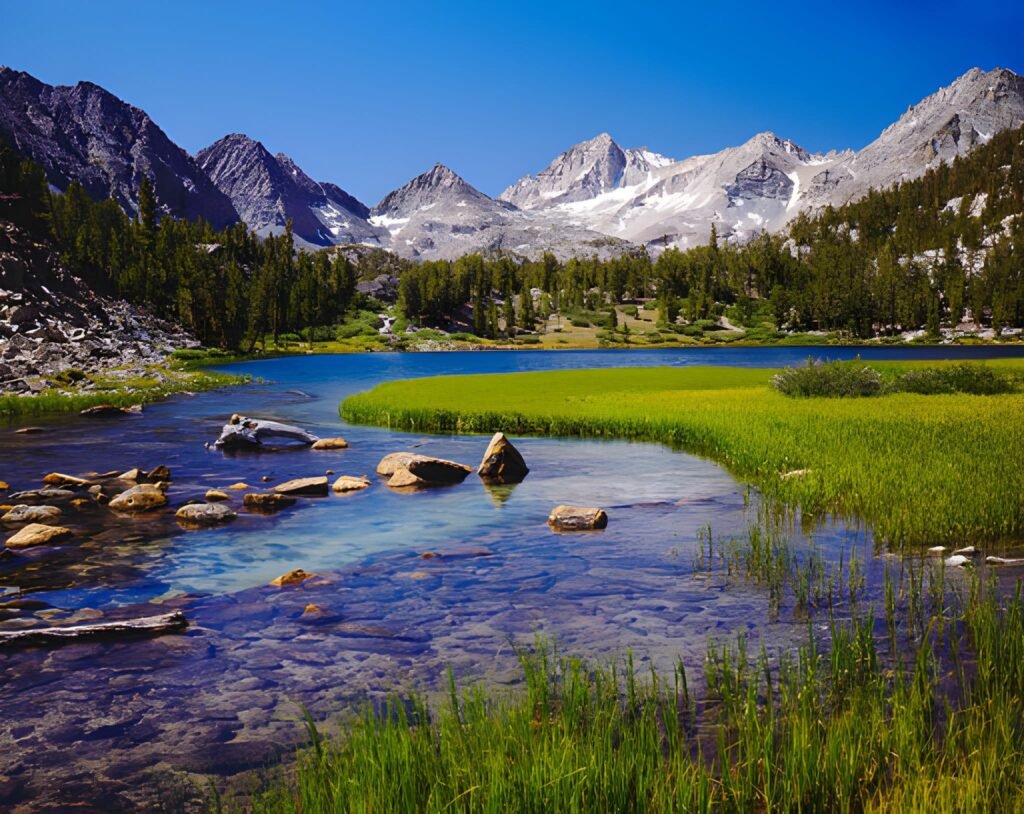
Loon Lake represents Sierra lake camping at its most stunning—crystal-clear alpine water surrounded by granite peaks, minimal development, and that high-country atmosphere where air tastes crisp and stars multiply. The reservoir sits at the end of winding dirt road (high-clearance vehicle recommended but not required), filtering out casual visitors and rewarding those who make the effort.
Campground Details
Loon Lake Campground: 53 sites including 9 walk-in sites closer to water. Vault toilets, no showers, no hookups. This is rustic camping. Sites $25/night. First-come, first-served weekdays; weekends book through Recreation.gov.
Boat-In Sites: 6 primitive sites accessible only by paddling across the lake. Maximum solitude and adventure. Free, first-come, first-served.
Activities & Why Loon Lake Rules: The lake’s clear water invites swimming despite chilly temperatures (62-68°F even in August). Kayaking and canoeing excel here—granite walls plunging into deep water create dramatic scenery. Fishing for mackinaw and rainbow trout. The Desolation Wilderness boundary sits just north, offering exceptional day hikes to additional alpine lakes.
Challenge: The access road (12 miles of dirt from Highway 50) deteriorates by season’s end. High-clearance helps but sedans make it carefully. The altitude means shorter season and possible afternoon thunderstorms July-August. But for couples or small groups wanting genuine Sierra alpine camping, Loon Lake delivers magnificently.
Caples Lake – Highway 88 High-Country Gem
Drive Time: 2.5 hours from Sacramento
Elevation: 7,800 feet
Season: July through early September
Best For: Couples wanting romantic high-altitude lake with easy access
Caples Lake sits just off Highway 88 (Carson Pass) at nearly 8,000 feet, creating that true alpine experience without requiring 4WD access. The reservoir’s high elevation means dramatic scenery—granite peaks, subalpine forests, wildflower meadows—and that crisp mountain air that makes sleeping under stars magical.
Camping & Activities
Caples Lake Campground: 35 sites accommodating tents and small RVs. Vault toilets, no hookups. Half the sites overlook the lake. Sites $28/night. First-come, first-served creates gamble—arrive early Friday or camp midweek.
The lake’s small size (600 acres) makes it perfect for kayaking and canoeing—you can explore the entire shoreline in an afternoon. Fishing for rainbow and brook trout. The Pacific Crest Trail crosses Highway 88 just west of the lake—day hike north toward Winnemucca Lake (moderate 3-mile round-trip) for stunning alpine scenery.
Romantic Appeal: Caples Lake camping attracts couples more than families. The high altitude, lack of amenities, and remote feeling filter out those seeking developed camping. What remains are people who appreciate star-filled skies, morning mist on alpine water, and that specific quiet found above 7,000 feet.
Best Season: Late July through August for most reliable access and warmest weather (though “warm” is relative at this elevation—highs in 70s, lows in 40s). Early September offers solitude with risk of early snow. Call ahead to verify opening dates as late snowpack delays access.
Additional Northern California Lake Camping Gems
Lake Britton / McArthur-Burney Falls State Park
Drive Time: 3.5 hours from Sacramento
Elevation: 2,760 feet
Season: Year-round (best May-October)
Why It’s Special: Camp near one of California’s most spectacular waterfalls (Burney Falls—129 feet, flowing year-round). The lake offers swimming, fishing, and kayaking with volcanic landscape creating unique scenery. The campground features 128 sites with hot showers and full facilities—rare for lake camping this beautiful.
Who It Suits: Families wanting waterfall hiking plus lake activities. Couples seeking developed camping with dramatic natural attractions. Anglers (excellent trout and bass fishing).
Reservations: Book through ReserveCalifornia.com. Sites $45/night. Popular but larger campground means better availability than smaller Sierra lakes.
Lewiston Lake – Trinity System’s Quiet Alternative
Drive Time: 3 hours from Sacramento
Elevation: 1,895 feet
Season: May through October
Why It’s Special: While Trinity Lake gets motorboats and water-skiers, Lewiston (directly downstream) restricts to electric motors only, creating peaceful paddling and fishing atmosphere. The lake’s smaller size and quiet policy attract couples and anglers seeking solitude.
Camping: Multiple small campgrounds (Mary Smith, Tunnel Rock, Ackerman) offer 15-20 sites each. Vault toilets, basic facilities. Sites $20-25/night. First-come, first-served means flexibility but requires early arrival summer weekends.
Who It Suits: Fly-fishing enthusiasts, couples wanting peaceful paddling, anyone seeking quiet alternative to busier Trinity Lake.
Clear Lake – California’s Largest Natural Lake
Drive Time: 2 hours from Sacramento, 2.5 hours from San Francisco
Elevation: 1,329 feet
Season: April through October
Why It Matters: Clear Lake offers lake camping for those who can’t handle high altitude or need longer season. The lake warms early (swimmable by May) and stays warm late (into October). Multiple state parks (Clear Lake SP, Anderson Marsh) provide camping options from primitive to developed.
Reality Check: Clear Lake suffers from algae blooms some summers, affecting water clarity and swimming appeal. Check current conditions before booking. When conditions are good, the lake offers excellent bass fishing, sailing, and warm-water swimming.
Who It Suits: Families with young children needing accessible camping, fishing enthusiasts, those preferring foothill camping to high Sierra.
Boca Reservoir – Truckee’s Local Secret
Drive Time: 3.5 hours from Sacramento
Elevation: 5,700 feet
Season: June through September
Why Locals Love It: Boca sits 10 minutes from Truckee offering similar Tahoe-area scenery with fraction of crowds and no reservation requirements. The reservoir’s smaller size and multiple coves create intimate feel despite allowing motorboats.
Camping: Boca Rest Campground (25 sites) and Boca Spring Campground (20 sites) offer primitive camping with vault toilets, no water, no hookups. First-come, first-served. Sites $20/night or free with Annual Pass.
Who It Suits: Last-minute campers who didn’t score Tahoe reservations, locals wanting quick weekend escape, tent campers comfortable with primitive facilities.
Planning Your Perfect Northern California Lake Camping Trip
Reservation Strategy
Book 6 months ahead: Emerald Bay, Donner Lake, popular Trinity and Shasta campgrounds fill immediately when reservations open.
Book 2-3 months ahead: Union Valley, Almanor, and mid-tier campgrounds still have availability if you’re flexible on specific sites.
First-come, first-served: Loon Lake (weekdays), many Shasta campgrounds, Boca, and Lewiston require early arrival (before noon Friday, before 10 AM Saturdays). Have backup plans.
Shoulder Season Advantage: Late May, June, and September offer significantly better availability with still-pleasant conditions. You’ll trade warmest water for actual ability to camp without reserving months ahead.
Best Season by Activity
Swimming: Late July through August for warmest water. Lower elevation lakes (Shasta, Trinity, Clear) warm first and stay warmest. High Sierra lakes (Loon, Caples) remain chilly even in peak summer.
Fishing: Spring (May-June) and fall (September-October) for trout. Summer for bass and warm-water species. Each lake has specific seasons—research your target lake’s fishing calendar.
Kayaking/Paddling: June through September for most reliable weather. Mornings offer glassy water; afternoons bring wind on larger lakes. High Sierra lakes provide most dramatic scenery for paddling.
Hiking: July-August for high-elevation trails (Desolation Wilderness, Trinity Alps). June for foothill wildflowers. September for autumn colors and fewer crowds.
Budget Planning
Campsite Costs:
- Primitive sites: $18-25/night
- Developed sites without hookups: $28-35/night
- Sites with hookups: $40-50/night
Additional Costs:
- Parking/day use fees: $8-15 (waived for campers at most locations)
- Fishing license: $52 annual, $17 daily
- Boat launch fees: $8-15
- Kayak/SUP rentals: $30-60/day
- Firewood: $8-12/bundle
Weekend Budget (2 nights):
- Minimal: $100-150 (primitive camping, bring all food/gear, free activities)
- Comfortable: $200-350 (developed camping, some restaurant meals, rental gear)
- Premium: $400-600 (developed camping, restaurant meals, guided activities, equipment rentals)
What to Pack for Lake Camping
Essential Gear:
- Tent, sleeping bags rated for nighttime temperatures (30-40°F even in summer for high elevation)
- Sleeping pads (ground gets cold at altitude)
- Camp stove and cookware
- Headlamps/flashlights
- Water filtration or bring sufficient water
- First aid kit
Lake-Specific Additions:
- Swimsuits and quick-dry towels
- Water shoes (rocky lake bottoms)
- Kayak/SUP or rent locally
- Fishing gear and license
- Sunscreen (reflection off water intensifies sun)
- Dry bags for valuables
Altitude Considerations (6,000+ feet):
- Extra water (dehydration happens faster)
- Warmer sleeping bags than you’d expect
- Sunscreen and lip balm (UV stronger at altitude)
- First aid supplies for altitude headaches
Bear Safety at Lake Campgrounds
Most Northern California lake campgrounds sit in black bear territory. Follow these rules strictly:
- Use bear boxes: Store ALL food, toiletries, sunscreen, bug spray—anything scented goes in provided bear lockers
- Never store food in vehicles: Bears destroy cars accessing food
- Hang food if no boxes: Use bear bag hanging at primitive sites (rope and bag required)
- Keep clean camp: Wash dishes immediately, dispose of gray water properly, no food scraps in fire pits
Bear encounters are common at Tahoe-area and Trinity camps. These bears are habituated to humans and bold. Following storage rules isn’t optional—it’s critical for both your safety and bears’ survival.
Frequently Asked Questions
What is the warmest lake for camping in Northern California?
Shasta Lake and Trinity Lake offer warmest water (70-80°F by mid-summer) due to low elevation. Clear Lake also warms early and stays warm. High Sierra lakes (Tahoe, Loon, Caples) remain chilly (60-68°F) even in August but provide more dramatic scenery.
When should I book Northern California lake camping?
Popular locations (Emerald Bay, Donner Lake, developed Shasta/Trinity campgrounds) require reservations exactly 6 months ahead when booking opens. Lesser-known lakes and first-come sites need early Friday arrival (before noon) or weekday camping for availability.
Can you swim in Northern California mountain lakes?
Yes, though water temperatures vary dramatically by elevation and season. Low-elevation lakes (Shasta, Trinity, Clear) reach 70-80°F and provide comfortable swimming. Mid-elevation lakes (Union Valley, Almanor, Donner) warm to 68-75°F. High Sierra lakes (Loon, Caples, Tahoe) stay 60-68°F—refreshing but chilly. Late July through August offers warmest water everywhere.
What’s the best lake camping near San Francisco?
Donner Lake (3.5 hours) provides easiest access with excellent facilities and warm water. Union Valley Reservoir (3 hours via Highway 50) offers developed camping with multiple beach options. For closer options, Clear Lake (2.5 hours) provides warm water and longer season despite being less scenic.
Do Northern California lake campgrounds have showers?
Developed state park campgrounds (Emerald Bay, Donner Memorial, McArthur-Burney Falls) offer hot showers. Most Forest Service campgrounds provide vault toilets only. Private resorts around Shasta and Trinity have full facilities including showers. Primitive sites have no facilities—bring solar shower or plan accordingly.
Is lake camping better than ocean camping in Northern California?
Lake camping offers warmer swimming water, calmer conditions for paddling, and usually better fishing. Ocean camping provides dramatic coastal scenery, tidepools, and that specific magic of falling asleep to waves. Lakes suit families wanting water activities; coast suits those prioritizing scenery over swimming.
What permits do I need for Northern California lake camping?
California fishing license required for anyone 16+ fishing ($52 annual, $17 daily). Some wilderness areas (Desolation Wilderness near Tahoe) require day-use and overnight permits for backcountry camping. Developed campgrounds require paid reservations—no additional permits needed. Check specific location requirements before arrival.
Are Northern California lake campgrounds pet-friendly?
Most allow dogs on leash (6-foot maximum). State parks charge $3-8/night per dog. Dogs must never be left unattended. Some beaches prohibit dogs during summer (verify locally). National Forest campgrounds generally welcome pets. Always clean up waste and keep dogs quiet for other campers.
When is the best time for lake camping in Northern California?
July and August offer warmest water, most reliable weather, and guaranteed access to high-elevation lakes. Late June and September provide better availability, fewer crowds, and still pleasant conditions—sacrifice warmest water for solitude. Avoid May and October unless targeting lower-elevation lakes (Shasta, Trinity, Clear).
Can you camp for free at Northern California lakes?
Limited free camping exists. Some Forest Service primitive sites around Shasta Lake and in national forests offer no-fee camping (vault toilets only, no water). Dispersed camping (no facilities) allowed in most national forests—requires knowing regulations. Developed lakeside camping almost always requires fees ($20-45/night).
Make Your Lake Camping Dreams Reality
Northern California’s lake camping delivers that rare combination of stunning natural beauty, genuine recreation opportunities, and accessibility that makes outdoor adventure possible even for families and casual campers. From Tahoe’s iconic Emerald Bay to hidden gems like Lewiston Lake, these twelve lakeside campgrounds offer experiences ranging from developed resort-style camping to primitive wilderness immersion.
The key is matching lake to your preferences and skill level. Families with young children thrive at developed campgrounds like Union Valley or Donner with hot showers, swimming beaches, and easy access. Adventurous couples seeking solitude find magic at Loon Lake or Caples Lake where altitude and access road filter out crowds. Groups wanting water sports and social atmosphere discover Shasta or Trinity’s warm water and recreational focus.
Book early for popular destinations—especially Tahoe-area lakes that fill six months ahead. But don’t let reservation challenges deter you from lake camping entirely. First-come sites at places like Loon Lake, smaller Shasta campgrounds, and weekday availability at most lakes mean spontaneous trips remain possible for flexible campers.
Pack appropriate gear for altitude and temperature swings. Respect bear country rules without exception. Leave sites cleaner than you found them so these spectacular lakes remain unspoiled for future generations. And most importantly, put your phone away and be present—watch morning mist lift off glassy water, swim until your fingers prune, paddle until arms tire, then sit by evening campfire grateful for the privilege of sleeping beside some of California’s most beautiful lakes.
Start planning your Northern California lake camping adventure today. Whether you’re pitching your first tent or celebrating your hundredth camping trip, these lakeside destinations offer the perfect blend of natural beauty, outdoor recreation, and that specific peace found only at water’s edge under starlit skies.
