
I’m standing at Battery Spencer overlook, watching morning fog roll through the Golden Gate Bridge towers like liquid silver, when my partner asks the question that kickstarts every great Northern California road trip: “Should we take the coast or head inland first?” After completing four complete loops through Northern California over six years—from spontaneous long weekends to carefully mapped two-week adventures—I’ve learned that this question matters more than any other planning decision. Northern California isn’t like the straightforward San Francisco-to-LA coastal cruise. It’s a choose-your-own-adventure wonderland where you’re constantly deciding between giant redwoods or wine country, rugged coastline or alpine lakes, charming coastal villages or dramatic volcanic landscapes.
Most Northern California road trip guides make two critical mistakes: they either cram every possible destination into an impossible timeline that leaves you exhausted and disappointed, or they focus exclusively on the coast while ignoring the incredible diversity just inland. The truth I’ve discovered through both spectacular successes and one memorably terrible trip (involving closed roads, sold-out hotels, and a meltdown in Mendocino): Northern California demands regional focus over completeness, advance planning for key stops, and honest assessment of your travel style.
This complete guide provides tested Northern California road trip itineraries for both 7 days and 10 days, three distinct route options (Coastal Explorer, Redwoods & Wine, and Complete Northern Loop), specific hotel recommendations, real budget breakdowns, seasonal timing advice, and the practical details that transform vague bucket-list ideas into actual executable trips. Whether you’re flying into San Francisco for your first NorCal adventure or you’re a California native finally exploring your own backyard, Northern California’s combination of dramatic Pacific coastline, ancient forests, volcanic peaks, world-class wine regions, and quirky small towns creates road trip possibilities that rival anything in the American West.
Quick Reference: Northern California Road Trip Routes
| Route | Days | Distance | Highlights | Budget | Best Season |
|---|---|---|---|---|---|
| Coastal Explorer | 7 | 650 miles | SF → Mendocino → Redwoods → Coast | $1,600-3,200 | May-Oct |
| Redwoods & Wine | 7 | 550 miles | SF → Napa → Mendocino → Redwoods | $1,800-3,600 | Apr-May, Sep-Oct |
| Complete Loop | 10 | 1,100 miles | SF → Wine → Coast → Redwoods → Tahoe | $2,400-4,800 | May-Oct |
| Tahoe & Yosemite | 10 | 900 miles | SF → Tahoe → Yosemite → Wine Country | $2,200-4,400 | Jun-Sep |
Budget ranges for two people include car rental, gas, accommodations, meals, activities, and parking.
Understanding Northern California Geography: What Makes It Different
Before diving into specific itineraries, let’s address what “Northern California” actually means—because this confusion ruins more trips than any other planning mistake.
True Northern California (for road trip purposes) encompasses everything north of San Francisco to the Oregon border, plus the Sierra Nevada mountains including Lake Tahoe and Yosemite. This creates four distinct regions, each requiring 2-3 days minimum to explore properly:
The Coast: San Francisco north to Crescent City (500+ miles)—dramatic coastline, Mendocino charm, redwood forests meeting ocean, seafood, and art galleries
Wine Country: Napa and Sonoma Valleys—rolling vineyard hills, Michelin-starred restaurants, hot air balloons, world-class Pinot Noir and Cabernet
The Redwoods: Humboldt County and surrounding areas—ancient forests with 300-foot trees, Avenue of the Giants, Victorian town of Ferndale, rugged Lost Coast
Sierra Nevada: Lake Tahoe, Yosemite, Lassen Volcanic—alpine lakes, granite peaks, hiking, skiing, volcanic landscapes
The challenge: these regions don’t connect efficiently. Driving from coastal Mendocino to Lake Tahoe takes 5-6 hours through mountains on winding roads. Wine country sits conveniently near San Francisco but requires backtracking from the coast. Yosemite adds 4+ hours to any coastal itinerary.
This geography explains why successful Northern California road trips require choosing between regions rather than attempting everything. The guides who promise “see it all in 7 days” are setting you up for misery—you’ll spend more time driving than experiencing anything.
When to Visit Northern California: Seasonal Reality Check
Northern California experiences dramatic seasonal variations that fundamentally affect your trip success. This isn’t Southern California where it’s “always sunny”—you’ll encounter serious rain, occasional snow, and fog that can ruin coastal views.
Best Overall: September-October
Fall delivers Northern California at peak perfection. The coast sees minimal fog, temperatures range comfortably (60s-70s), wine country celebrates harvest season, and redwood forests showcase dramatic filtered light. Crowds thin after Labor Day (except weekends), accommodation prices drop 20-30%, and you’ll often have trails and beaches to yourself. The only downside: this is also forest fire season, and in bad years (increasingly common), smoke can impact air quality and visibility.
Runner-Up: May-June
Late spring brings green hillsides, wildflowers, comfortable temperatures, and smaller crowds before summer vacation season. The coast can experience morning fog (“June Gloom”) that burns off by afternoon. Yosemite’s waterfalls peak in May. Wine country showcases spring beauty with mustard flowers between vines. Tioga Pass to Yosemite’s high country typically opens late May to mid-June depending on snowpack.
Summer (July-August): Crowded But Reliable
Peak season brings guaranteed warm weather, longest daylight hours, and no concerns about road closures. It also means maximum crowds, 50-100% higher accommodation prices, and advance booking requirements (8-12 weeks) for popular areas like Napa, Big Sur, Lake Tahoe, and Yosemite. Coastal areas stay cooler (60s-70s) while inland valleys and Sierra locations swelter (85-95°F+).
Winter (November-March): Budget Travelers & Ski Season
Winter sees 40-60% lower prices, empty destinations, and beautiful moody weather. It also brings challenges: heavy rain along the coast (November-February), snow in mountains (December-April), highway closures, and some attractions/restaurants close for season. If you’re flexible and don’t mind rain, winter offers incredible value and solitude. Lake Tahoe transforms into winter sports paradise December-March.
Booking Timeline:
- 12-16 weeks ahead: Yosemite lodging and permits (especially Half Dome)
- 8-12 weeks: Napa/Sonoma high-end restaurants, Lake Tahoe peak season
- 6-8 weeks: Mendocino, coast accommodations, popular Redwoods campsites
- 3-4 weeks: Most destinations off-season
Route #1: Coastal Explorer (7 Days, 650 Miles)
Best For: First-time Northern California visitors, those prioritizing dramatic coastal scenery, foodies and wine lovers, travelers wanting relaxed pace
Total Driving: 18-22 hours (spread across week)
Budget: $1,600-3,200 for two people
This route delivers quintessential Northern California—the rugged Pacific coastline, charming seaside villages, towering redwoods, fresh seafood, and wine tasting—without the exhausting mountain detours or impossible daily mileage.
Day 1: San Francisco Arrival & Exploration
Mileage: 0 (city day)
Accommodation: San Francisco
Arrive San Francisco, pick up rental car (I recommend Enterprise or Hertz at SFO airport—prices $50-80/day for sedans), check into hotel. If arriving morning/early afternoon, explore the city. If arriving evening, rest up for tomorrow’s early coastal departure.
What to See (choose 3-4 based on interests):
Golden Gate Bridge is non-negotiable—walk or bike across ($8 bike rental at Fisherman’s Wharf or drive to Battery Spencer viewpoint in Marin for photos). Alcatraz Island requires advance tickets ($45/adult, book 4-6 weeks ahead) but delivers fascinating history. Skip the tourist-trap Pier 39 unless you genuinely love crowds and overpriced seafood. Instead, head to the Ferry Building Marketplace for excellent food vendors, local produce, and bay views.
The Mission District showcases San Francisco’s creative soul—street art on every block, Dolores Park for people-watching, taquerias serving California’s best Mexican food, and vintage shops on Valencia Street. For classic San Francisco vibes, ride the Powell-Hyde cable car line ($8 single ride) from Fisherman’s Wharf over Nob Hill with sweeping city views.
Where to Stay:
Luxury: Fairmont San Francisco ($400-650/night) atop Nob Hill delivers old-world glamour with spectacular city views and central location
Mid-Range: Hotel Zephyr Fisherman’s Wharf ($250-400/night) provides bay views, comfortable rooms, and walking access to attractions
Budget: Hampton Inn San Francisco Downtown ($180-300/night) offers reliable quality near Union Square
Dining:
Breakfast at Tartine Bakery (Mission) requires early arrival to avoid lines but serves outstanding pastries and bread. Lunch at Ferry Building—pick from multiple vendors including Hog Island Oyster Co. Dinner at Zuni Cafe (Mediterranean, $100-160 for two) or more casual Burma Superstar ($60-90).
Pro Tips: Park your rental car at hotel and use Uber/public transit in SF—parking costs $30-50/day and driving here is nightmare. Save the driving for tomorrow’s coastal escape. Don’t overschedule today—you want to be rested for the week ahead.
Day 2: San Francisco to Mendocino via Marin & Sonoma Coast
Mileage: 150-170 miles
Driving Time: 4-5 hours with stops
Accommodation: Mendocino
Leave San Francisco by 9 AM, crossing the Golden Gate Bridge north into Marin County. The drive to Mendocino takes you through wine country and along spectacular coastal cliffs—don’t rush this day.
Route & Stops:
Muir Woods National Monument (30 min from SF): Ancient coastal redwoods just outside the city. $15 parking requires advance reservation through recreation.gov (book when planning trip). Arrive when opens (8 AM) to avoid crowds. The 1-mile Cathedral Grove loop takes 45-60 minutes and showcases massive old-growth trees. If you skip Muir Woods, you’ll see even bigger redwoods later in the trip.
Point Reyes National Seashore (45 min from Muir Woods): Dramatic coastal peninsula with Point Reyes Lighthouse (308 steps down to lighthouse, allow 2 hours round-trip), elk herds at Tomales Point, and pristine beaches. If time limited, drive through for coastal views and continue toward Mendocino.
Bodega Bay (1.5 hours from Point Reyes): Charming fishing village, famous as “The Birds” film location. Stop at Spud Point Crab Company for crab rolls and clam chowder ($40-60 for two) at picnic tables overlooking harbor.
Jenner (20 min north): Where Russian River meets Pacific. Pull over at Vista Point to watch seals on rocks below.
Fort Ross State Historic Park (45 min from Jenner): Reconstructed Russian fur trading outpost from 1812. Quick 30-minute stop for history and coastal views.
Continue north on Highway 1 through increasingly dramatic coastline. The road winds along cliffs with Pacific stretching endlessly west. Pull over frequently—unmarked viewpoints often deliver best photos.
Arrive Mendocino by late afternoon. Walk the village headlands, browse galleries, have dinner, enjoy evening in one of California’s most charming coastal towns.
Where to Stay (Mendocino):
Luxury: Stanford Inn by the Sea ($300-600/night) offers gardens, morning yoga, organic breakfast, and forested setting just south of village
Mid-Range: Mendocino Hotel ($200-400/night) sits in village center with Victorian charm and ocean views
Budget: Brewery Gulch Inn in nearby Little River ($180-320/night) provides comfortable rooms with breakfast
Dining:
Mendocino delivers surprisingly excellent food for a small town. Cafe Beaujolais serves California-French cuisine ($100-160 for two, reserve ahead). Flow Restaurant & Lounge offers waterfront views with Asian-fusion menu ($80-140). For casual, MacCallum House’s Grey Whale Bar does great burgers and local brews ($60-90).
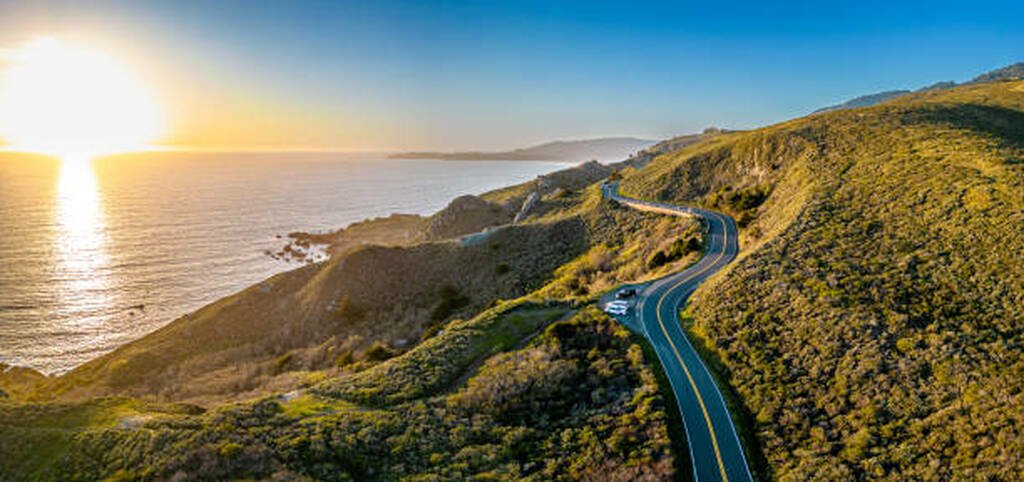
Day 3: Mendocino to Eureka via Fort Bragg & Avenue of the Giants
Mileage: 150 miles
Driving Time: 5-6 hours with stops
Accommodation: Eureka or Trinidad
This day transitions from coastal villages to the heart of redwood country. The drive showcases California’s diversity—rocky coastline, charming Victorian towns, and the world’s tallest trees.
Morning in Fort Bragg (10 miles north of Mendocino):
Glass Beach earned fame for smooth sea glass covering the shore—decades of ocean tumbling discarded bottles into colorful pebbles. Theft has reduced the glass significantly, but it’s still worth a 30-minute stop. The nearby Mendocino Coast Botanical Gardens ($18/adult) showcase coastal plantings and ocean views.
Highway 1 North:
Continue coastal driving through increasingly remote landscape. The road eventually turns inland, merging with Highway 101 near Leggett.
Avenue of the Giants (3.5 hours from Fort Bragg):
This is why you came to Northern California. The 31-mile scenic byway parallels Highway 101 through Humboldt Redwoods State Park, winding beneath old-growth coastal redwoods so massive they seem impossible. Trees reach 300+ feet tall, 20+ feet diameter, and have stood here for 1,000-2,000+ years.
Don’t try to see every grove—you’ll get “redwood fatigue.” Instead, stop at 2-3 key spots:
Founder’s Grove (near mile marker 20.5): Easy 0.5-mile loop trail through massive trees, interpretive signs explaining redwood ecology. Allow 45 minutes.
Rockefeller Forest: World’s largest contiguous old-growth redwood forest. The Big Tree area has some of the tallest, oldest specimens. Walk among trees that were saplings when Rome fell.
Immortal Tree: Survived lightning, fires, floods, and a logger’s ax. Quick roadside stop for photos.
Drive the entire 31 miles slowly, pulling over frequently at the dozens of groves and trails. You’ll see pickup trucks parked at seemingly random spots—these locals know secret groves. Follow their lead and explore.
Continue north on 101 to Eureka, arriving early evening. Alternatively, push 20 miles further to Trinidad for smaller, more charming base.
Where to Stay:
Eureka (larger town, more dining options):
- Carter House Inns ($250-450/night): Victorian elegance, wine reception
- Historic Eagle House ($150-280/night): Budget Victorian B&B
Trinidad (tiny coastal village, more scenic):
- Trinidad Bay B&B ($200-380/night): Ocean views, breakfast
- Emerald Forest Cabins ($180-320/night): Cabins in redwood grove
Dining:
Eureka: Restaurant 301 at Carter House ($120-180 for two), Lost Coast Brewery for casual pub food and craft beer ($50-80). Trinidad: Larrupin’ Cafe ($100-160, reserve ahead), The Lighthouse Grill for casual seafood ($60-90).
Day 4: Redwood National and State Parks
Mileage: 80-100 miles exploring
Driving Time: Full day of park exploration
Accommodation: Trinidad or Crescent City
Dedicate today to exploring Redwood National and State Parks—multiple parks preserving 45% of remaining old-growth redwood forest. This is nature at its most humbling scale.
Prairie Creek Redwoods State Park:
Fern Canyon (30 min from Trinidad): 1-mile canyon with 50-foot walls completely covered in ferns. Stream runs through canyon floor—wear waterproof shoes. This magical spot was featured in Jurassic Park 2. Allow 2-3 hours including drive on unpaved road.
Gold Bluffs Beach: Wild Pacific beach after Fern Canyon, where you can have stretches entirely to yourself. Roosevelt elk often graze near beach.
Cathedral Trees Trail: 1.3-mile easy loop through incredibly dense redwood grove.
Alternative Option—Tall Trees Grove:
If you have 4WD vehicle and reservation (free permit from visitor center, limited daily), this grove contains some of world’s tallest trees. The hike requires steep 1,300-foot elevation gain (4 hours round-trip) but rewards with pristine ancient forest.
Afternoon:
Drive to Lady Bird Johnson Grove (near Orick) for peaceful 1.5-mile loop through old-growth. Or continue to Redwood Creek Overlook for views of vast redwood valleys.
If you pushed on to Crescent City yesterday evening, today you can explore nearby Jedediah Smith Redwoods State Park—arguably the most spectacular of all redwood parks. The Stout Grove trail (0.5 miles) and Boy Scout Tree trail (2.8 miles) showcase magnificent trees.
Spend evening in Trinidad watching sunset at Moonstone Beach (local favorite) or in Crescent City at Battery Point Lighthouse (accessible at low tide).
Dining:
Pack picnic lunch from Eureka or Trinidad—park areas have minimal food options. Evening: Moonstone Grill in Trinidad ($80-130), Good Harvest Cafe in Crescent City ($50-80).
Day 5: Redwoods to Mendocino (Return South)
Mileage: 200 miles
Driving Time: 5-6 hours
Accommodation: Mendocino area
Today you’re retracing Highway 101 and coastal roads south, but the drive feels completely different in reverse. You’ll notice details missed on the northbound journey, and afternoon light transforms the landscape.
If you skipped Avenue of the Giants’ northern sections on Day 3, stop now at Shrine Drive-Thru Tree or Eternal Tree House for kitsch factor. More worthwhile: stop in Victorian town of Ferndale (45 min detour west from 101)—the entire downtown is National Historic Landmark with candy-colored Victorian homes and boutique shops.
Lost Coast Option (for adventurous):
If you have high-clearance vehicle and time, detour to Shelter Cove and the Lost Coast—California’s most remote coastline where mountains plunge directly into ocean, too rugged for Highway 1 construction. The 3-hour detour on steep, winding roads rewards with Black Sand Beach and complete solitude. Most travelers skip this—the drive is intense and time-consuming.
Return to Mendocino area by evening. If you stayed here Day 2, choose different accommodation tonight in nearby Little River or Albion for variety.
Where to Stay:
Little River Inn ($200-400/night): Historic 1930s inn with ocean views, golf course, and excellent restaurant. Harbor House Inn ($400-800/night): Luxury all-inclusive on dramatic cliffs.
Dining:
Little River Inn restaurant ($90-140), or return to Mendocino favorites.
Day 6: Mendocino to Napa Valley
Mileage: 140 miles
Driving Time: 3-4 hours
Accommodation: Napa or Sonoma
Leave the coast behind, driving inland through morning fog that burns off to reveal golden California hills. This transition from rugged coastline to manicured vineyard perfection showcases Northern California’s diversity.
Route:
Take Highway 128 east from Mendocino through Anderson Valley wine region. Stop at Boonville for breakfast at Lauren’s ($40-70 for two)—tiny town with farm-to-table excellence. The drive winds through redwood forests that open to vineyard valleys.
Continue to Napa Valley, arriving early afternoon. Check into hotel, then spend afternoon wine tasting.
Napa Wine Tasting Strategy:
Book 2-3 winery appointments for afternoon/evening (reserve 2-3 weeks ahead for premium wineries). Tastings cost $30-75 per person, often waived with purchase. Choose based on your wine preferences:
Cabernet Lovers: Stag’s Leap Wine Cellars, Caymus, Silver Oak (expensive)
Value + Quality: Frog’s Leap, Grgich Hills, Robert Mondavi (mid-range)
Views + Experience: Sterling Vineyards (aerial tramway), Castello di Amorosa (castle), Artesa
Downtown Napa offers walkable tasting rooms if you prefer casual approach—Cadet Wine Bar, Bounty Hunter, and a dozen others let you taste multiple producers without appointments or driving.
Evening: Dinner at outstanding Napa restaurant—Morimoto ($140-220 for two), La Toque ($120-180), or more casual Oenotri ($90-140 for pizza and pasta).
Where to Stay:
Luxury: Auberge du Soleil ($700-1,400/night) in Rutherford delivers Napa’s ultimate splurge—hillside views, Michelin-starred restaurant, world-class spa
Mid-Range: Carneros Resort ($400-800/night) offers cottages with fire pits, pool, excellent restaurant. Napa River Inn ($250-450/night) provides downtown walkability.
Budget: River Terrace Inn ($180-350/night), Inn on First Napa ($150-280/night)
Day 7: Napa Valley to San Francisco
Mileage: 50-70 miles
Timing: Based on departure flight
Final morning in Napa Valley. If departing afternoon/evening, enjoy morning wine tasting, visit Oxbow Public Market in downtown Napa for brunch and local products, or take hot air balloon ride ($250-300 per person, advance booking required).
If morning flight, drive directly to San Francisco (1-1.5 hours), return rental car at SFO, depart.
Budget Breakdown (Coastal Explorer, 7 Days, 2 People):
- Accommodations (6 nights): $1,200-2,400 ($200-400/night average)
- Car rental (7 days with insurance): $400-600
- Gas (~650 miles): $120-160
- Meals: $600-1,000 (mix of casual and nice dining)
- Activities: $200-400 (park entries, wine tastings, attractions)
- Parking: $50-100
TOTAL: $2,570-4,660 for two people
Budget by tier:
- Budget: $1,600-2,200 (camping/budget motels, picnics, free activities)
- Mid-Range: $2,200-3,200 (nice hotels, quality dining, wine tastings)
- Luxury: $3,200-4,500+ (upscale properties, Michelin dining, premium experiences)
Route #2: Complete Northern Loop (10 Days, 1,100 Miles)
Best For: Comprehensive explorers, outdoor enthusiasts, travelers with flexible time
This extended itinerary adds Lake Tahoe and more wine country to the coastal route, creating the ultimate Northern California experience.
Days 1-5: Follow Coastal Explorer route above (SF → Mendocino → Redwoods)
Day 6: Redwoods to Mount Shasta (200 miles, 3.5 hours)
Drive east through Trinity Alps mountains to Mount Shasta—14,179-foot volcanic peak dominating the landscape. Stop at Burney Falls (“the eighth wonder of the world” according to Teddy Roosevelt). Stay in Mount Shasta town, hike lower slopes, visit Lake Siskiyou.
Day 7: Mount Shasta to Lake Tahoe (250 miles, 4.5 hours)
Drive south through volcanic landscape, stopping at Lassen Volcanic National Park (hydrothermal features, hiking). Continue to Lake Tahoe’s north shore. Evening in Tahoe City.
Day 8: Lake Tahoe Exploration
Full day at Lake Tahoe—hiking (Emerald Bay), beaches (Sand Harbor), Tahoe Rim Trail, or winter skiing at Squaw Valley. The alpine lake’s clarity and surrounding peaks create California’s premier mountain playground.
Day 9: Tahoe to Napa Valley (180 miles, 3.5 hours)
Morning Tahoe, afternoon drive to wine country. Evening wine tasting and dinner in Napa or Sonoma.
Day 10: Napa to San Francisco (50 miles)
Morning wine country, return SF afternoon.
Budget: $2,400-4,800 (additional nights and activities)
Frequently Asked Questions
How many days do you need for Northern California road trip?
Minimum 7 days to see coastal highlights without feeling rushed. Ideal is 10-12 days to include both coast and Sierra Nevada (Lake Tahoe/Yosemite). With only 4-5 days, focus on single region rather than attempting entire Northern California. Quality over quantity creates better memories than exhausting rush.
What’s the best route for first-time Northern California visitors?
The Coastal Explorer (Route #1) delivers iconic Northern California—Golden Gate Bridge, Mendocino charm, towering redwoods, wine country. This route showcases the region’s diversity without mountain detours or impossible mileage. Start San Francisco, drive north along coast, loop through redwoods, return via wine country.
When is the best time for a Northern California road trip?
September-October ranks best—clear weather, fall colors, harvest season in wine country, fewer crowds, and 20-30% lower prices than summer. Second choice: May-June for wildflowers and comfortable temperatures. Avoid November-March due to rain and road closures unless you’re flexible or targeting Lake Tahoe skiing.
Can you visit Northern California on a budget?
Yes, by camping ($25-40/night vs $150+ for hotels), picnicking instead of restaurant meals, timing visit for shoulder season, and focusing on free activities (redwood hiking, coastal drives, beach time). Budget travelers can do 7 days for $1,200-1,800 total for two people. Wine country and Tahoe increase costs significantly.
Is 7 days enough to see Northern California?
Seven days allows solid exploration of coastal highlights plus either wine country OR Sierra Nevada mountains—not both. You’ll skip some regions but experience others properly. With only 5 days, choose between coast or mountains. With 10+ days, you can combine coast, wine country, and mountains without feeling rushed.
Do I need 4WD for Northern California road trip?
No, regular cars work fine for all major routes including Highway 1, Avenue of the Giants, wine country roads, and main Lake Tahoe/Yosemite access. 4WD only necessary for backcountry exploration (Lost Coast, unpaved redwood groves) or winter mountain driving. Rent sedan to save money—you don’t need SUV.
What’s the most scenic drive in Northern California?
Avenue of the Giants through Humboldt Redwoods delivers the most dramatic scenery—31 miles winding beneath ancient redwoods up to 300 feet tall. Highway 1 from Mendocino north provides spectacular coastline. Highway 89 around Lake Tahoe showcases alpine beauty. Each region offers different but equally stunning drives.
How much does Northern California road trip cost?
Budget $1,600-3,200 for two people for 7-day Coastal Explorer route, or $2,400-4,800 for 10-day Complete Loop. Solo travelers pay roughly 60-70% of couple costs. Budget tier uses camping and picnics, mid-range stays in nice hotels with restaurant meals, luxury splurges on upscale properties and fine dining.
Can you do Northern California with kids?
Absolutely. The coastal route works well—beaches entertain kids, redwood groves amaze all ages, drives are manageable (3-4 hours between stops), and activities like tide pooling and exploring forests appeal to children. Skip extensive wine tastings, add more beach time, and build in extra stops. Consider 2-night stays to reduce packing/unpacking.
What should I pack for Northern California road trip?
Layers are essential—temperatures swing 20-30°F daily. Pack: light jacket, fleece or sweater, t-shirts, long pants and shorts, comfortable walking shoes, hiking boots, rain jacket (even in summer), sunscreen, hat, reusable water bottles, day pack, phone charger and car adapter. Skip formal clothes—Northern California dress code is perpetually casual.
Key Takeaways: Planning Your Northern California Adventure
Northern California rewards travelers who choose regional focus over attempting everything, who accept that seven days means selecting between coast or mountains rather than cramming both, and who prioritize experiences over checklists. The region’s diversity—rugged Pacific coastline, ancient redwood forests, world-class wine regions, alpine lakes, volcanic peaks—creates unlimited possibilities but demands strategic planning.
Success requires booking accommodations 6-8 weeks ahead for popular destinations like Mendocino and Napa, accepting that weather affects coastal visibility and mountain accessibility, and building flexibility for spontaneous discoveries. The routes above provide structure while allowing adaptation based on interests, weather, and unexpected finds.
Your Northern California road trip should reflect your genuine preferences rather than Instagram highlights. Beach people should prioritize the coast. Wine enthusiasts belong in Napa and Sonoma. Outdoor adventurers need Sierra Nevada time. Nature lovers require multiple days among redwoods. Start by identifying what excites you most, then build your route around those priorities.
Most importantly: slow down. Northern California tempts constant movement—another viewpoint, another winery, another hiking trail—but the magic often happens when you linger. That morning spent watching fog lift in the redwoods, the afternoon extended because the coastal sunset was too perfect to leave, the dinner that became a three-hour conversation with locals who recommended tomorrow’s secret beach—these unrushed moments create the memories that last decades.
The coastal highway will still be there next trip. The mountains aren’t disappearing. Give yourself permission to see less but experience more. That approach transforms good trips into extraordinary ones. Northern California has waited millions of years to create these landscapes—you can take your time enjoying them.
