
I’m standing at Tunnel View at 6:47 AM on a May morning, watching the sun hit Half Dome’s granite face while Bridalveil Fall cascades in the distance and not another person in sight. After visiting Yosemite seventeen times across every month of the year—from packed July weekends when I waited 90 minutes just to enter the park, to snowy February mornings when I had entire trails to myself, to a perfect September afternoon when the aspens turned golden and temperatures hit 72°F—I’ve learned that “when to visit Yosemite” isn’t a simple question with one answer. It’s the single most important decision that determines whether you’ll experience Yosemite as a magical wilderness escape or an overcrowded parking lot nightmare.
Most Yosemite timing guides give generic advice—”visit in spring for waterfalls” or “avoid summer crowds”—without explaining the nuances that actually matter. They don’t tell you that mid-May offers spectacular waterfalls with a fraction of June’s crowds, or that early September provides the best weather of the entire year with dramatically fewer visitors than August. They certainly don’t explain Yosemite’s confusing 2025-2026 reservation system, which requires advance bookings for summer entry but not winter access, or the reality that Tioga Road’s closure eliminates half the park for seven months annually.
After nearly a decade exploring Yosemite through all seasons—hiking in 95°F July heat, snowshoeing through January powder, watching the firefall phenomenon in February, and discovering that the “secret” best month is actually late September—I’ve compiled everything you need to know to time your Yosemite visit perfectly. This complete guide breaks down every month with specific weather data, crowd levels, waterfall conditions, road accessibility, costs, and the honest trade-offs between seasons so you can choose based on what actually matters to you rather than generic recommendations.
Quick Reference: Yosemite by Month
| Month | Weather | Waterfalls | Crowds | Roads Open | Best For | Avoid If |
|---|---|---|---|---|---|---|
| January | 28-46°F, Snow | Low flow | Minimal | Valley only | Solitude, winter sports | You need full park access |
| February | 30-51°F, Snow | Low-Medium | Low | Valley only | Firefall, skiing | Hate cold/snow |
| March | 33-56°F, Rain/Snow | Medium | Low-Medium | Valley only | Spring awakening | Need Tioga/Glacier Point |
| April | 37-63°F, Occasional rain | High | Medium | Valley + starting to open | Wildflowers, waterfalls | Peak waterfall crowds |
| May | 43-71°F, Rare rain | Peak flow | Medium-High | Most open late May | BEST OVERALL | Reservation hassles |
| June | 50-80°F, Minimal rain | High | High | All open | Everything accessible | Crowds, reservation system |
| July | 57-88°F, Rare rain | Medium | Peak crowds | All open | Guaranteed weather | Crowds, heat, high prices |
| August | 56-88°F, Minimal rain | Low-Medium | Peak crowds | All open | Summer camping | Crowds, dusty trails, prices |
| September | 49-80°F, Rare rain | Low | Medium | All open | BEST WEATHER | Fewer waterfalls |
| October | 39-69°F, Occasional rain | Minimal | Low-Medium | Starts closing | Fall colors, fewer crowds | Roads closing mid-month |
| November | 32-56°F, Rain/Snow | Minimal | Minimal | Valley only | Solitude, low prices | Limited access, cold |
| December | 28-47°F, Snow | Minimal | Minimal | Valley only | Winter wonderland, holidays | Cold, limited park access |
Temperature ranges for Yosemite Valley (4,000 ft elevation). Higher elevations are 10-20°F cooler.
Understanding Yosemite’s Seasonal Reality
Before diving into month-by-month details, let’s establish the fundamental truth that ruins more Yosemite trips than anything else: Yosemite essentially operates as two completely different parks depending on season.
Summer Yosemite (late May through October) provides full access—Tioga Road connects the valley to Tuolumne Meadows and eastern Sierra, Glacier Point Road delivers the park’s most spectacular overlook, all trails are snow-free and hikeable, and every service operates. This is the park everyone imagines.
Winter Yosemite (November through April/May) sees Tioga Road and Glacier Point Road closed by snow, eliminating access to roughly half the park including all high country. You’re limited mainly to Yosemite Valley and the Wawona area. Many consider this limitation a dealbreaker. Others (myself included, on certain trips) find the valley’s winter solitude and snowy beauty worth the trade-off.
The transition between these two Yosemites happens unpredictably. Tioga Road typically opens in late May or early June depending on snowpack, but I’ve seen it open as early as mid-May and as late as early July. Glacier Point Road usually opens mid-May to late May. Both close with first major snow, typically November but sometimes as early as October or as late as December.
This seasonal split explains why May and September emerge as the “best” months—they provide nearly full park access (late May especially) with significantly fewer crowds and better prices than peak summer.
The Reservation System Reality (2025-2026)
In 2025, Yosemite implemented a peak-hours reservation system that continues into 2026, adding complexity to summer visits. Here’s what you absolutely must know:
When Reservations Are Required (Summer 2025, likely similar 2026):
- Memorial Day weekend (late May)
- June 15 through August 15 (every day)
- Labor Day weekend (early September)
- Time window: 6 AM to 2 PM entry only
Key Details:
- Reservations cost $2 (plus $35 park entrance fee)
- Valid for 3 consecutive days
- Released on Recreation.gov (opens May 6, 2025 at 8 AM PDT for summer dates)
- Additional reservations released 7 days before arrival date
- Sell out within minutes of release
Who Doesn’t Need Reservations:
- Anyone with overnight lodging/camping inside the park
- Entering before 6 AM or after 2 PM
- YARTS bus passengers
- Authorized tour groups
- Hetch Hetchy entrance (separate area, no reservation ever required)
My Take After Experiencing This System: It’s annoying but manageable. Set an alarm for 8 AM PDT on release date, have your Recreation.gov account ready, and book immediately. If you miss the initial release, try the 7-day-advance window. Or simply arrive after 2 PM—yes, you lose some daylight, but you avoid the hassle entirely. I successfully visited July 2025 by arriving at 2:30 PM, exploring until sunset, camping overnight, then having full next-day access.
The reservation system exists because summer crowds became genuinely unsafe—3-hour entrance wait times, parking lots overflowing onto roads, and environmental damage from too many visitors. It’s frustrating, but the alternative (unlimited summer entry) was worse.
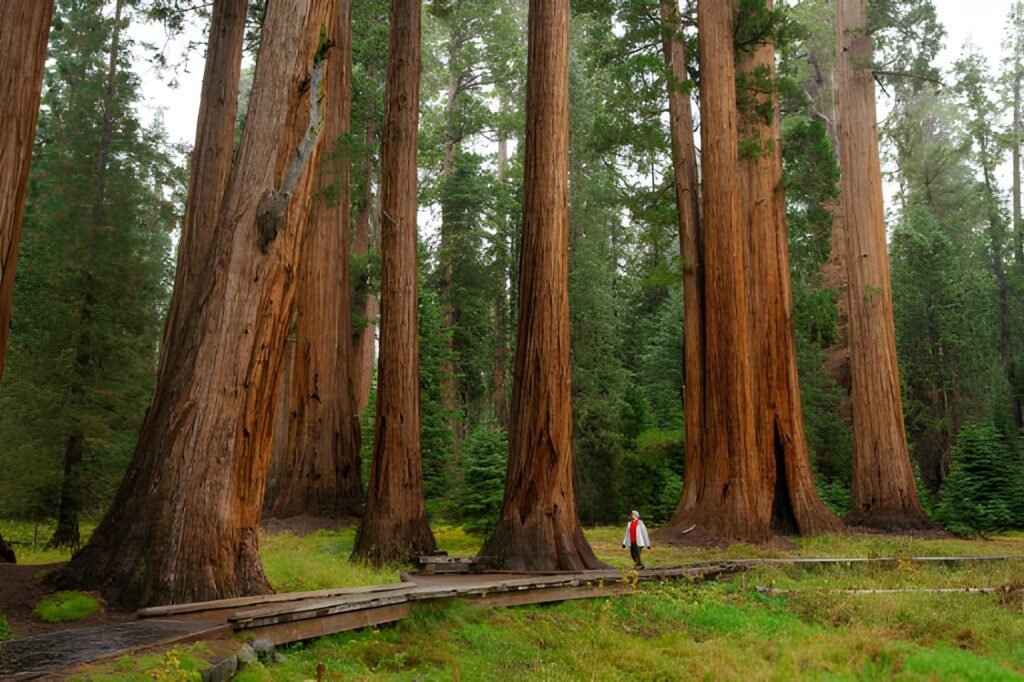
Best Overall Time to Visit Yosemite: My Top 3 Choices
After visiting every month multiple times, here are my top three timing recommendations based on different priorities:
#1: Late September (September 15-30)
Why it’s perfect: You get arguably Yosemite’s best weather—warm days (75-80°F), cool nights (45-50°F), almost zero chance of rain, and crystal-clear skies perfect for photography. The aspen groves turn golden, creating contrast against evergreen forests and granite cliffs. Crowds thin dramatically after Labor Day weekend—I’ve had major trails nearly to myself. No reservation system hassles (ends after Labor Day). Hotel prices drop 30-40% from peak summer. All roads and trails remain open, though check Tioga Road status as it sometimes closes mid-to-late September in heavy snow years.
The trade-off: Waterfalls run minimally or not at all after the dry summer. If dramatic waterfalls are your primary goal, September disappoints. But if you prioritize gorgeous weather, hiking without crowds, accessible trails, and comfortable temperatures, late September is unbeatable.
Real experience: I visited September 20-22, 2023 and hiked Half Dome with maybe 50 other people total (vs. 300+ in July). The weather hit 78°F with not a cloud in sight. Half Dome’s cables were still up, Tioga Road was open, and I paid $220/night for a Yosemite Valley room that costs $400+ in July. It was perfect.
#2: Late May (May 20-31)
Why it’s excellent: This is when Yosemite delivers its “greatest hits” combination—waterfalls at or near peak flow (snowmelt surging), wildflowers blooming throughout the valley, comfortable temperatures (60s-70s), and most importantly, Tioga Road usually opens late May, providing full park access before summer crowds arrive. Crowd levels remain moderate—significantly less than summer but more than shoulder seasons. Hotel availability and prices are reasonable if booked 8-12 weeks ahead.
The trade-off: The 2025-2026 reservation system now includes Memorial Day weekend (late May), adding booking complexity. You’ll need to secure that $2 reservation or plan arrival after 2 PM. Weather can occasionally surprise with late-season storms, and Tioga Road opening is never guaranteed—call ahead to confirm status. Nights stay cool (40s), so pack layers.
Real experience: May 24-26, 2024 I visited specifically for peak waterfall season. Yosemite Falls was thundering, Nevada Fall soaked me from 100 feet away, and every creek was raging. Tioga Road had just opened two days prior. I needed the reservation system but got one in the 7-day advance window. Crowd levels felt manageable except right at Yosemite Falls viewpoint. Totally worth the slight hassle.
#3: Early October (October 1-15)
Why it works: October delivers the sweet spot between September’s lack of water and November’s cold—you get moderate temperatures (60s-70s), beautiful fall colors, minimal crowds (families back in school), no reservation system, and often Tioga Road remains open early October (though confirm before going). Prices drop further than September. The park feels peaceful without feeling abandoned. Morning mist in the valley creates magical photo opportunities.
The trade-off: Tioga Road and Glacier Point Road close mid-October in most years (exact date depends on snowfall—sometimes as early as October 10, sometimes as late as November). If your trip depends on these roads, October is risky. Weather becomes less predictable—mostly gorgeous but occasional cold snaps or rainstorms possible. Waterfalls run minimally.
Real experience: I spent October 8-10, 2022 in Yosemite and lucked into perfect weather—sunny, 68°F days, and Tioga Road still open. The aspens near Tenaya Lake were spectacular gold. Crowd levels were so low I got Valley parking easily at 11 AM (impossible in summer). Then Tioga Road closed October 15 that year, so I barely made it.
Month-by-Month Detailed Breakdown
January: Winter Solitude (If You Don’t Mind Cold and Limited Access)
Weather: 28-46°F days, 20s at night. Snow covers valley floor and blankets entire park. Expect 5-7 inches of precipitation (mostly snow).
What’s Open: Yosemite Valley only. Tioga Road and Glacier Point Road closed. Badger Pass Ski Area operates December-March for skiing, snowboarding, tubing, and snowshoeing. The Ahwahnee and Yosemite Valley Lodge stay open. Most other lodging closes.
Crowds: This is Yosemite’s quietest month—roughly 150,000 visitors vs. 750,000+ in July. You’ll often have trails completely to yourself. No reservation system, no entrance waits, no parking struggles.
Waterfalls: Minimal flow unless there’s been recent rain/snow. Don’t visit January specifically for waterfalls—you’ll be disappointed.
Why Visit: If you love winter sports, solitude, and snowy landscapes, January delivers magical Yosemite at the lowest prices of the year (hotels 50-60% cheaper than summer). You can snowshoe or cross-country ski on snow-covered trails, enjoy the Valley’s winter beauty, and experience the park without crowds. The granite cliffs against fresh snow create stunning photographic contrasts.
Why Skip: If you need full park access (Tioga Road, Glacier Point, Tuolumne Meadows), hate cold weather, or want dramatic waterfalls, January doesn’t work. Driving can be challenging if you’re not experienced with snow/ice.
Insider Tip: MLK Day weekend (mid-January) brings slightly bigger crowds but still feels empty compared to summer. Book The Ahwahnee for their January-only deals—rates around $300-400/night vs. $600-800 in summer.
Best Activities: Snowshoeing in the valley, skiing/boarding at Badger Pass, photography of snow-covered landscapes, relaxing by The Ahwahnee fireplace, ice skating at Curry Village.
February: The Firefall Month (Worth It If You Time It Right)
Weather: 30-51°F days, still cold nights. Snow continues with 5-6 inches precipitation. Slightly warmer than January but still winter conditions.
What’s Open: Same as January—Valley area only, Badger Pass skiing, limited lodging.
Crowds: Second-quietest month except during the Firefall event (last two weeks of February) when crowds spike at sunset viewing locations.
Waterfalls: Generally low flow, but Horsetail Fall becomes the star.
The Firefall Phenomenon: In late February, if conditions align perfectly (recent snowmelt/rain creates Horsetail Fall flow, clear skies at sunset, and you’re viewing from the right angle in the valley), the setting sun lights Horsetail Fall making it glow like flowing lava for about 10 minutes. This natural phenomenon draws thousands of photographers and requires parking reservations during Firefall dates (typically Feb 15-25, check NPS website for specific 2026 dates).
Why Visit: If you specifically want to witness the Firefall (truly spectacular when conditions cooperate), February is your only option. Winter sports remain excellent. Prices stay low and crowds stay minimal except during Firefall weekends.
Why Skip: The Firefall only happens if multiple conditions align—many visitors arrive to find Horsetail dry, skies cloudy, or viewing locations too crowded to get photos. It’s a gamble. Also, same winter access limitations as January.
Insider Tip: If chasing the Firefall, arrive mid-week (Tuesday-Thursday) when crowds are smaller. The phenomenon lasts 10-20 minutes starting around 5:30 PM. Scout viewing locations (Northside Drive between Yosemite Chapel and El Capitan crossover is best) in early afternoon to claim spots.
Best Activities: Firefall viewing (if timing visit around it), winter sports, solitude hiking, photography.
March: Spring Awakening (For Patient Visitors)
Weather: 33-56°F with mix of rain, snow, and occasional sunny days. Highly variable—you might get 65°F sunshine or 35°F snow. Pack for everything.
What’s Open: Still mostly Valley only. Tioga and Glacier Point roads remain closed. Mariposa Grove (giant sequoias) usually reopens mid-March. Some higher trails start becoming accessible as snow melts at lower elevations.
Crowds: Low to medium. Spring break (mid-March) brings families, but crowds stay manageable compared to summer.
Waterfalls: Flow increasing as snowmelt begins. Not yet peak, but significantly better than winter. Expect good waterfall conditions by late March.
Why Visit: March offers transition from winter solitude toward spring beauty. You’ll see the park awakening—creeks start flowing, wildflowers begin blooming in lower elevations, temperatures moderate, and you still avoid summer crowds. Prices remain relatively low. This is excellent timing if you’re flexible about weather and don’t need Tioga Road access.
Why Skip: March is unpredictable. You might get perfect spring weather or get snowed on. Road access remains limited. If you need guaranteed good weather and full park access, wait until May.
Insider Tip: Late March (after spring break, before April crowds) offers the best balance—improving weather, increasing waterfall flow, low crowds, and the start of wildflower season.
Best Activities: Valley hiking as trails dry out, waterfall viewing (improving), Mariposa Grove giant sequoias (reopens mid-month), photography of spring awakening.
April: Wildflower Season (With Some Caveats)
Weather: 37-63°F, mostly rain with occasional snow at higher elevations. April is Yosemite’s wettest month after December—expect 4-5 inches precipitation. But between storms, you’ll get gorgeous spring days.
What’s Open: Valley area, Wawona, Mariposa Grove. Glacier Point Road typically opens late April (exact date varies yearly). Tioga Road stays closed until May or June.
Crowds: Medium. Families visit during spring break, and wildflower seekers arrive. Weekdays remain relatively quiet.
Waterfalls: High flow as snowmelt accelerates. This is when waterfalls like Yosemite Falls, Vernal Fall, and Nevada Fall truly roar. Not quite peak (that’s May) but spectacular.
Wildflowers: Lower elevations (valley floor, Wawona) explode with wildflowers—lupine, poppies, Indian paintbrush. Higher elevations remain snow-covered, so wildflower displays concentrate in accessible areas.
Why Visit: If wildflowers are your priority, April delivers. Combine this with increasing waterfall flow, moderate crowds, and improving weather for an excellent spring visit. Prices stay reasonable. The park feels alive after winter dormancy.
Why Skip: You’ll still lack Tioga Road access (limits park to roughly half). Weather remains unpredictable with frequent rainstorms. Trails at higher elevations remain snowy and inaccessible.
Insider Tip: Mid-to-late April (after Easter) offers better weather odds and smaller crowds than early April. Check Glacier Point Road opening status—if it’s open, you get spectacular overlook access before summer crowds.
Best Activities: Wildflower photography, waterfall viewing, valley hiking, Mariposa Grove, Glacier Point if road is open.
May: Peak Waterfalls Meet Opening Roads (My #1 Overall Month)
Weather: 43-71°F with minimal rain (under 2 inches for the month). Late May especially brings gorgeous spring days—sunny, warm afternoons, cool comfortable hiking temperatures.
What’s Open: Everything starts opening. Tioga Road typically opens between May 20-31 depending on snowpack (call ahead to confirm). Glacier Point Road usually opens mid-May. By month’s end, you have full park access.
Crowds: Medium to high, especially Memorial Day weekend. Weekdays remain manageable. Reservation system begins Memorial Day weekend 2025 (likely similar 2026).
Waterfalls: Absolute peak flow. Snowmelt surges from higher elevations, creating thundering waterfalls. Yosemite Falls reaches maximum volume, Bridalveil cascades dramatically, Vernal and Nevada Falls drench the Mist Trail with spray. This is THE month for waterfall enthusiasts.
Why Visit May: You get the trifecta—peak waterfalls, mostly open roads providing full park access, and beautiful spring weather. Wildflowers bloom at all elevations as the snowline retreats. Crowds stay moderate compared to summer. This is when Yosemite delivers everything visitors want without peak-season downsides.
Why Skip: Memorial Day weekend brings significant crowds and now requires reservations. If you can’t handle reservation system or arrive after 2 PM, avoid that specific weekend. Also, late May isn’t guaranteed for Tioga Road opening—some years it opens early June. Always check before going if Tuolumne Meadows is essential to your plans.
Personal Recommendation: Target May 15-25 if possible—after Mother’s Day, before Memorial Day crowds. You’ll likely catch Tioga Road opening, waterfalls at peak, and avoid the reservation hassle.
Best Activities: Everything—waterfalls, hiking (all difficulty levels), Tioga Road scenic drive, Tuolumne Meadows, Glacier Point, photography, wildflowers.
June: Everything’s Open But Crowds Arrive
Weather: 50-80°F, nearly perfect. Sunny, warm days with almost no rain (under 1 inch for month). Nights cool down to comfortable sleeping temperatures.
What’s Open: Full park access—Tioga Road, Glacier Point, Tuolumne Meadows, all trails, all services.
Crowds: High. Summer vacation begins, and families flock to Yosemite. Expect full parking lots, traffic jams, booked-up campgrounds, and the reservation system in effect from June 15 onward.
Waterfalls: Still high flow early June, moderate by month’s end. The peak passes around mid-June as snowmelt slows.
Why Visit: If you need guaranteed full park access with reliable weather, June delivers. All trails are hikeable (no snow), all areas are accessible, and services operate at full capacity. For first-time visitors or families wanting the “complete Yosemite experience,” June works despite crowds.
Why Skip: The crowds and reservation hassle. June 15-August 15 requires that annoying 6 AM-2 PM entry reservation. Prices spike—hotels charge peak rates, campgrounds book months ahead. If you can possibly visit May or September instead, you’ll get 80% of June’s benefits with 40% of the crowds.
Strategy If You Visit: Book lodging 3-4 months ahead minimum. Secure your entry reservation the moment they’re released (8 AM PDT release date). Plan hikes for early morning or late afternoon when day-use crowds thin. Consider staying in towns outside the park (Mariposa, El Portal, Groveland) where availability and prices improve.
Best Activities: Same as May—everything is accessible and weather cooperates for any activity.
July: Peak Crowds, Peak Heat, Peak Prices (But Guaranteed Everything’s Open)
Weather: 57-88°F, hot afternoons in the valley (often 90°F+), but higher elevations like Tuolumne Meadows stay comfortable (70s). Almost zero rain. Nights remain pleasant (upper 50s).
What’s Open: Everything, all services at maximum capacity.
Crowds: Absolute peak season. July brings the year’s highest visitation. Expect 1-2 hour entrance waits even with reservations, parking lots full by 9 AM, popular trails packed, and every campsite and hotel room booked months ahead.
Waterfalls: Moderate to low flow. Only waterfalls fed by permanent streams (Yosemite Falls, Vernal, Nevada) maintain decent flow. Many seasonal falls dry up completely. By late July, even famous waterfalls reduce to trickles.
Why Visit: Only visit July if you have no other choice (work constraints, family schedules). The benefits: guaranteed perfect weather, everything open, and maximum daylight hours (sunset around 8:30 PM). If you’re camping and don’t mind crowds, the extended daylight allows long hiking days.
Why Skip: The heat, crowds, and prices. Valley temperatures regularly hit 90-95°F, making midday hiking miserable. You’ll battle crowds everywhere—Glacier Point overlook, Half Dome permits (lottery system), popular trails. Hotels charge absolute peak rates ($400-600/night for rooms that cost $150 in winter). The reservation system remains in effect through August 15.
How to Cope If You Must Visit July: Book lodging 6+ months ahead. Get your entry reservation immediately when released. Hike early morning (start 6-7 AM) to avoid heat and crowds. Spend afternoons swimming in the Merced River or at Tenaya Lake. Focus on higher elevations where temperatures stay moderate—Tuolumne Meadows is 20°F cooler than the valley. Visit Hetch Hetchy (no reservation required, far fewer crowds). Accept that you’re visiting during peak time and adjust expectations.
Best Activities: Swimming, Tuolumne Meadows hiking, Tioga Road driving, higher elevation trails, evening activities after heat subsides.
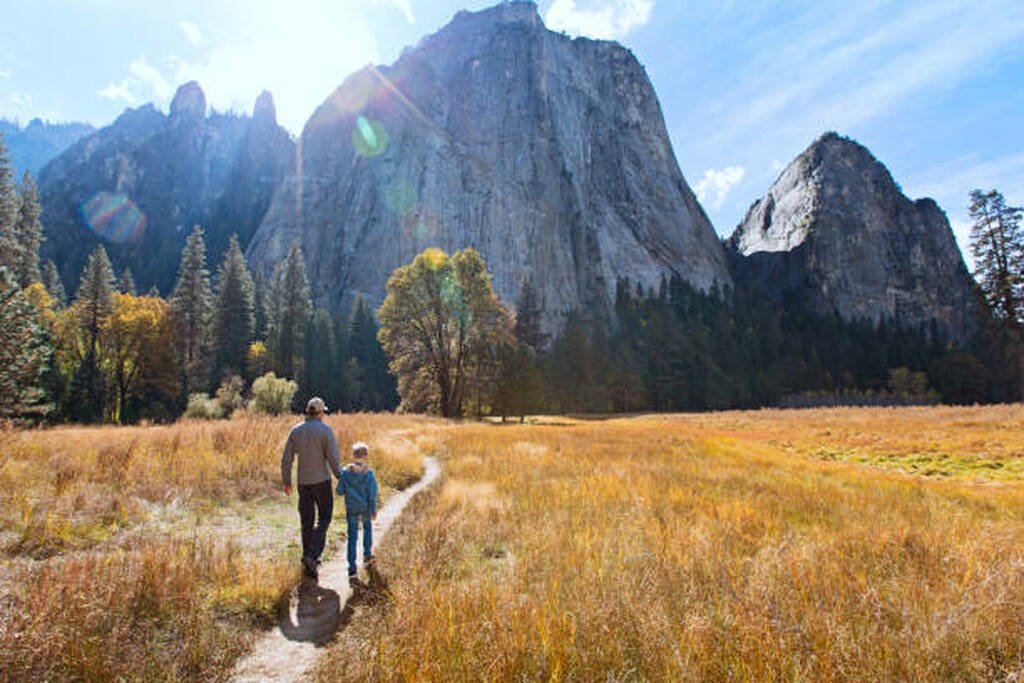
August: Similar to July (All the Same Issues)
Weather: 56-88°F, nearly identical to July. Hot valley, comfortable higher elevations, zero rain, ideal camping weather at elevation.
What’s Open: Everything until mid-August. Reservation system ends August 16, 2025 (likely similar 2026).
Crowds: Peak through Labor Day weekend. August rivals July for highest visitation numbers.
Waterfalls: Low flow. Many waterfalls dry up entirely by August. Don’t visit August expecting spectacular falls—you’ll be disappointed. Yosemite Falls often reduces to trickle or stops flowing completely.
Why Visit: Same reasons as July—guaranteed weather and access, plus the reservation system ends mid-August providing slightly easier entry. Late August (after August 20) crowds begin diminishing as schools start.
Why Skip: All the July downsides apply—heat, crowds, high prices, minimal waterfalls, dusty trails. By August, the park shows summer wear—vegetation is brown, dust coats everything, rivers run low.
The One August Advantage: Late August (August 20-31) offers a transition period—weather stays excellent, everything remains open, but crowds start thinning and prices begin dropping as families return home for school. If forced to visit summer, target late August over July or early August.
Best Activities: Same as July—focus on higher elevations, swimming, evening activities.
September: The Secret Best Month (Especially After Labor Day)
Weather: 49-80°F, absolutely perfect. Warm sunny days, cool comfortable nights, almost zero rain. September rivals May for best weather but with even less chance of storms.
What’s Open: Everything through month’s end in most years. Tioga Road occasionally closes mid-to-late September in heavy snow years, but usually stays open until October.
Crowds: Medium first week (Labor Day weekend requires reservation), then drops dramatically after Labor Day. By September 10, crowds thin to spring levels. No reservation system after September 1.
Waterfalls: Low to minimal. Accept this trade-off for the amazing weather and lack of crowds.
Why Visit September: This is my #1 recommended month if waterfalls aren’t your priority. You get peak summer weather without summer crowds, reasonable prices, no reservation hassles, and full park access. The aspens in Tuolumne Meadows and along Tioga Road turn golden, creating stunning fall color. Hiking conditions are perfect—trails are dry, temperatures ideal, and you’ll often have popular trails nearly to yourself.
Why Skip: Waterfalls. If seeing Yosemite Falls, Vernal, and Nevada in full glory is your primary goal, September disappoints. But if you prioritize hiking, photography, solitude, and perfect weather, nothing beats September.
Early vs. Late September: Early September (September 1-10) still sees decent crowds and higher prices from Labor Day weekend overflow. Late September (September 15-30) delivers peak perfection—nobody’s there, weather is gorgeous, everything’s open. Target September 15 or later if possible.
Best Activities: Hiking (all trails, all day), photography (golden hour light is spectacular), climbing (granite is dry and warm), Tuolumne Meadows, fall color viewing, backcountry backpacking.
October: Fall Colors and Increasing Closure Risk
Weather: 39-69°F, still pleasant but noticeably cooler than September. Mornings can be 30s-40s. Occasional rainstorms begin arriving.
What’s Open: Full access early October, then Tioga Road and Glacier Point Road close mid-month (exact date varies—sometime October 10-31). Once these close, you’re limited to Valley access.
Crowds: Low to medium. Columbus Day weekend (early October) brings a bump, but weekdays are quiet. After mid-October, crowds drop to winter levels.
Waterfalls: Minimal flow unless recent rain temporarily increases them.
Fall Colors: Peak fall color typically hits October 10-25. Valley floor cottonwoods and willows turn yellow. Aspens along Tioga Road (if still open) and in Tuolumne glow gold. Black oaks add orange to the mix.
Why Visit: For fall color and solitude. October delivers beautiful autumn scenery with dramatically fewer crowds than summer or spring. Prices drop significantly (30-50% below peak summer). Weather is generally still good, though less predictable than September.
Why Skip: The road closure risk. If your trip depends on Tioga Road or Glacier Point, October is a gamble. Also, waterfalls barely flow and weather becomes less reliable.
Strategy: Book accommodations with flexible cancellation. Check Tioga Road status before driving if that’s essential. Target early-to-mid October for best odds of open roads. Expect that roads might close during your visit and have backup plans.
Best Activities: Fall color photography, hiking in comfortable cool temperatures, valley exploration, last chance for Glacier Point before winter closure.
November: Transition to Winter (For Budget-Conscious Visitors)
Weather: 32-56°F, cold and rainy. Expect 4-5 inches precipitation (rain in valley, snow at elevation). Some sunny days between storms.
What’s Open: Valley area only. Tioga and Glacier Point closed for winter. Some lodging closes for season. Reduced services.
Crowds: Minimal. Thanksgiving week brings a small bump, but overall November is very quiet.
Waterfalls: Minimal unless rain increases flow temporarily.
Why Visit: For solitude and the cheapest prices of the year. November hotel rates drop 50-60% below summer. You can often get last-minute lodging deals. If you don’t mind cold weather and limited access, November offers peaceful Yosemite exploration without crowds.
Why Skip: Limited park access, cold rainy weather, minimal waterfalls, short daylight hours (sunset around 5 PM). Many attractions and services close for winter.
Thanksgiving in Yosemite: The Ahwahnee Hotel hosts the famous Bracebridge Dinner (historic holiday feast and pageant) around Thanksgiving, though tickets book out nearly a year ahead. Regular Thanksgiving dinner is served in all open park restaurants. Visiting Yosemite for Thanksgiving offers a unique holiday celebration, though weather can be challenging.
Best Activities: Quiet valley hiking, photography in moody weather, relaxing by lodge fireplaces, preparing for upcoming snow season.
December: Winter Wonderland (If You Want Snow and Solitude)
Weather: 28-47°F, snow and cold. December is Yosemite’s second-wettest month with 6-7 inches precipitation (mostly snow). Valley gets 5-10 inches snow accumulation, more at higher elevations.
What’s Open: Valley only. Badger Pass Ski Area opens mid-December (typically around December 15) for winter sports. Holiday week (Christmas-New Year) sees increased services.
Crowds: Minimal except Christmas week and New Year’s Eve when crowds surge. Book well ahead for holiday week.
Waterfalls: Low flow unless recent storms temporarily increase them. Winter storms can sometimes create impressive temporary flow.
Why Visit: For winter beauty and holiday celebration. Fresh snow transforms Yosemite into a winter wonderland. Skiing, snowboarding, snowshoeing, and tubing are available at Badger Pass. The Valley decorated for holidays creates festive atmosphere. The Ahwahnee hotel goes all-out with decorations and the legendary Bracebridge Dinner.
Why Skip: Cold weather, limited access, challenges driving in snow/ice, and very short days (sunset around 4:45 PM). If you’re not a winter activities person, December offers little.
Christmas/New Year’s: These are the busiest winter periods. The Ahwahnee books nearly a year ahead for holiday weeks. Day-use parking fills quickly. Prices spike to near-summer rates. If visiting for holidays, book accommodations 6-9 months ahead and expect crowds.
Best Activities: Winter sports (Badger Pass), snowshoeing in valley, holiday celebrations, photography of snow-covered granite, ice skating at Curry Village.
Special Considerations for Planning Your Timing
Waterfall Timing Reality
Peak Waterfall Season: Late April through early June is when Yosemite’s waterfalls flow at maximum volume. May typically offers peak conditions.
Flow Timeline by Waterfall:
- Yosemite Falls: Peaks May, high flow through June, moderate July-August, slows September, trickle or dry October-April
- Vernal & Nevada Falls: Fed by permanent streams, so they flow year-round but peak April-June
- Bridalveil Fall: Flows year-round with peak spring flow
- Ribbon Fall: Seasonal, only flows spring, typically dry by June
- Horsetail Fall: Only flows winter/spring, becomes famous in February for firefall phenomenon
If seeing spectacular waterfalls is non-negotiable, visit late April through May. If waterfalls are nice-to-have but not essential, September’s perfect weather and lack of crowds outweigh the minimal waterfall flow.
Half Dome Permit Considerations
If summiting Half Dome via the cables route is on your list, timing affects permit availability and hiking conditions:
Cables Season: Typically late May through mid-October (exact dates vary by snowpack and NPS decisions). Outside this period, cables are down and the route becomes technical climbing only.
Permit System: Daily lottery system limits hikers to 300 per day (225 day hikers, 75 backpackers). Applications open March 1 for May-September dates. Success rate roughly 15-20%.
Best Months for Half Dome:
- September: Cables still up, fewer hikers (still need permit but trail less crowded), perfect weather, no thunderstorm risk
- May/June: Cables just installed, snow may remain on approach, higher permit demand
- July/August: Hot exposed trail, afternoon thunderstorm risk, maximum permit competition
Crowd Avoidance Strategies by Month
Even during peak months, you can minimize crowd impact:
Summer (June-August):
- Enter park before 6 AM or after 6 PM when day-users leave
- Hike major trails before 8 AM or after 4 PM
- Visit Hetch Hetchy (no reservation, 90% fewer people)
- Focus on Tuolumne Meadows and Tioga Road areas (crowds concentrate in valley)
- Choose weekdays over weekends
Spring/Fall Shoulder Seasons:
- Avoid holiday weekends (Memorial Day, Labor Day, Columbus Day)
- Visit Tuesday-Thursday for minimum crowds
- Late May and late September specifically offer best crowd-to-weather ratios
Winter:
- Crowds are minimal except Christmas week, New Year’s, and MLK Day weekend
Budget Timing: When Prices Drop
Yosemite lodging and nearby town hotel rates fluctuate dramatically by season:
Most Expensive: July-August, Christmas week, Memorial Day, Labor Day weekends
Mid-Range: May-June, September-October
Cheapest: November-April (except holidays)
Example: Yosemite Valley Lodge room costs approximately:
- $450-550/night in July
- $350-450 in May or September
- $200-280 in January
Camping rates stay consistent ($26-36/night depending on campground) but availability follows same patterns—impossible to get summer sites without booking exactly when reservations open (5 months ahead), while winter sites are often available week-of.
Weather Patterns You Should Know
June Gloom Myth: Unlike coastal California, Yosemite rarely experiences June fog. The term doesn’t apply here—June is actually one of the clearest months.
Afternoon Thunderstorms: July-August can bring sudden afternoon thunderstorms, especially in high country. Start summit hikes early (6-7 AM) to descend before afternoon storm risk. These storms are brief but can include lightning and heavy rain.
Micro-Seasons: Yosemite Valley (4,000 ft) differs dramatically from Tuolumne Meadows (8,600 ft). When valley is 85°F, Tuolumne might be 65°F. When valley trails are snow-free in April, high country remains buried under 10+ feet of snow. Always check conditions for your specific destination elevation.
First Snow/Last Snow: First significant snowfall typically arrives October-November. Last snow at valley elevation usually melts by April, but higher elevations hold snow into June or July. Some north-facing slopes in Tuolumne can retain snow patches all summer.
Frequently Asked Questions
What is the best month to visit Yosemite?
May and September tie for best overall. Late May (May 20-31) delivers peak waterfalls with Tioga Road typically opening, while late September (September 15-30) offers perfect weather, fall colors, and minimal crowds. Choose May if waterfalls are priority, September if you prefer solitude and guaranteed gorgeous weather.
What is the worst time to visit Yosemite?
July and August see peak crowds, hottest temperatures, highest prices, and minimal waterfalls—all the downsides with few upsides beyond guaranteed full park access. December through February works well for winter lovers but offers limited park access and requires comfort with snow/cold.
When are waterfalls best in Yosemite?
Late April through May is peak waterfall season when snowmelt creates maximum flow. Yosemite Falls thunders at full force, mist from Vernal Fall soaks the trail, and every creek cascades dramatically. By July, many falls reduce to trickles, and seasonal falls dry completely.
Do I need reservations to enter Yosemite?
Summer 2025-2026 requires reservations for entry between 6 AM and 2 PM from approximately Memorial Day weekend through mid-August. Enter before 6 AM or after 2 PM to avoid this requirement, or have overnight lodging/camping inside the park. No reservations needed September through May (except Memorial Day weekend).
Can you visit Yosemite in winter?
Yes, and winter offers incredible solitude and snowy beauty, though you’re limited to Yosemite Valley as Tioga Road and Glacier Point Road close November through April/May. Badger Pass provides skiing and snowboarding. Waterfalls flow minimally, but you’ll have the park nearly to yourself and pay the lowest rates of the year.
Is Yosemite better in spring or fall?
Spring (late April-May) delivers dramatic waterfalls, wildflowers, and the excitement of park awakening after winter. Fall (September-October) offers better weather, fewer crowds, beautiful fall colors, and perfect hiking conditions. Choose spring if waterfalls matter most, fall if you prioritize comfortable solitude.
How crowded is Yosemite in June?
Very crowded, especially weekends. June marks the start of summer vacation season and requires the reservation system from June 15 onward. Parking lots fill by 9 AM, popular trails get packed, and accommodations book months ahead. June offers full park access and excellent weather but at the cost of significant crowds.
When does Tioga Road open?
Typically late May or early June, but the exact date varies yearly depending on snowpack and spring weather. Some years it opens as early as mid-May, other years as late as early July. The road closes again in November with first major snow. Always check current status before visiting if Tuolumne Meadows access is essential to your plans.
What should I pack for Yosemite?
Layers are essential—temperatures swing 30-40°F between morning and afternoon. Pack: fleece or light jacket, t-shirts, long pants and shorts, sturdy hiking shoes, hat, sunscreen (high elevation sun is intense), reusable water bottle, day pack, headlamp, and rain jacket regardless of season (summer thunderstorms happen). Winter requires serious cold-weather gear including snow boots, heavy jacket, and gloves.
How many days do you need in Yosemite?
Minimum 2-3 days to see valley highlights without feeling rushed. Ideal is 4-5 days to explore valley, hike to waterfalls, visit Glacier Point, and if timing allows (late May-October), experience Tuolumne Meadows and Tioga Road. First-time visitors should plan at least 3 full days.
Key Takeaways: Choosing Your Perfect Yosemite Timing
After visiting Yosemite in every month across nearly a decade, I’ve learned that the “best time” depends entirely on your priorities. There’s no universally perfect month—only the perfect month for your specific goals.
Visit May if: Waterfalls are your #1 priority and you want full park access with moderate crowds. Accept the reservation system hassle for Memorial Day weekend or arrive after 2 PM.
Visit September if: You prioritize perfect weather, hiking without crowds, and fall colors over seeing waterfalls. Late September (September 15-30) specifically offers the best overall experience.
Visit July-August if: You have no schedule flexibility, need guaranteed full access, or are bringing kids during their summer break. Accept crowds and heat as the price of reliability.
Visit April-May if: Wildflowers and spring awakening excite you, and you’re willing to accept partial park access (Tioga Road still closed early season) for moderate crowds and building waterfall flow.
Visit October-November if: Budget is paramount, you don’t mind limited park access, and you prefer solitude over waterfalls. Fall colors in early October add beauty.
Visit December-March if: You love winter sports, snowy landscapes, and having the park nearly to yourself. Accept very limited park access (valley only) and cold temperatures.
The timing mistake I see most often: people visiting July-August because “that’s summer vacation” without realizing late May or September offers 90% of the benefits with 50% of the crowds and 60% of the prices. If you have any schedule flexibility at all, avoid peak summer.
Start planning by identifying your non-negotiables: Do you need to see waterfalls? Is your schedule locked to summer break? Does limited winter access eliminate those months? Can you handle the reservation system? Once you’ve identified constraints, choose the month that maximizes benefits within your limitations.
Yosemite rewards flexible timing and advance planning. Those who visit during shoulder seasons (May or September) and book accommodations 8-12 weeks ahead typically have spectacular experiences. Those who show up July weekends hoping to find parking and lodging usually end up frustrated.
The granite cliffs, giant sequoias, and wilderness beauty exist year-round. Choose when you visit based on honest assessment of what matters most to you, book ahead, and prepare appropriately for your chosen season. Yosemite will deliver the magic—you just need to time it right.
