
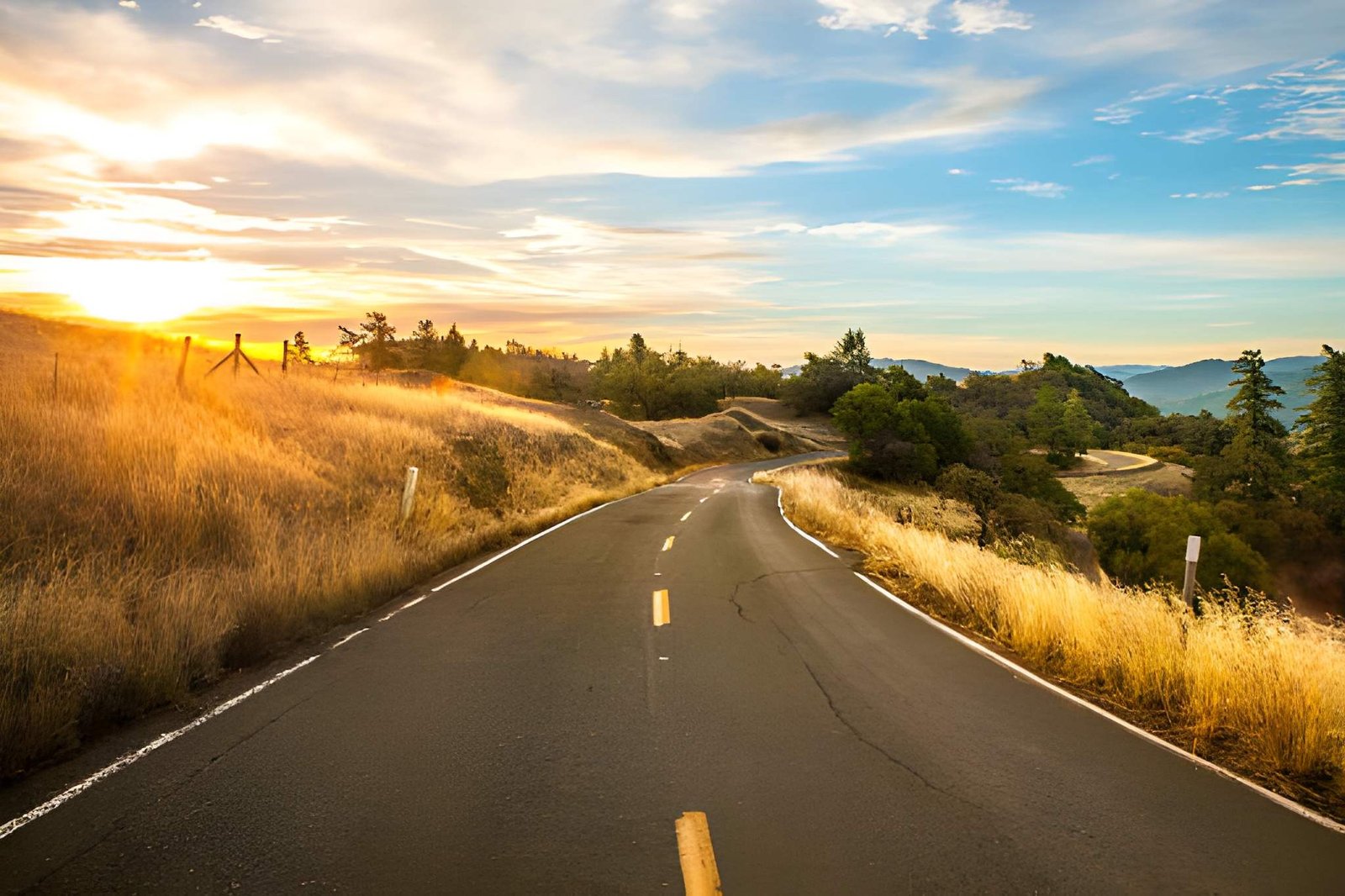
I’m standing at the base of a 300-foot redwood in Prairie Creek State Park at 7:15 AM when a couple from Boston asks me if Northern California can really compete with New England road trips. After completing this exact Northern California loop six times over the past decade—from foggy coastal mornings to wine country sunsets to hiking among the world’s tallest trees—I can confidently say this route delivers more diversity and drama than any single-state road trip in America.
Most Northern California road trip guides either focus solely on the coast or gloss over practical details like where to actually sleep each night, how to time your drive to avoid summer fog, or which stops genuinely matter versus which waste precious vacation time. This complete 10-day itinerary provides tested routing that combines dramatic coastline, towering redwoods, and wine country relaxation with specific hotel recommendations, daily mileage breakdowns, seasonal timing advice, and honest assessments of what’s unmissable versus overhyped. Whether you’re flying into San Francisco for your first California adventure or you’re a Bay Area resident ready to explore your own backyard, this route reveals Northern California at its absolute best.
Understanding This Northern California Road Trip
This 10-day loop covers approximately 1,000 miles starting and ending in San Francisco. You’ll drive north along Highway 1 through Marin and Mendocino counties, continue to Humboldt County and the Redwoods, then return south through inland wine country on Highway 101. The route creates a complete circuit showcasing Northern California’s incredible diversity.
The itinerary balances driving with activities—no marathon 8-hour driving days that leave you exhausted. Daily drives range from 60-150 miles with plenty of stops for hiking, beaches, and meals. You’ll spend 2-3 nights in strategic locations allowing deeper exploration without constantly packing and unpacking.
This works best April-May or September-October when weather cooperates and crowds thin. Summer brings maximum tourism and persistent coastal fog. Winter offers solitude but rain becomes more frequent. The shoulder seasons deliver the sweet spot of good weather, smaller crowds, and slightly lower accommodation costs.
Day 1: San Francisco to Point Reyes Station (50 miles, 1.5 hours)
Start your Northern California road trip with a short first day allowing time to explore San Francisco before departing or simply getting oriented to your rental car and the road. Drive north across the Golden Gate Bridge—pull off at the Vista Point on the Marin side for that mandatory bridge photo.
Continue on Highway 101 to Sir Francis Drake Boulevard, then follow signs to Point Reyes Station. This tiny village serves as gateway to Point Reyes National Seashore, protecting 71,000 acres of windswept peninsula perfect for tomorrow’s exploration.
Point Reyes Station itself offers excellent food stops. Cowgirl Creamery operates a shop and cafe serving their award-winning artisan cheeses alongside sandwiches and salads. Tomales Bay Oyster Company (technically in Marshall, 15 minutes north) serves incredibly fresh oysters shucked tableside at picnic tables overlooking the bay where they’re harvested.
Where to Stay: Point Reyes Station has limited lodging. Cottages at Point Reyes Seashore ($200-300/night) offers comfortable cottages walking distance from downtown. Nick’s Cove ($350-500/night) in Marshall provides waterfront cottages with private decks over Tomales Bay—splurge-worthy for special occasions.
Dinner: Osteria Stella in Point Reyes Station serves excellent Italian-Cal
ifornia fusion cuisine in a converted barn. Reservations recommended on weekends.
Day 2: Exploring Point Reyes National Seashore (minimal driving)
Dedicate today to Point Reyes without rushing to the next destination. The seashore offers dozens of hiking trails, dramatic beaches, and wildlife viewing that reward a full day’s attention.
The Point Reyes Lighthouse sits at the peninsula’s windiest, foggiest point where 308 stairs descend to the lighthouse perched on a cliff 300 feet above crashing waves. The lighthouse operates Thursday-Monday (closed Tuesday-Wednesday). Whale watching from December through April brings gray whales migrating past the point—sometimes dozens visible simultaneously.
Tomales Point Trail climbs through grasslands where tule elk graze. This 9.4-mile round-trip moderate hike delivers spectacular coastal views and almost guaranteed elk sightings. The trailhead is at the end of Pierce Point Road, about 35 minutes from Point Reyes Station.
Limantour Beach stretches for miles with soft sand perfect for walking. The protected C-shaped beach offers calmer conditions than west-facing Point Reyes beaches. Drake’s Beach provides another excellent option with a visitor center and cafe serving surprisingly good food.
Lunch: Drake’s Beach Cafe at Drake’s Beach serves sandwiches, salads, and local oysters with floor-to-ceiling windows overlooking the beach.
Insider Tip: Morning visits beat afternoon fog and winds. Start at the lighthouse or Tomales Point, then visit beaches in the afternoon as fog rolls in and crowds thin.
Day 3: Point Reyes to Mendocino (130 miles, 3 hours)
Today brings one of Northern California’s most scenic drives as Highway 1 hugs the coastline north through Sonoma and Mendocino counties. Leave early to maximize time exploring before reaching Mendocino.
Stop in Bodega Bay (45 minutes from Point Reyes) where Alfred Hitchcock filmed “The Birds.” The harbor provides fresh seafood and bay views. Spud Point Crab Company serves excellent crab sandwiches and chowder at picnic tables overlooking the working fishing docks.
Continue north on Highway 1—the road narrows and curves dramatically but rewards with constant ocean views. Fort Ross State Historic Park preserves a Russian settlement from 1812-1841 when Russia maintained a fur-trading outpost here. The restored fort and visitor center provide fascinating historical context.
Jenner sits where the Russian River meets the Pacific. Stop at River’s End restaurant for lunch with spectacular views of the river mouth, or simply pull over at the vista point to watch harbor seals sunning on riverbanks.
The drive from Jenner to Mendocino (90 miles, 2+ hours) continues through curves and coastal scenery. Sea Ranch shows architectural marvels—midcentury modern homes designed to blend with the landscape. The coastline becomes increasingly dramatic with rocky headlands and crashing waves.
Arrive in Mendocino mid-afternoon. This Victorian village perches on dramatic headlands and feels transported from New England. Walk the Mendocino Headlands Trail circling the village for 360-degree ocean views.
Where to Stay: Little River Inn ($250-400/night) sits 3 miles south of Mendocino with ocean-view rooms and excellent restaurant. MacCallum House Inn ($300-500/night) in Mendocino village offers Victorian charm in the historic district. Budget option: Mendocino Coast Motel ($150-200/night) provides clean, simple rooms.
Dinner: Cafe Beaujolais in Mendocino serves upscale California cuisine in a Victorian farmhouse. Reserve ahead. The casual option: Goodlife Cafe serves excellent breakfasts and lunches with local ingredients.
Day 4: Mendocino Exploration (minimal driving)
Spend today thoroughly exploring Mendocino and surrounding state parks. The village rewards slow exploration of galleries, shops, and coastal trails.
Russian Gulch State Park just 2 miles north offers easy coastal access. The Devil’s Punchbowl, a collapsed sea cave creating a tunnel where waves crash through, sits just off the highway. The waterfall trail climbs 3.6 miles round-trip through ferny canyons to a 36-foot waterfall.
Van Damme State Park 3 miles south features the unique Pygmy Forest where ancient trees grow only waist-high due to extreme soil conditions. The easy 2-mile loop trail fascinates botanically-minded visitors. Kayak rentals at the beach allow exploring the protected cove and kelp forests.
Big River Beach at Mendocino’s south edge provides access to Big River estuary. Rent kayaks or canoes from Catch a Canoe to paddle upriver through still water surrounded by forest. It’s peaceful, scenic, and completely different from ocean paddling.
The village itself offers excellent browsing. Galleries showcase local artists, shops sell crafts and antiques, and cafes provide cozy refuge from coastal winds. The Kelley House Museum preserves Mendocino history in an 1861 building.
Lunch: Flow serves healthy California cuisine with ocean views from the deck. Mendo Burger provides excellent casual burgers and local beers.
Wine Tasting: Anderson Valley, 30 minutes inland via Highway 128, produces exceptional pinot noir and sparkling wines. Navarro Vineyards offers complimentary tastings of their excellent wines in a casual setting. Consider an afternoon wine tasting detour if weather turns foggy on the coast.
Day 5: Mendocino to Eureka (140 miles, 3 hours)
Continue north on Highway 1 through increasingly dramatic coastline. The road eventually joins Highway 101 at Leggett, providing faster inland routing through redwood forests to Eureka.
Stop at the Highway 1/101 junction in Leggett to stretch legs and grab snacks. The famous Drive-Thru Tree sits here ($10 per car)—drive through a carved-out living redwood. It’s touristy but quick fun.
Highway 101 north passes through Avenue of the Giants, a 31-mile scenic alternative to the freeway running through Humboldt Redwoods State Park. Take this detour. The narrow road winds through groves of old-growth coast redwoods—some over 300 feet tall and 2,000 years old.
Stop at Founders Grove for an easy half-mile loop trail through majestic redwoods. The Dyerville Giant, a fallen 370-foot redwood, lies alongside the trail demonstrating the massive scale of these trees. Rockefeller Forest contains the largest remaining old-growth redwood forest with several short trails accessing the groves.
Rejoin Highway 101 and continue to Eureka. This Victorian seaport on Humboldt Bay offers urban amenities after several days in small coastal towns. Old Town features dozens of preserved Victorian buildings, art galleries, antique shops, and restaurants.
Where to Stay: Carter House Inns ($250-450/night) provides upscale Victorian accommodations in Old Town. Best Western Plus Humboldt Bay Inn ($150-250/night) offers reliable quality near the waterfront.
Dinner: Restaurant 301 at Carter House Inns serves exceptional farm-to-table cuisine. Lost Coast Brewery & Cafe offers great craft beers and casual pub food. Humboldt Bay Provision Company serves fresh seafood in Old Town.
Evening Activity: Take a harbor cruise with Humboldt Bay Maritime Museum to see waterfront from the bay, including sea lions, pelicans, and historic buildings from water level.
Day 6: Eureka to Trinidad (25 miles, 40 minutes) + Redwood National Park
This short drive allows a full day exploring Trinidad and nearby Redwood National and State Parks. Trinidad sits on cliffs overlooking a bay dotted with sea stacks—one of Northern California’s most scenic coastal communities.
Trinidad itself takes 30 minutes to explore. Trinidad State Beach and College Cove offer excellent beach walking. Trinidad Head Trail provides a 1.5-mile loop with spectacular coastal and bay views. Bring binoculors for whale watching (December-April).
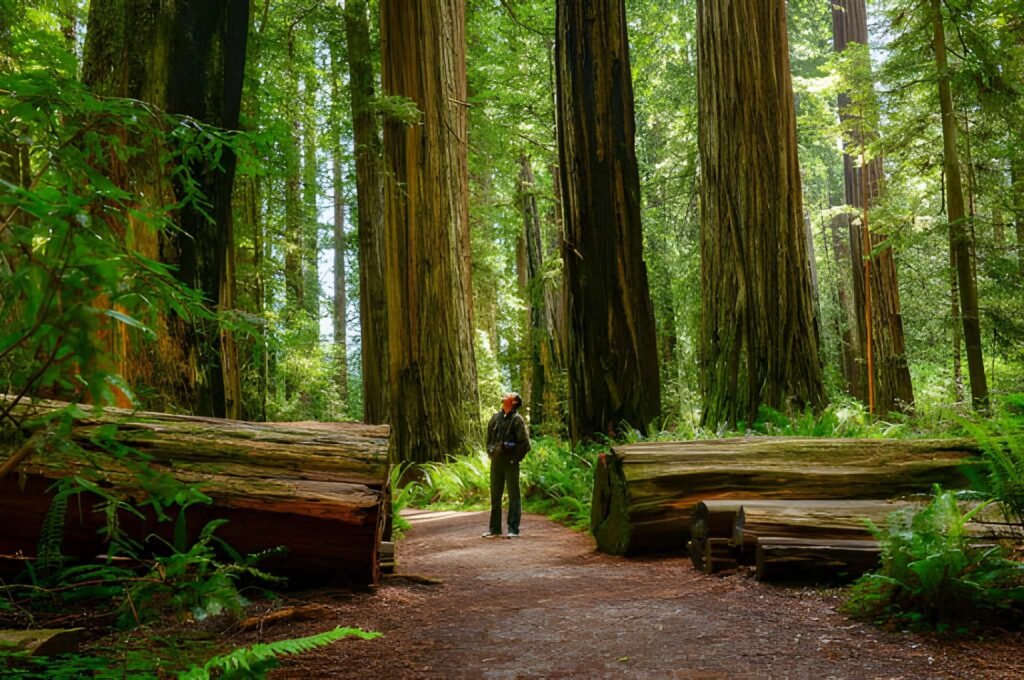
Spend the afternoon in Prairie Creek Redwoods State Park, part of the Redwood National and State Parks complex, just 25 minutes north of Trinidad. This is where the coastal road trip transforms into a redwood forest adventure.
The James Irvine Trail leads 4.5 miles one-way from Prairie Creek Visitor Center to Fern Canyon through magnificent old-growth forest. Fern Canyon itself is a 0.5-mile slot canyon where walls drip with ferns—Spielberg filmed Jurassic Park 2 here. The out-and-back hike totals about 10 miles and takes 4-5 hours. It’s moderately challenging but unforgettable.
For easier options, the Cathedral Trees Trail near the visitor center loops 1 mile through awe-inspiring redwood groves accessible to all fitness levels. Elk frequently graze in the meadow adjacent to the visitor center—Roosevelt elk weighing up to 1,000 pounds provide amazing wildlife viewing.
Where to Stay: Trinidad Bay B&B ($200-350/night) offers ocean-view rooms and excellent breakfast. Lost Whale Inn ($250-400/night) sits on cliffs with private beach access.
Meals: Beachcomber Cafe serves healthy breakfasts with ocean views—local favorite for morning coffee. Larrupin Cafe delivers upscale dinners in a small cottage setting (dinner only, reservations essential). Lighthouse Grill for casual lunches.
Day 7: Trinidad to Crescent City to Grants Pass (180 miles, 3.5 hours) OR Extended Trinidad Stay
Today presents options. You can push north to Crescent City and even into Oregon (Grants Pass), or stay another night in Trinidad thoroughly exploring the Redwoods.
If continuing north: Crescent City sits on the California-Oregon border with beaches, harbor, and Battery Point Lighthouse accessible at low tide. Jedediah Smith Redwoods State Park just east of town protects stunning old-growth groves alongside the Smith River.
The drive from Crescent City to Grants Pass, Oregon (85 miles, 1.75 hours) crosses into Oregon through mountainous forests. Grants Pass serves as a good overnight before tomorrow’s long drive back toward wine country.
Alternative: Stay second night in Trinidad and take a second day to explore different Redwoods areas. Visit Tall Trees Grove (requires free permit from visitor center) to see some of the world’s tallest known trees, or drive Newton B. Drury Scenic Parkway through magnificent redwood groves with numerous short trails.
Where to Stay if heading to Grants Pass: The Lodge at Riverside ($150-250/night) sits on the Rogue River. Weasku Inn ($200-350/night) offers more upscale riverfront accommodations.
Day 8: Return South to Healdsburg (280 miles from Grants Pass, 4.5 hours OR 260 miles from Trinidad, 4 hours)
Today involves the longest drive of your Northern California road trip, but Highway 101 through the Redwood forests and into wine country provides scenic routing. Leave early to arrive in Healdsburg with time to unwind.
Highway 101 south passes through more redwood groves, rolling hills, and agricultural valleys. The drive becomes less dramatic but remains pleasant. Stop in Willits or Ukiah for lunch and fuel.
As you approach wine country, vineyards replace forests. The landscape opens up with rolling hills covered in grapevines. Healdsburg sits in northern Sonoma County surrounded by three wine regions—Russian River Valley, Dry Creek Valley, and Alexander Valley.
Healdsburg’s plaza anchors a charming small town with tasting rooms, restaurants, and shops surrounding a Spanish-style square. Many consider this wine country’s most appealing town—less pretentious than Napa, more sophisticated than smaller wine towns.
Where to Stay: Hotel Healdsburg ($400-700/night) overlooks the plaza with upscale rooms and excellent restaurant. H2 Hotel ($250-400/night) offers modern design at slightly lower prices. Healdsburg Inn on the Plaza ($300-500/night) provides Victorian B&B charm.
Dinner: SingleThread (Michelin 3-star, $500+ per person) represents wine country’s pinnacle if budget allows—book months ahead. Barndiva serves excellent farm-to-table cuisine in a restored barn ($40-65 entrees). Bravas Bar de Tapas offers Spanish small plates and wine country wines at more affordable prices.
Wine Tasting: Walk to multiple tasting rooms around the plaza. Thumbprint Cellars, Kokomo Winery, and Williamson Wines all offer excellent wines and welcoming atmospheres.
Day 9: Healdsburg and Russian River Valley Wine Tasting
Dedicate today to exploring Sonoma wine country without driving to another destination. Healdsburg positions you perfectly for visiting wineries in three distinct regions within 20 minutes.
Russian River Valley specializes in pinot noir and chardonnay from cool-climate vineyards. Williams Selyem (appointment required, books weeks ahead) represents pinot noir excellence. Gary Farrell Winery offers excellent wines with stunning valley views from the tasting room. Rochioli Vineyards and Winery pours outstanding wines in a casual, family-run setting.
Dry Creek Valley produces exceptional Zinfandel and Sauvignon Blanc. The valley road (Dry Creek Road) passes dozens of wineries. Preston Farm & Winery offers organic wines, farm produce, and beautiful picnic grounds. Bella Winery specializes in estate Zinfandel with cave tours and hilltop tasting room.
Visit 3-4 wineries maximum—your palate fatigues after that and experiences blur together. Make advance reservations at desired wineries 2-3 weeks ahead for weekend visits. Most charge $25-40 per tasting, typically waived with wine purchases.
Lunch: Many wineries offer picnic areas. Purchase sandwiches from Oakville Grocery in Healdsburg and picnic at a winery with purchased bottle. Alternatively, return to Healdsburg for lunch downtown.
Afternoon: If wine tasting tires you, rent bikes and ride the West Dry Creek Road loop—flat, scenic cycling through vineyards. Or visit downtown Healdsburg galleries and shops. SHED offers local food vendors, cooking classes, and wine bar in a converted warehouse.
Alternative Day Trip: Drive to nearby coastal Sonoma (Bodega Bay, Jenner) for ocean views and seafood, combining coast and wine country in one day.
Day 10: Healdsburg to San Francisco (75 miles, 1.5 hours)
Your final day brings an easy drive back to San Francisco. Leave mid-morning after a relaxed breakfast, arriving in San Francisco early afternoon with time for final city activities or catching evening flights.
The most direct route follows Highway 101 south across the Golden Gate Bridge—90 minutes in light traffic. For scenic routing, detour through Sonoma Coast on Highway 12 to Bodega Bay, then Highway 1 south to Muir Beach before connecting to Highway 101. This adds an hour but provides final coastal views.
If flight schedules allow, spend final hours in San Francisco visiting anything missed on Day 1 or simply having a farewell meal at Ferry Building or Fisherman’s Wharf before heading to the airport.
Return rental car at SFO or downtown location depending on your arrangements.
Practical Planning and Tips
When to Go
Best Overall: September-October for warmest, clearest weather and fall vineyard colors. Coastal fog clears, redwoods see less rain, and wine country celebrates harvest.
Spring Option: April-May offers green landscapes, fewer crowds, and good weather before summer fog. Wildflowers bloom on coastal headlands.
Avoid: June-August brings maximum crowds, highest prices, and persistent coastal fog that can obscure views and chill beach visits. Inland areas (wine country) remain pleasant.
Winter: November-March delivers solitude and lower prices but increased rain. Winter storms create dramatic coastal scenery but can make hiking muddy. Many wine country restaurants close Tuesdays and Wednesdays in winter.
What to Pack
Layer clothing—coastal temperatures swing 20+ degrees from morning fog to afternoon sun. Bring warm jacket, long pants, comfortable walking shoes, and rain jacket year-round. Wine country runs warmer; pack lighter clothes for those days.
Binoculars enhance wildlife viewing—whales, elk, seabirds. Camera or phone with good battery life. Reusable water bottle. Snacks for long drives through areas with limited services.
Budget Reality
This 10-day Northern California road trip costs approximately:
Budget Approach ($2,500-4,000 per couple):
- Lodging: $150-200/night average ($1,350-1,800 for 9 nights)
- Rental car: $400-600 for 10 days
- Gas: $250-350 (varies with prices)
- Food: $60-80/day per couple ($600-800 total)
- Activities: $200-300 (park fees, wine tasting)
Mid-Range ($4,500-7,000 per couple):
- Lodging: $250-350/night average ($2,250-3,150)
- Rental car: $600-800
- Gas: $300-400
- Food: $120-150/day ($1,200-1,500)
- Activities: $400-600
Luxury ($8,000-15,000+ per couple):
- High-end lodging, fine dining, extensive wine tasting, add-ons like hot air balloons or private tours
Ways to reduce costs: camp instead of hotels, cook some meals, limit wine tasting, visit during shoulder season, focus on free activities like hiking and beaches.
Booking Timeline
Reserve lodging 2-3 months ahead for September-October visits. Spring and summer weekends also book early in popular towns like Mendocino and Healdsburg. Winter weekdays can be booked shorter notice.
Book winery appointments 2-4 weeks ahead for weekends at popular producers. Weekday tasting often doesn’t require reservations except at small, appointment-only wineries.
Reserve rental car when flights are booked—prices increase closer to travel dates.
Final Thoughts
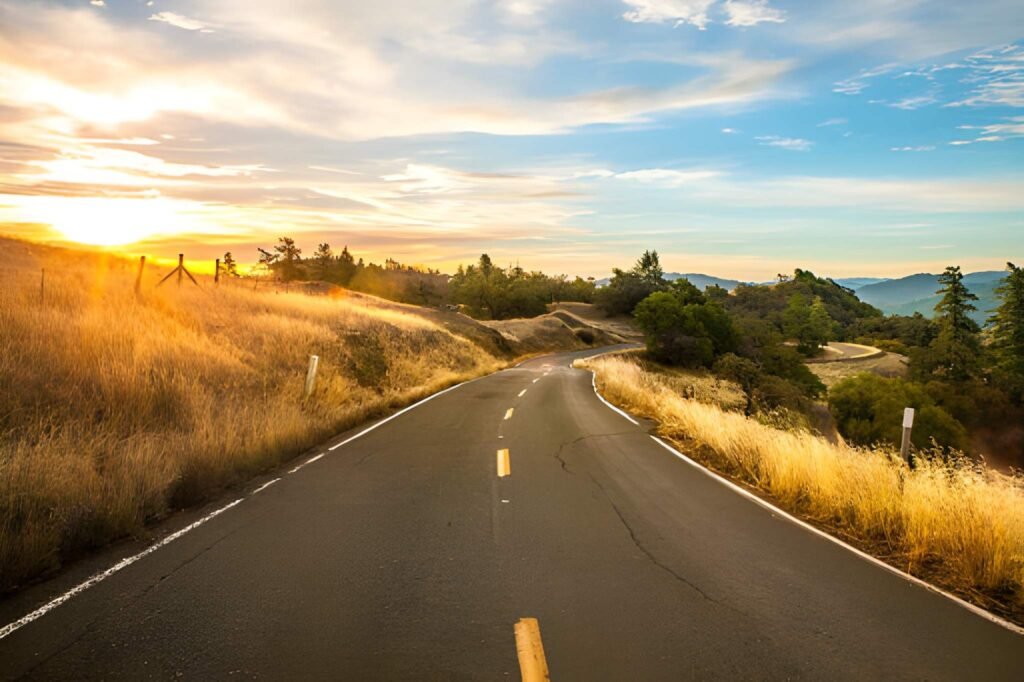
After completing this Northern California road trip six times and tweaking the routing each visit, I’ve learned that this loop showcases the Golden State’s incredible diversity better than any other single-region road trip. You’ll experience foggy coastal mornings, sunny wine country afternoons, and evenings walking among the world’s tallest trees—all within one 10-day journey.
My favorite moments aren’t from the famous stops everyone photographs. They’re watching fog burn off Point Reyes from the lighthouse at 8 AM with only the lighthouse keeper for company. They’re stumbling onto a family-run Healdsburg winery where the winemaker personally pours their estate pinot noir while sharing their story. They’re standing at the base of a 300-foot redwood trying to comprehend trees that were ancient when Rome was founded.
What separates good Northern California road trips from extraordinary ones is pacing—resist the urge to see everything and accept that you’ll return. This itinerary provides structure while building flexibility for spontaneous detours and extra time in places that capture your imagination. The coast, redwoods, and wine country aren’t going anywhere, and returning to explore deeper often beats rushing to check every box.
The route works as written, but also adapts—shorten to 7 days by skipping Crescent City/Grants Pass and spending only one night in the Redwoods. Extend to 14 days by adding Napa Valley, Lake Tahoe, or more coastal exploration. The basic loop from San Francisco north through coast and redwoods, returning south through wine country, provides the framework. How you pace it depends on your travel style and available time.
This Northern California road trip delivers everything California promises—natural beauty, world-class wine and food, outdoor adventures, and that ineffable California vibe that keeps visitors returning year after year.
