
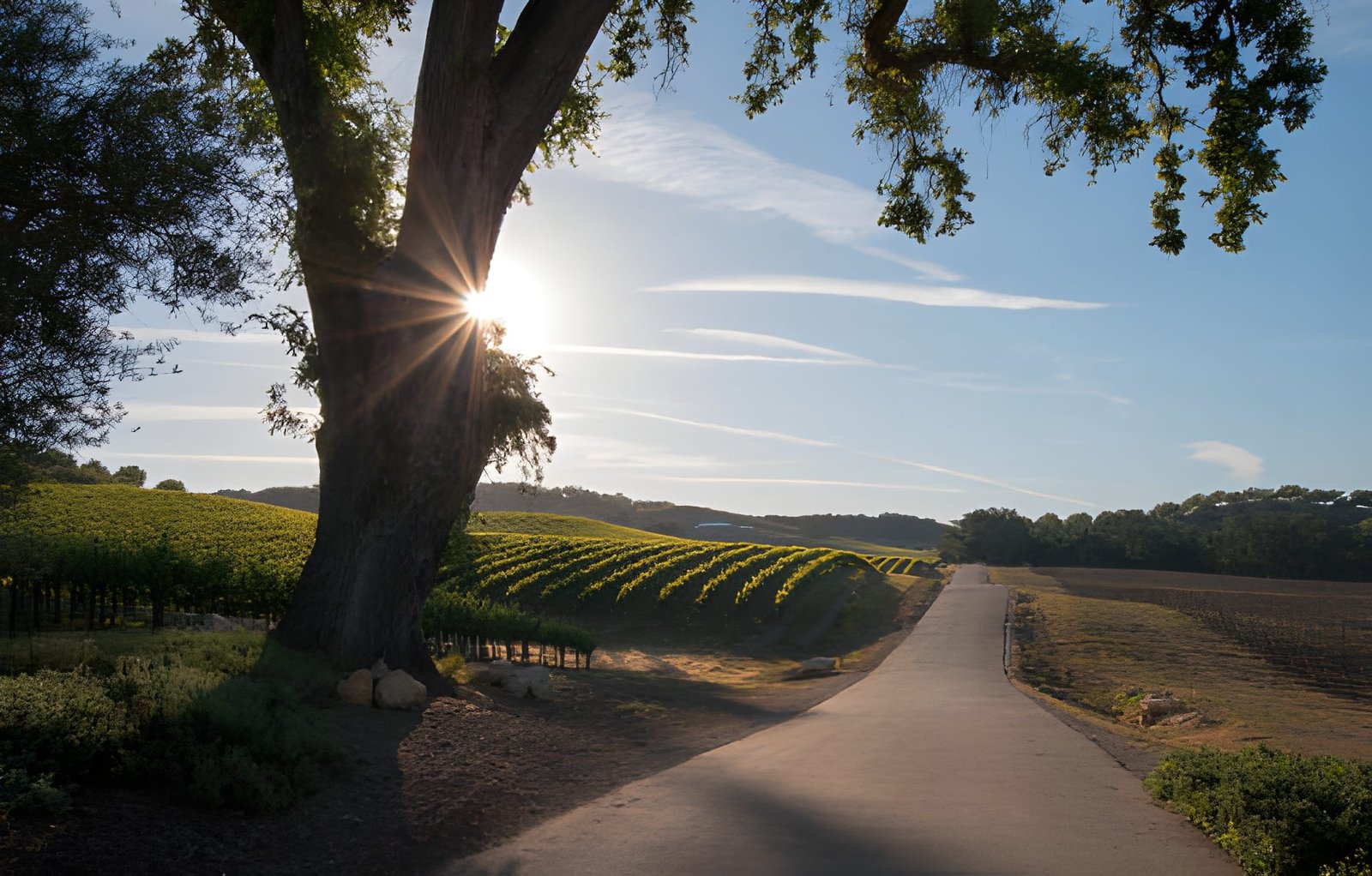
I’m standing on the terrace at DAOU Vineyards at 5:47 PM watching golden light illuminate vineyard rows stretching toward lavender fields when a couple from Seattle asks me if Paso Robles really compares to Napa or if it’s just marketing hype. After visiting Paso Robles eighteen times over the past eight years, I can confidently say this Central California wine country delivers wine experiences equal to Napa at half the price, plus outdoor adventures and authentic small-town charm that Napa surrendered decades ago.
Most Paso Robles guides focus exclusively on wine tasting without explaining the dramatic east-west divide in winery styles, how summer heat makes timing critical, or which experiences beyond wine actually justify your time versus tourist traps. This complete guide provides 14 tested Paso Robles activities with honest assessments of what’s worth premium prices, seasonal timing advice, and practical details about this sprawling wine region that confuses first-time visitors. Whether you’re seeking Rhône-style wines, Cabernet Sauvignon, outdoor adventures, or simply understanding why Paso Robles has emerged as California’s most exciting wine destination, you’ll discover everything beyond the obvious.
Understanding Paso Robles Wine Country
Paso Robles sits in San Luis Obispo County on California’s Central Coast, 220 miles south of San Francisco and 230 miles north of Los Angeles. This positions it perfectly as a midpoint between the state’s major cities, yet it maintains genuine small-town character despite explosive wine industry growth.
The Paso Robles wine region spans 40 miles east to west with dramatically different climates and wine styles. Highway 46 divides the region—wineries east of Highway 101 experience hotter temperatures perfect for Rhône varietals and Zinfandel, while the west side toward the Pacific stays cooler and produces excellent Cabernet Sauvignon and Bordeaux blends. Understanding this east-west divide helps target wineries matching your preferences.
Downtown Paso Robles centers on City Park, a tree-shaded square surrounded by tasting rooms, restaurants, and shops. The downtown offers walkable wine tasting without driving between distant wineries—a huge advantage when visiting multiple tasting rooms.
Weather runs hot in summer with daytime temperatures regularly exceeding 100°F from June through September. Spring (March-May) and fall (September-November) provide ideal visiting conditions with temperatures in the 70s-85°F. Winter stays mild at 60-70°F with occasional rain. Unlike coastal wine regions, Paso Robles sees minimal fog, providing reliable sunshine year-round.
The Best Things to Do in Paso Robles
Wine Tasting Experiences
Sensorio Field of Light
Sensorio Field of Light ranks as Paso Robles’ most unique attraction—an immersive outdoor art installation featuring 100,000+ fiber-optic lights spread across 15 acres of rolling hillside. British artist Bruce Munro created this solar-powered light sculpture that transforms at sunset into a glowing landscape of color-shifting bulbs.
The installation operates Thursday-Sunday evenings year-round with seasonal hours (typically 4:30-8:30 PM winter, 5:00-9:30 PM summer). General admission costs $35-40 per person for access to walk the pathways through the light fields. VIP Terrace Experience ($79) includes reserved seating overlooking the field, private restrooms, an Airstream bar, and priority entry.
Arrive 45 minutes before sunset to see the installation in daylight, understanding the scale and setup, then watch it transform as darkness falls and lights activate. The color-shifting creates different moods—sometimes cool blues and purples, other times warm reds and oranges. Walking the pathways takes 30-60 minutes depending on your pace and photo stops.
Book tickets online 1-2 weeks ahead for weekend visits. The installation attracts significant crowds on perfect-weather weekends. Weekday visits offer more solitude. The VIP terrace justifies the premium if you want guaranteed seating and drinks without standing in general admission lines.
This isn’t wine-related, but it’s become Paso Robles’ signature attraction. Every visitor should experience it once. The combination of art, technology, and natural landscape creates something genuinely special rather than another winery visit. Wear comfortable walking shoes and bring a light jacket—hillside locations get breezy after sunset.
DAOU Vineyards
DAOU Vineyards sits atop a mountain overlooking the entire Paso Robles region with views extending 50+ miles on clear days. The tasting room alone justifies visiting—floor-to-ceiling windows frame vineyard views, and the outdoor terrace provides spectacular settings for wine tasting.
DAOU specializes in Bordeaux-style wines, particularly Cabernet Sauvignon from their mountain estate vineyards. Tastings range from the standard flight ($40-50) to reserve experiences ($75-100+) featuring limited-production wines. The winery also offers food pairings and full lunches on the terrace.
What elevates DAOU beyond standard wine tasting is that setting. The mountain location, lavender fields, and sweeping vistas create an experience worth the premium tasting fees. It’s Paso Robles’ most Instagram-worthy winery, and the wines back up the beauty with exceptional quality.
Reserve appointments 2-3 weeks ahead for weekend visits. Weekdays often have same-week availability. Visit late afternoon for the best light and views. Budget 90 minutes to 2 hours to fully appreciate the setting, taste wines without rushing, and perhaps enjoy the terrace with a glass or bottle.
The drive up the mountain takes about 20 minutes from downtown Paso Robles on winding roads. Don’t attempt this after extensive wine tasting elsewhere—save DAOU for your first or second winery of the day when you’re fresh and sober.
Tin City
Tin City brings urban industrial wine culture to Paso Robles in a converted warehouse district. Over 40 producers operate tasting rooms, taprooms, and restaurants in corrugated metal buildings, creating a walkable wine, beer, and spirits district unlike anywhere else in wine country.
The concentrated format allows visiting multiple producers without driving. Spend an afternoon tasting wines from 3-4 different producers, grabbing lunch from food trucks or restaurants, and sampling craft beers between wine tastings. It’s casual, affordable, and more accessible than formal winery experiences.
Tin City tasting rooms charge $15-25 for flights—significantly less than famous Paso Robles estates. The wines are equally good, often produced by young winemakers starting their own labels. You’ll discover wines unavailable elsewhere and meet winemakers pouring their own productions.
Tin City sits 3 miles south of downtown Paso Robles on Highway 101. Park once in the central lot and walk between venues. Visit Friday-Sunday when all producers are open (some close weekdays). Arrive mid-afternoon and spend 2-3 hours exploring. The laid-back atmosphere encourages lingering rather than rushing between formal appointments.
This provides the best introduction to Paso Robles wines for first-time visitors. You’ll taste diverse styles from multiple producers, learn about the region’s wine scene, and spend $50-75 per person versus $150+ at established wineries. It’s authentically cool rather than trying to be cool.
Downtown Tasting Rooms
Downtown Paso Robles concentrates 30+ winery tasting rooms in a 4-block walkable area around City Park. This allows wine tasting without driving between distant vineyards—crucial when visiting multiple wineries or lacking a designated driver.
Downtown rooms pour wines from throughout the region, often at lower tasting fees ($15-30) than visiting the actual wineries. You sacrifice vineyard views but gain convenience, affordability, and the ability to compare multiple producers quickly. Many downtown rooms represent small producers without their own tasting facilities.
Justin Winery, Torrin, J. Lohr, and Sculpterra all operate downtown tasting rooms alongside their estate locations. Numerous small producers pour exclusively downtown. Walk the streets exploring different rooms—most welcome walk-ins, though weekend reservations help at popular rooms.
Combine downtown tasting with lunch at restaurants surrounding City Park. Thomas Hill Organics serves farm-to-table cuisine with excellent wine pairings. Il Cortile offers Italian fare in a courtyard setting. The casual option: grab sandwiches from Downtown Paso Market and picnic in City Park between tastings.
Downtown parking fills midday on weekends. Arrive before 11 AM or after 3 PM for easier spots, or use paid lots near the park ($2-3 per hour). Most tasting rooms open 11 AM-5 PM daily.
Outdoor Activities and Nature
Lake Nacimiento
Lake Nacimiento provides water recreation 20 minutes north of Paso Robles, offering complete escape from wine country tourism. This massive reservoir stretches 18 miles through oak-studded hills with 165 miles of shoreline creating countless coves and swimming spots.
Multiple marinas rent boats ranging from ski boats ($250-400 per day) to pontoon boats ($200-350) to kayaks and paddleboards ($40-80). The lake attracts serious water sports enthusiasts and families seeking swimming and picnicking. Summer weekends see heavy use, but weekdays and shoulder seasons remain relatively quiet.
Lake Nacimiento Resort provides the main public access with boat rentals, a restaurant, and basic accommodations. The lake sits in rolling hills without development beyond the resort area, maintaining natural beauty. Water temperatures reach 70-75°F by early summer, staying warm through October.
Drive Highway 101 north to the G-14/Nacimiento Lake Drive exit, then follow signs 8 miles to the lake. The narrow, winding road requires careful driving. Bring coolers with food and drinks since the resort’s restaurant and market are the only services.
This works particularly well for families with children who tire of adult-focused wine tasting. Spend a full day boating, swimming, and relaxing at the lake, then return to Paso Robles for dinner. It’s remarkably uncrowded given the quality recreation and proximity to major tourist areas.
Horseback Riding Through Vineyards
Central Coast Trail Rides offers guided horseback rides through Paso Robles vineyards, providing unique perspectives on wine country from horseback. Multiple wineries including Cass Vineyard and Fableist host rides through their properties, combining horseback riding with wine country scenery.
Rides typically last 60-90 minutes, winding through vineyards, oak groves, and hillsides with valley views. Some packages include wine tasting after the ride. Prices range from $75-150 per person depending on ride length and whether wine tasting is included. No riding experience is necessary—guides match horses to rider abilities.
The sunset rides at Cass Vineyard are particularly spectacular, offering golden-hour light illuminating vineyard rows and hilltop vistas. Morning rides provide cooler temperatures perfect for summer visits. Spring brings green hills and wildflowers.
Book rides at least 2-3 weeks ahead since popular times fill quickly. Wear long pants and closed-toe shoes regardless of weather. Bring sunscreen and hats—vineyard rides offer minimal shade. Rides accommodate ages 8 and up typically.
This appeals to outdoor enthusiasts seeking activities beyond wine tasting and provides unique Paso Robles experiences unavailable in other wine regions. The combination of horseback riding and vineyard settings creates memorable outings for couples or families.
Hiking and Nature Walks
Paso Robles isn’t known for hiking, but several trails provide outdoor experiences in nearby hills and parks. Paso Robles City Park offers flat, easy walking paths around the downtown square—minimal elevation but pleasant for morning coffee walks.
For actual hiking, drive 15 minutes west toward Cambria to access coastal trails. Fiscalini Ranch Preserve in Cambria offers 6 miles of trails through oak woodlands and along dramatic ocean bluffs. The preserve sits 30 minutes from Paso Robles, making it feasible for morning hikes before afternoon wine tasting.
Closer options include exploring the vineyards themselves. Many wineries maintain walking paths through their properties. Halter Ranch operates a 2,700-acre estate with trails open to visitors. Call ahead to confirm access and trail conditions.
The reality is that Paso Robles’ flat valley floor doesn’t provide extensive hiking opportunities. Visitors seeking serious trails should visit Morro Bay (30 minutes west) for coastal hiking or Los Padres National Forest (45 minutes east) for mountain trails. Paso Robles itself focuses on wine, food, and leisurely outdoor activities rather than challenging hikes.
Food and Culinary Experiences
Thomas Hill Organics
Thomas Hill Organics serves farm-to-table California cuisine sourcing ingredients from local organic farms. The restaurant occupies a restored 1920s building on City Park with indoor dining and a courtyard patio perfect for lunch or dinner.
The menu changes seasonally but consistently delivers creative preparations of regional ingredients. Expect dishes like local mushroom risotto, grass-fed steaks, fresh seafood, and salads featuring produce from nearby farms. The wine list emphasizes Paso Robles producers with excellent by-the-glass selections.
Lunch runs $18-28 for entrees, dinner $28-45. Make weekend dinner reservations 1-2 weeks ahead. Lunch accepts walk-ins more readily. The courtyard seating provides the best atmosphere—request it when booking.
This represents Paso Robles’ culinary sophistication beyond wine-focused dining. You’ll eat exceptionally well at prices significantly below Napa or Sonoma equivalents. The commitment to organic, local sourcing elevates standard California cuisine to memorable meals.
Buona Tavola
Buona Tavola brings authentic Northern Italian cuisine to downtown Paso Robles from owners who relocated their successful San Luis Obispo restaurant. The dining room creates intimate European atmosphere with warm lighting and closely spaced tables encouraging conversation.
The menu features handmade pastas, classic Italian preparations, and Chef Varia’s famous tiramisu. Everything is made in-house from scratch—no shortcuts. Expect dishes like osso buco, bolognese, and seasonal risottos prepared exactly as you’d find in Northern Italy.
Dinner runs $22-38 for entrees. Make reservations 1-2 weeks ahead for weekend dinners—the restaurant fills completely. Service can be slow when busy, but this is intentional Italian pacing encouraging lingering over multiple courses. Budget 2-2.5 hours for the full experience.
Buona Tavola delivers the most authentic Italian dining in Paso Robles. If you’re seeking a special-occasion dinner or simply excellent pasta, this tops the list. The wine list includes Italian imports alongside local selections.
Paso Market Walk
Paso Market Walk creates food hall dining with multiple vendors in a covered outdoor space downtown. Options include In Bloom for farm-to-table plates, Finca for Cal-Mexican cuisine, Momotaro Ramen, Hot Canyon brewery, and SLO Cider.
The format allows groups to order from different vendors and eat together—perfect when preferences diverge. Quality varies by vendor, but most deliver solid casual dining. Prices run $12-25 per person for meals plus drinks.
Visit for lunch or casual dinners when you’re wine-tasted out and want something besides another formal restaurant meal. The brewery and cidery provide craft beverage options beyond wine. Live music happens weekends on the central stage.
Paso Market Walk sits one block from City Park. Walk there from downtown hotels or tasting rooms. Parking fills midday weekends but spaces open after 3 PM. This provides affordable, varied dining when budgets are strained from expensive tastings and meals.
Historic and Cultural Sites
Mission San Miguel Arcángel
Mission San Miguel Arcángel sits 8 miles north of Paso Robles, founded in 1797 as the 16th California mission. Unlike many missions that have been extensively restored or rebuilt, San Miguel preserves much of its original structure and features the only mission church with completely original interior murals painted by Salinan artists in the early 1800s.
The church’s walls display elaborate frescoes in remarkable condition considering they’ve never been repainted or restored. The original neophyte living quarters, portions of the arcade, and other mission buildings survive largely intact. This provides rare opportunity to see a mission closely resembling its historical appearance.
Self-guided tours cost $5 for adults, $3 for children. The mission opens daily 10 AM-4:30 PM. Docent-led tours are available by advance reservation. Plan 45-90 minutes to tour the church, museum, cemetery, and grounds.
The mission sits directly off Highway 101—take the Mission Street exit and follow signs half a mile to the mission entrance. Free parking is available on-site. This makes an easy morning stop en route to Paso Robles from the north or a brief detour when driving to Hearst Castle or Morro Bay.
Mission San Miguel provides historical context about the region before wine industry development. The quality and authenticity of the preserved mission exceeds many more-visited California missions. History enthusiasts will appreciate seeing original rather than reconstructed elements.
Studios on the Park
Studios on the Park operates an open studio art center in downtown Paso Robles where you can watch local artists working in their studios. The facility houses 12+ artist studios, multiple galleries, and a children’s art area, creating an interactive art experience rather than static museum.
The artists welcome visitors watching them work and discussing their processes. You’ll see painters, sculptors, photographers, and other mediums. The rotating gallery exhibitions showcase additional local and regional artists. Everything is for sale, providing opportunities to purchase original art directly from creators.
Admission is free, though donations are welcomed. The center opens Wednesday-Monday 11 AM-4 PM (closed Tuesdays). Visiting takes 30-60 minutes depending on your interest in art and how many artists are present to chat.
This provides cultural experiences beyond wine, food, and outdoor activities. The quality of work displayed is consistently high—serious local artists, not tourist-focused crafts. It’s particularly valuable on hot summer days when air-conditioned indoor activities appeal or rainy winter days when outdoor options are limited.
Unique Paso Robles Experiences
Franklin Hot Springs
Franklin Hot Springs preserves Paso Robles’ historical identity as a hot springs destination before wine dominated the economy. This rustic, family-run facility offers public access to natural mineral hot springs for just $10 per person with no time limits.
The springs feed an outdoor pool maintained at approximately 90-100°F year-round. The facility is decidedly low-frills—no spa amenities, just the mineral pool, changing rooms, and outdoor spaces. Fishing is included in admission, and families often spend entire days soaking, fishing, and picnicking.
Franklin Hot Springs sits 8 miles northeast of downtown Paso Robles in rural countryside. The springs open daily 8 AM-10 PM year-round. Call ahead to confirm they’re operating as this is a small family business with occasional closures.
The lack of development and simple operation preserve an authentic experience disappearing throughout California. You won’t find resort treatments or upscale facilities, but you’ll pay $10 instead of $150 and experience Paso Robles as locals have for decades. It’s quirky, authentic, and completely different from wine country tourism.
Estrella Warbird Museum
Estrella Warbird Museum preserves vintage military aircraft and classic cars in a large hangar facility near the Paso Robles airport. The collection includes over 20 aircraft from various eras, 50+ classic cars, and military memorabilia.
Aircraft range from World War II fighters to Cold War jets, many in pristine restored condition. The classic car collection emphasizes American muscle cars and vintage European sports cars. Knowledgeable docents provide tours explaining the history and restoration of various aircraft.
Admission costs $12 for adults, $5 for children 7-17, free for kids under 7. The museum opens daily 10 AM-4 PM (closed major holidays). Plan 1-2 hours for a thorough visit. The museum sits 5 minutes from downtown Paso Robles near the airport—follow North River Road from Highway 101.
This appeals to aviation and automotive enthusiasts, families with children interested in planes, and visitors seeking indoor activities on exceptionally hot or rainy days. The quality and quantity of the collection surprise first-time visitors given Paso Robles’ wine-focused tourism.
When to Visit Paso Robles
Each season offers distinct advantages despite Paso Robles’ year-round tourism. Spring (March-May) provides ideal conditions with temperatures in the 70s-85°F, green hills, and wildflowers blooming throughout the region. Wineries aren’t crowded, and accommodation rates remain moderate. This is objectively the best time to visit.
Summer (June-August) brings extreme heat often exceeding 100°F. Most visitors find midday outdoor activities uncomfortable. However, summer offers long daylight hours, harvest season energy starting in August, and guaranteed dry weather. Visit if summer is your only option, but plan indoor wine tasting during peak heat and save outdoor activities for early morning or evening.
Fall (September-November) delivers beautiful weather once heat breaks in mid-September. Harvest season creates excitement at wineries with grapes being crushed and wine production visible. Temperatures moderate to 75-85°F. This is the region’s busiest season—book accommodations 2-3 months ahead for September and October weekends.
Winter (December-February) sees rain occasionally but remains mild at 60-70°F. Many restaurants and some tasting rooms close Tuesdays and Wednesdays. However, lodging costs drop 30-40% from peak season, wineries are uncrowded, and you’ll experience more authentic local culture. This is Paso Robles’ best value season.
Budget Reality
Paso Robles costs significantly less than Napa while delivering comparable wine quality and experiences. A weekend visit (two nights) runs approximately:
Budget Approach ($600-900 per couple):
- Lodging: $150-200/night ($300-400 total)
- Wine tasting: $100-150 (downtown rooms and Tin City)
- Meals: $200-300 (mix of casual and mid-range)
- Activities: $50-100 (Sensorio or other attractions)
Mid-Range ($1,200-1,800 per couple):
- Lodging: $250-350/night ($500-700)
- Wine tasting: $250-400 (mix of estate and downtown)
- Meals: $350-500 (nice dinners, good lunches)
- Activities: $150-200
Luxury ($2,500-4,000+ per couple):
- Luxury resort: $400-700/night
- Premium wine experiences: $500-800
- Fine dining: $600-900
- Activities and experiences: $300-500
Ways to reduce costs: Visit winter weekdays when hotels discount rates 30-40%, taste at downtown rooms instead of expensive estates, eat some meals at Paso Market Walk or picnic from grocery stores, focus on free activities like exploring downtown and hiking.
Final Thoughts
After eighteen visits to Paso Robles spanning every season and covering every corner of this sprawling wine region, I’ve learned that this area represents California wine country at its most authentic and accessible. You won’t find Napa’s manicured estates or Sonoma’s polished charm, but you’ll discover serious wines at reasonable prices, genuine small-town hospitality, and experiences that feel discovered rather than marketed.
My favorite Paso Robles moments aren’t from the most famous wineries or restaurants. They’re finding that tiny Tin City producer where the winemaker personally pours wines and shares their story without pretension. They’re watching sunset from DAOU’s terrace when golden light transforms ordinary vineyard rows into something magical. They’re soaking in Franklin Hot Springs at 8 PM on a Tuesday when you’re the only visitor and stars illuminate the sky.
What separates memorable Paso Robles visits from disappointing ones is understanding that this region operates differently from Napa or Sonoma. It’s hotter, more spread out, less developed, and refreshingly unpretentious. Those who arrive expecting Napa leave disappointed. Those who appreciate Paso Robles on its own terms discover California wine country’s most exciting emerging destination.
The 14 activities in this guide provide structure to experience Paso Robles beyond just wine tasting. But also leave room for discovering your own favorites—that winery nobody mentioned, that restaurant locals recommended, that unexpected detour that becomes your trip’s highlight. Paso Robles rewards curiosity and spontaneity better than rigid itineraries.
