
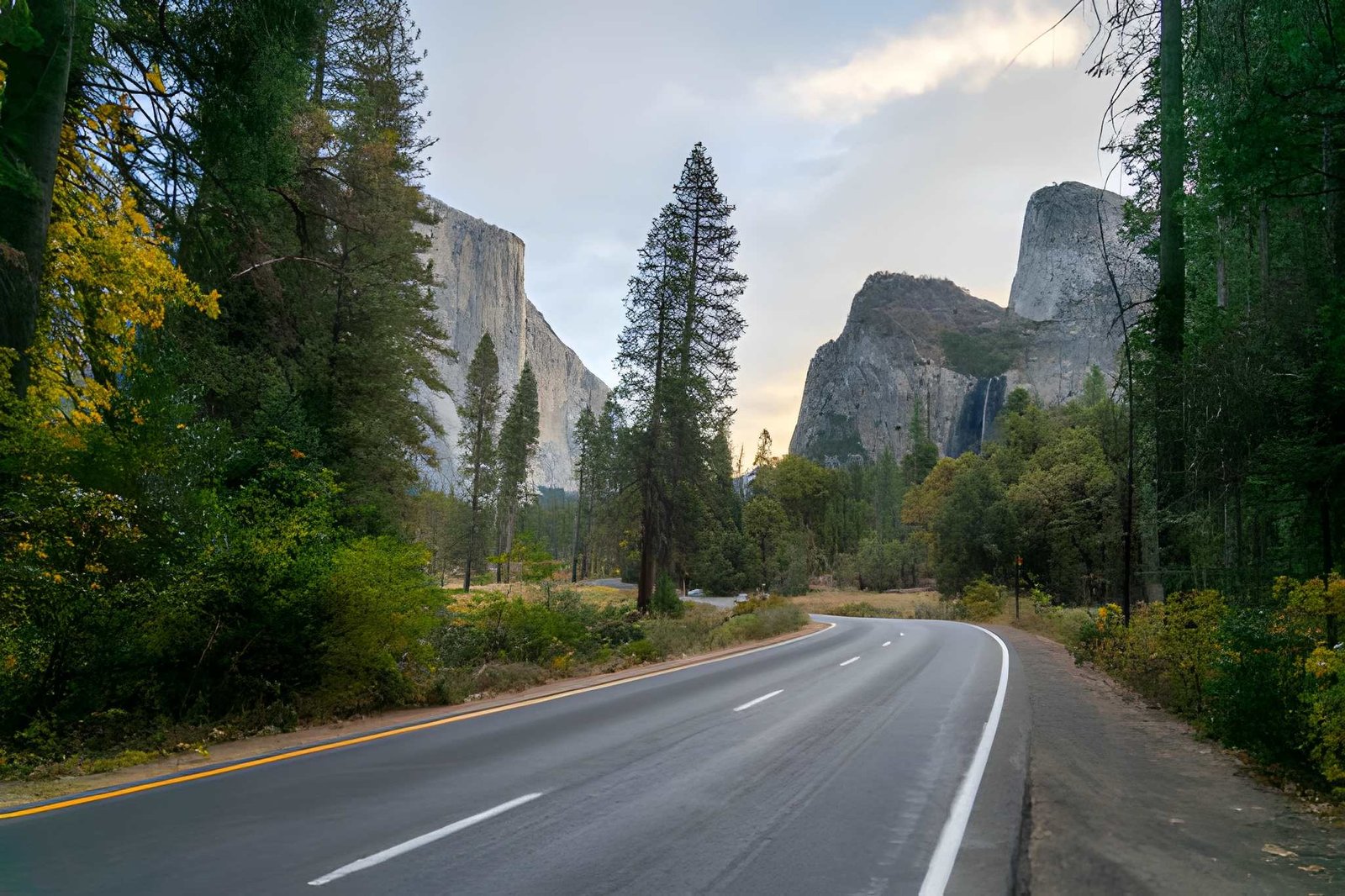
The GPS shows three hours and forty-five minutes from San Francisco to Yosemite Valley, but that estimate assumes you’ll ignore every fruit stand, Gold Rush town, and scenic pullout along Highway 120—which would be a massive mistake. My first San Francisco to Yosemite road trip happened on a tight schedule back in 2019, rushing straight through to maximize park time, and I spent the entire drive regretting every bypassed town sign and roadside attraction. Two years later, armed with better planning and no hard deadlines, I transformed this drive into a three-day adventure that rivals Yosemite itself for memorable experiences—sampling stone fruit at family farms in the Central Valley, exploring preserved Gold Rush saloons where miners struck it rich in the 1850s, hiking to hidden waterfalls in Stanislaus National Forest, and understanding how the seemingly empty agricultural heartland between San Francisco’s urban energy and Yosemite’s wilderness actually tells California’s most important story about water, immigration, agriculture, and the complex relationship between cities and nature. This comprehensive San Francisco to Yosemite road trip guide covers the fastest route (Highway 120 via Manteca) and the scenic alternative (Highway 140 via Merced), details twelve essential stops that transform a simple drive into a destination-worthy journey, provides practical logistics about gas stations, food options, and overnight accommodations, breaks down a perfect 3-day itinerary that balances driving with exploration, and delivers insider tips about seasonal timing, what to pack, and how to maximize your experience whether you have two days or a full week for this iconic Northern California road trip.
Quick Trip Overview: SF to Yosemite
| Route | Distance | Drive Time | Best For |
|---|---|---|---|
| Highway 120 (via Manteca) | 170-195 miles | 3.5-4 hours | Direct route, Gold Rush towns, most stops |
| Highway 140 (via Merced) | 185-210 miles | 4-4.5 hours | Scenic alternative, easier winter access |
| Backroads via Sonora | 220-240 miles | 5-6 hours | Maximum scenery, wine tasting, longest route |
Ideal Trip Length: 3-4 days (1 day driving with stops, 2-3 days Yosemite)
Best Season: April-October (Tioga Road open); November-March requires Highway 140
Gas Stations: Fill up in Tracy or Oakdale; limited options after Groveland
Cell Service: Good until Groveland, spotty/none inside Yosemite
Understanding the Route Options
Highway 120: The Classic Route (Recommended)
This is the route most San Francisco to Yosemite travelers take, and for good reason—it’s the most direct path while still offering excellent stops and scenery. You’ll leave San Francisco via Bay Bridge (I-80 East), transition to I-580 East through Livermore, pick up I-205 East briefly, then follow Highway 120 East all the way to Yosemite’s Big Oak Flat Entrance.
What You’ll See: Central Valley agriculture (orchards, vineyards, farmland), Gold Rush towns (Oakdale, Jamestown, Groveland), foothills transitioning to mountains, eventual views of Sierra Nevada peaks, and that dramatic entrance into Yosemite where suddenly you’re surrounded by towering pines and granite cliffs.
Highway 120 Advantages:
- Most stops and attractions along the route
- Enters Yosemite at Big Oak Flat, providing access to both Yosemite Valley and Tuolumne Meadows (if Tioga Road is open)
- Better restaurant and accommodation options in towns
- Slightly shorter driving time than Highway 140
Highway 120 Considerations:
- Can have more traffic, especially summer weekends
- Tioga Pass section (inside Yosemite) closes November-May due to snow
- Some winding mountain sections near Groveland
Detailed Highway 120 Route:
- San Francisco → Bay Bridge (I-80 East) → 12 miles
- I-580 East through Livermore → 45 miles
- I-205 East to Manteca → 23 miles
- Highway 120 East through Oakdale, Jamestown, Groveland → 90 miles
- Big Oak Flat Entrance to Yosemite Valley → 25 miles
Total: Approximately 195 miles, 3.5-4 hours non-stop
Highway 140: The All-Season Alternative
Highway 140 provides the most reliable year-round access to Yosemite and arguably delivers more dramatic scenery as you approach the park. This route takes I-580 East from San Francisco, transitions to Highway 99 South near Tracy, picks up Highway 140 East in Merced, and follows the Merced River canyon straight into Yosemite Valley.
What You’ll See: Central Valley farmland, Merced River canyon with towering rock walls, the river itself rushing alongside the road (spring snowmelt is spectacular), and one of the most dramatic park entrances anywhere—you literally drive through a tunnel carved into granite to emerge in Yosemite Valley.
Highway 140 Advantages:
- Open year-round (lowest elevation entrance)
- Most scenic final approach to Yosemite
- Less winding than Highway 120
- Enters directly into Yosemite Valley (no additional driving needed)
Highway 140 Considerations:
- Fewer interesting stops along the route
- Slightly longer drive time
- Can have rockslide closures (though rare)
- Less access to northern Yosemite attractions
When to Choose Highway 140:
- November through May (guaranteed access)
- If you’re nervous about mountain driving
- When weather forecasts show snow
- If Yosemite Valley is your sole destination
The Scenic Backroads Option
For travelers with extra time and a desire to maximize scenery, consider routing through Sonora, adding wine country stops in Murphys, and entering via Highway 120 from the east (Tioga Pass) if it’s summer. This route easily adds 2-3 hours but delivers the most diverse California landscapes.
Backroads Route Highlights:
- Livermore Valley wine tasting (30 minutes from SF)
- Calaveras Big Trees State Park (giant sequoias)
- Murphys wine tasting rooms (Gold Rush town turned wine destination)
- Sonora and Columbia State Historic Park (best preserved Gold Rush sites)
- Highway 108 over Sonora Pass (if open, summer only)
This route works best as a 4-5 day trip with overnight stays in Murphys or Sonora.
Best Stops on San Francisco to Yosemite Drive
1. Livermore Valley Wine Country (30 Minutes from SF)
Before you’ve even left the Bay Area, Livermore Valley offers an unexpected wine tasting detour. This is California’s oldest wine region (predating Napa), and it’s grown dramatically in the past decade—over 50 wineries now operate in these rolling golden hills.
Unlike Napa’s polished tourism machine, Livermore maintains a more laid-back, accessible vibe. Tasting rooms welcome drop-ins, prices stay reasonable ($15-25 for flights), and you’ll often meet winemakers rather than hired pourers. The region specializes in Bordeaux varietals (Cabernet Sauvignon, Petite Verdot) and some excellent Rhône wines.
Top Livermore Wineries:
- Wente Vineyards (historic, beautiful estate, restaurant)
- Concannon Vineyard (Petite Sirah specialists since 1883)
- Retzlaff Estate Winery (small, organic, charming)
- McGrail Vineyards (hilltop views, consistently good wines)
Practical Details:
- Distance from SF: 40 miles, 45 minutes
- Time Needed: 1-2 hours (one winery) or 3-4 hours (wine tasting afternoon)
- When to Stop: If leaving SF late morning or early afternoon
- Pro Tip: Skip if you’re rushing; save for a dedicated Livermore trip
2. Tracy Outlets & Last Major Gas/Food (1 Hour from SF)
Tracy isn’t glamorous, but it serves an important function—it’s your last chance for major chain restaurants, big gas stations with good prices, and full-service grocery stores before things get rural. The Tracy Outlets also provide shopping if that’s your thing.
Why Stop in Tracy:
- Fill your gas tank (next reliable gas is Oakdale, 40 miles)
- Grab lunch at chain restaurants (In-N-Out, Chipotle, Panera)
- Stock up on snacks and drinks at Target or Walmart
- Use clean restrooms
- Last reliable cell service before spotty coverage
Practical Details:
- Distance from SF: 60 miles, 1 hour
- Time Needed: 15-30 minutes (gas/food) or 1-2 hours (outlets shopping)
- Skip if: You don’t need gas and brought your own snacks
3. Oakdale: Cowboy Capital & Farm Stands (1.5 Hours from SF)
Oakdale calls itself “The Cowboy Capital of the World” due to its historic rodeo culture, and the town maintains that Old West identity through the Oakdale Cowboy Museum, bronze cowboy statues downtown, and an annual rodeo that dates to 1913. But honestly, the best reason to stop is the incredible farm stands and produce.
This is the heart of California’s Central Valley, and spring through fall brings stone fruit (peaches, nectarines, apricots, plums), melons, almonds, walnuts, and virtually every fruit and vegetable California produces. The fruit stands along Highway 120 through Oakdale sell produce picked that morning, and the difference between this and supermarket fruit is revelatory.
What to Do in Oakdale:
- Sons of Rest Area Farm Stand (Highway 120, locally famous)
- Oakdale Cheese & Specialties (California artisan cheeses, local wines, sandwiches)
- Oakdale Cowboy Museum (if you appreciate Western history, $5 admission)
- Downtown Oakdale (quick walk, bronze sculptures, historic buildings)
Practical Details:
- Distance from SF: 90 miles, 1.5 hours
- Time Needed: 20-30 minutes (fruit stand stop) or 1-2 hours (museum + downtown)
- Best Season: May-September (peak produce season)
- Pro Tip: Buy stone fruit here—Yosemite food is expensive and limited
4. Columbia State Historic Park (2.5 Hours from SF)
If you’re fascinated by California Gold Rush history—and you should be, because it literally created modern California—Columbia State Historic Park is non-negotiable. This is the best-preserved Gold Rush town in California, maintained as a living history museum where the entire downtown operates like it’s 1852.
Columbia was one of the richest mining towns during the Gold Rush, and that wealth built substantial brick and stone buildings that still stand today. The state park preserves the entire historic downtown, and docents in period costume operate the shops, saloons, and museums. You can pan for gold, tour a working blacksmith shop, explore authentic mining equipment, and drink in the Iron Door Saloon (California’s oldest continuously operating saloon, established 1852).
What to Do at Columbia:
- Gold panning (actually fun, you keep any gold you find)
- Stagecoach rides (horse-drawn, 15 minutes, $8)
- Iron Door Saloon (have a beer in authentic 1850s saloon)
- Columbia Candy Kitchen (historic candy shop, great fudge)
- Hidden Treasure Mine Tour (summer only, reservation recommended)
- Downtown walking (free, self-guided, all buildings open)
Practical Details:
- Distance from SF: 130 miles, 2.5 hours
- Time Needed: 1.5-3 hours (depends on how much you explore)
- Admission: Free to park and walk; activities cost extra
- Best Time: Weekdays (less crowded) or Saturday mornings
- Pro Tip: Arrive by 10-11 AM before afternoon heat (no air conditioning in historic buildings)
5. Jamestown: Railtown 1897 State Historic Park (2.75 Hours from SF)
Just 10 minutes past Columbia, Jamestown offers another Gold Rush experience with a focus on historic trains. Railtown 1897 State Historic Park preserves working steam locomotives, a historic roundhouse, and offers train rides on steam-powered engines (weekends and holidays).
Even if you’re not a train enthusiast, the roundhouse tour is fascinating—you’ll see mechanics maintaining 19th-century locomotives using period tools and techniques. The trains themselves have appeared in over 200 movies and TV shows (including Back to the Future III, The Virginian, and countless Westerns).
What to Do in Jamestown:
- Roundhouse Tours (daily, 45 minutes, included with admission)
- Steam Train Rides (weekends April-October, 40 minutes, $15-25)
- Historic Jamestown (main street with antique shops, restaurants)
- Willow Steakhouse (if you need lunch, local favorite)
Practical Details:
- Distance from SF: 135 miles, 2.75 hours
- Time Needed: 1-2 hours
- Admission: $6 adults for park access; train rides extra
- Open: Daily 9:30 AM-4:30 PM
- Skip if: Not interested in trains and pressed for time
6. Groveland: Gateway Town & Last Services (3.25 Hours from SF)
Groveland marks the final town before Yosemite—the last place with reliable gas, restaurants, lodging, and cell service. It’s also genuinely charming, with a historic main street, the Iron Door Saloon (yes, another one, also claiming to be California’s oldest), and that genuine mountain town atmosphere.
Many travelers overnight in Groveland rather than driving all the way to Yosemite, and it’s a smart strategy—you avoid evening arrival at the park, save money on accommodation compared to Yosemite lodges, and can enter the park early morning when crowds are lightest and parking is available.
What to Do in Groveland:
- Fill gas tank (last station before Yosemite, prices are high but you need it)
- Iron Door Saloon & Grill (lunch or dinner, burgers and steaks, historic building)
- Groveland Yosemite Gateway Museum (free, small but interesting)
- Pine Mountain Lake (if time permits, pretty reservoir with beach)
- Stock up (small grocery store, limited selection)
Where to Stay in Groveland:
- Yosemite Westgate Lodge (budget-friendly, $120-180)
- Hotel Charlotte (historic, walkable to restaurants, $150-250)
- Rush Creek Lodge (upscale, pool, tavern, $300-500)
Practical Details:
- Distance from SF: 155 miles, 3.25 hours
- Time Needed: 30 minutes (gas/food) to overnight stay
- Last Gas: Seriously, fill up here—no gas inside Yosemite
- Cell Service: Fading but still functional; none past here
Perfect 3-Day San Francisco to Yosemite Itinerary
Day 1: San Francisco to Groveland with Stops (5-6 Hours Including Stops)
Morning (Leave SF 8-9 AM):
- Depart San Francisco, drive through Bay Area traffic (allow 45-60 minutes to clear urban congestion)
- Optional stop: Livermore wine tasting if you’re not in a rush
- Stop in Tracy for gas and bathroom break (20 minutes)
Midday:
- Drive through Central Valley agriculture
- Stop at Oakdale farm stands for fresh fruit (20-30 minutes)
- Optional lunch in Oakdale (add 45 minutes)
Afternoon:
- Arrive Columbia State Historic Park by 1-2 PM
- Explore Gold Rush town, pan for gold, tour saloons (2-3 hours)
- Quick stop in Jamestown if interested in trains (add 1 hour)
Evening:
- Arrive Groveland by 5-6 PM
- Fill gas tank (critical—last station before Yosemite)
- Check into Groveland hotel
- Dinner at Iron Door Saloon or other local restaurant
- Early bedtime (you’ll want to enter Yosemite early tomorrow)
Where to Sleep: Groveland (Yosemite Westgate Lodge, Hotel Charlotte, or Rush Creek Lodge)
Total Driving: 3.5 hours actual drive time; 5-6 hours with stops
Day 2: Groveland to Yosemite Valley – Full Park Day
Morning (Early Start Crucial):
- Leave Groveland by 7-7:30 AM
- Drive to Big Oak Flat Entrance (25 minutes from Groveland)
- Show park pass/pay entry fee ($35 per vehicle, valid 7 days)
- Drive to Yosemite Valley (45 minutes from entrance)
- Arrive Valley by 8:30-9 AM (critical for parking—lots fill by 10 AM in summer)
Morning in Yosemite Valley:
- Park at Yosemite Valley Lodge or Curry Village lots (wherever has space)
- Hike to Lower Yosemite Falls (1 mile loop, easy, spectacular views—spring runoff is best)
- Walk to Yosemite Valley Chapel and Sentinel Bridge (best El Capitan and Half Dome views)
- Explore Yosemite Village (visitor center, Ansel Adams Gallery, shops, restrooms)
Afternoon:
- Lunch at Yosemite Valley Lodge food court or pack picnic
- Drive to Tunnel View (mandatory photo stop—THE iconic Yosemite panorama)
- If energy permits: hike Mirror Lake (2 miles round trip, easy) or Valley View (quick roadside stop)
- If you’re ambitious: start Mist Trail to Vernal Fall (5.5 miles round trip, strenuous but worth it—budget 4-5 hours)
Evening:
- Sunset from Valley View or El Capitan Meadow
- Decide: camp in Yosemite or drive back to Groveland for hotel
- If camping: stay at Upper Pines, Lower Pines, or North Pines (reservation required months ahead)
- If staying at lodge: Yosemite Valley Lodge ($250-400) or Ahwahnee ($600-800)
- If budget: drive back to Groveland for night (45 minutes)
Where to Sleep: Yosemite Valley campground, Yosemite lodge, or back to Groveland
Day 3: Yosemite Exploration & Return to SF (or Stay Another Night)
Morning:
- If you slept in Groveland: re-enter park early (7-8 AM)
- If you camped/stayed in park: wake up early, enjoy Valley before crowds
- Hike Valley Loop Trail (7.2 miles, easy, full Valley tour) OR
- Drive to Glacier Point (1 hour from Valley, incredible panoramic views—if road is open May-October)
Midday:
- Pack up camp/check out of lodge
- Lunch in Yosemite or pack sandwiches
- Final activity options:
- Mariposa Grove of Giant Sequoias (if entering/exiting via south entrance—adds 2 hours)
- Hetch Hetchy Reservoir (if interested, northwest section, adds 2+ hours)
- Tuolumne Meadows (if Tioga Road open summer only, worth full day)
Afternoon/Evening:
- Begin drive back to San Francisco (3.5-4 hours)
- Reverse route via Highway 120
- Stop in Groveland for gas (can’t reach SF on empty tank)
- Optional dinner stop in Oakdale or push through to Bay Area
- Arrive SF by 7-9 PM depending on departure time and stops
Alternative: Stay a third night in Yosemite for more hiking, then drive back Day 4
Practical Planning Tips
When to Do This Road Trip
Best Overall: May-June and September-October
- May-June: Waterfalls at peak flow from snowmelt, wildflowers blooming, Tioga Road opens (late May)
- September-October: Warmest weather, fall colors, smaller crowds, all facilities open
Peak Summer (July-August):
- Pros: All roads open, longest days, warmest weather
- Cons: Huge crowds, parking nightmare, highest prices, waterfalls diminished
- Strategy: Arrive at Valley by 7-8 AM or use shuttle from other areas
Spring (April-May):
- Waterfalls spectacular but Tioga Road closed
- Weather unpredictable (rain, occasional snow)
- Fewer crowds, lower prices
- Highway 140 most reliable access
Fall (September-November):
- Ideal weather and conditions through October
- Tioga Road closes mid-October (weather dependent)
- November sees first snow, fewer services
Winter (December-March):
- Valley accessible via Highway 140
- Dramatic winter scenery, waterfalls frozen
- Skiing/snowshoeing opportunities
- Many services closed, challenging driving
What to Pack for This Road Trip
Car Essentials:
- Full gas tank (seriously—gas stations are sparse)
- Spare tire and jack (mountain roads are rough)
- Ice scraper/chains (winter only)
- Reusable water bottles (stay hydrated)
- Snacks (long stretches without services)
- Phone charger and car adapter
- Paper maps (cell service fails)
Yosemite Park Needs:
- Layers (temperatures swing 30°F from morning to afternoon)
- Sturdy hiking shoes (trails are rocky)
- Daypack for hikes
- Sunscreen and hat (high elevation sun is intense)
- Insect repellent (mosquitoes in summer)
- Headlamp (if camping)
- Bear canister (required for backcountry camping)
Documentation:
- Park reservation (required May-September, reserve at Recreation.gov)
- Camping reservation (if camping—book 5 months ahead)
- Hotel confirmations
- Emergency contacts
- Car insurance and registration
Money-Saving Strategies
Accommodation:
- Stay in Groveland instead of park ($120 vs $300+)
- Camp instead of lodge ($26 campsite vs $250+ room)
- Book Hotels.com or Booking.com for Groveland deals
Food:
- Pack cooler with lunch ingredients (park food is expensive and mediocre)
- Buy produce at Oakdale farm stands
- Bring breakfast bars, trail mix, snacks
- Refill water bottles at park fountains (water is free and excellent)
Entry:
- Annual America the Beautiful Pass ($80) if visiting multiple parks
- Carpool to split gas and entry fee
- Free entry days (check National Park Service website)
Common Mistakes to Avoid
Not Making Yosemite Reservations: May through September requires advance reservations just to enter the park (in addition to entry fee). Book at Recreation.gov as soon as your dates are set. Day-use reservations open 2 months ahead and sell out for summer weekends.
Arriving at Valley Late Morning: Summer parking lots fill by 9-10 AM. Arriving at 11 AM means circling for hours or parking miles away and shuttling. Leave Groveland by 7 AM to secure parking.
Underestimating Yosemite’s Size: The park is 1,200 square miles. You can’t “see Yosemite” in 2 hours. Budget minimum one full day, ideally 2-3 days. Choose what matters most and skip the rest.
Ignoring Gas Warnings: There’s an hour-plus stretch between Oakdale and Groveland with no services. Fill up in both places. Running out of gas on Highway 120 means expensive tow truck and missed park time.
Not Bringing Layers: Morning temperatures can be 45°F, afternoon 75°F. Bring jacket, long sleeves, and shorts. You’ll wear them all.
Frequently Asked Questions
How long does it take to drive from San Francisco to Yosemite?
The direct drive from San Francisco to Yosemite Valley takes 3.5-4 hours covering approximately 170-195 miles via Highway 120 (the fastest route). Actual time varies based on traffic leaving San Francisco (add 30-60 minutes for Bay Bridge and East Bay traffic during rush hour), number and length of stops (Columbia State Historic Park adds 2-3 hours, farm stands 20-30 minutes), and route choice (Highway 140 via Merced adds 30 minutes). Plan 5-6 hours total travel time if making recommended stops at Oakdale and Columbia. Summer weekends add time due to both Bay Area traffic and Yosemite parking challenges.
Can you do San Francisco to Yosemite in one day?
Yes, a San Francisco to Yosemite day trip is possible but rushed and exhausting. Leave San Francisco by 6-7 AM to arrive at Yosemite Valley by 10-11 AM. Spend 4-5 hours hiking and exploring (Lower Yosemite Falls, Tunnel View, Bridalveil Fall), leave park by 4 PM, arrive SF by 8-9 PM. You’ll spend 7-8 hours driving for 5 hours of park time. Better strategy: stay overnight in Groveland or Yosemite to maximize park time and avoid 8 hours of driving in one day.
What is the best route from San Francisco to Yosemite?
Highway 120 via Manteca provides the best overall route offering good balance of directness (3.5-4 hours), interesting stops (Oakdale, Columbia State Historic Park, Groveland), and convenient Yosemite access through Big Oak Flat Entrance. Highway 140 via Merced serves as the best winter alternative staying open year-round with more scenic final approach through Merced River canyon but fewer interesting stops along the way. Backroads through Sonora deliver maximum scenery and wine tasting but add 2-3 hours, working best for 4-5 day trips with extra time.
Where should I stop between San Francisco and Yosemite?
Essential stops include Oakdale for fresh Central Valley produce at farm stands, Columbia State Historic Park for the best-preserved California Gold Rush town, and Groveland for final gas fill-up and last services before Yosemite. Optional worthwhile stops include Livermore Valley for wine tasting 45 minutes from SF, Jamestown for Railtown 1897 steam trains, and various roadside fruit stands along Highway 120. Budget minimum 1.5-3 hours for stops beyond basic gas and food—Columbia alone deserves 2-3 hours.
Do I need a reservation to visit Yosemite from San Francisco?
Yes, Yosemite requires two types of reservations from May through September: park entry reservation (separate from entry fee, required to enter park, book at Recreation.gov) and camping reservation if camping (book 5 months ahead when reservations open). Entry reservations open 2 months before visit date at 8 AM Pacific and sell out quickly for summer weekends. Hotels inside Yosemite book 6-12 months ahead. Groveland hotels book 2-4 weeks ahead. October through April requires no entry reservation but camping still needs advance booking.
Is it better to stay in Yosemite or Groveland?
Staying in Groveland offers significant advantages for many travelers: lower cost ($120-180 vs $250-400+ in park), guaranteed availability (Yosemite lodges book months ahead), better food options, reliable WiFi and cell service, and quiet evenings away from park crowds. Staying in Yosemite provides major conveniences: wake up in the Valley, no 45-minute commute, experience sunrise and sunset in park, access to evening ranger programs, and ability to leave/return to room easily. Choose Groveland for budget and flexibility; choose Yosemite for maximum immersion and convenience if securing reservations.
What is the best time of year for a San Francisco to Yosemite road trip?
Late May through June and September through mid-October provide optimal conditions combining good weather (65-75°F days), manageable crowds (smaller than July-August peak), all park roads and facilities open (including Tioga Road and Glacier Point), and best natural features (May-June for waterfalls from snowmelt, September-October for warm weather and fall colors). Avoid July-August if possible due to overwhelming crowds requiring 6+ month advance planning and parking nightmares. Winter (November-March) works for hardy travelers wanting solitude and winter scenery but requires Highway 140 access and comfort with snow/ice driving.
Conclusion
The San Francisco to Yosemite road trip delivers far more than simple transportation between two iconic California destinations—it provides a cross-section of Northern California’s diversity, transitioning from urban Bay Area energy through agricultural Central Valley heartland into Gold Rush Sierra Nevada foothills before finally entering Yosemite’s wilderness grandeur. The drive itself tells California’s story: the cities built by Gold Rush wealth, the agriculture sustained by Sierra snowmelt, the small towns preserving 1850s heritage, and the protected wilderness that inspired America’s national park system.
The 170-mile journey via Highway 120 takes just 3.5 hours of actual driving but deserves a full day with stops, or even better, a leisurely 2-3 day trip with overnights in Groveland and Yosemite. The recommended stops—fresh produce at Oakdale farm stands, Gold Rush immersion at Columbia State Historic Park, final services in Groveland—transform this drive from necessary transit into destination-worthy adventure that rivals Yosemite itself for memorable California experiences.
Success requires understanding logistics that catch unprepared visitors: gas up religiously in Tracy, Oakdale, and especially Groveland since an hour-plus stretch has zero services, make Yosemite entrance reservations May-September months before your trip, arrive at Valley by 8-9 AM during summer for parking before lots fill, and bring layers for temperature swings from 45°F mornings to 75°F afternoons regardless of season. Most critically, resist the urge to rush straight through—those roadside fruit stands, Gold Rush saloons, and small-town museums along Highway 120 provide context and contrast that makes Yosemite’s wilderness feel even more remarkable.
Whether you’re planning a quick 2-day escape or an extended week exploring both the drive and the destination, this San Francisco to Yosemite road trip offers something increasingly rare in modern travel: a journey where getting there matters as much as arriving.
Key Takeaways
The San Francisco to Yosemite road trip follows Highway 120 East for 170 miles requiring 3.5-4 hours non-stop driving, but transforming into a full-day adventure with essential stops including Oakdale’s Central Valley farm stands selling stone fruit picked that morning, Columbia State Historic Park preserving California’s best Gold Rush town with gold panning and 1850s saloons, and Groveland providing the final gas station, restaurants, and lodging before Yosemite’s Big Oak Flat Entrance—budget 5-6 hours total travel time with stops or overnight in Groveland to enter the park early morning.
Successful Yosemite access requires advance planning including park entrance reservations May-September booked at Recreation.gov two months ahead, camping reservations secured five months ahead when spots release, and arrival at Yosemite Valley by 8-9 AM during summer months before parking lots fill completely by 10 AM—staying in Groveland ($120-180/night) rather than Yosemite lodges ($250-400+) saves money while providing better food options and guaranteed availability versus park accommodations booking 6-12 months ahead.
The ideal 3-day San Francisco to Yosemite itinerary dedicates Day 1 to the drive with stops in Columbia and overnight in Groveland, Day 2 to Yosemite Valley hiking (Lower Yosemite Falls, Tunnel View, Mist Trail options), and Day 3 to additional park exploration before afternoon return drive—serious gas planning is critical with mandatory fill-ups in Tracy, Oakdale, and Groveland since an hour-plus stretch between Oakdale and Groveland has zero services and running out of gas on winding Highway 120 means expensive tow trucks and missed park time.
