
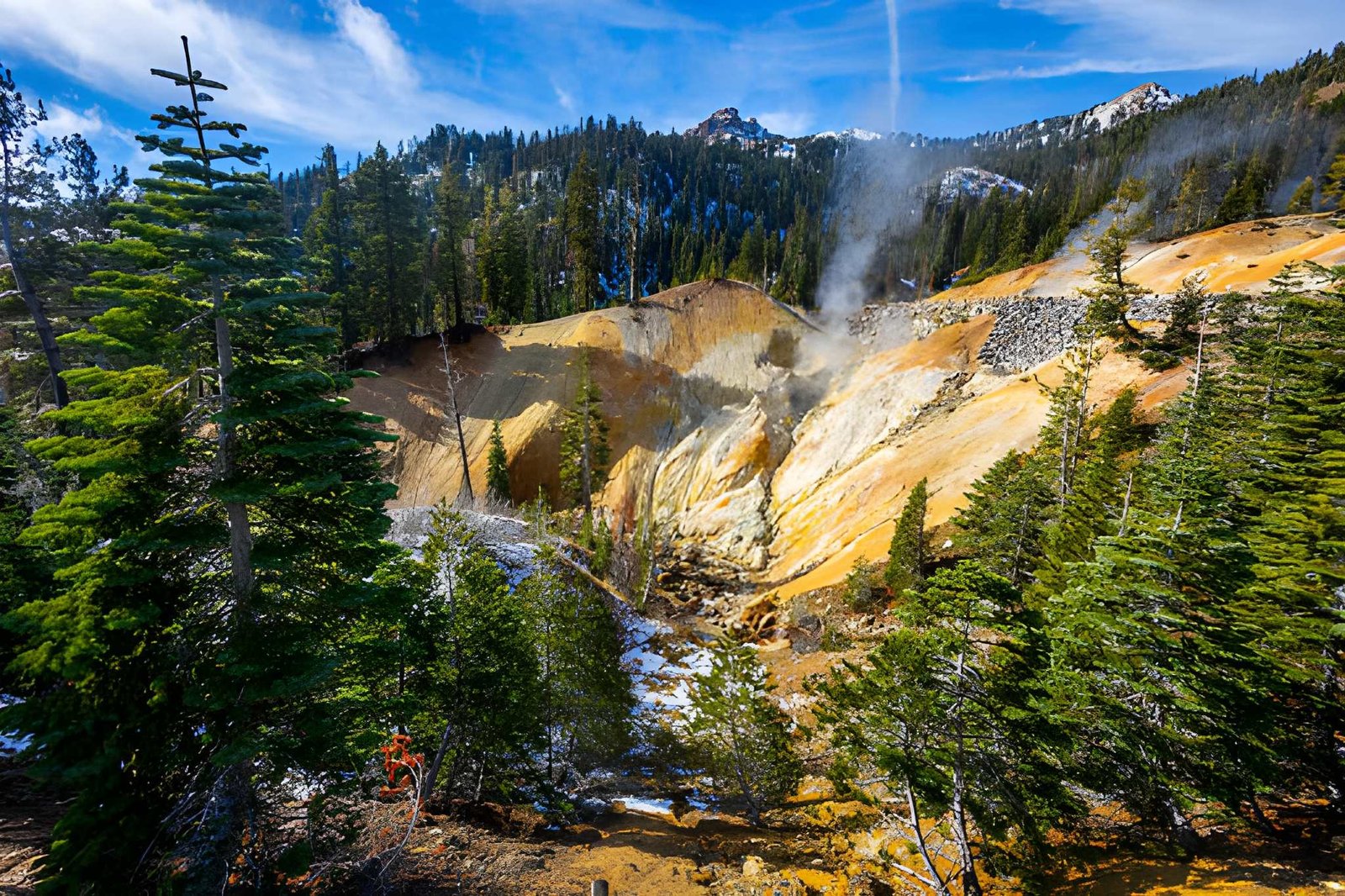
I’m soaking in a natural pool at Travertine Hot Springs watching the sun drop behind the Eastern Sierra while steam rises into cold mountain air, and the only sounds are water bubbling from the ground and wind through sagebrush. After visiting fourteen California hot springs over the past six years, I’ve learned that these geothermal waters offer something you can’t find at regular pools or beaches. The mineral-rich water that’s been heated deep underground and forced to the surface creates a different kind of relaxation, one that seems to work on muscles and stress simultaneously.
California sits on the Pacific Ring of Fire, where tectonic plate movement creates volcanic activity and geothermal features throughout the state. This geology gives California one of the highest concentrations of hot springs in the United States, from rustic roadside soaks in the Eastern Sierra to luxury resort spas in wine country to remote desert pools accessible only by hiking. The variety means you can find hot springs experiences ranging from free natural pools where clothing is optional to upscale spas charging hundreds of dollars for mud baths and massage packages.
This guide covers what I’ve learned through personal visits to hot springs across California. I’ll share which locations offer the best natural settings versus resort amenities, how to find and access remote springs safely, what to expect at clothing-optional versus family-friendly spots, the real differences between natural mineral water and resort pools, and practical details about access, costs, and timing that actually matter when you’re planning a trip.
Understanding California Hot Springs Before You Visit
Hot springs form when groundwater seeps deep into the earth, gets heated by geothermal energy from magma or hot rock, then rises back to the surface through cracks and faults. The water picks up minerals during this underground journey, which is why hot spring water often contains sulfur, calcium, magnesium, and other elements people claim have therapeutic benefits.
California’s hot springs divide into two basic categories. Natural hot springs are undeveloped pools where water emerges from the ground and collects in depressions, often alongside rivers or creeks. These range from roadside pullouts with simple concrete tubs to remote wilderness soaks requiring hours of hiking. Resort hot springs channel geothermal water into constructed pools, spas, and bathhouses, adding amenities like changing rooms, restaurants, and lodging while charging admission or requiring overnight stays.
The temperature variation matters when choosing where to go. Some springs emerge at 180 degrees and need significant cooling before anyone can soak. Others bubble up at a perfect 102-104 degrees. Many natural springs mix hot water with cold creek water, letting you adjust temperature by moving between pools or repositioning rocks to control flow. Resort springs usually maintain controlled temperatures in different pools.
Mineral content creates that distinct hot spring experience but also creates strong sulfur smells at many locations. If you’ve never soaked in sulfur-rich water, the rotten egg smell can be off-putting at first. I’ve gotten used to it over the years, but it still catches me by surprise when I first arrive at high-sulfur springs. The smell fades once you’re in the water, and most people stop noticing after a few minutes.
Clothing policies vary dramatically and deserve consideration before visiting. Many California hot springs maintain clothing-optional traditions, meaning you can wear a swimsuit but most regular visitors don’t. Other springs require suits. Some have different policies for different areas or times of day. I’ll note policies for each location, but checking current rules before visiting prevents awkward surprises.
Eastern Sierra Hot Springs: Mountain Soaks with Dramatic Views
The Eastern Sierra from Bridgeport south to Lone Pine hosts California’s highest concentration of easily accessible natural hot springs. The area’s volcanic history and active geothermal systems create numerous springs, many sitting right along Highway 395.
Travertine Hot Springs, Bridgeport
Travertine sits about five miles south of Bridgeport on a hillside above Highway 395, offering multiple pools with 360-degree mountain views. The springs flow from the ground at around 140 degrees, cooling as they cascade down the hill through a series of natural and human-enhanced pools. You can choose your temperature by selecting pools higher or lower on the slope.
I’ve visited Travertine four times during different seasons. Summer brings crowds, with all pools occupied by late morning on weekends. Early fall sees fewer people but still comfortable weather for soaking. Winter visits offer solitude and the surreal experience of sitting in hot water while snow falls around you, though reaching the springs requires driving on potentially icy roads.
The pools themselves are natural depressions lined with travertine deposits the hot water leaves behind. The mineral buildup creates smooth, colorful surfaces ranging from white to orange to brown. Algae grows in cooler pools, creating bright green contrast against mineral deposits. The setting is purely natural, with no facilities beyond a dirt parking area.
Access is straightforward. Drive south from Bridgeport on Highway 395 for about five miles, watching for Jack Sawyer Road on the right. Turn onto this dirt road and continue about half a mile to the parking area. The springs are visible on the hillside. Parking fills quickly on nice weekend days. The springs are free, open 24 hours, and clothing-optional though people do wear suits.
Wild Willy’s Hot Springs, Mammoth Lakes
Wild Willy’s sits in the high desert east of Mammoth Lakes, accessible year-round via paved road most of the way. The springs consist of two small pools, one roughly circular and one shaped like a heart, both created by damming up the natural outflow with rocks and concrete.
The pools are small, each fitting maybe 3-4 people comfortably. Water emerges at around 102-105 degrees, perfect soaking temperature without needing to mix with cold water. The location offers views across sage-covered hills toward distant mountains. At night, the dark sky reveals stars you can’t see from cities or even most mountain towns.
I’ve soaked at Wild Willy’s twice, once in summer and once during fall. Summer saw steady traffic with pools rarely empty. Fall provided more solitude, with stretches of having the springs to ourselves. The intimacy of the small pools means you’ll interact with other visitors more than at larger spring complexes.
Getting there requires following Highway 395 north from Mammoth Lakes toward Benton Crossing Road. Turn east at a small green church, cross two cattle guards, then turn right at the first dirt road. Continue bearing left until reaching a small parking area with a boardwalk leading to the springs. The last section is unpaved but usually fine for regular cars. The springs are free, open all the time, and clothing-optional.
Crab Cooker Hot Springs, Mammoth Lakes
Crab Cooker earned its name from a valve that controls water temperature, similar to adjusting a burner under a pot. The spring emerges very hot, and the valve lets you mix in cold creek water to achieve comfortable soaking temperature.
The single pool sits right alongside Hot Creek, where the geothermal stream meets the cold creek. You can soak with views of the canyon and easy access to cold water for temperature contrast if you want the hot-cold plunge experience. The pool itself is simple concrete, functional rather than scenic, but the surrounding canyon setting provides the aesthetics.
Access requires driving the same route as Wild Willy’s but continuing past it on rough dirt road for another couple of miles. High-clearance vehicles help though I’ve seen regular cars make it during dry conditions. Winter access becomes difficult or impossible depending on snow. The springs are free and clothing-optional.
Hilltop Hot Springs, Mammoth Lakes
Hilltop sits on a ridge above Benton Crossing Road about fifteen minutes from Mammoth Lakes town. The springs consist of several small pools at different temperatures, offering choices from lukewarm to very hot. The elevation provides views across the Long Valley Caldera toward surrounding mountains.
I visited Hilltop after a day of hiking around Mammoth, arriving in late afternoon when shadows were lengthening across the valley. The springs delivered exactly what sore muscles needed, with hot water and big sky working better than any massage. Other visitors were quiet and respectful, creating a peaceful atmosphere.
The pools are natural depressions with some rock work to hold water. They’re small and intimate rather than large enough for crowds. Water temperature varies significantly between pools, so you’ll want to test a few before settling in. The setting feels remote despite the short walk from parking.
Drive from Mammoth Lakes on Highway 395 toward Benton Crossing Road and turn east. Continue about three miles, watching for a small parking area on the left with a short trail leading uphill to the springs. The walk takes maybe five minutes. Free access, clothing-optional, open always.
Wine Country Hot Springs: Luxury Soaks and Spa Resorts
Napa and Sonoma counties host several hot springs resorts where geothermal water feeds upscale spa facilities. These locations trade natural settings for professional amenities, comfort, and often excellent food and wine.
Calistoga Motor Lodge & Spa, Calistoga
Calistoga sits at the north end of Napa Valley, above volcanic geothermal systems that create hot springs throughout the area. The Motor Lodge offers mineral pool soaking alongside traditional spa services in a renovated mid-century motel setting.
The property maintains three mineral pools at different temperatures, from warm to quite hot. Water comes from geothermal wells drilled on the property, bringing up naturally heated water rich in minerals. The pools sit in an outdoor courtyard area, simple and functional rather than fancy.
I stayed here for a weekend wine tasting trip, using the pools to relax after days spent driving between Napa wineries. The convenience of having mineral soaks right at the hotel worked perfectly, and the water genuinely felt different from regular heated pool water. My muscles relaxed more completely than they would have in a standard hot tub.
Rates start around $200 per night with pool access included. The spa offers additional services including the famous Calistoga mud baths, where you’re covered in volcanic ash and peat moss heated to around 104 degrees, then showered off and soaked in mineral water. Day use isn’t typically available, making this resort springs requiring overnight stays.
Indian Springs Calistoga
Indian Springs operates California’s oldest continuously running spa, dating to 1862. The property channels geothermal water into a large outdoor pool, offers mud bath treatments, and provides lodging in bungalows and hotel rooms scattered across gardens.
The main pool is Olympic length, filled with mineral water kept at 92 degrees year-round. This cooler temperature compared to small hot tubs allows extended soaking without overheating. The pool sees steady use from hotel guests throughout the day but rarely feels crowded given its size.
The mud bath experience here follows traditional Calistoga protocols. You’re covered in hot mud for 10-15 minutes, then showered, then soaked in mineral water, then wrapped in blankets to cool down gradually. Some people swear by the therapeutic benefits. I found it relaxing and interesting but wouldn’t claim miraculous health improvements.
Rooms start around $300 per night. Day spa packages are available for non-guests, with mud bath experiences running $150-200 per person including mineral soak. The property sits right in downtown Calistoga, walking distance to restaurants and tasting rooms.
Vichy Springs Resort, Ukiah
About an hour north of Napa Valley, Vichy Springs operates a historic resort dating to 1854. The property claims California’s only naturally carbonated mineral springs, where water emerges with effervescence created by underground carbon dioxide.
The carbonation creates a unique soaking experience, with tiny bubbles covering your skin. The water temperature is warm rather than hot, around 90 degrees, making long soaks comfortable. The resort maintains several outdoor pools plus an indoor soaking area in the original 1860s bathhouse.
Mark Twain and Jack London both visited Vichy Springs during its 19th century heyday. The property fell into disrepair and changed hands multiple times before current owners restored it. Today it offers lodging, spa services, and day use options in a parklike setting with mature trees and gardens.
Day use costs around $40 per person including access to all pools. Overnight rates start at $250. The property sits in hills above Ukiah, requiring about ten minutes of driving on winding roads from Highway 101.
Northern California Wilderness Hot Springs
Northern California’s mountains host several hot springs resorts in forested settings, offering more rustic experiences than wine country spas while still providing facilities and amenities.
Harbin Hot Springs, Middletown
Harbin operates as a nonprofit retreat center run by the Heart Consciousness Church, maintaining a clothing-optional policy and emphasizing quiet, contemplative use. The property offers multiple pools at different temperatures, extensive grounds with hiking trails, lodging options, and a cafe.
The main pool area features three connecting pools: cold plunge around 60 degrees, warm pool at 98-100 degrees, and hot pool at 110-112 degrees. Moving between temperatures is the intended experience. A separate area has warmer pools for those who want simply hot soaking. All pools are outdoors in a forest setting.
The clothing-optional policy is taken seriously here, with nearly everyone in the pools nude. If you’re uncomfortable with nudity or prefer wearing suits, this probably isn’t your spot. The atmosphere emphasizes meditation and silence, with talking discouraged in pool areas and quiet zones throughout the property.
A 2015 wildfire destroyed many buildings including the historic lodge. Harbin rebuilt and reopened in 2019 with new facilities while maintaining its spiritual retreat character. The property now includes modern cabins, camping areas, and that food court with surprisingly good vegetarian food.
Day use costs $40-50 per person. Overnight stays range from $70 for camping to $200+ for private rooms. The property sits about 30 minutes north of Calistoga in the hills above Middletown. Reservations are required for both day use and overnight stays.
Orr Hot Springs, Ukiah
Orr offers a smaller, more intimate version of the clothing-optional resort experience. The property features several pools both indoors and outdoors, a sauna, and basic lodging in a forested canyon setting.
The main outdoor pools sit alongside a creek, with water temperatures ranging from cool to very hot. Indoor facilities include a warm soaking pool and steam room. The property maintains a quiet, meditative atmosphere similar to Harbin but on a smaller scale that feels less institutional.
I visited Orr on a winter afternoon when rain was falling steadily. Soaking in the outdoor hot pool while rain fell on my head created an experience I wouldn’t trade for any sunny day. The combination of hot water, cold air, falling rain, and forest sounds was perfect.
Day use runs $40-50. Overnight options include tent camping, simple cabins, and a few rooms in the main building. The property sits on a narrow canyon road requiring careful driving but provides a genuine sense of removal from ordinary life.
Southern California Desert and Mountain Hot Springs
Southern California offers hot springs ranging from easily accessed desert soaks to remote mountain locations requiring serious hiking.
Deep Creek Hot Springs, San Bernardino Mountains
Deep Creek ranks as Southern California’s most famous natural hot springs, sitting alongside Deep Creek in the San Bernardino National Forest. Multiple pools line the creek at the confluence with hot spring outflow, letting you choose temperatures by position.
The catch is access. Reaching Deep Creek requires either a 3-4 mile hike from the Bowen Ranch trailhead ($10 fee per person to cross private land) or a longer approach from other directions. The trail drops about 900 feet to the creek, meaning the return climb can be challenging especially in summer heat.
The springs themselves are worth the effort. Several pools of varying temperatures sit right along the creek, with crystal-clear hot water mixing with cool creek flow. The setting in a desert canyon with rocks and sparse vegetation creates a wild atmosphere. The springs maintain a clothing-optional tradition with most visitors nude.
Crowding can be severe on nice weekends, with dozens of people competing for limited pool space. Weekday visits or off-season timing provides better experiences. Camping is allowed but requires permits. Water in the creek is not safe to drink, and there are no facilities beyond a portable toilet at the trailhead.
Glen Ivy Hot Springs, Corona
Glen Ivy operates as Southern California’s most accessible hot springs resort, offering day use without overnight stays required. The property features multiple pools, mud baths, saunas, and spa services in a resort setting.
The signature experience is Club Mud, a large pool filled with red clay mud that visitors smear all over themselves before rinsing in showers. It’s messy and fun rather than deeply therapeutic, but the mineral-rich mud does leave skin feeling soft. Regular pools at various temperatures provide standard soaking.
The property gets crowded on weekends with a young, social crowd treating it like a pool party more than a quiet spa retreat. Weekday visits offer calmer experiences. The setting is developed resort rather than natural springs, but the convenience and facilities work well for people who want comfort alongside their hot springs experience.
Day use costs $50-80 depending on day and services included. The resort sits about an hour from Los Angeles or San Diego, making it convenient for Southern California residents.
Free Natural Hot Springs Worth Finding
Beyond developed resorts, California offers numerous natural springs on public land that cost nothing to access.
Mono Hot Springs, Sierra National Forest
Despite the name, Mono Hot Springs isn’t a single spring but a small community built around geothermal features. A free natural hot spring sits alongside the South Fork San Joaquin River, separate from the commercial resort.
The natural spring consists of one main pool where water emerges at around 104 degrees. The pool is simple rock and concrete work, holding maybe 8-10 people. Overflow spills into the river, and you can position yourself at the mixing point for temperature control.
Access requires driving the Kaiser Pass Road from Highway 168, a narrow mountain road that’s slow going but passable for regular cars in summer. Winter snow closes the road. The spring sits right next to the road with parking for a few cars. Free, open always, clothing-optional in practice though some people wear suits.
Grover Hot Springs State Park
Grover operates as a state park with developed facilities while maintaining a natural setting. The park offers two pools, one fed by hot springs at around 102-105 degrees and one filled with cold creek water for swimming.
The pools are constructed concrete rectangles rather than natural rock formations, but the setting in a mountain meadow surrounded by pine forest provides natural atmosphere. Boardwalks lead through wetlands created by hot spring runoff, and hiking trails climb into surrounding mountains.
The park charges $8 vehicle entry plus $10 per adult for pool access. Hours are limited (Thursday-Tuesday 10 AM-7 PM, closed Wednesdays). Camping is available in the adjacent campground. The pools accommodate many people but can fill to capacity on busy summer weekends.
Located south of Lake Tahoe near Markleeville, Grover sits about an hour from the lake via Highway 88 or 89. The location makes it convenient for Tahoe visitors wanting to add hot springs to their mountain vacation.
Practical Hot Springs Information
A few practical considerations apply regardless of which springs you visit.
Bring towels, water bottles, and any food you’ll want. Natural springs rarely have facilities, and even resorts may have limited food options. I pack a small cooler with water and snacks for any hot springs day trip.
Check road conditions before visiting remote springs. Many Eastern Sierra and mountain springs require driving dirt roads that become impassable when wet or snowy. What’s easy access in summer can be completely blocked in winter.
Respect local etiquette at clothing-optional springs. If you’re uncomfortable being nude, wearing a suit is fine, but don’t make comments about others who choose not to. If you prefer suit-required locations, stick to developed resorts with clear policies.
Don’t expect therapeutic miracles. Hot spring water contains minerals, and soaking in hot water relaxes muscles. Those are real benefits. Claims about curing diseases or providing extraordinary health improvements aren’t supported by scientific evidence. Enjoy the relaxation without needing to justify it with exaggerated health claims.
Time visits to avoid peak crowds at popular springs. Early morning or late afternoon works better than midday on weekends. Winter weekdays offer the most solitude at accessible springs.
Frequently Asked Questions About California Hot Springs
Are California hot springs safe? Most developed hot springs and well-maintained natural springs are safe if you follow basic precautions. Don’t submerge your head, avoid swallowing water, shower afterward, and don’t soak with open wounds. Pregnant women, people with heart conditions, and anyone on medications affecting body temperature should consult doctors before hot spring use.
What should I wear to hot springs in California? This depends entirely on the location. Developed resorts require swimsuits. Many natural springs are clothing-optional, meaning swimsuits are allowed but most people don’t wear them. Check specific spring policies before visiting to avoid surprises.
Do I need reservations for California hot springs? Resorts typically require reservations for overnight stays and sometimes for day use. Natural springs on public land usually don’t need reservations, though some popular locations like certain Mammoth Lakes springs have parking that fills early on busy days.
Can you camp at hot springs in California? Some natural springs like Deep Creek allow camping with permits. Several resort springs including Harbin and Orr offer overnight camping. Grover Hot Springs State Park has adjacent camping. Most wine country resort springs are day use or hotel lodging only.
What’s the best time to visit California hot springs? This varies by location. Eastern Sierra springs are accessible year-round but can be icy to reach in winter. Wine country resorts work any season. Desert springs are best fall through spring when temperatures are cooler. Weekdays see fewer crowds than weekends regardless of season.
How hot are California hot springs? Natural springs emerge at temperatures ranging from around 90 degrees to over 180 degrees depending on the source. Most soaking happens in pools where water has cooled to 100-110 degrees, though some people enjoy hotter soaks up to about 115 degrees.
Are hot springs clothing-optional in California? Many California hot springs maintain clothing-optional traditions, but policies vary by location. Harbin, Orr, Deep Creek, Travertine, Wild Willy’s, and most remote natural springs are clothing-optional. Wine country resorts and state parks typically require suits. Always check current policies before visiting.
Do California hot springs smell bad? Many California hot springs contain sulfur, which creates a rotten egg smell. The intensity varies by mineral content. High-sulfur springs like some Eastern Sierra locations smell stronger than low-sulfur springs. Most people get used to the smell quickly while soaking.
Can kids visit California hot springs? Family-friendly options include Grover Hot Springs State Park, Glen Ivy, and wine country resorts during daytime hours. Clothing-optional springs are not appropriate for children. Some adult-focused resorts like Harbin allow children during specific daytime hours but maintain adults-only policies for evening soaking.
How much do California hot springs cost? Natural springs on public land are free. State parks charge entrance and pool fees totaling around $18-20. Day use at resort springs runs $40-80. Overnight stays at resort springs range from $70 for camping to $300+ for private rooms.
Why Hot Springs Keep Drawing Me Back
I could soak in a heated pool or hot tub at home or at any gym, yet I keep driving hours to natural hot springs in remote locations. The difference comes down to a combination of factors that regular pools can’t match.
There’s something about water that heated itself underground and emerged naturally rather than being heated by machinery. The minerals in the water create different sensations against skin. The natural settings, whether mountain springs with big views or forest pools surrounded by trees, provide experiences separate from typical recreation.
Hot springs also force disconnection in ways other activities don’t. Many springs have no cell service. The etiquette at most springs discourages loud conversation. You end up simply soaking, watching the landscape, maybe talking quietly with companions, and letting your mind settle. That combination of physical relaxation and mental quiet is harder to achieve than you’d think in daily life.
The variety across California’s hot springs means you can match experiences to moods and budgets. Need luxury and pampering? Book a Calistoga resort. Want adventure and solitude? Hike to Deep Creek. Seeking spiritual retreat? Visit Harbin. Just want a simple soak after a day in the mountains? Pull off at Travertine. The options accommodate different preferences while delivering that core hot spring experience of mineral water, steam rising into air, and muscles gradually releasing tension you didn’t know you were carrying.
