

I’m standing in my hotel room in Tulum, staring at my suitcase in disbelief. After flying four hours and spending $200 on beachfront accommodations, I’ve just realized I forgot sunscreen. Not travel-sized backup bottles tucked in my toiletry bag—I forgot sunscreen entirely. The hotel gift shop wants $35 for a tiny bottle of questionable SPF 30, and I’m kicking myself for not using a proper beach vacation packing list. After fifteen tropical getaways over the past seven years—from Hawaii to the Caribbean to Mexico’s Pacific coast—I’ve learned that successful beach vacations aren’t just about choosing the right destination. They’re about bringing everything you need to actually enjoy the sun, sand, and surf without last-minute drugstore runs, overpriced resort purchases, or that sinking feeling when you realize you’ve forgotten something essential. Whether you’re planning a week in the Caribbean, a family trip to Florida beaches, or a romantic Hawaiian escape, this comprehensive beach packing list covers 75+ essentials organized by category, plus a free downloadable printable checklist that ensures you’ll never stand in another overpriced hotel gift shop wondering how you forgot the basics.
Quick Visual Checklist: Beach Vacation Essentials
Clothing & Accessories ✓
- 2-3 swimsuits | Cover-ups | Tank tops & shorts | Sundresses | Sandals & flip-flops | Water shoes | Sun hats | Sunglasses
Sun Protection ✓
- Reef-safe sunscreen SPF 30+ | Face sunscreen | Lip balm SPF | Aloe vera | After-sun lotion | Rash guard
Beach Gear ✓
- Beach towels (2 per person) | Beach bag | Waterproof phone case | Cooler | Reusable water bottle | Dry bag
Water Activities ✓
- Snorkel gear | Goggles | Flotation devices | Beach toys | Underwater camera
Toiletries ✓
- Travel-sized basics | TSA-compliant containers | First aid kit | Medications | Bug spray | Hand sanitizer
Entertainment ✓
- Beach reads/e-reader | Portable speaker | Games | Frisbee | Sand toys | Camera
Documents & Tech ✓
- Passport/ID | Travel insurance | Tickets | Credit cards | Phone & chargers | Power bank
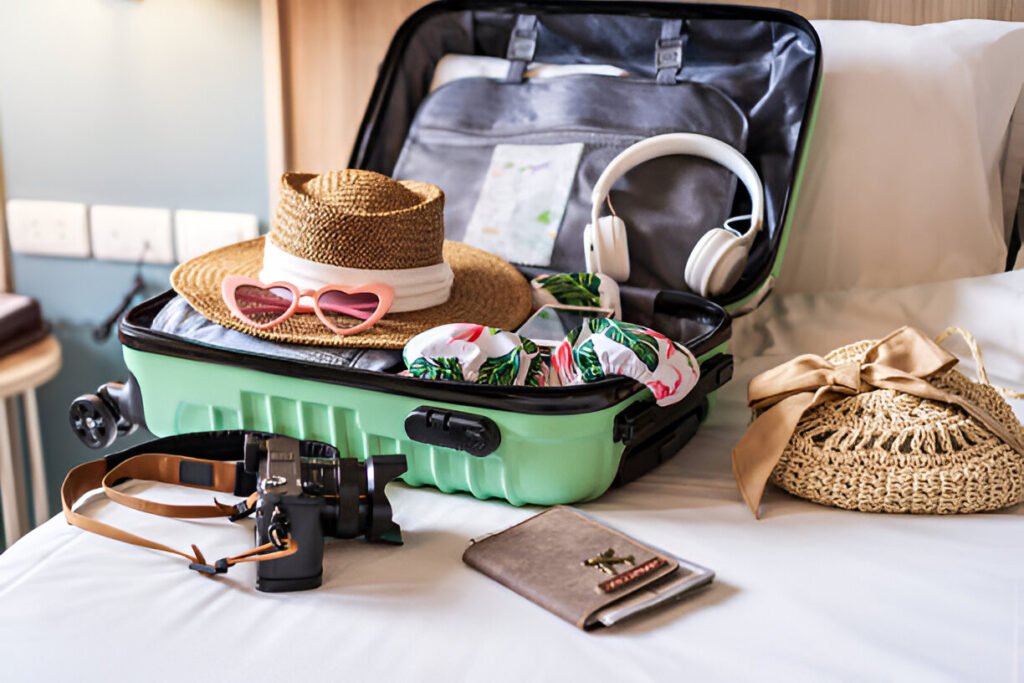
Essential Beach Clothing: What to Pack
Swimwear (The Foundation of Beach Packing)
Here’s something most beach packing lists won’t tell you—you need at least two swimsuits, ideally three. I learned this the hard way in Costa Rica when my single bathing suit stayed damp for three straight days in that humid jungle-meets-beach climate. Constant dampness leads to skin irritation, uncomfortable chafing, and honestly just feeling gross. Pack multiple suits so one can dry completely while you wear another.
Women should bring 2-3 one-pieces or bikinis (or mix). Consider packing different styles: one sporty suit for active water activities like snorkeling or kayaking, one more stylish option for lounging, and one backup. Men need 2-3 board shorts or swim trunks—quick-dry fabrics are essential. If you’re heading to tropical destinations with strong sun, consider swim shirts or rash guards for extended water time.
Pro Tip: Rinse suits in fresh water after ocean or pool use and hang to dry in your room (not direct sun, which degrades elastic). Avoid wringing them out aggressively—squeeze gently instead.
Cover-Ups & Beach Clothing
Cover-ups serve multiple purposes beyond modesty—they provide sun protection walking to and from the beach, keep you comfortable in air-conditioned restaurants, and protect against that painful sunburned-shoulders-rubbing-against-seat-backs situation. Pack 2-3 options: one lightweight sarong or beach dress, one button-up shirt or kaftan, and maybe a light long-sleeve option for sun protection.
For daily beach wear, bring 5-7 tank tops or t-shirts, 3-4 pairs of shorts, 2-3 sundresses or casual skirts (women), and 1-2 pairs of lightweight pants or capris for evening. Cotton and linen feel nice but take forever to dry—synthetic blends or performance fabrics work better in humid beach climates.
What I Actually Wear: Honestly, I rotate between the same 3-4 outfits all week. Don’t overthink this—beach vacation dressing is wonderfully simple. Tank top, shorts, swimsuit underneath, repeat. Save the packing space for things that actually matter like extra sunscreen or that good book you’ve been meaning to read.
Footwear
Beach vacations require surprisingly little footwear. Pack flip-flops or sandals for daily wear (bring two pairs in case one breaks—this happened to me in Barbados and finding replacement sandals mid-trip was annoying), water shoes if you’ll be walking on rocky beaches or coral reefs, and one pair of nicer sandals or casual shoes for dinners.
Water shoes aren’t optional if you’re snorkeling, exploring tide pools, or visiting beaches with sharp rocks or coral. I resisted buying them for years thinking they looked dorky, then stepped on a sea urchin in Puerto Rico and spent two days limping around with spines in my foot. Water shoes are worth every penny of their $20-30 cost.
Skip These: You don’t need athletic shoes unless you’re planning specific hikes or gym workouts. You don’t need multiple pairs of heels or dress shoes. Beach destinations are inherently casual—embrace it.
Accessories
A wide-brim sun hat is non-negotiable. Baseball caps leave your ears, neck, and face partially exposed. Get a proper sun hat with 3+ inch brim that provides real coverage. Pack two if you’re paranoid about losing one (I’ve watched three hats blow into the ocean over the years—wind happens).
Sunglasses need UV protection—don’t grab gas station sunglasses thinking they’ll work. Your eyes need UVA/UVB protection just like your skin. Bring two pairs: one nice pair for general use, one cheaper backup pair for water activities where loss is possible. Polarized lenses help with ocean glare.
Light scarf or bandana works as hair tie, headband, napkin, or emergency beach towel in a pinch. Jewelry should be minimal—leave expensive pieces home. Waterproof watch or fitness tracker helps you monitor sun exposure time.
Sun Protection: Your Most Important Beach Essentials
Reef-Safe Sunscreen (Absolutely Critical)
If I could emphasize one item on this entire beach vacation packing list, it’s this: bring reef-safe sunscreen, bring enough of it, and actually use it. Sunburns ruin beach vacations. Skin cancer is real. The ocean’s coral reefs are dying partly because of chemical sunscreens. This isn’t optional.
What “Reef-Safe” Actually Means: Reef-safe sunscreens avoid chemicals like oxybenzone and octinoxate that damage coral reefs and marine ecosystems. Hawaii banned the sale of sunscreens containing these chemicals in 2021, and other beach destinations are following suit. Even if you’re not visiting Hawaii, reef-safe options are better for ocean health everywhere.
Look for mineral-based sunscreens using zinc oxide or titanium dioxide as active ingredients. Brands like Raw Love, Stream2Sea, Badger, and Blue Lizard make excellent reef-safe options. Apply SPF 30 minimum, SPF 50 better. If you burn easily, go with SPF 50.
How Much to Pack: A standard 3-ounce TSA-approved sunscreen bottle provides about 6 full-body applications for an average adult. For a week-long beach vacation where you’re applying 2-3 times daily, you need 3-4 travel bottles, or bring one full-size bottle in checked luggage plus one carry-on bottle for the flight. Seriously, bring more than you think you need—hotel gift shop sunscreen costs $25-40 for tiny bottles.
Application Reality Check: Most people apply way too little sunscreen. You need about 1 ounce (a shot glass full) to cover your entire body. Apply 15-30 minutes before sun exposure, reapply every 2 hours, and reapply immediately after swimming or heavy sweating regardless of “water-resistant” claims.
Face-Specific Sunscreen
Your face needs different sunscreen than your body. Facial skin is more sensitive, more prone to breakouts from heavy body sunscreen, and frankly, you care more about how your face looks. Pack dedicated face sunscreen—brands like EltaMD, Supergoop, and La Roche-Posay make excellent facial formulas that don’t feel greasy or cause breakouts.
Tinted face sunscreen provides light coverage that makes you look more put-together for photos while protecting skin. I switched to tinted SPF three years ago and will never go back—it replaces foundation and eliminates that white sunscreen cast in photos.
Lip Balm with SPF
Your lips burn too, and lip sunburns are miserable—they crack, peel, and hurt every time you eat or drink. Pack SPF 15+ lip balm and reapply constantly. I go through one tube per week of beach vacation. Brands like Sun Bum, Jack Black, and Raw Love make good options.
After-Sun Care
Aloe vera gel soothes inevitable minor burns, reduces redness, and just feels amazing on sun-exposed skin even without burning. The real stuff (100% aloe vera gel) works better than blue-dyed “aloe” containing mostly alcohol. Store it in the mini-fridge if your room has one—cold aloe on sunburned skin is heavenly.
Moisturizing after-sun lotion hydrates skin that sun, salt water, and pool chlorine have dried out. Apply liberally after evening showers. Your skin will thank you, and you’ll tan more evenly rather than peeling.
UV Protection Clothing
Rash guards (long-sleeve swim shirts with UPF sun protection) let you stay in water for hours without reapplying sunscreen to your torso constantly. I resisted buying one for years, then spent a six-hour snorkeling day in Mexico that left my back completely fried despite multiple sunscreen applications. Now I own three rash guards and wear them for any extended water time.
UPF clothing blocks UV rays even when wet, unlike regular clothing. If you burn easily or plan significant water time, invest in rash guards, swim leggings, or UPF cover-ups. Columbia, O’Neill, and Coolibar make quality options.
Beach Gear: Equipment for Sand & Surf
Beach Towels
You need at least two beach towels per person—one to lay on, one to dry off with, and honestly both will be damp/sandy within hours requiring rotation. Microfiber beach towels dry faster, pack smaller, and shake sand off more easily than traditional cotton terry towels. They’re worth the $15-25 investment if you beach vacation regularly.
Cotton vs Microfiber: Cotton feels more luxurious and absorbent. Microfiber dries in 2-3 hours vs 8-12 for cotton, packs to 1/3 the size, and won’t stay damp-and-mildewy in your beach bag all week. I’ve switched entirely to microfiber for travel.
Many resorts and hotels provide beach towels—check before packing. If they do, you can skip bringing your own and just bring one quick-dry towel as backup.
Beach Bag
Your beach bag needs to be large enough for towels, sunscreen, water bottles, snacks, books, phone, and all the random stuff that accumulates, yet not so huge it’s obnoxious to carry. Mesh bags let sand fall through (genius design). Waterproof dry bags protect valuables from splashes. I use a large canvas tote with zipper closure—it fits everything and the zipper prevents items from falling out.
What Works:
- Large canvas or nylon tote (15+ inches wide)
- Multiple interior pockets for organization
- Zipper or snap closure (open-top bags spill)
- Comfortable straps (you’ll carry this daily)
- Light-colored (dark bags get scorching hot in sun)
Waterproof Phone Case
Your phone costs $800-1,200 and contains all your vacation photos, boarding passes, hotel reservations, and basically your entire life. Protect it with a waterproof case ($10-25) that lets you take underwater photos, use your phone at the pool, and generally not worry about water damage.
Test the waterproof seal before your trip—put paper towel inside, submerge in sink for 10 minutes, verify no water intrusion. Nothing ruins a vacation faster than realizing your “waterproof” case leaked and destroyed your phone.
Cooler or Insulated Bag
A soft-sided cooler keeps drinks cold, preserves snacks, and saves you from paying resort prices for bottled water and basic refreshments. I bring a collapsible cooler that folds flat when not in use—it takes minimal luggage space but provides huge value.
Fill with ice from hotel ice machine, pack water bottles, fruits, sandwiches if making beach lunches. A good cooler means you can stay at the beach 6+ hours without needing to return to hotel for food/drinks.
Reusable Water Bottles
Hydration prevents headaches, heat exhaustion, and general misery in hot beach climates. Bring insulated water bottles (Hydro Flask, YETI, or similar) that keep water cold for 12+ hours. Pack one bottle per person minimum.
Calculate water needs: you should drink 80-100 ounces daily in hot, sunny conditions—more if you’re active, drinking alcohol, or burn easily. That’s 2.5-3 liters per person daily. Hotel rooms have water, but you need bottles to carry water to beach.
Dry Bags
Small waterproof dry bags (5-20 liters) protect phones, wallets, passports, and anything you don’t want getting wet or sandy. They’re cheap ($10-20), lightweight, and incredibly useful for beach days, boat trips, or water activities.
I keep one 10L dry bag for valuables and one 20L dry bag for wet items (used swimsuits, damp towels) that I don’t want touching dry clothes in my luggage. Game-changer for travel organization.
Beach Umbrella or Pop-Up Tent
Extended sun exposure causes premature aging, increases cancer risk, and honestly just gets exhausting. Shade matters. Many beaches don’t provide umbrellas, or charge $20-40 for daily rentals. Bringing your own pop-up beach tent ($30-60) pays for itself in 2-3 days and provides reliable shade.
Lightweight pop-up tents set up in 30 seconds, provide 4-6 person shade, include sand pockets for stability, and pack into carrying bags. The Sport-Brella is legendary. Pacific Breeze makes good budget options.
When to Skip: If staying at resort with provided umbrellas/cabanas, or visiting beaches with natural shade (palm trees), you can skip this. But for wide-open beaches, shade equipment is essential.
Water Activity Equipment
Snorkel Gear
Rental snorkel gear at resorts runs $15-30 per day. Buying your own quality set costs $40-80 and lasts years—the math favors ownership if you snorkel 3+ times. Plus, rental gear fit is often poor, the mouthpieces are used by hundreds of strangers (gross), and you’re not guaranteed availability.
Quality snorkel sets include mask with tempered glass lens (not plastic), comfortable silicone seal, dry-top snorkel with purge valve, and adjustable head strap. Brands like Cressi, U.S. Divers, and Seaview make reliable options.
Mask Fit Test: Press mask against face without strap—inhale through nose. Mask should suction to your face and stay put. If it falls off, fit is wrong. Proper fit prevents leaking and fogging.
Goggles & Swim Accessories
Regular swim goggles work for pool swimming or calm water. Anti-fog coating is essential—nothing’s more annoying than fogged goggles mid-swim. Bring spare goggles because lost goggles happen.
Pool noodles, inflatable loungers, and floaties entertain kids and provide relaxation for adults. Most are cheap ($10-20) and inflatable versions pack flat in luggage.
Life Jackets & Flotation Devices
If traveling with non-swimmers or young children, bring Coast Guard-approved life jackets. Puddle jumpers work for toddlers. Don’t rely on resort life jacket availability—they’re often all checked out or wrong sizes.
Water Safety Reality: Drowning is the leading cause of death for children 1-4 years old and the second leading cause for ages 5-14. Proper flotation devices aren’t optional if your kids can’t swim independently.
Beach Toys & Games
Sand buckets, shovels, molds, and toys entertain kids for hours and cost $10-20 for a set. Inflatable beach balls, frisbees, and paddleball sets provide adult entertainment. Boogie boards ($15-30 for inflatable travel versions) offer wave-riding fun without surfboard expense or skill requirements.
Underwater Camera
GoPro or similar action cameras ($200-400) capture amazing underwater footage, snorkeling adventures, and water activities that regular phones can’t handle. Waterproof phone cases work for casual underwater photos, but dedicated underwater cameras deliver far better quality.
For budget option, waterproof disposable cameras ($15) still exist and provide old-school fun with zero worry about damaging expensive electronics.
Entertainment & Relaxation
Beach Reads
Books make beach days perfect. Physical books feel more luxurious, provide no screen time, and don’t need charging. E-readers (Kindle, Kobo) carry hundreds of books in one lightweight device, have sunlight-readable screens, and last weeks on single charge.
What I Pack: One physical book, e-reader with 4-5 loaded books, and downloaded audiobooks on phone for variety. Beach reading is prime vacation luxury—don’t skip this.
Portable Bluetooth Speaker
Music enhances beach atmosphere, pool time, and sunset drinks. Bring waterproof Bluetooth speaker (JBL, Ultimate Ears, Bose make good options $50-200) for portable soundtracks. Keep volume reasonable—nobody else wants to hear your music.
Games & Activities
Waterproof playing cards ($5-10) resist humidity and splashes. Regular cards get destroyed by moisture within days. Travel board games, card games like Uno, or conversation card decks provide evening entertainment.
Frisbees, beach volleyball, spikeball sets, or cornhole boards give active entertainment options. Many resorts provide equipment, but having your own ensures availability.
Toiletries & Personal Care
TSA Liquid Rules (Critical for Carry-On)
The TSA’s 3-1-1 rule states: 3.4 ounces (100ml) or less per container, all containers must fit in 1 quart-sized clear plastic bag, 1 bag per passenger. This applies to liquids, gels, aerosols, creams, and pastes in carry-on luggage.
What Counts as Liquid: Sunscreen, shampoo, conditioner, lotion, toothpaste, mascara, lip gloss, spray deodorant, hair gel, liquid foundation—basically anything that flows or spreads. Solid items (bar soap, solid deodorant, powder makeup) don’t count toward liquid limit.
Sunscreen Exception: Sunscreen sticks don’t count as liquids! Powder sunscreen brushes don’t count as liquids! This is huge for packing strategy—bring stick or powder sunscreen in any size without affecting your liquid allowance.
Checked Luggage: No restrictions on liquid sizes in checked bags. Bring full-size bottles if checking luggage.
Basic Toiletries
Pack travel-sized versions (or transfer into travel bottles): shampoo, conditioner, body wash, face wash, toothpaste, deodorant, razor, shaving cream, hair products, makeup, contact solution, moisturizer, and any daily-use products.
Salt Water Reality: Ocean water dries and damages hair. Bring leave-in conditioner or hair oil to combat salt water’s drying effects. Apply before swimming for protection, after showering for hydration.
Female Necessities
Pack more feminine products than you think you need—tropical climates, time zone changes, and stress can affect cycles unpredictably. Tampons and pads might not be available or familiar brands at your destination. Birth control, contraception if needed.
Medications & Health
Bring prescriptions in original bottles with pharmacy labels (required for customs). Pack 2-3 extra days’ worth in case travel delays prevent timely return. Keep in carry-on luggage—never in checked bags that could get lost.
Over-the-counter essentials: pain relievers (ibuprofen, acetaminophen), anti-diarrheal medication (Imodium), antihistamine (Benadryl for allergies or bug bite reactions), antacids, motion sickness medication (Dramamine for boats, ferries, diving).
First Aid Kit
Basic first aid supplies prevent minor issues from ruining vacation days: adhesive bandages, antibiotic ointment, anti-itch cream (hydrocortisone for bug bites), blister treatment, tweezers (for splinters, sea urchin spines), pain reliever, thermometer.
Add moleskin for blister prevention if you’ll be walking extensively. Include any personal medical items (EpiPen, inhaler, glucose tablets).
Bug Spray
Tropical destinations mean mosquitoes, especially evening hours and jungle-adjacent beaches. DEET-based repellents (20-30% DEET) work best. Picaridin and oil of lemon eucalyptus provide natural alternatives with decent effectiveness.
Apply after sunscreen (sunscreen first, let dry 10 minutes, then bug spray). Reapply every 4-6 hours and after swimming.
Technology & Electronics
Phone & Chargers
Your phone serves as camera, boarding pass holder, map, restaurant finder, translator, and communication device. Bring charging cable, wall adapter, and portable power bank (10,000+ mAh capacity provides 2-3 full phone charges).
International travel requires voltage adapter plugs for different outlet types. Research your destination’s plug type and bring appropriate adapters.
Camera Equipment
Phone cameras now rival dedicated cameras for vacation photos, but serious photographers want real cameras. DSLR or mirrorless cameras provide superior quality but add weight and theft risk. Waterproof point-and-shoot cameras (Olympus Tough series) handle beach conditions better than fragile DSLRs.
Pack extra SD cards or verify phone storage space. Running out of photo storage mid-vacation is heartbreaking. Bring camera cleaning supplies—sand gets everywhere and damages lenses.
E-Reader or Tablet
Kindle or iPad provides entertainment beyond phone screen size. Download movies, books, games, and offline maps before departure. Most resorts have WiFi, but it’s often slow or unreliable—download content ahead.
Headphones
Wireless earbuds for flights, pool time, or beach music without disturbing others. Noise-canceling headphones make flights more comfortable. Pack in carry-on—they’re valuable and easy to lose if checked.
Important Documents & Money
Travel Documents
Passport (must be valid 6+ months beyond return date for international travel), driver’s license, travel insurance information, hotel reservations, flight confirmations, rental car confirmation, excursion tickets.
Make photocopies or digital scans of all important documents. Store copies separately from originals. Email copies to yourself for cloud access if documents are lost/stolen.
Money & Payment
Credit cards (bring 2 different cards in case one is declined/lost), cash (local currency for tips, small purchases, places that don’t accept cards), travel wallet or money belt for security.
Notify your credit card companies about travel dates and destinations to prevent fraud holds. Verify ATM fee structures—some banks reimburse international ATM fees, others charge $3-5 per withdrawal plus foreign transaction fees.
Travel Insurance Documents
Travel insurance information, policy numbers, emergency contact numbers. If you’re traveling to remote areas or doing activities like diving or ziplining, verify your insurance covers medical evacuation and activity-related injuries.
Packing Strategy: How to Actually Fit Everything
Packing Cubes
Packing cubes organize clothing by category (shirts in one cube, shorts in another, swimwear in third), compress to save space, and make unpacking simple—just remove cubes from suitcase into hotel drawers.
Color-code cubes per person for family travel. My system: one cube for tops, one for bottoms, one for swimwear, one for underwear/socks, one for toiletries.
Roll vs Fold
Rolling clothes prevents wrinkles and saves space versus traditional folding. Roll t-shirts, shorts, dresses, pajamas. Fold structured items like button-ups or pants. Stuff socks and underwear into shoes to maximize space.
Carry-On Essentials
Pack one complete outfit including swimsuit, change of underwear, basic toiletries, medications, valuables, and anything you’d be devastated to lose in carry-on luggage. Checked bags get lost/delayed—arriving without luggage but having swimsuit means you can still hit the beach while airline locates your bag.
Also pack in carry-on: phone charger, headphones, snacks, entertainment, important documents, camera, prescription medications, contact lenses/glasses, jewelry.
Checked vs Carry-On
Checked Luggage Advantages: No liquid restrictions, more space, don’t carry weight through airports
Carry-On Advantages: Never lost/delayed, no baggage fees ($30-60 each way), faster airport exit
My strategy: Carry-on for trips 5 days or less, checked bag for week+ trips or when traveling with kids who need more gear.
Leave-Behind Items
Don’t Pack These:
- Hair dryer (hotels provide them, or they’re not worth the weight/space)
- Full-size toiletries (buy travel sizes or transfer to smaller bottles)
- More than 2 pairs of shoes beyond flip-flops
- “Just in case” outfits you probably won’t wear
- Expensive jewelry (leave it home—theft risk isn’t worth it)
- Guidebooks (use phone apps instead)
- Beach towels if hotel/resort provides them
Destination-Specific Adjustments
Tropical Beaches (Caribbean, Hawaii, Mexico, Southeast Asia)
Extra emphasis on: reef-safe sunscreen, bug spray, light breathable clothing, rain jacket or poncho (tropical storms happen), antimalarial medication if required, electrical adapters for international destinations.
Cultural considerations: some beach destinations require modest dress away from beach. Research local customs. Bring cover-up or light pants for temples, restaurants, town visits.
Cooler Climate Beaches (Northern California, Pacific Northwest, Europe)
Wetsuit or thick rash guard for cold water (60°F and below), windbreaker, long pants, light jacket for evenings, closed-toe shoes for rocky beaches.
Resort vs Vacation Rental
Resorts typically provide: beach towels, umbrella/chair rental, water sports equipment, toiletries (shampoo, soap). You can skip packing these.
Vacation rentals (Airbnb, VRBO) usually provide: full kitchen, washer/dryer, but often minimal beach gear. You’ll need to bring or buy: beach towels, cooler, beach chairs, umbrella, full toiletries.
International Travel
Electrical adapters (different countries use different plug types), SIM card or international phone plan, language translation app, copies of passport, appropriate currency, knowledge of local customs.
Common Beach Packing Mistakes (Learn from My Errors)
Overpacking Clothes: You’ll wear the same 3-4 outfits all week. Nobody cares. Pack half the clothes you think you need.
Not Bringing Reef-Safe Sunscreen: Hawaii, parts of Mexico, and other destinations are banning chemical sunscreens. Bring reef-safe from home rather than trying to find it at destination.
Only One Swimsuit: Your suit will be damp 90% of the time. Pack multiple suits.
Forgetting Extra Phone Storage: You’ll take 500+ photos. Delete photos before trip or bring extra storage/SD cards.
No Backup Prescriptions: Lost luggage plus no extra medication equals emergency doctor visit on vacation. Pack 3+ extra days of prescriptions in carry-on.
Not Checking Airline Baggage Rules: Baggage weight limits, size restrictions, and fees vary by airline. Check before packing to avoid repacking at airport.
Bringing Too Many Shoes: You need flip-flops, water shoes, and maybe one pair of nicer shoes. That’s it.
Forgetting Aloe Vera: You will get sun despite best sunscreen efforts. Aloe soothes minor burns and prevents peeling.

Frequently Asked Questions
What should I pack for a 7-day beach vacation?
For a week-long beach trip, pack 2-3 swimsuits, 5-7 casual tops, 3-4 shorts/skirts, 2-3 cover-ups, one nice dinner outfit, flip-flops, water shoes, sun hat, sunglasses, 3-4 travel-sized sunscreen bottles (SPF 30-50 reef-safe), basic toiletries, beach towels (if not provided), waterproof phone case, beach bag, books or e-reader, and all necessary medications. This fits in one checked bag or large carry-on plus personal item.
How many swimsuits do I need for beach vacation?
Bring minimum 2 swimsuits, ideally 3. Suits stay damp for 8-12 hours in humid beach climates, and wearing damp swimsuits causes skin irritation, chafing, and discomfort. Multiple suits let one dry completely while you wear another. For week-long trips, three suits mean each gets 2+ days to fully dry between wears.
Can I bring sunscreen on a plane?
Yes, with restrictions. TSA allows sunscreen in carry-on bags but containers must be 3.4 ounces (100ml) or smaller and fit in one quart-sized clear plastic bag with other liquids. Sunscreen sticks and powder sunscreen don’t count toward liquid limits and can be any size in carry-on. Full-size sunscreen bottles (any size) are allowed in checked luggage without restrictions. Most travelers pack 3.4oz bottles in carry-on plus larger bottles in checked bags.
What is reef-safe sunscreen and why does it matter?
Reef-safe sunscreen uses mineral active ingredients (zinc oxide or titanium dioxide) instead of chemical filters like oxybenzone and octinoxate that damage coral reefs and marine ecosystems. Hawaii banned the sale of sunscreens containing oxybenzone and octinoxate in 2021 due to their harmful effects on coral. Other beach destinations are implementing similar bans. Choose reef-safe sunscreen labeled “oxybenzone-free” and “octinoxate-free” using non-nano zinc oxide or titanium dioxide for environmental protection.
Do I need water shoes for beach vacation?
Water shoes are essential if you’re snorkeling, exploring rocky beaches, walking on coral, visiting beaches with sea urchins or sharp shells, or doing water activities in areas with reef or rocks. They prevent cuts, puncture wounds, and sea urchin encounters that can ruin vacation days. For purely sandy beaches with no reef or rocks, regular flip-flops work fine. When in doubt, pack water shoes—they cost $20-30 and provide injury protection worth far more.
What should I pack in my beach bag for daily use?
Daily beach bag should contain: sunscreen (reef-safe SPF 30+) and lip balm, water bottle(s), snacks, beach towel(s), phone in waterproof case, wallet with ID and cash, sunglasses, book or e-reader, hat, cover-up, after-sun aloe gel, small first aid items (bandaids, pain reliever), and any personal items (prescription meds, contact solution, feminine products). Kids need: toys, extra snacks, flotation devices, and comfort items.
Should I bring my own snorkel gear or rent?
Buying your own snorkel set ($40-80 for quality gear) makes sense if you snorkel 3+ times across multiple trips—daily rental costs $15-30 add up quickly. Owned gear provides better fit (properly fitting masks don’t leak), guaranteed availability, and hygiene (rental gear is used by hundreds of strangers). However, snorkel gear adds luggage bulk. Rent if you snorkel rarely or have minimal luggage space. Buy if you beach vacation regularly or have extended snorkeling plans.
How do I avoid overpacking for beach vacation?
Lay out everything you think you need, then remove 25-30% of clothing. You’ll wear the same favorite 3-4 outfits repeatedly—beach vacation dressing is inherently simple. Count required underwear/swimsuits based on days, then add one extra day as buffer. Skip “just in case” outfits, multiple shoes beyond essentials, and items you haven’t worn in past 6 months. Use packing cubes to organize and compress. Remember: nearly everything forgotten can be purchased at destination if truly needed.
Final Thoughts
A truly great beach vacation is rarely about luck. It is about preparation. The difference between a stressful trip and a relaxing one usually comes down to having the right essentials on hand. Proper reef-safe sunscreen, multiple swimsuits that can dry between wears, waterproof protection for electronics, and those small but critical items you only notice when they are missing all work together to shift your experience from constant problem-solving to effortless enjoyment.
This beach vacation packing list covers more than 75 carefully chosen essentials across clothing, sun protection, beach gear, water activities, toiletries, entertainment, and travel tech. The goal is not to pack everything on the list. The real value is understanding which items matter most for your destination, travel style, and priorities. A romantic Caribbean escape, a family-friendly Florida beach trip, and a solo Hawaii adventure all require slightly different packing strategies.
Start packing at least two days before departure using the printable checklist. Pack by category rather than by outfit. The night before your trip, do a final review and remove 20 to 30 percent of the clothing you originally packed. You will wear far less than you think. Save your luggage space for the items that actually impact your comfort and safety: sunscreen in sufficient quantities, two to three swimsuits, reliable sun protection, and anything that would be expensive or difficult to replace once you arrive.
Download the free printable beach vacation packing checklist, customize it for your trip, and travel with confidence knowing you did not forget the essentials. The best beach memories are made in the water, on the sand, and under the sun, not inside hotel gift shops trying to replace something you should have packed.
Key Takeaways
Successful beach vacation packing comes down to three core categories that directly affect how comfortable and enjoyable your trip will be.
Sun protection is non-negotiable. Plan for reef-safe sunscreen with SPF 30 or higher, ideally three to four travel-size bottles per week of travel. Include a face-specific sunscreen, SPF lip balm, aloe vera gel, after-sun lotion, and rash guards if you plan extended time in the water. Running out of sunscreen mid-trip is both expensive and uncomfortable.
Swimwear planning matters more than most travelers expect. Pack at least two to three swimsuits to allow proper drying time in humid beach climates. Rotating suits prevents skin irritation, chafing, and that unpleasant feeling of putting on a damp swimsuit day after day.
Waterproof protection safeguards your valuables and your peace of mind. Bring waterproof phone cases for photos and splash protection, dry bags for electronics and documents, and a separate waterproof bag for wet items so damp swimsuits and towels do not soak the rest of your luggage.
Finally, pack strategically with TSA rules in mind. The 3-1-1 liquid rule applies to carry-on luggage, but sunscreen sticks and powder formulas do not count toward liquid limits. Place full-size sunscreen in checked bags when possible and keep TSA-compliant backup bottles in your carry-on. This ensures you are protected even if checked luggage is delayed and saves you from paying premium prices for low-quality sunscreen at beachside hotels.
