
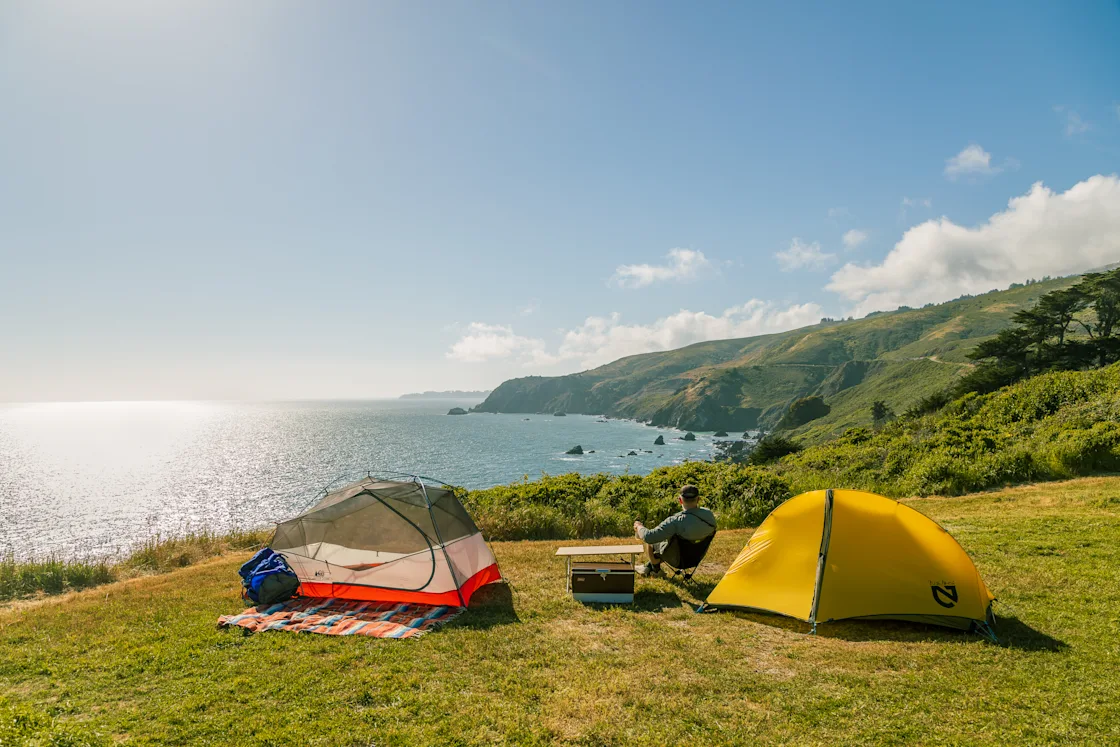
I’m sitting in my camp chair at 6:30 AM, hands wrapped around a tin mug of coffee, watching the Pacific Ocean turn from silver to gold as sunrise breaks over the coastal bluffs. The only sounds are crashing waves fifty yards below and the occasional bark from a harbor seal colony. After camping at probably thirty different California coastal campgrounds over the past eight years—from disappointing overcrowded sites to absolutely magical spots that became annual traditions—I’ve learned that coastal camping in California delivers something you can’t get anywhere else: the combination of dramatic Pacific coastline, accessible beaches, ancient redwood forests, and year-round camping opportunities. Whether you’re seeking beachfront sites where you fall asleep to waves, clifftop perches with panoramic ocean views, or redwood-shaded spots steps from tide pools, these twelve best coastal camping spots in California represent the absolute pinnacle of what this 800-mile coastline offers—from the rugged Lost Coast in the north to the sun-soaked beaches of San Diego.
Quick Reference: Best Coastal Camping California
| Campground | Region | Type | Best For | Nightly Rate |
|---|---|---|---|---|
| MacKerricher State Park | Mendocino | Beach-level sites | Whale watching, tide pools | $35-45 |
| Patrick’s Point (Sue-Meg) | Humboldt | Coastal bluffs | Agate hunting, redwoods | $35-45 |
| Wright’s Beach | Sonoma Coast | Right on sand | Sunset views, simplicity | $35 |
| Half Moon Bay State Beach | San Mateo | Sandy beach access | Surf, families, Bay Area access | $35-50 |
| Kirk Creek | Big Sur | Clifftop | Dramatic views, sunsets | $35 |
| Pfeiffer Big Sur State Park | Big Sur | Redwood canyon | Hiking, river swimming | $35-50 |
| Morro Strand State Beach | Central Coast | Beachfront | Fishing, Morro Rock views | $35-50 |
| El Capitan State Beach | Santa Barbara | Beach proximity | Bike trails, tide pools | $35-65 |
| Refugio State Beach | Santa Barbara | Beach-level | Swimming, kayaking | $35-65 |
| Leo Carrillo State Park | Malibu | Beach + caves | Tide pools, sea caves | $35-65 |
| South Carlsbad State Beach | San Diego | Oceanfront bluffs | Surfing, long beach walks | $35-75 |
| San Elijo State Beach | San Diego | Coastal bluffs | Premium views, reef snorkeling | $35-75 |
Season Note: Summer (June-Sept) offers warmest weather but highest demand; fall (Sept-Nov) provides best value with pleasant conditions; winter (Dec-March) brings whale watching and solitude.
Why California Coastal Camping Is Worth the Planning Effort
Let me be honest about something most California camping guides gloss over—getting campsites at the best California coastal campgrounds requires strategy, flexibility, and often significant advance planning. I’ve experienced the frustration of watching desired dates disappear within minutes of reservations opening, of settling for interior sites when premium oceanfront spots were already gone, of paying premium prices during peak summer weekends.
But here’s what makes California beach camping uniquely valuable: nowhere else in North America can you access this combination of Pacific Ocean beaches, ancient coastal redwood forests, dramatic clifftop vistas, and year-round temperate weather all within a few hours’ drive. The California coast stretches over 800 miles from Oregon to Mexico, encompassing everything from wild, fog-shrouded northern beaches to sunny southern California surf spots.
The best coastal camping in California shares certain qualities regardless of location: genuine ocean proximity (not “walking distance” but actually hearing waves from your tent), natural beauty that creates sense of place rather than generic campground atmosphere, and access to coastal activities like tide pooling, beach walks, and sunset viewing. State park campgrounds consistently deliver the best value and prime locations, while private campgrounds sometimes offer more amenities at higher cost.
Timing dramatically impacts both availability and experience. Peak summer weekends (July-August) book out the moment reservations open six months ahead. Shoulder seasons (April-May, September-October) offer the sweet spot—pleasant weather, fewer crowds, easier booking. Winter coastal camping (November-March) brings solitude, whale watching opportunities, and often dramatic storm watching from the comfort of your camper.
Northern California Coast (Mendocino & Humboldt)
1. MacKerricher State Park – Fort Bragg
MacKerricher State Park occupies a spectacular stretch of Mendocino coastline just north of Fort Bragg, and after three separate camping trips here, it’s become my default recommendation for first-time California coastal campers. The park encompasses 9 miles of coastline, 140 developed campsites, and some of the most diverse coastal ecosystems you’ll find anywhere—sandy beaches, rocky tide pools, coastal dunes, wetlands, and forest all within walking distance.
What makes MacKerricher special starts with the campground layout. Unlike many coastal campgrounds where only a handful of sites have ocean views, MacKerricher’s sites 1-70 all offer varying degrees of ocean proximity. Sites 1-10 provide the most direct beach access—you’re literally steps from sand. Sites 20-40 sit slightly elevated with partial ocean views through cypress trees. Sites 50-70 nestle in coastal forest but remain close enough to hear waves.
The beach here works beautifully for tide pooling during minus tides—I’ve found ochre sea stars, giant green anemones, purple urchins, and hermit crabs in abundance. The sand is mixed with small pebbles and kelp (this is Mendocino, not Southern California beach sand), but it’s perfect for long walks, sunset watching, and that therapeutic sound of crashing waves. Harbor seals haul out on rocks near the water, and gray whales migrate past December through April, often visible from shore.
Lake Cleone, a freshwater lake within the park, provides an unusual coastal camping amenity—peaceful canoe/kayak paddling (no motors allowed) with opportunities to spot waterfowl, turtles, and occasionally river otters. The 3.5-mile Coastal Trail circumnavigates the lake and continues along clifftops with ocean views—it’s flat, accessible, and family-friendly.
Fort Bragg sits just 3 miles south, offering grocery stores (Harvest Market has excellent prepared foods), restaurants (North Coast Brewing Company serves great pub fare), and that famous Glass Beach where decades of discarded glass has been tumbled by waves into smooth, colorful pebbles.
Practical Details:
- Sites: 140 total; sites 1-70 closest to ocean
- Cost: $35-45/night depending on season
- Amenities: Flush toilets, hot showers ($1 for 5 minutes), picnic tables, fire rings
- RV: Max length 35 feet; some sites accommodate larger rigs
- Reservations: Required; book 6 months ahead via ReserveCalifornia.com
- Best Time: April-May and September-October for weather + availability
- Pro Tip: Request sites 1-10 for closest beach access; avoid sites 90+ (inland, less desirable)
2. Sue-Meg State Park (Patrick’s Point) – Trinidad
Sue-Meg State Park (recently renamed from Patrick’s Point to honor the indigenous Yurok name) delivers what I consider the most beautifully designed coastal campground in Northern California. After two extended stays here, I’ve realized this park succeeds at something difficult—providing densely forested campsites that feel private and secluded while maintaining easy access to stunning coastal viewpoints and beaches.
The campground includes 123 sites spread across three distinct areas: Agate Beach, Abalone, and Penn Creek. Each area has its own personality. Agate Beach sites (1-50) sit closest to the namesake beach famous for jade and agate hunting during minus tides. These sites nestle among towering Sitka spruce and feel the most intimate. Abalone sites (51-85) occupy slightly higher ground with some partial ocean views. Penn Creek sites (85-123) provide the most spacious and private campsites but require a longer walk to beaches.
The park’s trail system connects campsites to multiple dramatic coastal viewpoints. Ceremonial Rock offers 360-degree Pacific vistas. Wedding Rock (yes, people get married here) provides sunset panoramas. Palmer’s Point Trail descends through coastal forest to a secluded beach cove. Rim Trail connects all major viewpoints along clifftops—you can walk for hours exploring different perspectives of the rugged coastline.
Agate Beach itself rewards low-tide exploration. The beach combines sand, pebbles, and tide pools with opportunities to find jade, agate, and other semi-precious stones worn smooth by the Pacific. Locals arrive with buckets during the best tides—join them early morning for optimal conditions. The nearby reconstructed Yurok village (Sumêg) offers cultural education about the indigenous people who lived here for thousands of years.
Trinidad, just 5 miles north, provides a charming fishing village atmosphere with excellent seafood at Katy’s Smokehouse and Trinidad Bay Eatery. The Trinidad Head Trail offers spectacular coastal hiking, and the Trinidad Memorial Lighthouse provides picture-perfect photo opportunities.
Practical Details:
- Sites: 123 total; Agate Beach section most popular
- Cost: $35-45/night
- Amenities: Flush toilets, hot showers, picnic tables, fire rings, food lockers
- RV: Max length 31 feet (limited larger sites)
- Reservations: Essential 6 months ahead; extremely popular
- Best Time: September-October for best weather; May-June for wildflowers
- Pro Tip: Request Agate Beach sites 10-30 for best forest/ocean balance
3. Wright’s Beach Campground – Sonoma Coast
Wright’s Beach represents California coastal camping at its most elemental—27 sites literally on the sand with waves crashing just yards from your tent. After camping here twice, I’ve learned this campground delivers an experience you won’t find at larger, more developed parks: direct, unmediated connection to the Pacific Ocean’s power and beauty.
The setup is wonderfully simple. Sites line up along the beach with just enough space between them for privacy. You drive onto sand (firm enough that passenger vehicles manage fine), set up your tent or park your small RV, and you’re home. The beach stretches wide and long, perfect for sunset walks, tide pooling during low tides, and that hypnotic experience of falling asleep to wave sounds.
What Wright’s Beach lacks in amenities (basic pit toilets, no showers, limited water), it gains in atmosphere and authenticity. This is camping for people who prioritize location over comfort, who value sunset views more than hot showers, who want to wake up fifty yards from the Pacific. The beach faces west, making it spectacular for sunsets—I’ve watched some of the most vivid pink-and-orange skies here that I’ve seen anywhere.
The Sonoma Coast State Park system includes multiple beaches north and south of Wright’s—Goat Rock, Salmon Creek, Portuguese Beach, Schoolhouse Beach. You can easily spend days exploring different coves, each with its own character. Shell Beach (just south) offers excellent tide pooling. Goat Rock (north) provides river mouth where salmon run in fall and harbor seals birth pups in spring.
Bodega Bay sits 10 miles south with full-service restaurants, grocery stores, and that famous seafood scene. Spud Point Crab Company serves excellent crab sandwiches and clam chowder (cash only). The Tides Wharf Restaurant offers waterfront dining with fresh local seafood.
Practical Details:
- Sites: 27 beachfront sites
- Cost: $35/night
- Amenities: Pit toilets, limited water, picnic tables, fire rings
- RV: Small RVs/vans okay; no hookups; sand driving required
- Reservations: Required via ReserveCalifornia.com
- Best Time: September-October for warmest weather; April-May for wildflowers
- Pro Tip: Bring extra water; pack windbreak (wind can be intense); sunset views are spectacular
San Francisco Bay Area Coast
4. Half Moon Bay State Beach – Francis Beach
Half Moon Bay State Beach’s Francis Beach Campground provides the Bay Area’s most accessible coastal camping—just 30 miles south of San Francisco yet feeling completely removed from urban chaos. After four camping trips here across different seasons, I’ve realized this campground serves a specific niche perfectly: families wanting easy beach camping, surfers seeking consistent waves, and Bay Area residents needing quick weekend escape without long drives.
The 52 campsites sit just back from a wide, sandy beach that stretches for miles. Unlike Northern California’s rocky beaches, Half Moon Bay features actual sandy beach where kids can play, adults can walk for miles, and surfers find consistent (if sometimes challenging) waves. Sites don’t have direct ocean views (dunes block sightlines from most sites), but you’re 2-3 minute walk from sand.
The campground feels surprisingly civilized compared to more remote coastal options. Hot showers actually work well (rare at state park campgrounds). Flush toilets stay clean. Cell service functions. Half Moon Bay’s downtown sits just 2 miles away with grocery stores, restaurants, breweries, and that cute coastal town atmosphere. Sam’s Chowder House serves excellent seafood. Half Moon Bay Brewing Company offers solid pub food and local beers.
The beach itself works great for beginners wanting to try surfing—conditions are usually manageable (though can get big during winter swells). The Coastside Trail provides paved biking/walking for miles along the coast. Fitzgerald Marine Reserve (20 minutes north) offers some of California’s best tide pooling during minus tides.
What Half Moon Bay trades in wilderness and remoteness, it gains in accessibility and convenience. This is where you bring kids for their first coastal camping experience, where you come for easy weekend trips when you don’t want to drive 4+ hours, where you base yourself for exploring the San Mateo Coast without sacrificing amenities.
Practical Details:
- Sites: 52 sites; most accommodate RVs up to 36 feet
- Cost: $35-50/night depending on season
- Amenities: Hot showers, flush toilets, picnic tables, fire rings
- RV: Up to 36 feet; some sites have partial hookups
- Reservations: Book 6 months ahead; summer weekends fill immediately
- Best Time: September-November for warmest, sunniest weather
- Pro Tip: Request sites 1-25 for closest beach proximity; avoid sites near entrance (traffic noise)
Central California Coast (Big Sur)
5. Kirk Creek Campground – Big Sur
Kirk Creek Campground occupies what might be the most dramatic clifftop setting of any California coastal campground. After two stays here, I can confidently say this is where you come for those iconic Big Sur sunset views—your campsite literally perches on cliffs 100+ feet above the Pacific with nothing between you and the horizon except crashing waves and occasional migrating whales.
The 43 campsites spread across open coastal grassland with minimal vegetation between sites. This means less privacy than forest campgrounds but unobstructed ocean views that make the trade-off worthwhile. Sites 1-10 and 30-43 offer the most dramatic clifftop positions. The sunset views here have become legendary among California campers—the sun drops into the Pacific, painting the sky impossible colors, while waves thunder against rocks far below.
What Kirk Creek lacks in amenities (basic pit toilets, no showers, limited water), it delivers in location and atmosphere. This is Big Sur coastal camping at its most elemental—you, the tent, and that massive Pacific panorama. The exposure means wind can be intense (stake your tent securely), nights get chilly even in summer (bring warm layers), and fog can roll in unexpectedly (embrace the atmosphere).
The campground sits along Highway 1 about 30 miles south of Big Sur Village and 50 miles north of San Simeon. You’re perfectly positioned for exploring Big Sur’s highlights: Julia Pfeiffer Burns State Park and McWay Falls (20 minutes north), Nacimiento-Fergusson Road for interior mountain drives (starts right at campground), Cone Peak Trail for ambitious hikes (trailhead nearby).
The nearby Kirk Creek Beach Trail descends steeply to a small beach—it’s short but requires decent fitness. The beach itself is more rocks than sand, but offers solitude and excellent tide pooling during low tides. Southern Big Sur’s beaches generally require more effort to access than northern sections, rewarding you with fewer crowds.
Practical Details:
- Sites: 43 sites; clifftop positions
- Cost: $35/night
- Amenities: Pit toilets, limited water, picnic tables, fire rings (check fire restrictions)
- RV: Max 30 feet; exposed sites mean stabilization important
- Reservations: Recreation.gov; book far ahead for summer
- Best Time: September-October for best weather; April-May for wildflowers
- Pro Tip: Request sites 1-10 or 30-43 for best ocean views; bring windbreak and warm layers
6. Pfeiffer Big Sur State Park – Big Sur
Pfeiffer Big Sur State Park delivers a completely different Big Sur camping experience from Kirk Creek—instead of windswept clifftops, you’re camping in a lush redwood canyon alongside the Big Sur River. After three stays here, I’ve realized this park works perfectly for people wanting Big Sur atmosphere with more shelter, amenities, and hiking access than exposed coastal campgrounds provide.
The 189 campsites spread across multiple loops in a gorgeous river valley surrounded by redwoods, oaks, and sycamores. Sites range from spacious RV-friendly spots to intimate tent sites tucked into forest. Unlike Kirk Creek’s exposure, Pfeiffer feels protected and sheltered—you’re not getting direct ocean views, but you are getting classic Big Sur redwood forest atmosphere with a river running through camp.
The hiking here is exceptional. Valley View Trail climbs to clifftop overlooks of the Big Sur coastline. Buzzard’s Roost Trail offers a more challenging ascent with panoramic views. Pfeiffer Falls Trail leads to a 60-foot waterfall (best flow in spring). The Big Sur River itself provides summer swimming holes where kids and adults alike enjoy cooling off.
The park’s location in the heart of Big Sur means you’re centrally positioned for exploring the region’s highlights. McWay Falls at Julia Pfeiffer Burns State Park sits 10 minutes south. Point Sur Lighthouse tours depart 10 minutes north. Nepenthe Restaurant (iconic Big Sur dining with views) is 5 minutes away. Big Sur Bakery serves excellent breakfast and pizza.
This is Big Sur camping for people who want forest and river over ocean exposure, who value hot showers and flush toilets, who plan to spend days hiking and exploring rather than just sitting at camp watching sunsets. It’s also better for families with kids—the river provides entertainment, the campground feels safer than clifftop camps, and amenities make life easier.
Practical Details:
- Sites: 189 sites; mix of tent and RV sites
- Cost: $35-50/night depending on site type
- Amenities: Hot showers, flush toilets, picnic tables, fire rings, camp store
- RV: Up to 32 feet on some sites; varies by loop
- Reservations: Book 6 months ahead; one of Big Sur’s most popular campgrounds
- Best Time: May-June for river flow and wildflowers; September-October for weather
- Pro Tip: Request riverside sites for best atmosphere; arrive early to explore before crowds
Central Coast (San Luis Obispo & Santa Barbara)
7. Morro Strand State Beach – Morro Bay
Morro Strand State Beach Campground provides beachfront camping with that iconic Morro Rock backdrop—you’ll wake up to views of the 576-foot volcanic plug that defines Morro Bay’s skyline. After two stays here, I’ve learned this campground delivers excellent value for families and RV campers seeking true beachfront positioning without Big Sur’s remoteness or Southern California’s crowds.
The 76 sites literally line the beach—you drive up, park facing the ocean, and you’re home. The setup works particularly well for RVs (many sites have full hookups), but tent campers can certainly enjoy it too. The beach here is wide, sandy, and perfect for long walks, kite flying, sand castle building, and that relaxing atmosphere of falling asleep to wave sounds.
What makes Morro Strand special beyond location is the proximity to Morro Bay town. You’re a 5-minute drive from excellent seafood restaurants (Taco Temple serves great fish tacos, Dorn’s Original Breakers Cafe does solid breakfast), grocery stores, kayak rentals for exploring the bay’s protected waters, and that charming Central Coast town atmosphere. The Morro Bay State Park Museum of Natural History provides educational programs kids actually enjoy.
The beach faces west, making sunsets spectacular—Morro Rock silhouetted against pink-orange skies creates iconic Central California scenery. Fishing from the beach attracts locals, and you can often buy fresh fish directly from commercial boats at the harbor. Bird watching is excellent, especially around the Morro Bay estuary where over 200 species have been recorded.
The climate here surprises many first-time visitors. Summer mornings often start foggy, burning off by midday to reveal sunny skies and temperatures in the 60s-70s. This is Central Coast weather—mild year-round, often foggy in summer (“May Gray, June Gloom”), but generally pleasant. Bring layers even in August.
Practical Details:
- Sites: 76 beachfront sites
- Cost: $35-50/night; hookup sites cost more
- Amenities: Flush toilets, hot showers, picnic tables, fire rings
- RV: Most sites accommodate large RVs; many full hookup sites
- Reservations: ReserveCalifornia.com; book ahead for summer weekends
- Best Time: September-October for warmest, clearest weather
- Pro Tip: Request sites with hookups if RVing; north end sites quieter
8. El Capitan State Beach – Santa Barbara
El Capitan State Beach campground represents Santa Barbara County coastal camping at its finest—a perfect blend of beach proximity, natural beauty, and amenities that make camping comfortable without sacrificing authenticity. After three visits here, it’s become my go-to recommendation for Southern California coastal camping that feels more natural and less crowded than options further south.
The 132 sites spread across coastal bluffs and along a creek drainage, with sites ranging from beach-level positions to elevated spots with partial ocean views. Sites 76-132 occupy the lower “beach loop” closest to sand—these book first and command premium pricing. Sites 1-75 sit slightly elevated with more vegetation but still provide easy beach access via stairways. The beach itself is wide, sandy, and perfect for swimming during calm conditions.
What distinguishes El Capitan from many coastal campgrounds is the mature sycamore and oak tree canopy that shades much of the property. You get that rare combination of beach proximity and actual shade—crucial for summer camping comfort. The creek (usually just a trickle by late summer) adds pleasant atmosphere, and the extensive bike trail system connects to nearby Refugio State Beach.
The tide pools here are exceptional during minus tides. Ranger-led tide pool walks teach identification of sea stars, anemones, crabs, and other intertidal life. Kids love these programs, and honestly, adults learn plenty too. The beach works well for boogie boarding during gentle surf, and stand-up paddleboarding when conditions are calm.
Santa Barbara sits just 20 minutes south, providing access to excellent restaurants, breweries, shops, and that sophisticated coastal town atmosphere. But honestly, El Capitan’s location feels removed enough that you might not leave—the camp store sells basics, and the combination of beach, trails, and campground amenities keeps most people happily onsite.
Practical Details:
- Sites: 132 total; lower beach loop most desirable
- Cost: $35-65/night depending on site location and season
- Amenities: Hot showers, flush toilets, camp store, picnic tables, fire rings
- RV: Up to 37 feet on some sites; hookups available
- Reservations: Book 6 months ahead; summer fills immediately
- Best Time: May-June and September-October for best weather + fewer crowds
- Pro Tip: Request sites 76-132 for closest beach access; bike trail to Refugio Beach is beautiful
9. Refugio State Beach – Santa Barbara
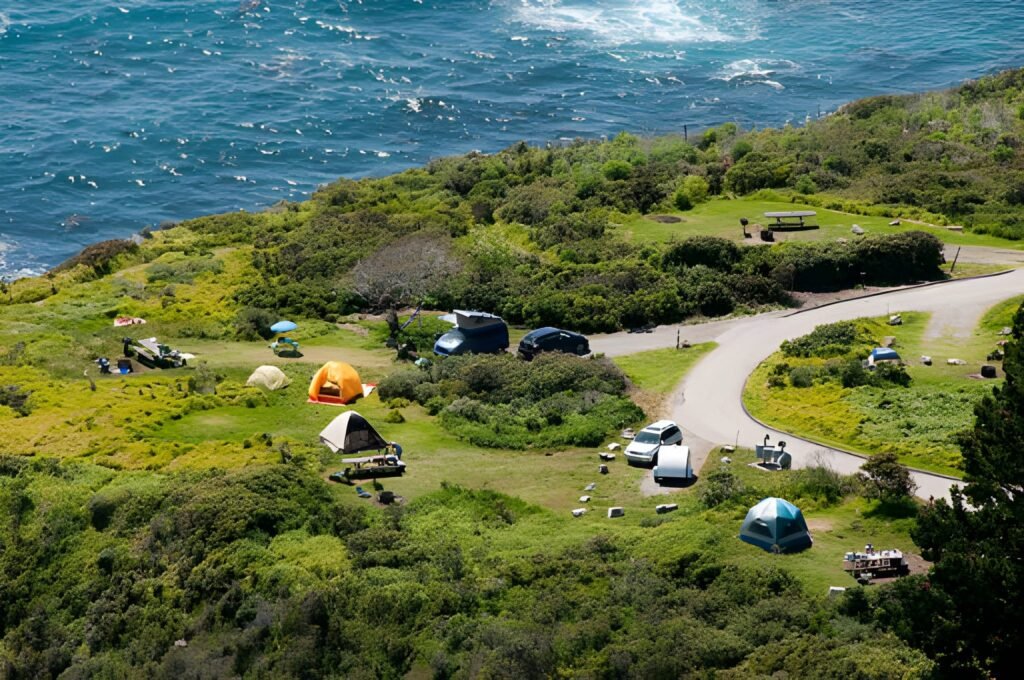
Refugio State Beach campground sits just 3 miles west of El Capitan but delivers a distinctly different experience—smaller, more intimate, with true beach-level camping that puts you even closer to sand and surf. After two stays here, I consider Refugio the slightly quieter, more laid-back alternative to its busier neighbor.
The 67 campsites cluster around a protected cove with a gently curving beach. Unlike some coastal campgrounds where you’re on bluffs above the beach, Refugio’s sites sit at beach level—you walk 50-100 yards from most sites straight onto sand. The beach faces southeast, providing protection from prevailing northwest winds that can batter more exposed campgrounds.
The swimming here is notably better than most California coastal campgrounds. The cove shape creates calmer water conditions (though always check with lifeguards and watch for currents). I’ve seen families with young kids actually swimming rather than just wading, which is uncommon at many Pacific beaches. The water stays chilly (50s-60s Fahrenheit), but wetsuits make it manageable.
Kayak rentals operate seasonally right on the beach—you can paddle the protected cove, explore nearby kelp forests, and occasionally spot sea otters, harbor seals, and even dolphins. The Point Conception area west of Refugio is known for excellent marine life diversity. Fishing from the beach and nearby pier attracts locals year-round.
The campground feels more relaxed and less regimented than larger state beach campgrounds. Sites have decent space and vegetation between them. The mature trees provide appreciated shade. The atmosphere tends toward families with younger kids and groups of friends seeking a beach weekend rather than serious outdoor enthusiasts.
Practical Details:
- Sites: 67 sites; beach-level positioning
- Cost: $35-65/night depending on season
- Amenities: Hot showers, flush toilets, picnic tables, fire rings, beach equipment rentals
- RV: Up to 27 feet; smaller than El Capitan
- Reservations: ReserveCalifornia.com; easier to book than El Capitan but still reserve ahead
- Best Time: Summer for warmest water; September-October for weather + smaller crowds
- Pro Tip: Sites closest to beach book first; midweek visits much easier to reserve
Southern California Coast
10. Leo Carrillo State Park – Malibu
Leo Carrillo State Park delivers Malibu coastal camping with a bonus—sea caves, tide pools, and that classic Southern California beach atmosphere without Malibu’s typical crowding and expense. After two visits here, I’ve realized this park successfully combines natural beauty, family-friendly amenities, and proximity to Los Angeles without feeling overwhelmed by crowds.
The 135 campsites split between beach side and inland canyon areas. Beach-side sites (1-63) provide the most coveted positioning—you’re close enough to hear waves, with several sites offering partial ocean views through coastal vegetation. Canyon sites (64-135) nestle among sycamores along a seasonal creek, providing more shade and shelter but requiring a 5-10 minute walk to the beach.
The beach here is the main attraction. Sandy stretches alternate with rocky sections creating excellent tide pooling during low tides. The sea caves at the northern end of the beach provide exploration opportunities during minus tides (check tide tables and never enter caves during incoming tide). Point Dume State Beach sits 10 minutes south, offering additional beach access and occasional whale watching from the point.
What surprises many first-time visitors is how natural Leo Carrillo feels despite being just 25 miles from Santa Monica. The park protects 1.5 miles of coastline and 1,600 acres of upland habitat. Hiking trails climb into coastal mountains with ocean views. The campground itself, shaded by massive sycamores, creates genuine wilderness atmosphere despite proximity to Pacific Coast Highway.
Malibu’s restaurant scene lies within 10-15 minutes—Neptune’s Net (famous seafood shack), Malibu Seafood (excellent fish tacos), and various upscale dining options. But honestly, Leo Carrillo works best when you embrace the camping experience: cook at your site, spend days at the beach, watch sunsets, and enjoy that increasingly rare Southern California coastal camping atmosphere.
Practical Details:
- Sites: 135 total; beach side most popular
- Cost: $35-65/night depending on season and location
- Amenities: Hot showers, flush toilets, picnic tables, fire rings
- RV: Up to 31 feet; some sites accommodate larger rigs
- Reservations: Book 6 months ahead via ReserveCalifornia.com; summer fills immediately
- Best Time: September-November for best weather; spring for wildflowers
- Pro Tip: Request beach-side sites 1-63; tide pooling best during minus tides
11. South Carlsbad State Beach – San Diego County
South Carlsbad State Beach campground provides San Diego County’s most extensive coastal camping with 215 sites stretched along oceanfront bluffs. After one extended stay here, I’ve learned this campground works brilliantly for RV campers and families seeking that classic Southern California beach camping experience with full amenities and easy access to San Diego attractions.
The sites split between “coastal” (ocean-facing bluffs) and “interior” (east side of access road). Coastal sites command premium rates but deliver those sunset views and ocean sounds that justify camping here. Many coastal sites have full hookups (water, electric, sewer), making this among California’s best-equipped beachfront RV campgrounds. Interior sites cost less but require crossing the road to access beaches.
Access to the beach involves descending staircases from the blufftops—the stairs are well-maintained but numerous (count on 50+ steps depending on tide). The beach itself stretches for miles, perfect for long morning walks, sunset strolls, and that meditative experience of watching Pacific waves. Surfing is popular here, with consistent breaks that attract locals year-round.
The location between Carlsbad and Oceanside provides excellent dining and shopping access. Carlsbad Village (10 minutes south) offers Pizza Port (excellent craft beer and pizza), State Street restaurants, and that laid-back North County San Diego atmosphere. Legoland (15 minutes) provides family entertainment if camping isn’t enough to occupy kids.
What South Carlsbad delivers best is accessible Southern California beach camping that doesn’t require wilderness skills or tolerance for primitive conditions. Hot showers work well. Sites are spacious. The campground stays clean and well-maintained. This is where you bring grandparents for their first camping trip, where families with young kids feel comfortable, where East Coast relatives visit and experience California beach life.
Practical Details:
- Sites: 215 total; coastal sites with ocean views most popular
- Cost: $35-75/night; coastal sites and hookup sites cost more
- Amenities: Hot showers, flush toilets, picnic tables, fire rings, camp store
- RV: Up to 35 feet; many full hookup sites
- Reservations: ReserveCalifornia.com; book 6 months ahead for summer
- Best Time: September-October for warm weather + smaller crowds
- Pro Tip: Request coastal sites 1-100 for ocean views; interior sites significantly cheaper
12. San Elijo State Beach – San Diego County
San Elijo State Beach campground occupies coastal bluffs in Encinitas, and it’s become legendary among Southern California coastal campers for those premium oceanfront sites that deliver unobstructed Pacific views. After one visit here, I understood why this campground books out the moment reservations open—when you snag one of the premium coastal sites, you’re camping on what amounts to million-dollar real estate.
The 156 sites split into three distinct areas: coastal premium sites with direct ocean views, coastal non-premium sites with partial views, and inland sites across the highway. The premium coastal sites (designated as such in the reservation system) sit right on the bluff edge with nothing between you and the horizon except Pacific Ocean. These sites book instantly when reservations open six months ahead, and for good reason—sunset views are spectacular, whale watching opportunities are excellent (gray whales migrate past December-April), and you fall asleep to wave sounds.
Beach access requires descending staircases from the bluffs—manageable but something to consider if mobility is limited. The beach is wide, sandy, and popular with surfers and stand-up paddleboarders. The Cardiff Reef offshore creates excellent snorkeling opportunities during calm summer days—I’ve seen leopard sharks, bat rays, and abundant fish life.
The location in coastal San Diego County provides excellent dining proximity. Seaside Market across the highway serves legendary deli sandwiches (the Burgundy Pepper Tri-Tip is famous). VG Donut & Bakery draws weekend crowds. Cardiff and Encinitas feature dozens of excellent restaurants, breweries, and coffee shops within 10 minutes.
What makes San Elijo special—and challenging—is the competitive booking situation. Premium sites go immediately when reservations open. You need to be logged in, ready to book, at exactly 8 AM Pacific when your desired dates become available six months ahead. Use the campsite scanning apps to catch cancellations. The effort rewards you with Southern California’s most coveted coastal camping experience.
Practical Details:
- Sites: 156 total; premium coastal sites most competitive to book
- Cost: $35-75/night;
- Sites: 156 total; premium coastal sites most competitive to book
- Cost: $35-75/night; premium coastal sites command highest rates
- Amenities: Hot showers, flush toilets, picnic tables, fire rings
- RV: Up to 35 feet; hookup sites available
- Reservations: ReserveCalifornia.com; book exactly 6 months ahead at 8 AM
- Best Time: May-June and September-October for great weather
- Pro Tip: Use site scanning apps to catch cancellations; arrive early to check in
How to Choose the Right California Coastal Campground
After camping at dozens of California coastal sites, here’s my framework for matching campgrounds to your needs and preferences:
Choose MacKerricher or Patrick’s Point if:
- You want Northern California redwood-meets-ocean atmosphere
- Tide pooling and agate hunting interest you
- You prefer cooler temperatures and don’t mind fog
- Whale watching (December-April) is priority
- You value natural beauty over warm swimming weather
Choose Wright’s Beach if:
- You want the most elemental beach camping experience
- You can handle minimal amenities (pit toilets, no showers)
- Dramatic Sonoma Coast scenery appeals
- You’re okay with wind and cooler temperatures
- Small, intimate campgrounds feel better than large parks
Choose Half Moon Bay if:
- You need easy Bay Area access (30 miles from SF)
- You want hot showers and modern amenities
- Surfing or beach walking is priority
- You prefer sandy beaches over rocky coastline
- Proximity to town services matters
Choose Kirk Creek if:
- You want iconic Big Sur clifftop sunset views
- You can handle exposure (wind, fog, dramatic conditions)
- You’re willing to trade amenities for location
- You embrace primitive camping (pit toilets, limited water)
- You’re exploring Big Sur’s southern section
Choose Pfeiffer Big Sur if:
- You want Big Sur forest/river over ocean exposure
- Hot showers and full amenities are important
- Hiking trails and river swimming appeal
- You’re traveling with family
- You want central Big Sur location
Choose Morro Strand or El Capitan/Refugio if:
- You want family-friendly beach camping
- RV camping with hookups is priority
- You need town access (restaurants, stores)
- Sandy beaches and calm swimming matter
- You prefer campgrounds with more infrastructure
Choose Leo Carrillo if:
- You want Southern California beach camping
- Sea caves and tide pooling interest you
- You need Los Angeles/Malibu proximity
- You can book far ahead (very competitive)
- You prefer established, well-maintained campgrounds
Choose South Carlsbad or San Elijo if:
- You want San Diego County beach camping
- Premium RV hookup sites are priority
- You need hot showers and modern facilities
- Long beach walks and consistent surf appeal
- You’re willing to compete for reservations
Booking Strategies for California Coastal Campgrounds
California coastal camping reservations have become intensely competitive. Here’s what I’ve learned through trial, error, and dozens of booking attempts:
The Six-Month Rule: Most California State Parks release reservations exactly 6 months ahead at 8:00 AM Pacific. Prime summer weekends (especially July-August) book within minutes. You need to be logged in, credit card ready, with your preferred dates queued up at exactly 8:00 AM.
Use Technology: Apps like Campnab and Campflare scan for cancellations and alert you when sites become available. I’ve booked several “impossible” sites this way—someone cancels, you get notified within minutes, you book before anyone else sees it.
Midweek Magic: Weekend sites (Friday-Saturday) book first. Weekday arrivals (especially Sunday-Thursday) stay available much longer and often cost 10-20% less. If your schedule allows flexibility, midweek camping delivers better availability and fewer crowds.
Shoulder Season Advantage: April-May and September-October offer the sweet spot—decent weather (often better than summer), easier booking, lower rates, and fewer crowds. September-October particularly provides excellent coastal camping conditions along Central and Southern California coast.
Consider Alternatives: If state park campgrounds are booked, explore private campgrounds, county parks, and national forest options. Sites like Hipcamp list private land coastal camping that state parks don’t offer.
Arrive with Backup Plans: Even with reservations, California coastal weather can be unpredictable—fog, wind, and unexpected cold happen. Bring layers, quality tent stakes, backup entertainment for kids, and flexibility to adjust plans.
What to Pack for Coastal Camping California
Coastal camping requires different gear than inland sites. After many trips, here’s what actually matters:
Essentials:
- Quality tent with good stakes (wind is real)
- Sleeping bag rated 20-30°F (even summer nights get cold)
- Multiple layers (tank top to puffy jacket—you’ll use them all)
- Windbreak or canopy (wind protection matters)
- Headlamp and lantern (coastal fog makes evenings dark early)
- Tide table (for tide pooling, beach access, safety)
Comfort Items:
- Camp chairs (you’ll spend time watching sunsets)
- Quality cooler (for fresh food, cold drinks)
- Camp stove (fire restrictions common during dry season)
- Coffee setup (watching sunrise with coffee is essential)
- Games/books (for foggy mornings or downtime)
Beach Gear:
- Beach towels and blanket
- Sunscreen (sun reflects off water and sand)
- Wetsuit or rash guard (water is cold year-round)
- Water shoes (rocky beaches, tide pools)
- Beach toys for kids
Don’t Bother Bringing:
- Flip-flops as only footwear (you’ll need closed-toe for hiking)
- Cotton layers (bring synthetic or wool—they dry faster)
- White-noise machine (waves provide that service)
Common Mistakes to Avoid
Not Booking Far Enough Ahead: California coastal camping requires 6-month advance planning for prime sites and dates. Waiting until a month before means settling for interior sites or changing dates.
Assuming Coastal = Warm: Northern and Central California coast stays cool year-round. I’ve worn winter jacket in July at MacKerricher. Pack for cold even in summer.
Ignoring Tide Tables: Best tide pooling and beach exploration happens during minus tides. Check tide tables and plan accordingly—the difference between spring tide and neap tide dramatically affects what you can explore.
Underestimating Wind: Coastal campsites can be intensely windy. Stake your tent properly, bring windbreak, secure everything loose. I’ve watched poorly staked tents become kites.
Forgetting Fog: Coastal fog, especially summer, is real. It’s cold, it’s damp, and it affects campfire enjoyment. Bring layers and embrace the atmosphere rather than fighting it.
Frequently Asked Questions
When is the best time for coastal camping in California?
September through October provides the optimal combination of weather, availability, and value for most California coastal campgrounds. Summer (June-August) brings highest demand and often foggy conditions along Northern and Central coast. Winter (December-March) offers solitude, whale watching, and dramatic storm watching but requires cold-weather gear and acceptance of rain. Spring (April-May) provides wildflowers and moderate weather but can still be cool.
Can you have campfires at California beach campgrounds?
Fire policies vary by campground and season. Most state beach campgrounds provide fire rings and allow campfires when fire danger is low (typically fall, winter, spring). Summer often brings fire restrictions limiting or prohibiting wood fires—propane stoves remain allowed. Always check current conditions and follow posted restrictions. Bring firewood from home or buy locally (don’t transport wood from other regions due to pest concerns).
Do California coastal campgrounds have hot showers?
Amenities vary significantly. Large state beach parks (Half Moon Bay, El Capitan, South Carlsbad, San Elijo) offer hot showers, flush toilets, and modern facilities. Smaller or more primitive campgrounds (Wright’s Beach, Kirk Creek) provide only pit toilets and limited water. Check specific campground details before booking if hot showers are important to you.
Are California coastal campgrounds family-friendly?
Most California state beach campgrounds welcome families and provide family-appropriate amenities. El Capitan, Refugio, Half Moon Bay, South Carlsbad, and San Elijo work particularly well for families with young children due to sandy beaches, calm swimming conditions, ranger programs, and developed facilities. More primitive campgrounds (Kirk Creek, Wright’s Beach) suit older kids and adults comfortable with minimal amenities.
How much does coastal camping cost in California?
California State Park coastal campground rates range from $35-75 per night depending on site location, season, and amenities. Premium oceanfront sites with hookups command highest rates ($50-75). Basic interior sites cost least ($35-45). Daily vehicle entry fees ($10) typically apply if you’re not camping. Reservation fees ($8) apply to all bookings. Budget $45-85 per night total for most coastal camping experiences.
Can you camp right on the beach in California?
Very few California locations allow camping directly on sand. Wright’s Beach and portions of Refugio and Morro Strand provide the closest true beach-level camping where you drive onto firm sand and camp steps from waves. Most “beach camping” actually means campsites 50-200 yards from beach with walking access. Sleeping directly on public beaches overnight is prohibited throughout California.
Conclusion
The best coastal camping in California offers something you can’t find anywhere else in North America—the combination of accessible Pacific beaches, dramatic coastline ranging from rugged northern cliffs to gentle southern sand, ancient coastal redwood forests, and Mediterranean climate allowing year-round camping. From MacKerricher’s whale-watching opportunities and tide pools in Mendocino to San Elijo’s premium blufftop sites overlooking San Diego County surf breaks, these twelve campgrounds represent the absolute pinnacle of California’s 800-mile coastal camping scene.
After eight years exploring California coastal campgrounds, I’ve learned that the “best” campground isn’t about objective rankings but personal alignment with what you’re seeking. If I’m planning a Northern California trip in spring and want redwood-ocean atmosphere, MacKerricher or Patrick’s Point deliver perfectly. If I’m seeking Big Sur’s legendary clifftop sunsets and can handle primitive conditions, Kirk Creek can’t be beaten. For Southern California family beach camping with all amenities, South Carlsbad or El Capitan provide that civilized outdoor experience.
The key to excellent California coastal camping comes down to three factors: strategic booking (6 months ahead for prime dates, using cancellation alerts, considering weekdays and shoulder seasons), appropriate expectations (coastal weather is cool, windy, and often foggy regardless of season), and embracing what makes coastal camping special (falling asleep to waves, waking to sunrise over the Pacific, spending days exploring tide pools and beaches).
Book your coastal campground now for next summer—those premium sites disappear the moment reservations open. Pack layers even if forecast shows 75°F. Bring quality tent stakes for wind. Download tide tables for beach exploration. And prepare to understand why California coastal camping has become one of the most sought-after outdoor experiences in North America.
Key Takeaways
The best coastal camping in California splits geographically between Northern California’s rugged, redwood-lined shores (MacKerricher State Park in Mendocino, Patrick’s Point near Trinidad) offering tide pools, whale watching, and cooler temperatures; Central California’s dramatic Big Sur coastline (Kirk Creek’s clifftop sites, Pfeiffer Big Sur’s river canyon) providing iconic Pacific views and challenging access; and Southern California’s developed beach campgrounds (South Carlsbad, San Elijo) delivering sandy beaches, warm weather, and RV-friendly full-hookup sites—choose based on whether you prioritize wild natural beauty or comfortable amenities.
California coastal campground reservations require strategic six-month advance planning through ReserveCalifornia.com, with prime summer weekend sites (especially July-August at El Capitan, Refugio, and San Elijo) booking within minutes of becoming available at 8:00 AM Pacific—success comes from using campsite scanning apps like Campnab to catch cancellations, booking midweek arrivals (Sunday-Thursday) that stay available longer, and targeting shoulder seasons (September-October particularly) when weather often exceeds summer conditions while crowds and competition dramatically decrease.
