
I’m lying in a hammock at 9 AM on a Tuesday morning, wrapped in a fluffy robe, staring at century-old red woods stretching toward patches of blue sky. My phone sits silenced in my room a hundred yards away. For the first time in probably six months, I’m not thinking about deadlines, emails, or that growing list of things I’m supposed to be doing. After exploring wellness retreats from San Francisco for the past three years—some disappointing, others genuinely transformative—I’ve learned that the Bay Area offers something rare: world-class retreat centers within a short drive that actually deliver on their promises of rest, reset, and renewal. Whether you’re craving a yoga-focused weekend in wine country, a silent meditation retreat among coastal redwoods, or a luxury spa experience with healing treatments, these 11 retreats from San Francisco provide genuine escape without requiring cross-country flights or week-long commitments.
Quick Reference: Best Retreats from San Francisco
| Retreat Type | Best For | Distance | Price Range |
|---|---|---|---|
| Wellness Spa | Luxury pampering, couples | 30-90 min | $$$-$$$$ |
| Yoga & Meditation | Spiritual seekers, solo travelers | 60-150 min | $$-$$$ |
| Nature Immersion | Hiking, forest bathing, digital detox | 45-120 min | $$-$$$$ |
| Wine Country | Food & wine lovers, relaxation | 60-90 min | $$$-$$$$ |
| Coastal Retreats | Ocean views, dramatic scenery | 90-180 min | $$-$$$$ |
Budget Guide: $ = Under $200/night • $$ = $200-400/night • $$$ = $400-700/night • $$$$ = $700+/night
Why San Francisco Retreat Centers Are Worth Your Time
Let me be honest about something most wellness marketing won’t tell you—not all retreat experiences justify their cost or hype. I’ve paid $500 for what amounted to an overpriced hotel room with mediocre yoga, and I’ve found $250 gems that genuinely shifted something in me. The best retreats from San Francisco share certain qualities: authentic programming (not just spa services repackaged as “wellness”), skilled facilitators who actually know what they’re doing, natural settings that facilitate genuine disconnection, and realistic pricing that doesn’t feel exploitative.
The Bay Area’s unique advantage comes from geography and culture. Within three hours, you can access everything from oceanfront meditation centers to mountaintop yoga ashrams to luxury spa resorts in redwood groves. The region’s wellness culture means higher standards—retreat centers here can’t get away with generic programming because visitors know what quality looks like. Plus, proximity means you can actually do weekend retreats rather than burning vacation days on travel.
That said, timing matters enormously. Summer weekends book 2-3 months ahead at popular locations. Midweek rates often run 20-30% lower than weekends. Shoulder seasons (April-May, September-October) offer the sweet spot of pleasant weather, lower prices, and smaller groups. Winter retreats work beautifully if you’re okay with rain—there’s something deeply restorative about being cozy inside while storms rage outside.
11 Best Retreats from San Francisco
1. Canyon Ranch Woodside – Luxury Wellness Immersion
Canyon Ranch Woodside represents the pinnacle of luxury wellness retreats near San Francisco, and after two visits here, I can confidently say it delivers an experience that justifies its premium pricing. Located just 30 minutes south in Woodside, this all-inclusive wellness resort sits nestled among towering redwoods on 16 acres that feel completely removed from Silicon Valley despite being right in its backyard.
What makes Canyon Ranch special extends beyond the obvious luxury (though the rooms are gorgeous, with soaking tubs, fireplaces, and private decks). It’s the depth of programming—this isn’t a spa with yoga classes tacked on but a comprehensive integrative health center staffed by actual medical doctors, nutritionists, exercise physiologists, and behavioral health specialists. During my last visit, I had consultations that ranged from analyzing my sleep patterns to designing a personalized nutrition plan to addressing stress management techniques that actually worked.
The spa treatments here are exceptional. I’ve tried probably 50+ massages across various Bay Area wellness centers, and the therapists at Canyon Ranch consistently deliver the most skilled work I’ve experienced. The signature Canyon Stone Massage uses heated basalt stones combined with deep tissue work that somehow feels both intensely therapeutic and deeply relaxing. The Euphoria treatment—a 110-minute experience combining dry brushing, aromatherapy massage, and scalp work—left me so relaxed I could barely walk back to my room.
What I Love: The all-inclusive model eliminates nickel-and-diming. Your rate includes gourmet meals (seriously impressive California cuisine using local ingredients), fitness classes (yoga, Pilates, spinning, strength training), use of all facilities (outdoor pool, fitness center, hiking trails), and one 50-minute spa treatment daily. You can fill your days with as much or as little as you want—intense workout mornings followed by spa afternoons, or simply lounging by the pool with books.
The property earned recognition with three Michelin keys for an “extraordinary stay,” and I’d agree that assessment is fair. This is where you come for significant birthdays, anniversaries, or when you need serious reset after burnout. The minimum stay is two nights, and honestly, three or four nights lets you properly decompress and benefit from the programming.
Practical Details:
- Distance from San Francisco: 30 minutes (25 miles via I-280)
- Pricing: $1,200-2,000+ per night all-inclusive
- Best For: Couples seeking luxury, executives needing reset, significant celebrations
- Booking: Reserve 2-3 months ahead; www.canyonranch.com/woodside
- What’s Included: Accommodations, all meals, fitness classes, spa treatment daily
- Pro Tip: Book midweek if possible—rates drop significantly and crowds thin
2. Esalen Institute – Transformative Big Sur Retreat
There’s literally nowhere else like Esalen. Perched on cliffs 150 miles south of San Francisco in Big Sur, this legendary retreat center has been facilitating personal transformation and consciousness expansion since 1962. I’ll be honest—Esalen isn’t for everyone, and it definitely challenged my comfort zones during my first visit. But it’s also the most profound retreat experience I’ve had, and I’ve returned twice since.
What makes Esalen unique starts with setting—the property sits on dramatic coastal cliffs with the Pacific Ocean literally crashing below. The famous hot spring baths are carved into the cliffside, open 24 hours, and clothing optional (which feels less awkward than you’d think once you’re actually there). Soaking at 2 AM under stars with waves thundering just feet away creates this almost otherworldly experience that’s become deeply synonymous with the Esalen retreat.
The workshop programming runs deep—this isn’t generic “wellness” but serious personal development work. Recent offerings when I checked included “Awakening Through the Body,” “Healing Childhood Wounds,” “Creativity and Consciousness,” and “Gestalt Awareness Practice.” The facilitators are typically leaders in their fields—psychologists, somatic therapists, meditation teachers with decades of experience. My last workshop on somatic experiencing (trauma healing through body awareness) was led by a clinician who literally wrote textbooks on the subject.
Accommodations are decidedly rustic—you’ll sleep in simple dorm-style rooms or private cabins with shared bathrooms. The food is outstanding (organic, mostly vegetarian, sourced from Esalen’s gardens), but don’t expect luxury amenities. WiFi doesn’t exist in rooms, cell service is spotty, and the whole vibe prioritizes inner work over external comfort.
What I Love: The authenticity. Esalen doesn’t try to be a luxury spa—it’s a genuine growth center where you’ll do real personal work. The community atmosphere means you’ll connect deeply with other participants. The setting provides constant nature immersion. And honestly, those hot springs at night might be the most magical spot in California.
The challenging parts: shared accommodations feel college-dorm-like, the winding Big Sur drive can be intense, and some workshop content pushes comfort boundaries (intentionally). This is where you come for breakthrough, not relaxation—though many people experience profound rest as a byproduct of doing deep work.
Practical Details:
- Distance from San Francisco: 2.5-3 hours (150 miles via Highway 1—scenic but winding)
- Pricing: $400-800 for weekend workshops (includes accommodations, meals)
- Best For: Solo travelers, spiritual seekers, those ready for personal growth work
- Booking: Popular workshops fill 2-4 months ahead; www.esalen.org
- What’s Included: Workshop tuition, lodging, all meals, facility access
- Pro Tip: First-timers should choose weekend workshops rather than week-long intensives
3. Green Gulch Farm Zen Center – Meditation & Mindfulness
Green Gulch Farm sits in a valley just 30 minutes north of San Francisco, yet stepping onto the property feels like entering a completely different world. This working organic farm and Zen Buddhist practice center offers my favorite accessible meditation retreat option for Bay Area residents—you can go for a day, a weekend, or longer residential stays, making it perfect for people new to meditation or retreat experiences.
The 115-acre property includes organic gardens, meditation halls, hiking trails, and simple guest accommodations. What I appreciate most is the authentic Zen practice focus—this isn’t meditation-lite or mindfulness as spa treatment but genuine Buddhist practice with sitting meditation (zazen), walking meditation, dharma talks, and work practice (yes, you’ll help with farm chores, which becomes its own meditation).
Daily schedules follow traditional Zen structure: morning meditation begins at 5:40 AM (earlier than you’d prefer but actually beautiful once you’re awake), includes periods of sitting and walking, breakfast eaten in silence, then work practice in gardens or kitchen. Afternoons offer more meditation, dharma talks, and free time for hiking or simply sitting in the gardens. Meals are vegetarian, eaten in meditation hall following formal serving rituals that become surprisingly meaningful.
The Sunday program offers the easiest introduction—attend morning meditation, tour the organic farm, have lunch, participate in an afternoon dharma talk, then head home. It’s free (donations suggested), requires no advance registration, and lets you test whether Zen practice resonates before committing to overnight stays.
What I Love: The accessibility—both in terms of proximity to San Francisco and welcoming approach to beginners. The integration of farm work as practice. The genuine Buddhist teachers who’ve trained for decades. And honestly, the simplicity that strips away distractions and creates space for whatever you need to process.
The reality check: meditation can be uncomfortable (physically and emotionally), the schedule is structured (you can’t sleep in or skip sittings during overnight stays), and the vegetarian meals are simple rather than gourmet. But these “limitations” are exactly what creates the container for genuine practice and insight.
Practical Details:
- Distance from San Francisco: 30 minutes (16 miles via Highway 1)
- Pricing: Day visits free; overnight $60-145/night; week-long retreats $550-900
- Best For: Meditation beginners, those seeking authentic Buddhist practice, budget-conscious seekers
- Booking: Sunday program no reservation needed; overnight stays reserve 2-4 weeks ahead; www.sfzc.org/green-gulch
- What’s Included: Meditation instruction, dharma talks, meals, work practice
- Pro Tip: Start with Sunday program before committing to overnight retreats
4. Mayacamas Ranch – Wine Country Yoga Retreat
Mayacamas Ranch occupies a hilltop above Calistoga in Napa Valley, and it’s become my go-to recommendation for friends wanting wine country relaxation combined with gentle wellness programming. After three visits here, I’ve discovered this place hits a sweet spot—it’s yoga-focused without being overly serious, luxurious without being pretentious, and surrounded by vineyards without the wine country tourist chaos.
The property itself is stunning—220 acres of rolling hills, oak trees, vineyards, and spectacular valley views. Accommodations range from private cottages to guesthouses to glamping tents, all scattered across the property with plenty of privacy. I always book one of the hillside cottages—they’re simple but comfortable, with private decks, outdoor showers, and views that make you want to spend entire afternoons just staring at scenery.
Yoga happens twice daily in an open-air pavilion with 360-degree views of vineyards and Mount Saint Helena. The teachers rotate (book specific teachers if you have preferences), and styles range from gentle flow to more vigorous vinyasa. What I appreciate is the non-dogmatic approach—nobody’s judging your alignment or pushing spiritual concepts. It’s simply good yoga in a beautiful setting.
Beyond yoga, you can hike various trails throughout the property, kayak or paddleboard on the pond, swim in the pool, or lounge in the hot tub watching sunset over the valley. The property has no formal spa, which actually feels refreshing—the wellness here comes from movement, nature, and slowing down rather than expensive treatments.
Meals are farm-to-table California cuisine—not strictly vegetarian but emphasizing seasonal vegetables, local proteins, and fresh everything. Breakfast and lunch are included; dinners aren’t, giving you flexibility to explore Calistoga restaurants (Evangeline is walking distance and excellent) or stay on property for optional group dinners.
What I Love: The Napa Valley location lets you combine retreat with wine tasting—several world-class wineries sit within 15 minutes. The flexible programming means you can do all the yoga and activities or skip everything and just relax. The mix of guests creates interesting community—tech workers, writers, couples celebrating anniversaries, solo travelers decompressing.
The consideration: this isn’t luxury spa-level accommodation (more rustic charm than resort polish), WiFi is intentionally limited, and summer can be hot (pack accordingly). But these elements support the retreat atmosphere rather than detract from it.
Practical Details:
- Distance from San Francisco: 90 minutes (75 miles via Highway 29)
- Pricing: $275-450/night depending on accommodation type
- Best For: Yoga practitioners, couples, wine country enthusiasts, moderate budgets
- Booking: Reserve 1-2 months ahead; www.mayacamasranch.com
- What’s Included: Accommodations, breakfast, lunch, two daily yoga classes, facility access
- Pro Tip: Combine with mid-week Napa wine tasting; book cottages for most privacy
5. Osmosis Day Spa Sanctuary – Freestone Cedar Enzyme Bath
Osmosis isn’t a multi-day retreat center but rather a day spa experience so unique and restorative that it deserves inclusion in any San Francisco retreat conversation. Located in tiny Freestone (90 minutes north in Sonoma County), Osmosis offers the only authentic Japanese enzyme bath experience in North America—and after trying it twice, I’m convinced everyone should experience this at least once.
The enzyme bath involves being buried (except your head) in a mixture of cedar fiber, rice bran, and plant enzymes that naturally generate heat through fermentation. It sounds bizarre, feels initially weird, but becomes deeply relaxing as the 100-degree warmth penetrates your body. You soak for 20 minutes, shower, then move to a blanket-wrapped relaxation area overlooking Japanese gardens for another 30-40 minutes while your body continues the detox process.
The physiological effects are real—the heat stimulates circulation and sweating more effectively than saunas or hot tubs, the enzymes apparently support detoxification, and something about being covered in warm cedar creates this cocooned sense of safety and rest. I slept better the night of both enzyme baths than I had in weeks, and the muscle relaxation lasted days.
Beyond the enzyme bath, Osmosis offers excellent massage (I highly recommend the 80-minute package combining enzyme bath with massage), beautiful Japanese-style meditation gardens perfect for quiet contemplation, and an overall atmosphere of tranquility that feels remarkably restorative for a day visit.
The entire experience takes 2-3 hours. Most people drive up from San Francisco, have the enzyme bath treatment, spend time in gardens, perhaps have lunch at the onsite tearoom (light Japanese-inspired fare), then drive home feeling significantly more relaxed than when they arrived.
What I Love: The unique enzyme bath experience can’t be found elsewhere in the US. The Japanese garden design creates genuine beauty and peace. The reasonable pricing ($110 for enzyme bath; $275 for bath plus massage) makes luxury wellness accessible. And the Sonoma County location lets you combine with wine tasting or coastal drives.
The practical reality: this is a day experience rather than overnight retreat, the enzyme bath won’t appeal to everyone (some find being “buried” uncomfortable), and you’ll need to drive 90 minutes each direction.
Practical Details:
- Distance from San Francisco: 90 minutes (70 miles via Highway 101 and Bohemian Highway)
- Pricing: $110 enzyme bath alone; $275 bath + massage; $55 for garden meditation access
- Best For: Unique wellness experiences, day trippers, couples, those new to retreats
- Booking: Reserve 1-2 weeks ahead for weekends; www.osmosis.com
- Duration: 2-3 hours total visit
- Pro Tip: Book morning appointments; combine with afternoon wine tasting in nearby Sebastopol
6. Mount Madonna Center – Yoga Ashram in the Redwoods
Mount Madonna Center sits at 2,000 feet elevation in the Santa Cruz Mountains, about 90 minutes south of San Francisco, and it provides my favorite yoga ashram experience in Northern California. After attending two different weekend workshops here, I’ve come to appreciate this place for delivering authentic yogic practice without the cultish vibes or excessive price tags that sometimes accompany spiritual retreat centers.
The 355-acre property includes dense redwood forests, hiking trails, organic gardens, a conference center, simple accommodations, and a community of long-term residents who’ve built their lives around yoga practice and service. This is a working ashram in the Baba Hari Dass tradition of classical yoga—expect Hatha yoga classes, meditation, vegetarian meals, karma yoga (work service), and teachings rooted in ancient texts rather than trendy wellness concepts.
Weekend yoga retreats typically include 4-6 yoga sessions (mixing asana practice with pranayama breathing and meditation), vegetarian meals, walks through redwood forests, and evening programs featuring chanting, philosophy discussions, or guest teachers. The accommodations are dormitory-style or simple private rooms with shared bathrooms—you’re not coming here for luxury but for genuine practice and community.
What distinguishes Mount Madonna from commercial yoga retreats is the authenticity—this community has practiced together for 40+ years, the teachers have deep training and experience, and the focus stays consistently on inner development rather than external experience. You’ll meet longtime practitioners, young families raising kids in the community, and weekend visitors like yourself seeking something more substantial than hotel yoga.
The hiking here is exceptional—trails wind through old-growth redwoods, and the elevation provides occasional glimpses of Monterey Bay. I spent an entire afternoon sitting against a massive redwood trunk, journaling and processing stuff that had been stuck for months. Sometimes the “retreat” happens in those quiet moments between structured activities.
What I Love: The genuine yoga lineage and experienced teachers. The redwood forest setting that facilitates natural contemplation. The affordability compared to luxury wellness centers. And the community atmosphere where you’re welcomed but not pressured to participate beyond your comfort level.
The honest assessment: accommodations are basic (think summer camp rather than resort), the schedule is structured around community rhythms, and the ashram lifestyle might feel foreign if you’ve only experienced Western yoga studios. But these elements create the container for real practice and potential transformation.
Practical Details:
- Distance from San Francisco: 90 minutes (80 miles via Highway 17 and Highway 152)
- Pricing: $175-275 for weekend retreats (includes lodging, meals, programming)
- Best For: Serious yoga practitioners, budget-conscious seekers, solo travelers
- Booking: Reserve 3-4 weeks ahead; www.mountmadonna.org
- What’s Included: Accommodations, vegetarian meals, yoga classes, meditation, forest access
- Pro Tip: Bring layers—mountain temperatures drop significantly at night
7. Costanoa Lodge – Coastal Nature Retreat
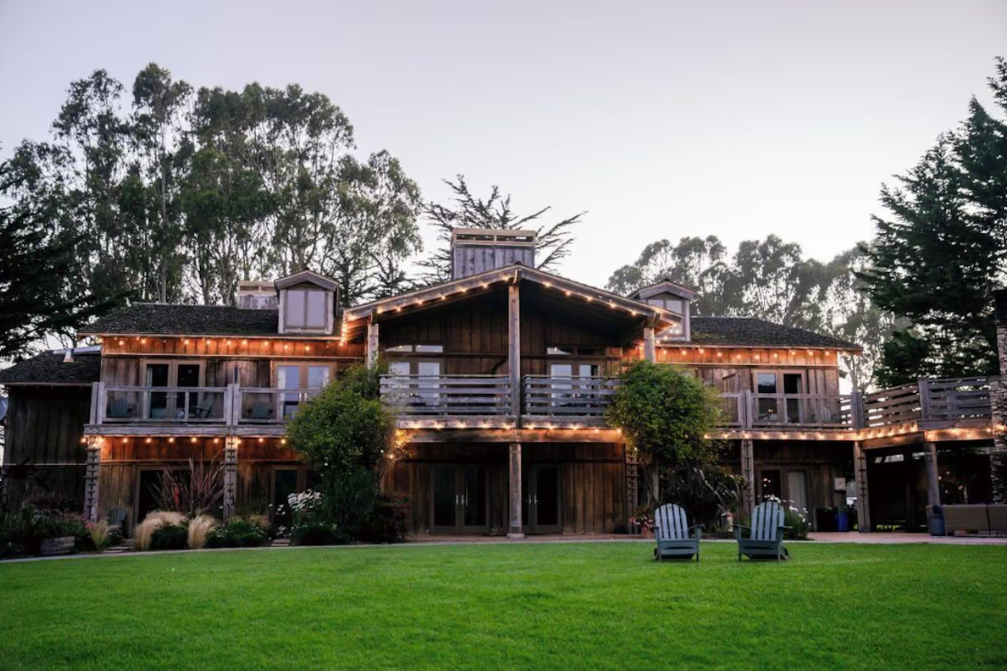
Costanoa occupies a spectacular coastal location between San Francisco and Santa Cruz, about 75 minutes south, and it’s become my favorite accessible nature retreat for people wanting outdoors immersion without hardcore camping. After four visits here across different seasons, I’ve learned this place excels at making coastal wilderness accessible while maintaining enough comfort that friends who “don’t do camping” end up loving it.
The property sits just inland from Año Nuevo State Park (famous for elephant seal viewing) and offers multiple accommodation types: luxury cabins with fireplaces and private baths ($300-400/night), comfortable lodge rooms ($200-300), or canvas bungalows that split the difference between camping and hotels ($150-250). I usually book canvas bungalows—they’re heated, have real beds, but feel connected to nature in a way hotel rooms don’t.
What makes Costanoa work as a retreat is the emphasis on nature connection. Hiking trails access beaches, coastal bluffs, and redwood groves right from the property. The onsite naturalists lead tide pool explorations, birdwatching walks, and talks about coastal ecology. You can mountain bike on miles of trails, kayak nearby waterways, or simply sit by the fire pit watching fog roll in from the Pacific.
The spa offers quality treatments—I’ve had excellent massages here and the outdoor hot tubs provide that perfect post-hike muscle relaxation. The restaurant (Cascade Bar & Grill) serves solid farm-to-table meals emphasizing local seafood and produce. It’s not destination dining, but breakfast and dinner here mean you never have to leave the property if you don’t want to.
The elephant seal viewing at nearby Año Nuevo is extraordinary if you visit December-March. These massive animals congregate to breed and birth pups, and seeing 4,000-pound males battle for territory provides a wildlife spectacle you won’t soon forget. Reservations required and walks fill up, so book ahead.
What I Love: The accessibility—you get nature immersion without sacrificing all comfort. The variety of accommodation options lets you match budget and camping tolerance. The coastal location provides that dramatic Pacific atmosphere. And the combination of structured activities (spa, naturalist programs) with unstructured time for personal exploration.
The reality: this is coastal California, meaning fog, wind, and cool temperatures even in summer (pack layers). The canvas bungalows don’t have private bathrooms (shared facilities nearby). And while you’re in nature, you’re not in wilderness—other guests are always around.
Practical Details:
- Distance from San Francisco: 75 minutes (60 miles via I-280 and Highway 1)
- Pricing: $150-400/night depending on accommodation type
- Best For: Nature lovers, couples, families, first-time “campers”
- Booking: Reserve 4-6 weeks ahead for weekends; www.costanoa.com
- Activities: Hiking, biking, spa, tide pooling, elephant seal tours (seasonal)
- Pro Tip: Visit December-March for elephant seal season; book canvas bungalows for best value
8. Spirit Rock Meditation Center – Silent Retreat Practice
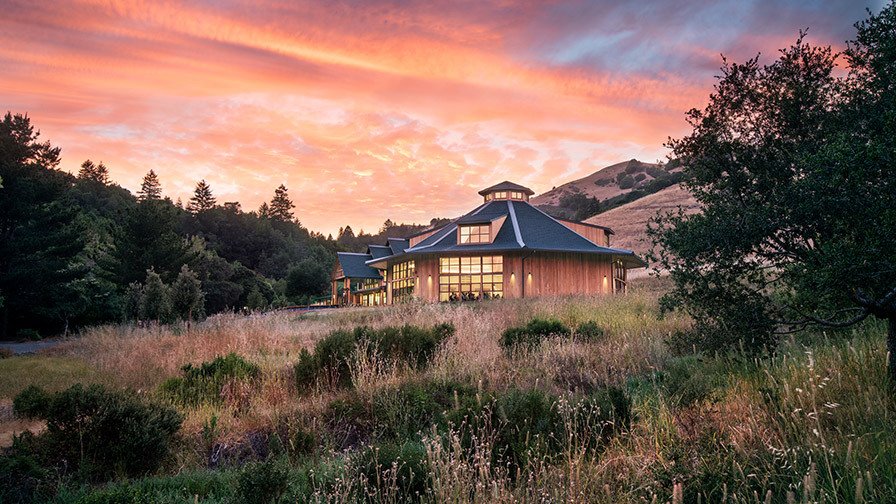
Spirit Rock sits in the hills of Marin County, just 45 minutes north of San Francisco, and offers what I consider the most accessible serious meditation retreat experience in the Bay Area. This isn’t meditation-as-relaxation-technique but genuine insight meditation (vipassana) in the Thai Forest tradition—which means silent retreats, intensive sitting and walking meditation, and dharma teaching from some of the most respected Buddhist teachers in the West.
I’ll be honest—my first weekend silent retreat here was uncomfortable. Sitting in silence for hours triggers every fidget, every racing thought, every urge to check your phone or chat with the person next to you. But somewhere around day two, something shifted. The mental noise quieted. The present moment became more vivid. And I understood why people return to Spirit Rock repeatedly for this intentionally challenging practice.
Weekend residential retreats typically include: arrival Friday evening, 5-6 hours of sitting and walking meditation daily Saturday and Sunday, dharma talks exploring Buddhist teachings, one-on-one meetings with teachers, and all meals eaten in silence. You’ll sleep in simple shared rooms (2-4 people), follow a schedule that begins at 6 AM and ends around 9 PM, and spend two full days in complete silence except during dharma talks.
The teaching quality here is exceptional. Spirit Rock teachers include Jack Kornfield, Sylvia Boorstein, Phillip Moffitt, and other well-known figures in Western Buddhism. Weekend retreats are often taught by less famous but equally skilled senior teachers. Either way, you’re getting genuine Buddhist practice from people who’ve trained for decades.
The property itself supports practice beautifully—meditation halls have views of oak-studded hills, walking paths wind through California grassland, and the overall atmosphere prioritizes simplicity and focus over aesthetics or amenities.
What I Love: The authentic dharma teaching and serious practice. The accessible location for Bay Area residents. The sliding scale pricing that makes retreats available regardless of income. And the life-changing potential that comes from actually sitting with yourself for extended periods without distraction.
The honest reality: silent meditation retreats are hard. You can’t talk, read, write, exercise, or use devices. You’ll sit with physical discomfort and emotional material that usually stays buried. Many people find their first silent retreat incredibly challenging and incredibly valuable in equal measure.
Practical Details:
- Distance from San Francisco: 45 minutes (30 miles via Highway 101)
- Pricing: $300-500 sliding scale for weekend retreats (includes lodging, meals, teaching)
- Best For: Experienced meditators, those ready for intensive practice, budget flexibility
- Booking: Popular teachers fill 2-3 months ahead; www.spiritrock.org
- What’s Included: Accommodations, vegetarian meals, meditation instruction, dharma talks
- Pro Tip: Start with day-long sittings before committing to residential weekend retreats
9. Cavallo Point Lodge – Luxury Wellness Sausalito
Cavallo Point Lodge sits at the base of the Golden Gate Bridge in Sausalito, offering the ultimate luxury wellness retreat without leaving the Bay Area. After two stays here, I’ve realized this property brilliantly balances historic charm (accommodations occupy restored Fort Baker buildings from 1901), natural beauty (sweeping views of bridge, bay, and Marin Headlands), and comprehensive wellness programming.
The Healing Arts Center provides the wellness focus—think upscale spa with serious depth. Beyond standard massages and facials, they offer acupuncture with MD-level practitioners, hypnotherapy sessions, cooking classes focused on nutritional wellness, private yoga instruction, and customized wellness consultations that actually provide value rather than just upselling treatments.
I particularly loved the “Active Wellness” package during my last visit—it combined morning yoga overlooking the Golden Gate, a guided hike through the Marin Headlands, massage using indigenous healing techniques, and a meditation session. The mix of movement, bodywork, and stillness created this comprehensive reset that felt more balanced than pure spa indulgence or pure fitness retreat.
Accommodations split between historic officers’ quarters (renovated with modern luxury while maintaining character) and contemporary guestrooms. I prefer the historic rooms—they have more personality, and waking up to Golden Gate views never gets old. All rooms include fireplaces, soaking tubs, and that boutique hotel attention to detail that makes stays feel special.
Murray Circle restaurant onsite serves excellent California cuisine, and you’re walking distance to downtown Sausalito’s waterfront restaurants and galleries. Or you can ferry into San Francisco for dinner and return to your quiet retreat afterward—having city access without city noise feels luxurious.
What I Love: The location that combines nature immersion with urban proximity. The depth of wellness programming beyond basic spa services. The historic property character. And honestly, those Golden Gate Bridge views from the yoga deck provide motivation to actually show up for morning practice.
The consideration: pricing reaches luxury levels ($500-900/night plus wellness services). The property can feel busy during high season. And if you’re seeking total escape and solitude, being so close to the city might feel less retreat-like than remote locations.
Practical Details:
- Distance from San Francisco: 15 minutes (just across Golden Gate Bridge)
- Pricing: $500-900/night accommodations; wellness packages $300-600 additional
- Best For: Luxury seekers, couples, those wanting city proximity with nature access
- Booking: Reserve 4-6 weeks ahead for prime dates; www.cavallopoint.com
- Wellness Offerings: Spa treatments, yoga, meditation, hiking, acupuncture, cooking classes
- Pro Tip: Book midweek for better rates; explore Marin Headlands trails
10. The Expanding Light Retreat – Ananda Village
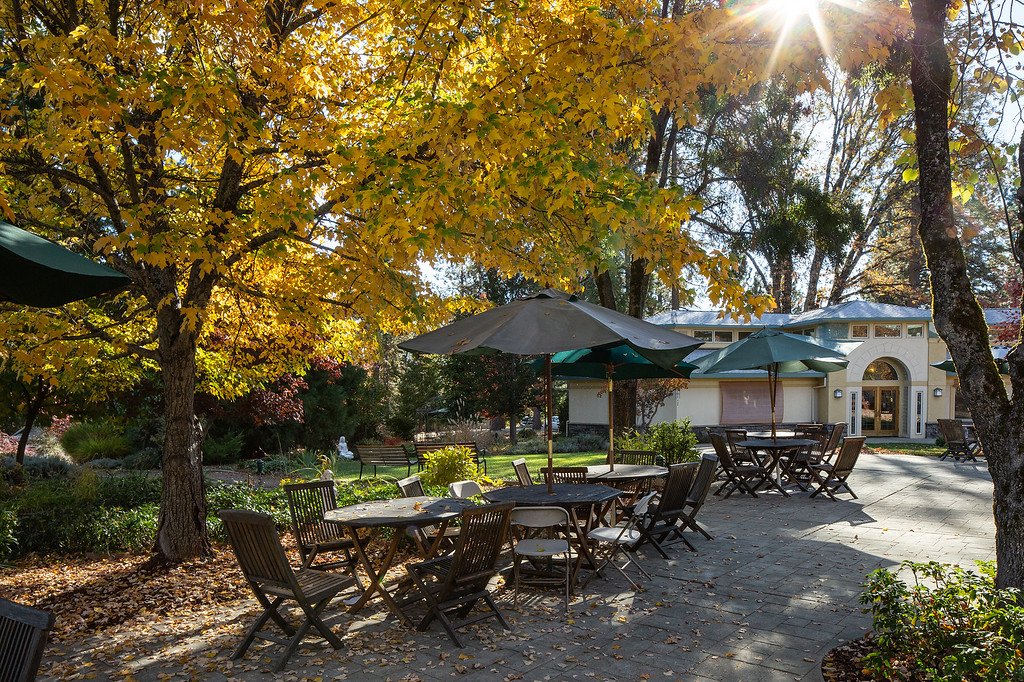
The Expanding Light at Ananda Village sits in the Sierra Nevada foothills near Nevada City, about 2.5 hours northeast of San Francisco. This yoga and meditation retreat operates within a larger spiritual community following the teachings of Paramhansa Yogananda (author of Autobiography of a Yogi), and it provides a deeply immersive spiritual retreat experience for those drawn to this particular tradition.
I visited for a weekend meditation retreat and found the atmosphere remarkably peaceful—400 acres of forest, meadows, and mountain views create this removed-from-the-world feeling despite being a manageable drive from the Bay Area. The community includes about 200 residents who’ve built lives around meditation, simple living, and service, giving the property an established feel different from newer retreat centers.
Daily schedules typically include morning and evening meditation, yoga classes, vegetarian meals eaten partly in silence, walks through forest paths, and teachings on Yogananda’s approach to kriya yoga and Self-realization. The accommodations range from dormitory rooms to private cottages, all simple and clean rather than luxurious.
What distinguishes Ananda from non-denominational retreat centers is the specific spiritual focus—you’re learning and practicing within a defined tradition with clear teachings, practices, and philosophy. If Yogananda’s teachings resonate with you, this becomes the perfect environment for deepening that practice. If you prefer non-sectarian approaches, other retreat centers might suit you better.
The Nevada City area itself deserves exploration—this charming Gold Rush town offers excellent restaurants, bookstores, and that quirky Northern California vibe. Many visitors combine Ananda retreats with time in Nevada City.
What I Love: The authentic spiritual community and experienced teachers. The Sierra Nevada setting that feels distinctly different from coastal retreats. The affordability ($150-250 for weekend retreats including meals and lodging). And the depth of practice for those drawn to Yogananda’s teachings.
The honest assessment: this is spiritually specific rather than generally wellness-focused. The community lifestyle and teachings won’t resonate with everyone. Summer can be hot at this elevation. But for the right person, Ananda provides a genuine spiritual home and deep practice environment.
Practical Details:
- Distance from San Francisco: 2.5 hours (150 miles via I-80 and Highway 20)
- Pricing: $150-250 weekend retreats; $60-120/night for personal retreats
- Best For: Yogananda students, spiritual seekers, those wanting community immersion
- Booking: Reserve 3-4 weeks ahead; www.expandinglight.org
- What’s Included: Accommodations, vegetarian meals, meditation, yoga, teachings
- Pro Tip: Combine with Nevada City exploration; visit September-October for ideal weather
11. Harbin Hot Springs – Natural Hot Springs Retreat (Currently Closed for Rebuilding)
I’m including Harbin Hot Springs despite its current closure because it remains such an important part of Northern California retreat history, and many readers will have heard of it and wonder about its status. Harbin was destroyed in the 2015 Valley Fire and is currently being rebuilt, with reopening anticipated in 2025-2026.
Before the fire, Harbin occupied a special place in Bay Area retreat consciousness—a clothing-optional natural hot springs resort in Lake County (2 hours north of San Francisco) that attracted everyone from Silicon Valley executives to aging hippies to yoga teachers to people simply seeking the healing properties of natural mineral waters.
The three pools (hot at 110°F, warm at 98°F, and cold spring-fed) created this ritual of alternating between temperatures that somehow reset both body and mind. The property included simple accommodations, vegetarian restaurant, massage services, yoga classes, and acres of oak forests for hiking. The clothing-optional policy initially seemed weird to newcomers but quickly became normal—nobody cared because everyone was focused on the water, the nature, and their own relaxation.
Harbin’s rebuild is happening slowly through community effort and fundraising. When it reopens, it will undoubtedly draw crowds eager to return to this beloved spot. I’ll update this guide once the property welcomes visitors again.
Current Status: Closed for rebuilding; anticipated reopening 2025-2026; check www.harbin.org for updates
How to Choose the Right Retreat from San Francisco
After exploring these 11 retreats plus probably 20 others over the past few years, I’ve developed a framework for matching people to appropriate retreat experiences:
For First-Time Retreat Seekers: Start with Costanoa (easy nature immersion), Osmosis (unique day experience), or Green Gulch Sunday program (free meditation introduction). These provide retreat flavor without major time or money commitments.
For Luxury & Pampering: Canyon Ranch Woodside or Cavallo Point deliver comprehensive luxury wellness with skilled practitioners and beautiful settings. Yes, they’re expensive, but the quality justifies costs.
For Serious Spiritual Practice: Esalen (personal growth work), Spirit Rock (meditation intensive), or Green Gulch (Zen practice) offer authentic traditions and experienced teachers. These challenge you rather than merely relax you.
For Wine Country Relaxation: Mayacamas Ranch combines gentle yoga with Napa Valley location—perfect for couples wanting wellness plus wine tasting.
For Budget Consciousness: Green Gulch, Mount Madonna, and Spirit Rock offer sliding scale pricing or low-cost options that make retreat accessible regardless of income.
For Nature Immersion: Costanoa (coastal), Mount Madonna (redwood forests), or Expanding Light (Sierra foothills) provide natural settings that facilitate disconnection from daily life.
Consider these factors when choosing:
Timing: Most retreat centers book 4-8 weeks ahead for prime weekend dates. Weekday visits often available with shorter notice and lower rates.
Budget Reality: Factor total costs including accommodations, programming, meals, travel, and any spa services. Weekend retreats realistically run $300-2,000 depending on location and luxury level.
Comfort Level: Are you okay with dormitory accommodations, shared bathrooms, simple vegetarian food? Or do you need private rooms, luxury amenities, and gourmet meals? Match expectations to reality.
Practice vs. Pampering: Meditation retreats involve work and sometimes discomfort. Spa retreats emphasize relaxation and pleasure. Both have value but serve different purposes.
Solo vs. Couples: Some retreats (Spirit Rock, Green Gulch) work best solo. Others (Canyon Ranch, Mayacamas, Cavallo Point) cater well to couples. Few effectively serve both.
Best Times to Visit San Francisco Retreats
Spring (March-May): Ideal weather, wildflowers blooming, moderate crowds. Book 4-6 weeks ahead for weekends. This is my favorite season for most retreats—everything feels fresh and renewed.
Summer (June-August): Peak season means highest prices and crowds. Coastal areas stay cool (bring layers); inland spots can be hot. Book 2-3 months ahead. Consider weekday visits to avoid weekend crowds.
Fall (September-November): Excellent shoulder season with warm days, fewer crowds, lower prices. September-October provides the best weather-to-value ratio. Book 3-4 weeks ahead.
Winter (December-February): Quietest season with significant discounts. Rain is common but creates cozy retreat atmosphere. Some outdoor activities limited by weather. Book 2-3 weeks ahead, except holidays which fill early.
Holidays: Major holidays (New Year’s, President’s Day, Memorial Day, Labor Day, Thanksgiving) book 2-3 months ahead and command premium pricing.
Frequently Asked Questions
What’s the difference between a retreat and a vacation?
Retreats prioritize inner experience—rest, healing, personal growth, spiritual practice—over external activities and entertainment. Vacations emphasize fun, adventure, sightseeing, and stimulation. Both have value, but retreats require willingness to slow down, disconnect from devices, and spend time with yourself that many vacations actively avoid.
Do I need meditation or yoga experience for these retreats?
It depends. Beginner-friendly options (Green Gulch Sunday program, Osmosis, Costanoa) require zero experience. Intensive practice centers (Spirit Rock residential retreats, Mount Madonna, Esalen workshops) assume some familiarity. Most retreat descriptions specify experience level—read carefully before booking.
Can I bring my phone and laptop?
Policies vary. Luxury spas (Canyon Ranch, Cavallo Point) allow devices but encourage disconnection. Practice-focused centers (Spirit Rock, Green Gulch, Mount Madonna) prohibit devices during programs. Some (Esalen, Mayacamas) lack reliable WiFi intentionally. Honestly, the retreats where I left devices in my room delivered the most benefit.
What should I pack for a Northern California retreat?
Layers are essential—California microclimates mean 70°F at noon and 50°F at sunset. Bring comfortable clothes for yoga/meditation, hiking shoes, swimsuit (most have pools/hot tubs), journal and pen, reusable water bottle, toiletries, and any personal wellness items. Most provide towels, bedding, and basic amenities.
Are these retreats good for solo travelers?
Most work beautifully for solo visitors—retreat format naturally facilitates meeting like-minded people without forced socializing. Green Gulch, Spirit Rock, Mount Madonna, and Esalen attract many solo travelers. Luxury options (Canyon Ranch, Cavallo Point) work fine solo but cost more without partner to split rooms.
How far in advance should I book?
Popular weekends at sought-after retreats (Esalen with famous teachers, Canyon Ranch anytime, Mayacamas summer) fill 2-3 months ahead. Most others need 3-6 weeks for weekend reservations. Weekday visits often available with 1-2 weeks notice. Last-minute cancellations do happen—check websites for openings.
What if I have dietary restrictions?
Most retreat centers accommodate vegetarian, vegan, gluten-free, and common allergies. Notify them at booking. Vegan options are standard at spiritually-focused centers. Luxury properties (Canyon Ranch, Cavallo Point) handle complex dietary needs well. Budget or simple retreat centers may have limited flexibility.
What to Expect from Your First Retreat
First retreats often surprise people—both positively and challenging ways. Here’s what I wish someone had told me before my first experience:
The Adjustment Period: The first 6-12 hours you’ll feel restless, maybe regretful about spending money, possibly bored, and your mind will race with thoughts about everything you’re “supposed” to be doing. This is normal. Push through. Day two typically brings a shift as you actually start to relax.
Emotional Surfacing: Without usual distractions, emotions you’ve been ignoring might surface. This can feel uncomfortable but represents the retreat working—you’re finally giving yourself space to process rather than constantly pushing forward. Most retreat centers have counselors or teachers available if things feel overwhelming.
Physical Discomfort: Meditation involves sitting still. Yoga requires flexibility you might not have. Hiking tests fitness. Simple vegetarian food differs from your usual diet. Your body will complain initially. Stick with it—the discomfort usually eases.
Unexpected Insights: Retreats create space for clarity about life decisions, relationships, career, or personal patterns. Bring a journal. Some of your best thinking will happen in unexpected moments—walking trails, soaking in hot springs, lying in bed before sleep.
The Transition Home: Returning to regular life after retreat can feel jarring. That calm you cultivated will be tested immediately by traffic, email, and obligations. Build in buffer time—don’t schedule important meetings or social commitments right after returning. The integration process matters as much as the retreat itself.
Making Your Retreat Actually Beneficial
Beyond choosing the right location, certain approaches maximize retreat value:
Set Clear Intentions: What do you actually want from this retreat? Rest? Insight about a specific issue? Spiritual deepening? Physical reset? Knowing your intention helps you structure time appropriately.
Minimize Planning: Unlike vacations where detailed itineraries make sense, retreats benefit from open schedules. Participate in offered programming but leave unscheduled time for whatever emerges.
Actually Disconnect: The hardest but most important element. Silence your phone (or leave it in your room). Avoid email and news. The world will survive without you for 2-3 days, and you’ll get exponentially more benefit from being truly present.
Honor Your Limits: Don’t force yourself to attend every meditation session or yoga class if your body needs rest. Don’t share in group discussions if you’re not ready. Retreats should challenge you appropriately, not overwhelm you.
Journal: Write about what you’re experiencing, noticing, feeling, realizing. These insights fade quickly once you return to regular life unless you capture them.
Extend the Benefits: Most retreat benefits disappear within 72 hours of returning home unless you intentionally maintain them. Choose one or two practices you can continue—morning meditation, regular nature walks, device-free evenings—and actually commit to them.
Conclusion
The best retreat from San Francisco is the one that matches your current needs, budget, and readiness level. Canyon Ranch delivers comprehensive luxury wellness. Esalen provides transformative personal growth work. Green Gulch offers accessible meditation practice. Mayacamas combines yoga with wine country charm. Each serves different purposes, and the “best” choice depends entirely on what you’re seeking.
After exploring these 11 retreats over three years, I’ve learned that genuine retreat experiences share certain qualities regardless of price point or style—they create space away from normal life, provide structure that supports rather than constrains, offer skilled guidance when needed, and honor the fact that real rest and renewal require more than just checking into a nice hotel.
The Bay Area’s proximity to mountains, ocean, redwood forests, and wine country means you can access world-class retreat experiences within 1-3 hours. No need to fly to Bali or Costa Rica when you have Esalen down the coast, Spirit Rock in Marin, and Mount Madonna in the Santa Cruz Mountains. These places have been facilitating transformation, healing, and rest for decades because they genuinely work.
My recommendation for first-timers: start with a day visit (Osmosis or Green Gulch Sunday program) to test whether retreat experiences resonate. If they do, try a weekend at a beginner-friendly center (Mayacamas, Costanoa, or Green Gulch residential). If that works, then consider more intensive options (Esalen workshops, Spirit Rock silent retreats, or luxury extended stays at Canyon Ranch).
The world needs more people who actually rest, who do their inner work, who give themselves permission to slow down and heal. These Northern California retreats from San Francisco provide the space and support for exactly that. See you in the hot springs at Osmosis, or maybe on a silent meditation cushion at Green Gulch, or hopefully just out there somewhere taking the time you need to be truly okay.
Key Takeaways
The best retreats from San Francisco combine accessibility (within 3 hours’ drive), authentic programming led by experienced practitioners, natural settings that facilitate genuine disconnection from daily life, and appropriate pricing for the value delivered—whether that’s $175 weekend meditation retreats at Mount Madonna or $1,500 all-inclusive luxury wellness at Canyon Ranch Woodside.
Northern California’s unique geography means Bay Area residents can access diverse retreat experiences within short drives: oceanfront meditation centers like Spirit Rock in Marin County just 45 minutes away, redwood forest yoga ashrams like Mount Madonna 90 minutes south, wine country wellness at Mayacamas Ranch in Napa Valley, coastal nature immersion at Costanoa near Año Nuevo, and even transformative personal growth work at legendary Esalen Institute on the Big Sur coast.
Your first retreat should match your comfort level and readiness—start with accessible day experiences like Osmosis Day Spa’s unique enzyme baths in Sonoma or Green Gulch Farm’s free Sunday meditation program in Marin, then progress to weekend residential retreats once you’ve confirmed that retreat-style experiences resonate with you, and consider intensive silent meditation retreats or luxury multi-day wellness packages only after you understand what you’re seeking from retreat time.
