

I’m standing on the Monterey Bay Coastal Trail at 6:45 AM, watching sea otters crack open urchins while harbor seals sun themselves on the rocks below, when a family from Texas asks me if the Monterey Bay Aquarium is really worth the $60 admission. After visiting Monterey twenty-six times over the past decade—from solo photography trips to family weekends—I’ve learned that this historic fishing village offers far more than the aquarium, though yes, it’s absolutely worth every dollar if you time it right.
Most Monterey guides focus exclusively on Cannery Row and the aquarium without explaining the parking nightmare that ruins most first visits, which beaches locals actually use, or how to experience this coastal gem beyond the tourist corridor. This complete guide provides 25 tested Monterey activities with specific timing strategies, honest assessments of what’s tourist trap versus genuinely special, and practical details that transform a stressful visit into a smooth coastal adventure. Whether you’re planning a day trip from San Francisco or a weekend exploring the Monterey Peninsula, you’ll discover everything from world-class marine life to scenic coastal drives, historic sites to hidden beaches.
Understanding Monterey’s Geography
Monterey curves around the southern shore of Monterey Bay on California’s Central Coast, about 120 miles south of San Francisco. The city stretches along several miles of coastline with distinct areas that serve different purposes and attract different visitors.
Cannery Row runs along the waterfront where sardine canneries once dominated the economy until the fishery collapsed in the 1950s. Today, this half-mile stretch houses the aquarium, hotels, restaurants, and shops in renovated cannery buildings. It’s undeniably touristy but remains the heart of Monterey’s visitor experience.
Old Monterey, inland from the waterfront, preserves the city’s history as California’s first capital with adobe buildings, historic sites, and the downtown area along Alvarado Street. This is where locals actually shop and eat, and where you’ll find better restaurant values than Cannery Row.
The Monterey Bay Coastal Recreation Trail connects everything along 18 miles of paved path perfect for walking or cycling. This trail provides the best way to experience Monterey’s coastline and escape car-based tourism for a few hours.
Pacific Grove borders Monterey to the west and technically isn’t Monterey, but most visitors experience them as one continuous coastal community. Pacific Grove offers quieter beaches, Victorian architecture, and that small-town atmosphere lacking in busier Monterey.
The weather here runs cool and foggy much of the year. Summer particularly sees fog that may not clear until afternoon or sometimes lingers all day. Locals joke that Monterey has two seasons—cool and cooler. Always bring layers regardless of season, and accept that fog is part of the Monterey experience rather than a disappointment.
The Best Things to Do in Monterey
Monterey Bay Aquarium
The Monterey Bay Aquarium anchors any Monterey visit and ranks among the world’s finest aquariums. Opened in 1984 in a converted sardine cannery, it showcases the incredible marine life of Monterey Bay through exhibits that balance education with genuine wonder.
The three-story kelp forest tank mesmerizes visitors with leopard sharks, rockfish, and other species swimming through swaying kelp that reaches from floor to ceiling. The Open Sea exhibit features a million-gallon tank where sea turtles, sharks, and massive schools of tuna circle endlessly. The jellyfish galleries display dozens of species in artistic presentations that feel more museum than aquarium.
What sets this aquarium apart is its focus on a single ecosystem—Monterey Bay itself. Everything you see in the exhibits swims in the waters outside. That connection to place gives the experience meaning beyond just viewing sea creatures. The aquarium also leads marine conservation efforts, and you’ll see research in action throughout your visit.
Admission costs $60 for adults, $50 for seniors and students, and $40 for children ages 3-12. Those prices shock visitors but the quality justifies the cost. Plan 3-4 hours for a thorough visit, though aquarium enthusiasts can easily spend an entire day here.
Timing your visit matters enormously. The aquarium opens at 10 AM on most days, and lines form before opening on summer days and weekends. Tickets are timed-entry and must be purchased online in advance—you cannot just show up and buy tickets at the door. Book at least 2-3 weeks ahead for summer and holiday weekends. The earliest entry time (10 AM) is least crowded. Weekday afternoons from 2-4 PM also see lighter crowds as morning visitors leave and few new visitors arrive late in the day.
Feeding times draw crowds but offer the best viewing opportunities. Check the daily schedule when you arrive and plan to watch at least one feeding. The sea otter feeding at 10:30 AM, 1:30 PM, and 3:30 PM is particularly popular and adorable.
The cafe inside serves decent food at inflated prices. Most visitors bring snacks or plan to leave for lunch and return—your admission allows same-day re-entry. The outdoor decks behind the aquarium provide spectacular ocean views and are free to access without aquarium admission if you just want the vista.
Cannery Row
Cannery Row stretches along the waterfront from the aquarium to the Monterey Plaza Hotel, preserving the area John Steinbeck immortalized in his novel “Cannery Row.” The sardine canning industry that dominated here from the 1920s through 1940s collapsed when the fishery failed, and today’s Cannery Row bears little resemblance to Steinbeck’s working-class waterfront.
Modern Cannery Row is unabashedly touristy with t-shirt shops, fudge stores, and chain restaurants occupying converted cannery buildings. It’s crowded, parking is nightmare, and prices reflect captive tourist audiences. Yet dismissing Cannery Row entirely means missing the reason Monterey attracts visitors—this waterfront provides easy access to the bay’s beauty and marine life.
Walk Cannery Row for the views rather than the shopping. The Recreation Trail runs behind the buildings along the water, offering constant views of sea otters, harbor seals, pelicans, and the bay itself. Rocky outcroppings and small beaches appear between buildings where you can watch wildlife without the crowds on the main street.
Several wine tasting rooms offer relief from tourist shops. A Taste of Monterey at the north end of Cannery Row pours wines from Monterey County wineries with exceptional bay views from the tasting room. It’s a civilized break from walking and introduces you to the region’s wine industry.
Free parking on Cannery Row doesn’t exist. Paid lots charge $4-6 per hour or $20-30 daily. The smarter approach is parking elsewhere in Monterey and walking or biking the Recreation Trail to Cannery Row. Street parking in the residential areas above Cannery Row offers two-hour free zones if you’re willing to walk downhill.
Evening on Cannery Row brings a different energy when day-trippers leave. The waterfront becomes more peaceful, and watching sunset from one of the benches along the Recreation Trail captures Monterey’s beauty without the daytime crowds.
Monterey Bay Coastal Recreation Trail
The Monterey Bay Coastal Recreation Trail provides 18 miles of paved pathway following the coastline from Castroville through Monterey to Pacific Grove. The Monterey section from Fisherman’s Wharf through Cannery Row to Lovers Point in Pacific Grove offers the most scenic and popular stretch.
Walking or biking this trail delivers the best Monterey experience many visitors never have. You’ll see sea otters floating in kelp beds, harbor seals hauled out on rocks, pelicans diving for fish, and possibly even whales spouting offshore during migration seasons. The path runs right along the water’s edge with constant marine life viewing.
The 4-mile section from Fisherman’s Wharf to Lovers Point makes an excellent walk taking about 90 minutes one-way at a relaxed pace. Most visitors walk from Cannery Row to Lovers Point and back, covering about 3 miles total. The completely flat, paved surface accommodates all fitness levels.
Bike rentals are available along Cannery Row and near Fisherman’s Wharf from multiple shops charging $15-30 per hour or $40-80 for full-day rentals. Cycling the trail provides a wonderful way to cover more distance and see different neighborhoods. Electric bikes help if you plan to explore beyond the flat coastal sections.
The trail is busiest midday on weekends during summer. Early morning before 9 AM or late afternoon after 4 PM offers more peaceful experiences with equally good wildlife viewing. Foggy days actually enhance the experience—fewer people use the trail, and the fog creates atmospheric conditions perfect for photography.
The trail connects to downtown Monterey, making it a functional transportation option beyond just recreation. You can park once near downtown or your hotel and bike or walk to Fisherman’s Wharf, Cannery Row, and Pacific Grove without moving your car.
Fisherman’s Wharf
Monterey’s Fisherman’s Wharf extends into the harbor as a working fishing port that also caters to tourists. It’s less commercialized than San Francisco’s Fisherman’s Wharf while still offering plenty of souvenir shops and restaurants. The advantage here is that commercial fishing boats still operate from the wharf, lending authenticity to the maritime atmosphere.
Walk the wharf to see sea lions hauled out on floating docks beneath the pier. Hundreds of sea lions congregate here, and their barking creates a soundtrack you’ll hear across the harbor. They’re visible and close enough for good photos without special equipment.
Several restaurants line the wharf serving seafood in settings ranging from casual to upscale. Abalonetti Bar & Grill offers excellent calamari and reliable seafood in a casual environment with waterfront views. Old Fisherman’s Grotto has served seafood since 1950 with bay views from tables overlooking the water. Expect to pay $20-35 per person for lunch and $30-50 for dinner.
The wharf hosts whale watching tour operators offering excursions into Monterey Bay. These tours depart multiple times daily and run about 3-4 hours. Prices typically range from $50-80 per adult depending on boat size and tour company. Gray whales pass through during winter and spring migrations, while humpback whales and blue whales feed in the bay during summer and fall.
Parking at the wharf costs $3 per hour at the adjacent municipal lot. The first hour is free with validation from any wharf business, making lunch at a wharf restaurant essentially provide free parking. The lot fills midday on summer weekends but rarely reaches capacity on weekdays or off-season.
Fisherman’s Wharf provides a legitimate experience where tourism and working fishing coexist. It’s worth an hour or two during any Monterey visit, though you don’t need to spend half a day here unless booking a whale watching tour.
Point Lobos State Natural Reserve
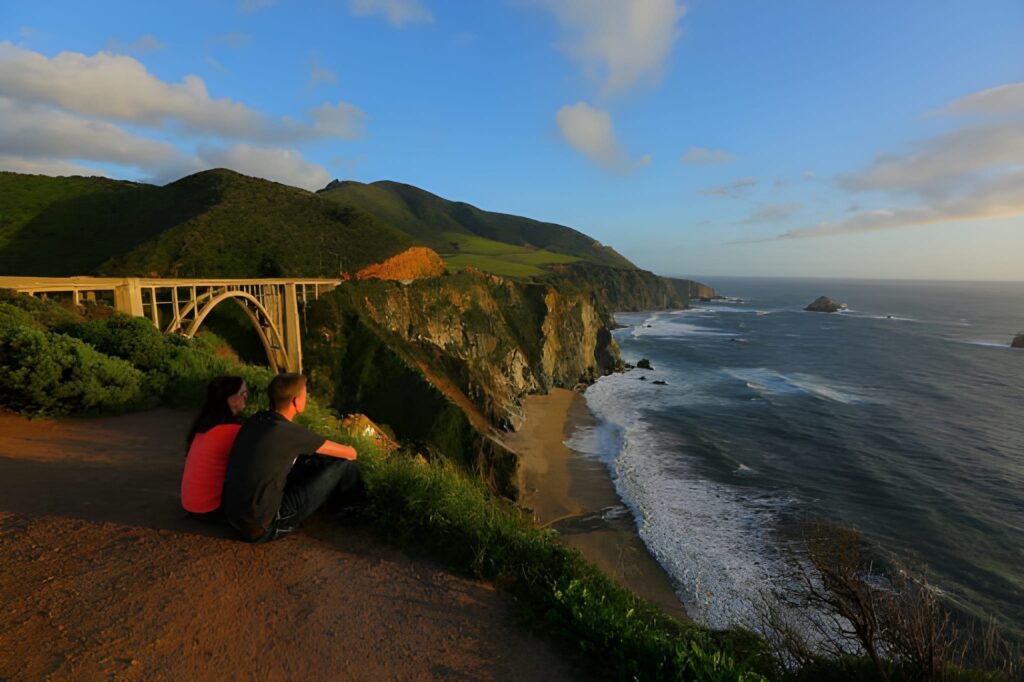
Point Lobos sits just three miles south of Carmel and technically isn’t Monterey, but no Monterey visit is complete without experiencing what many consider the crown jewel of California’s coast. This 554-acre reserve protects rocky headlands, hidden coves, and some of the clearest ocean water on the California coast.
Six miles of trails wind through the reserve connecting multiple coves and viewpoints. The Cypress Grove Trail showcases ancient Monterey cypress trees in their native habitat—these trees grow naturally in only two locations worldwide, and Point Lobos is one of them. China Cove offers turquoise water in a protected inlet that photographs like the Mediterranean.
The marine life viewing at Point Lobos exceeds anywhere else on the Monterey Peninsula. Sea otters float in kelp beds visible from shore. Harbor seals haul out on rocks. Sea lions bark from offshore rocks. Gray whales pass during migration seasons. The water clarity allows seeing kelp forests and fish from cliff-top trails.
Point Lobos requires reservations on weekends and holidays through Reserve California. Book 2-3 weeks ahead for weekend visits. Weekdays remain first-come, first-served and rarely fill completely. Admission costs $10 per vehicle. The reserve opens at 8 AM and that early arrival provides the best wildlife viewing and photography light.
Plan at least 2-3 hours to walk several trails and visit multiple coves. The trails range from easy paved paths to moderate rocky sections. Most visitors can handle the easier trails that access the best viewpoints. Bring water, sunscreen, and layers for changing weather.
The reserve is undeveloped by intention—no food, limited facilities, and trail maintenance kept minimal to preserve the wild character. This makes Point Lobos feel genuinely natural compared to more developed attractions. The lack of commercialization is precisely what makes it special.
17-Mile Drive
The 17-Mile Drive winds through Pebble Beach between Monterey and Carmel, passing oceanfront estates, world-famous golf courses, and dramatic coastal scenery. It’s a toll road costing $12.25 per vehicle, though that fee is fully credited toward purchases of $35 or more at Pebble Beach Resort restaurants or shops.
The drive takes 1.5-2 hours at a leisurely pace with stops at designated viewpoints. The Lone Cypress, a windswept tree perched on a rocky point, is the drive’s most photographed landmark and appears on countless California postcards. Bird Rock hosts barking sea lions visible and audible from the viewpoint. China Cove and Fanshell Beach offer stunning coastal views with turquoise water.
Is it worth $12.25? That depends on your priorities. The coastal scenery is genuinely beautiful, and the manicured golf courses and estates showcase a level of wealth and landscape design you won’t see elsewhere. However, nearby Point Lobos offers comparable coastal beauty for $10 with far less development. If you’re curious about seeing Pebble Beach and don’t mind the toll, it’s a pleasant experience. If you’re budget-conscious, Point Lobos provides better natural beauty value.
The entrance nearest Monterey sits at the intersection of Lighthouse Avenue and 17-Mile Drive in Pacific Grove. Pick up a map at the entrance gate showing all viewpoints. The route is one-way with clear signage making navigation foolproof.
Early morning before 9 AM or late afternoon after 3 PM sees lighter traffic and better photography light. Midday brings tour buses that clog viewpoints and make the normally peaceful drive frustrating. Foggy days create moody photographs but obscure distant views—check conditions before paying the toll if you specifically want clear weather.
The Lodge at Pebble Beach allows non-guests to park and walk around the grounds, visit the pro shop, and dine at restaurants. The views from the Lodge terrace overlook the iconic 18th hole finishing at the cliff edge. Having lunch here validates parking and applies your $12.25 entry fee toward the meal.
Old Monterey and Historic Adobe Buildings
Old Monterey preserves California history through the Path of History walking tour connecting historic adobe buildings from the Spanish and Mexican periods when Monterey served as California’s capital. This often-overlooked part of Monterey delivers cultural depth beyond the waterfront tourist attractions.
The Custom House, built in 1827, is California’s oldest government building and marks the spot where the American flag first flew over California in 1846. Colton Hall served as the site where California’s first constitution was written in 1849. The Pacific House Museum displays Monterey’s history through artifacts and exhibitions.
The walking tour covers about 2 miles and takes 1.5-2 hours depending on how many buildings you enter. Many historic structures are free to visit, while others charge small admission fees or operate as museums with entry costs. A detailed map available at the visitor center on Fisherman’s Wharf outlines the route and provides historical context.
Stevenson House on Houston Street preserves rooms where Robert Louis Stevenson stayed in 1879 while courting his future wife. The Royal Presidio Chapel, founded in 1770, continues holding services as an active parish while also functioning as a historic site. These buildings reveal Monterey’s importance in California history—this wasn’t just a fishing village but the political and cultural center of Spanish and Mexican California.
Most visitors skip historic Old Monterey entirely, focusing on the waterfront. That means you’ll have these sites mostly to yourself even on busy summer weekends. If you appreciate history and architecture, the Path of History provides fascinating context about California before the Gold Rush transformed everything.
Downtown Monterey along Alvarado Street sits within the historic district and offers better restaurants and shops than Cannery Row at lower prices. This is where locals eat and shop, and it’s worth exploring for that authentic Monterey experience.
Pacific Grove and Lovers Point
Pacific Grove borders Monterey to the west and offers quieter beaches, Victorian architecture, and small-town charm that contrasts with busier Monterey. The town earned the nickname “Butterfly Town USA” for the thousands of monarch butterflies that overwinter in a grove near downtown.
Lovers Point Park provides Pacific Grove’s most popular beach with protected swimming cove, coastal walking paths, and expansive ocean views. The beach here offers warmer, calmer water than most Monterey Peninsula beaches due to the protected cove. Families appreciate the gentler conditions for children.
The park includes grassy picnic areas, a beach volleyball court, and the Lovers Point Beach Grill serving breakfast and lunch. It’s far less crowded than Monterey beaches despite being genuinely nicer for actual beach activities. The tide pools at the rocky sections reveal starfish, anemones, crabs, and other marine life at low tide.
Pacific Grove’s downtown along Lighthouse Avenue offers antique shops, cafes, and local boutiques with none of Cannery Row’s tourist commercialism. Peppers Mexicali Cafe serves excellent Mexican food at reasonable prices. Red House Cafe offers highly rated breakfast and lunch in a Victorian cottage setting.
The monarch butterfly sanctuary at 1073 Lighthouse Avenue hosts thousands of monarch butterflies from October through February. The butterflies cluster in eucalyptus trees, and docents provide information about their incredible migration. Viewing is free and takes about 30 minutes. The peak viewing period is late November through early January.
Pacific Grove’s Victorian homes, particularly along streets near the ocean, showcase well-preserved architecture from the late 1800s when the town developed as a Methodist seaside retreat. The entire town is designated a historic district. Simply driving or walking through residential streets reveals beautiful examples of Victorian craftsmanship.
Most Monterey visitors never explore Pacific Grove beyond perhaps driving through on 17-Mile Drive. That’s a mistake because Pacific Grove provides the quiet, authentic coastal town experience that Monterey itself has largely commercialized away.
Beaches Worth Your Time
Monterey Peninsula offers numerous beaches ranging from small coves to long sandy stretches. Most visitors only see beaches along Cannery Row and miss better options a short drive away.
San Carlos Beach sits directly in front of the aquarium with easy access and constant wildlife viewing. Sea otters frequently feed in the kelp beds just offshore visible from the beach. This is also Monterey’s most popular dive site with underwater park protecting the kelp forest. The beach is small and rocky—more for viewing than lounging.
Del Monte Beach stretches for over a mile along Monterey Bay with soft sand and gentle waves. It’s Monterey’s longest beach and sees far fewer visitors than Cannery Row despite being arguably nicer for traditional beach activities. Free parking lines the beach at Surf Way and Park Avenue. The beach allows dogs and horses, creating a different vibe from typical California beaches.
Asilomar State Beach in Pacific Grove offers a mile of dunes, boardwalks, and rocky coastline perfect for sunset walks. Strong currents make swimming dangerous but the dramatic scenery and walking paths make this a favorite for photographers and nature lovers. Free parking is available in the state beach lot off Sunset Drive.
Carmel Beach, three miles south in Carmel-by-the-Sea, provides arguably the peninsula’s most beautiful beach with white sand, cypress trees, and stunning views. It’s worth the short drive and deserves more than a quick stop—plan at least an hour or two to appreciate this special beach.
The reality is that Monterey Peninsula beaches are better for walking, wildlife viewing, and photography than swimming. Water temperatures stay cold year-round at 50-58°F. Strong currents and waves make many beaches dangerous for swimming. Come for the scenery and marine life rather than expecting tropical beach experiences.
Scenic Drives and Viewpoints
Beyond the famous 17-Mile Drive, several scenic routes showcase the Monterey Peninsula from different perspectives. Ocean View Boulevard in Pacific Grove runs along the coast connecting various viewpoints and beaches over about 3 miles. The road passes the Point Pinos Lighthouse, California’s oldest continuously operating lighthouse, and provides numerous pullouts for viewing the rocky coastline.
Highway 68 between Monterey and Salinas crosses through oak-studded hills with spectacular views back toward Monterey Bay. The drive particularly shines in late afternoon when golden light hits the landscape. It’s the scenic route to Carmel Valley wine country and provides a different perspective than the coastal roads.
The drive from Monterey through Pacific Grove to Pebble Beach and Carmel along the coast (Lighthouse Avenue transitioning to Sunset Drive and Forest Avenue) creates a beautiful scenic loop without paying for 17-Mile Drive. You’ll see much of the same coastline for free with slight detours onto side streets accessing viewpoints.
Huckleberry Hill Nature Trail in Monterey offers a 3-mile hiking loop through Monterey pine forest and coastal scrub with views over Carmel Bay. The trailhead is accessible off Highway 68 and provides an easy to moderate hike showcasing the peninsula’s inland ecosystems.
For sunset viewing, several spots reliably deliver spectacular conditions. Asilomar State Beach in Pacific Grove offers unobstructed western views over the Pacific. The beach at Lovers Point provides sunset views with the advantage of park facilities and nearby restaurants. The trails at Point Lobos also capture dramatic sunset light on the cliffs and coves.
Food and Dining
Monterey’s dining scene ranges from tourist trap seafood restaurants on Cannery Row to excellent local spots where residents actually eat. Knowing the difference transforms your dining experience.
Monterey Fish House on Del Monte Avenue serves the freshest seafood in Monterey at reasonable prices in a casual setting. There’s often a wait and they don’t take reservations, but the quality justifies patience. The cioppino and grilled fish selections are exceptional. Expect $25-40 per person for dinner.
The Sardine Factory on Cannery Row has operated since 1968 and maintains quality despite its tourist location. The conservatory dining room with glass ceiling and abundance of plants creates a unique atmosphere. It’s expensive at $45-70 per entree but delivers a special occasion experience. Reservations essential.
Montrio Bistro in downtown Monterey serves California cuisine in a renovated 1910 firehouse. The seasonal menu focuses on local ingredients and the wine list emphasizes Monterey County wines. It’s where locals celebrate special occasions. Dinner runs $35-50 per entree.
For breakfast, First Awakenings on Munras Avenue serves generous portions of American breakfast classics with creative touches. The wait on weekends exceeds an hour during peak times, so arrive before 8:30 AM or after 10 AM. Breakfast is $15-20 per person.
Crystal Fish on Lighthouse Avenue in Pacific Grove offers some of the peninsula’s best sushi and Japanese cuisine. The fish is remarkably fresh and the preparations skillful. It’s small and fills quickly, so reservations help. Expect $30-50 per person for dinner.
Tarpy’s Roadhouse on Highway 68 toward Salinas serves American comfort food with Monterey County wine country influences. The historic stone house setting with multiple dining rooms and outdoor patio creates a charming atmosphere. Lunch is $18-28, dinner $28-42.
Budget options exist beyond Cannery Row. El Cantaro Vegan Mexican Restaurant on Alvarado Street offers excellent plant-based Mexican food at $12-18 per entree. Rosine’s Restaurant on Alvarado serves generous portions of American diner fare at old-school prices—$12-18 for full meals including sides.
When to Visit Monterey
Monterey’s cool coastal climate means no truly bad time to visit, but different seasons offer distinct advantages. September through October brings the warmest temperatures, clearest weather, and fewer crowds after summer vacation season. These months offer the most reliable conditions for enjoying outdoor activities.
Spring from April through May brings green hillsides, wildflowers in nearby parks, and moderate temperatures. Fog is less frequent than summer though still possible. This is excellent timing for avoiding summer crowds while maintaining pleasant weather. Gray whales migrate through during April.
Summer from June through August attracts the most visitors despite being the foggiest season. Fog often doesn’t clear until afternoon or may linger all day. The cool, foggy conditions are actually pleasant if you adjust expectations—this isn’t beach weather but it’s perfect for the aquarium, walks along the Recreation Trail, and exploring without heat or sunburn concerns.
Winter from November through March brings occasional rain and the coolest temperatures, though “cool” means 50-60°F. Lodging rates drop significantly, restaurants are easier to book, and attractions see manageable crowds. Gray whales migrate south in December and January, then return north in March and April. Winter storms create dramatic ocean conditions excellent for photography.

Where to Stay in Monterey
Monterey offers hundreds of lodging options from budget motels to luxury resorts. Location significantly impacts your experience since parking and transportation become easier when staying near attractions you plan to visit.
Cannery Row hotels provide maximum convenience for the aquarium and waterfront activities. The InterContinental Monterey offers upscale accommodations directly on Cannery Row at $250-450 per night. The Monterey Plaza Hotel and Spa provides luxury with ocean views at $300-600 per night. These prices reflect the premium location.
Downtown Monterey hotels offer better value with easy access to historic sites and local restaurants. Hotel Abrego provides comfortable modern rooms at $180-300 per night with free parking. Portola Hotel and Spa anchors downtown with conference facilities and upscale rooms at $200-400 per night.
Pacific Grove presents quieter alternatives with Victorian inns and small hotels at slightly lower rates. The Martine Inn offers romantic Victorian accommodations at $200-350 per night. The Lighthouse Lodge and Cottages provides simple, comfortable rooms at $150-250 per night.
Budget travelers should look at hotels along Munras Avenue or North Fremont Street where chain properties offer $100-180 per night rates. These require driving to attractions but provide significant savings. Quality varies, so read recent reviews carefully.
Book 2-3 months ahead for summer weekends. Spring and fall weekends need 4-6 weeks advance booking. Winter weekdays sometimes offer last-minute deals. Always check cancellation policies and compare rates across booking platforms since prices vary widely.
Getting Around Monterey
Monterey is best explored on foot or by bicycle along the Recreation Trail, though you’ll need a car for some attractions outside the main tourist corridor. Parking challenges make using alternative transportation attractive.
MST (Monterey-Salinas Transit) operates buses throughout the Monterey Peninsula including routes connecting Monterey, Pacific Grove, Carmel, and Pebble Beach. Fares are $2.50 per ride or $10 for an all-day pass. The trolley route along Cannery Row and downtown runs frequently and provides an easy way to avoid parking headaches.
Most downtown parking meters charge $2 per hour with 2-3 hour limits. City parking garages on Tyler Street and Del Monte Avenue offer all-day parking at $2-4 per hour with $20-25 daily maximums. The Conference Center garage provides convenient downtown parking.
Cannery Row parking costs $4-6 per hour at private lots or $25-35 for daily parking. Free street parking doesn’t exist near Cannery Row. The better approach is parking elsewhere and walking or biking the Recreation Trail to Cannery Row.
Bike rentals provide the most enjoyable way to explore Monterey’s coastline. Multiple shops along Cannery Row and near Fisherman’s Wharf rent standard bikes, electric bikes, and specialty cycles at $15-30 per hour or $40-80 per day. The flat Recreation Trail makes cycling accessible for all fitness levels.
Ride-sharing services operate throughout Monterey with typical availability and pricing. A ride from downtown to Cannery Row costs $8-12. Trips to Pacific Grove or Carmel run $15-25.
Walking covers most tourist attractions if you’re staying downtown or on Cannery Row. Fisherman’s Wharf to the aquarium is about 1.5 miles along the Recreation Trail—a pleasant 25-minute walk with constant ocean views and wildlife.
Budget Breakdown
Monterey ranks as moderately expensive compared to other California coastal destinations, though costs stay below Carmel or Big Sur levels. Expect premium pricing near tourist attractions with better values in downtown and Pacific Grove.
A day trip from San Francisco or San Jose costs approximately $100-150 per person including gas, aquarium admission, lunch, and parking. Add dinner and activities beyond the aquarium and budget $150-250 per person.
A weekend trip with one night costs approximately $500-800 per couple at mid-range lodging, including hotel ($200-350), four meals ($200-300), aquarium admission ($120), parking ($20-30), and activities ($50-100). Upgrade to upscale lodging and dining and that figure reaches $1,000-1,500 per couple.
Ways to reduce costs include staying in Pacific Grove or downtown rather than Cannery Row, eating at local restaurants instead of tourist corridor establishments, focusing on free activities like beach walks and the Recreation Trail, and visiting during winter when lodging rates drop 30-40% from summer peaks.
Where costs accumulate: aquarium admission at $60 per person, Cannery Row restaurant meals at $25-45 per entree, parking at $5-6 per hour, whale watching tours at $60-80 per person, and hotel rooms on Cannery Row at $300-600 per night.
Final Thoughts
After twenty-six visits to Monterey spanning every season and covering every type of trip from quick day visits to extended weekends, I’ve learned that Monterey rewards visitors who look beyond Cannery Row’s obvious attractions. The Recreation Trail, Pacific Grove neighborhoods, Old Monterey adobes, and Point Lobos reveal a richer destination than the tourist corridor suggests.
My favorite Monterey experiences aren’t checking famous attractions off lists. They’re watching sea otters from the Recreation Trail early morning when fog softens everything. They’re walking Pacific Grove’s quiet streets lined with Victorian homes. They’re sitting on a bench at Lovers Point watching waves while eating fish tacos from a local spot. They’re exploring Point Lobos when the water turns that impossible turquoise that photographs can’t quite capture.
The Monterey Bay Aquarium deserves its reputation and should anchor any visit. But Monterey itself deserves more than treating the aquarium as the sole attraction with Cannery Row as obligatory shopping. The coast here offers extraordinary natural beauty, fascinating history, and genuine character hiding behind the tourism veneer.
What separates ordinary Monterey visits from memorable ones is resisting the urge to stay entirely within the Cannery Row bubble. Walk the Recreation Trail past where tourists stop. Drive to Pacific Grove for lunch. Visit Point Lobos even though it requires driving past Carmel. Explore downtown Monterey’s historic adobe buildings. These detours reveal the destination beyond its commercial packaging.
The 25 activities in this guide provide structure to ensure you experience Monterey’s genuine highlights. But also leave room for simply being present along this remarkable coast. Watch the sea otters long enough to appreciate their incredible adaptations. Feel the fog on your skin and accept it as atmospheric rather than disappointing. Talk to the locals you encounter and learn about living in this special place.
Monterey delivers everything its reputation promises—world-class aquarium, abundant marine life, scenic coastline, fresh seafood, and that California coastal vibe that draws visitors from around the world. It also offers quieter pleasures that most visitors miss by staying too narrowly focused on the famous attractions. The complete Monterey experience includes both the greatest hits and the deeper discoveries that come from exploring with curiosity and time.
