
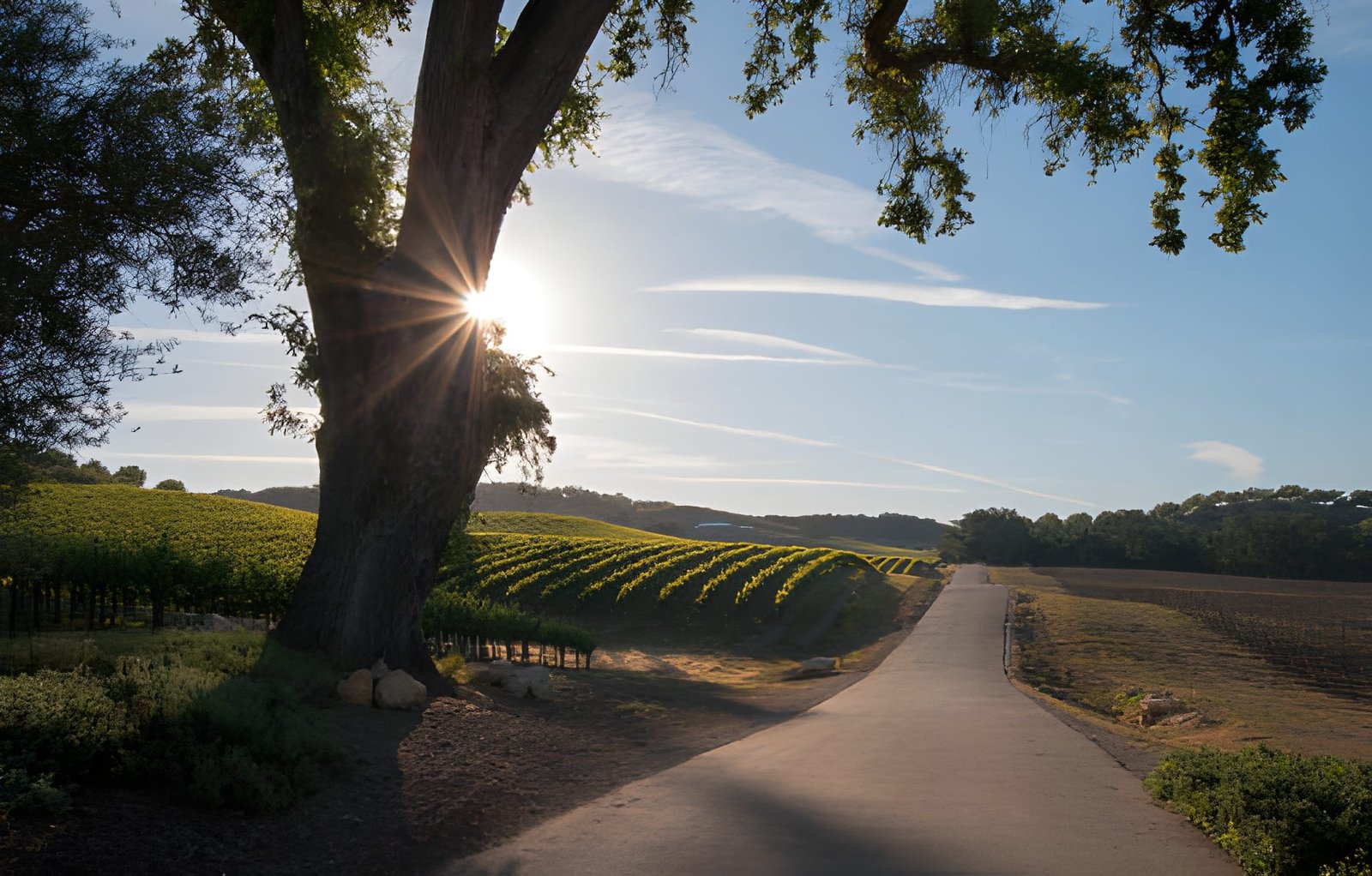
I’ll never forget the moment I first drove into Paso Robles’ downtown square on a crisp autumn evening. Warm golden light filtered through the mission-style architecture, locals were spilling out of wine bars, and the aroma of farm-fresh cuisine drifted from nearly every corner. But what struck me most wasn’t the polished sophistication of the wine country aesthetic—it was the genuine warmth of this place. Paso Robles felt less like a touristy wine destination and more like California’s best-kept secret: a town where wine country sophistication meets rugged outdoor adventure, where world-class dining happens alongside quirky farm-to-table joints, and where you can explore limestone caves in the morning and kayak wild coastlines by afternoon.
Over countless visits spanning several years, I’ve discovered that Paso Robles isn’t just about wine, though the wine is genuinely exceptional. This Central Coast gem offers something authentic for every type of traveler imaginable. Whether you’re an adrenaline seeker hunting the next adventure, a culture enthusiast craving artistic experiences, or a family wanting genuine California memories without pretension, Paso Robles delivers. The real challenge isn’t finding things to do here—it’s choosing which incredible experiences you’ll actually have time to prioritize during your visit.
This comprehensive guide covers everything you actually need to know about visiting Paso Robles, from the obvious wine experiences everyone talks about to the hidden adventures and local secrets that most visitors miss entirely.
Planning Your Paso Robles Adventure: The Practical Stuff
Best Time to Visit: When to Go
I’ve visited Paso Robles during every season, and each has its own special appeal. The peak summer months from June through August bring the warmest weather, with temperatures regularly hitting the 90s and sometimes pushing toward 100 degrees. The town buzzes with energy during this time, but you’ll also encounter the biggest crowds at wineries, restaurants often require reservations weeks in advance, and accommodation prices climb significantly.
If you ask me when I’d visit without hesitation, I’d say September through October. The weather is absolutely perfect—you’re looking at temperatures in the mid-70s to low 80s, warm enough for comfortable outdoor exploration but cool enough that wine tasting doesn’t feel oppressive. September also coincides with harvest season, which brings an electric energy to the region. The crowds are manageable compared to summer, and you can actually walk into wine tastings without reservations most of the time.
Winter months offer their own charm if you don’t mind cooler weather. November through March brings temperatures between 55 and 70 degrees, and the tourist traffic drops considerably. This is actually when many locals and experienced wine travelers prefer to visit because you get genuine, unhurried conversations with winery staff. Rain occasionally interrupts plans, but most days offer clear skies perfect for exploring without the intense summer sun.
Getting There: Routes & Directions
From San Francisco, you’re looking at roughly three and a half to four hours depending on traffic, taking I-5 south and connecting to US-101. If you’re driving from Los Angeles, it’s about the same timeframe heading north on I-5. The drive is straightforward but can be tedious on weekends when Bay Area travelers are all heading in the same direction.
For parking in downtown Paso Robles, you’ll find free street parking along most roads, though it fills up quickly during peak hours. If street parking seems impossible, the city operates several paid lots scattered throughout downtown charging only one to three dollars per hour. Honestly, finding a parking spot is rarely a major headache here, which is refreshing compared to more popular wine country destinations.
Wine Tasting: Understanding Paso Robles Wine Country
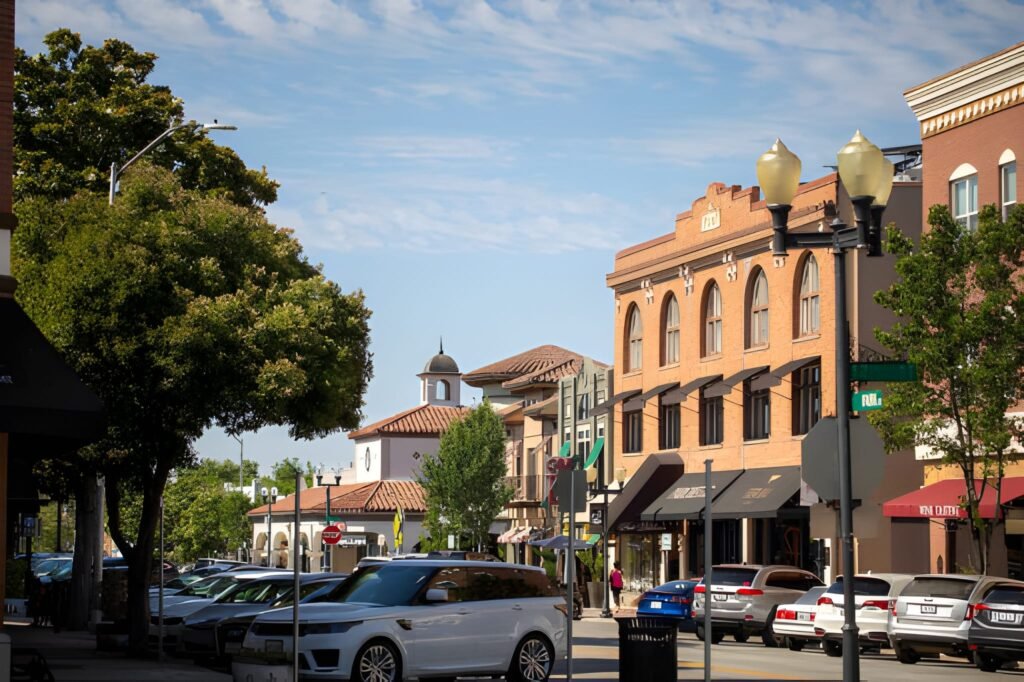
Paso Robles sits at an interesting elevation and climate zone that produces something genuinely distinctive compared to Napa or Sonoma. The region spans over two thousand vineyard acres producing more than two hundred different varieties. What I love most about wine tasting here is the approachable atmosphere—nobody expects you to pretend you know more than you do, and the wine industry folks genuinely enjoy talking about what they produce.
The Wineries That Define Paso Robles
Tablas Creek remains my personal favorite, situated at the end of a quiet rural road that feels completely removed from civilization. They’re known throughout California for their Rhone-style blends, and honestly, walking into their tasting room feels like discovering someone’s private vineyard. You’ll want to make a reservation ahead of time, though they do accept walk-ins if space allows. The experience never feels rushed, and the wines are genuinely exceptional—not the type of place where you’re trying to impress anyone, just honest wine and honest conversation.
If you want to experience multiple wineries without driving between each stop, Tin City has become the go-to destination. It’s basically a converted industrial complex where you can walk between several tasting rooms, grab lunch at various restaurants, and browse local shops. Field Recordings and Hubba Wines are my two favorite stops within Tin City—they bring a fresher, more youthful energy compared to some of the more established wineries in the area. It’s less about pretension and more about actually enjoying wine in a casual setting.
JUSTIN Winery deserves special mention because it’s genuinely its own full-day experience. They have a Michelin-starred restaurant on-site, a hotel if you want to stay overnight, and expansive vineyards you can explore. The scale is impressive without feeling corporate, and if you’re interested in seeing how a larger winery operates, JUSTIN shows you can do it with actual personality.
For something more intimate, try Turley Wines. This family-owned operation has an incredibly approachable philosophy toward wine tasting. They specialize in old vine Zinfandels and Petit Sirahs, and the staff actually enjoy talking with visitors rather than rushing through tastings. The setting is beautiful too, with picnic tables overlooking vineyards that make you want to stay longer than planned.
Epoch Estate occupies a fascinating piece of history—you’re actually tasting wine on the site of York Mountain Winery, one of California’s first wineries established way back in 1882. There’s something special about tasting current releases where wine has been made for over a century. The wines are excellent, but the historical context adds real meaning to the experience.
For budget-conscious wine enthusiasts, LXV Wine operates a downtown tasting room. It’s an Indian-owned winery focused on small-lot, sustainable vineyard production. The owner actually works with minimal-intervention farming practices, and the resulting wines have real character. The downtown location means you can combine wine tasting with exploring shops and restaurants without driving between locations.
Making the Most of Wine Tasting
Most tasting rooms charge somewhere between twenty-five and forty-five dollars per person, though many waive that fee if you purchase wine. Here’s an insider tip that actually works: visit on Friday instead of Saturday if you want to try your luck with walk-ins. Most people assume they need reservations everywhere, but Fridays tend to be slower, and you can often get into excellent wineries without advance planning.
You don’t need to dress up for wine tasting in Paso Robles. This isn’t Napa with all its pretension—casual clothing is completely appropriate. Arrive between 10 AM and 2 PM if you’re hoping for a relaxed experience without crowds. The 2 to 4 PM window is absolute peak time, so plan your visit accordingly if you’re trying to avoid waits.
The Complete Activity Guide: 40+ Things Beyond Wine
Outdoor Adventures That Actually Get Your Heart Pumping
I spent one particularly memorable afternoon hiking the Valencia Peak trail at Montana de Oro State Park, about thirty minutes from downtown Paso. The three-mile loop offers moderate difficulty with absolutely stunning views of dramatic coastline dropping straight into the Pacific. The trail winds through chaparral landscape, and on clear days you can see islands in the distance. Bring plenty of water because this hike gets exposure, but the views more than justify the effort.
If you’re looking for something closer to town, the Cerro Alto trail sits just fifteen minutes from downtown. This is a favorite among locals, and I understand why immediately upon arrival. The three-mile round trip takes you to a peak offering 360-degree views of wine country, coastal ranges, and valleys. It’s perfect for clearing your head after wine tasting, and the trail difficulty stays moderate enough that you’re not exhausted by the time you return.
The water activities in the region really shine. Morro Bay, just forty-five minutes away, offers guided kayaking tours that cost around one hundred sixty dollars for two people and include lunch plus wildlife education from experienced guides. You paddle through the bay watching sea otters, harbor seals, and various seabirds. The morning timing means you avoid afternoon winds, and you genuinely learn something about local marine ecology. If you prefer more independence, self-guided rental options exist for about fifty-four dollars for two hours.
I’ll be honest—I wasn’t initially excited about the Sensorio light installation just outside town. The description of fiber-optic spheres lighting up landscape art sounded somewhat gimmicky. But actually experiencing it after dark was genuinely magical. Hundreds of glowing orbs create an almost otherworldly environment, and you wander through at your own pace with wine bottle in hand. They’re open 6:30 to 10:30 PM most evenings, with tickets running twenty to thirty-five dollars. Somehow it’s become an unexpectedly romantic and memorable Paso Robles experience.
For something more adrenaline-focused, Central Coast Trailrides offers guided horseback tours through vineyards and natural landscapes. I was initially nervous about horseback riding, but the guides are patient and genuinely knowledgeable about the area. You get perspectives on wine country and countryside that you simply can’t access driving around.
Activities Perfect for Families
What surprised me most about Paso Robles is how genuinely family-friendly it actually is while maintaining sophistication. The evening light show at Sensorio appeals to all ages—kids find the glowing spheres magical, adults appreciate the artistic experience. Guided kayaking in Morro Bay typically accepts children around age six or older, and the combination of wildlife viewing, physical activity, and adventure appeals to kids and adults differently.
Downtown Paso itself offers more family appeal than many wine destinations. You have ice cream shops, chocolate stores, small museums, and plazas where kids can burn energy. Several wineries, particularly Parrish Family Vineyards, welcome families during weekend hours and actually provide lunch options. The idea of picnicking at a vineyard with kids might sound ambitious, but many estates have designated family-friendly areas where children aren’t treated like intrusions.
The Farmers Market that runs Thursday evenings in San Luis Obispo, just thirty minutes away, becomes a full family adventure. Live musicians perform, multiple food vendors operate, and there’s genuine community energy that makes shopping for produce feel like an event rather than a chore.
Exploring Food Beyond the Expected Wine Bar
Paso Robles’ restaurant scene has genuinely transformed in recent years. Les Petites Canailles offers intimate, French-inspired cuisine that doesn’t pretend to be stuffy. The chef clearly has strong technical training but actually wants you to enjoy yourself rather than feel intimidated by the menu.
For something more casual but equally delicious, The Backyard on Thirteenth serves exceptional po’boys, mac and cheese, and beer in an outdoor garden setting that captures the essence of California ease. I’ve brought both visiting family members and solo friends here, and everyone leaves satisfied.
Pier 46 Seafood Co. in nearby Templeton does genuine coastal seafood preparations—fried clams, fish and chips, oysters—in an informal setting. The quality is impressive for what amounts to counter-service casual dining. It’s the type of place where you eat at picnic tables but genuinely savor every bite.
Etto Pasta operates within the Tin City complex and serves honest Italian fare. I grabbed lasagna here between wine tastings and realized how perfectly timed it was for lunch. Nothing pretentious, just genuinely good pasta prepared with care.
For breakfast, Brunch (yes, that’s actually the restaurant name) serves decadent breakfast preparations. Their smores French toast is legitimately something people come back for specifically. Plan for crowds during weekends because this place has become genuinely popular.
Parchetto opened recently as a California bistro helmed by the team behind Il Cortile. The farm-to-table focus means the menu changes seasonally, but every dish reflects real thought about ingredients and preparation.
Hidden Gems Most Visitors Miss
Midnight Cellar operates as an underground tasting room that feels like discovering a secret. The moody atmosphere and unique wines create an experience completely different from typical vineyard tasting rooms.
The farm trail that winds through the region lets you visit multiple agricultural operations beyond wineries. Hambly Lavender Farm lets you pick your own lavender seasonally—an experience that sounds touristy but honestly feels special. Mount Olive Farm operates weekends only and sells organic vegetables directly from their stand. Templeton Family Farms offers farm tours and a genuine sense of how agriculture actually works in this region.
Clos Solène deserves mention as perhaps the least crowded quality winery. It’s elegant without pretension, excellent without attitude, and you can actually have conversations with staff rather than feeling like one of hundreds passing through daily.
Day Trips & Nearby Adventures
Morro Bay itself warrants more than just a kayaking trip. The small town has character, restaurants overlooking the water, and that small coastal town charm that makes you slow down. Walk around after water activities and grab lunch or early dinner.
San Luis Obispo, just thirty minutes away, offers genuine small-city sophistication. The art museum deserves an hour of your time, and the Thursday evening farmers market (May through October) captures real community atmosphere.
Montana de Oro State Park isn’t just hiking. You can spend hours on the beaches, explore Valencia Point, or simply sit on cliffs watching waves crash against dramatic rock formations.
The drive down Highway 1 toward Big Sur ranks among California’s most beautiful drives. You won’t make it all the way to Big Sur from Paso in one day, but the drive itself—stopping at various pullouts and small coastal towns—becomes its own activity.
Sample Itineraries for Different Visit Lengths
Two-Day Weekend Itinerary
Arrive Friday afternoon, settle into your hotel, and grab dinner at Il Cortile downtown. Saturday morning means breakfast at Brunch followed by wine tasting at Tablas Creek and JUSTIN. Grab lunch at JUSTIN’s restaurant. Return to town for early dinner, then experience the Sensorio light show after dark. Sunday means brunch at Parchetto before heading home.
Three-Day Weekend Experience
Arrive Thursday evening, explore downtown. Friday features wine tasting at multiple wineries in Tin City. Saturday morning includes an early breakfast before the Morro Bay kayaking tour. Return for late lunch at Pier 46 before exploring coastal towns. Evening brings dinner back in Paso followed by Sensorio. Sunday means leisurely brunch at Brunch restaurant before departure.
Full Four-Day Escape
Day one involves arrival and downtown exploration. Day two focuses on wine tasting at various premium wineries. Day three splits between morning kayaking in Morro Bay and afternoon exploring Montana de Oro. Evening brings dinner at Les Petites Canailles. Day four means hiking the Cerro Alto trail in morning, followed by final brunch before heading home.
For the Solo Traveler
Visit during shoulder season when crowds are manageable and conversation flows more naturally at tasting rooms. Stay downtown where you can walk to restaurants and meet other travelers. Attend the farmers market as a social gathering. Join guided kayaking tours where you’ll naturally connect with other adventurers. Wine tasting rooms welcome solo visitors—sit at the bar rather than a table and you’ll have conversations.
Practical Planning Information
Budget Breakdown by Category
Wine tasting typically costs twenty-five to forty-five dollars per person per location. Meals range dramatically—casual lunch will run fifteen to twenty-five dollars, while upscale dinner hits fifty to eighty dollars per person before wine.
Accommodation varies significantly. Budget hotels run eighty to one-hundred twenty dollars nightly. Mid-range boutique hotels cost one-hundred fifty to two-hundred fifty dollars. Luxury resort properties can exceed three-hundred dollars. Farm stays and unique accommodations often fall in the mid-range.
Activities beyond wine tasting cost substantially less than I initially expected. Sensorio costs twenty to thirty-five dollars. Kayaking runs roughly eighty dollars per person. Hiking costs nothing beyond potentially paying for parking.
What to Pack & Practical Considerations
Comfortable walking shoes are essential—you’ll explore downtown and vineyards far more than you initially anticipate. Bring layers because mornings and evenings can be surprisingly cool even during warm seasons.
Sun protection matters genuinely. The California sun is intense, and you’ll regret not applying sunscreen regularly while exploring. A hat helps considerably during outdoor activities.
If visiting September through October, bring a light jacket. Morning fog occasionally rolls in from the coast, and evening temperatures drop quickly once the sun sets.
Final Thoughts on Paso Robles
What makes Paso Robles genuinely special isn’t any single attraction—it’s the combination of quality wine, exceptional food, authentic community, and genuine welcome extended to visitors. This town hasn’t been overrun by corporate tourism chains in the way many wine destinations have. Local business owners actually seem to care about your experience, wine staff have genuine passion rather than scripted knowledge, and restaurants reflect real culinary thought rather than tourist-trap mediocrity.
Visit Paso Robles expecting to move slowly, engage genuinely with people you meet, and embrace the particular California magic that exists in places that haven’t yet been discovered by everyone on Instagram. You’ll find wine country sophistication blended with honest human connection—a combination increasingly rare in 2025.
