
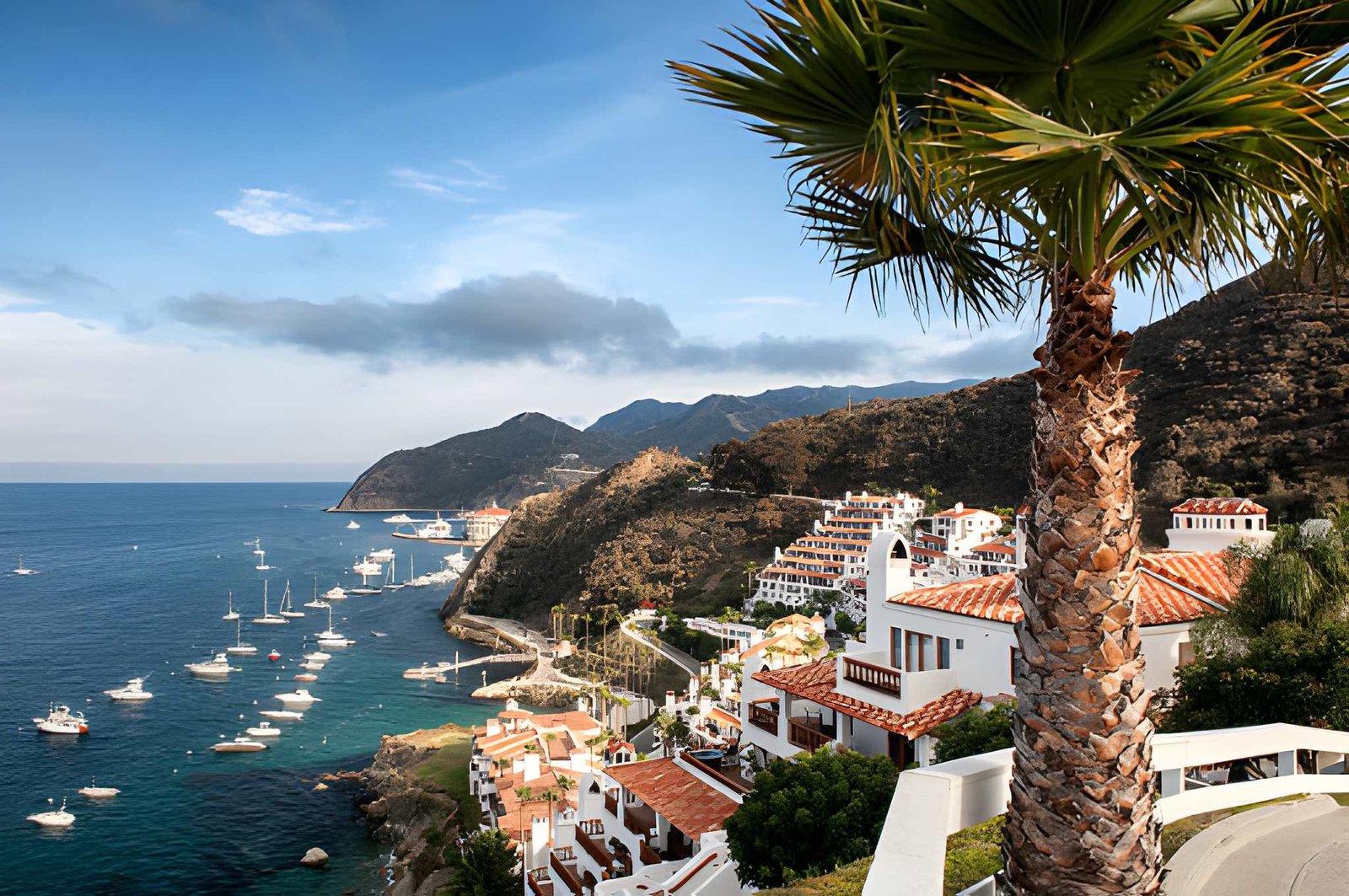
The ferry captain cuts the engine fifty yards from Scorpion Anchorage, and suddenly the only sounds are wave laps against the hull and sea lion barks echoing off coastal cliffs. My first Channel Islands trip happened in late March—wildflowers carpeted the hillsides, but 25-knot winds nearly cancelled our crossing and kept us shivering despite multiple layers. Two years later, a September visit delivered completely different conditions: glassy calm seas, 70°F water temperatures perfect for snorkeling, and underwater visibility stretching 100 feet through kelp forests teeming with garibaldi and sea stars.
The dramatic difference between those experiences taught me something most California travelers don’t realize—Channel Islands National Park’s conditions vary wildly by season, and choosing when to visit matters more than almost any other California destination because weather, wildlife, ocean conditions, and activity feasibility shift month by month in ways that fundamentally change your experience. Spring brings spectacular wildflower blooms but frequent wind cancellations and cold water. Summer offers peak weather stability but also brings crowds, fog, and higher prices.
Fall delivers the warmest water, calmest seas, and best underwater visibility but occasionally faces Santa Ana wind events. Winter provides whale watching opportunities and solitude but means rough crossings and the coldest conditions. This comprehensive seasonal guide breaks down exactly what to expect during each month, which activities work best when, how to maximize your chances of actual island access rather than weather cancellations, and ultimately helps you choose the best time to visit Channel Islands based on whether you’re prioritizing hiking, kayaking, diving, wildlife watching, or simply ensuring your expensive ferry tickets don’t get wasted by conditions that prevent landing.
Quick Seasonal Overview: Channel Islands National Park
| Season | Weather | Ocean | Best For | Challenges |
|---|---|---|---|---|
| Winter (Dec-Feb) | Cool (50-60°F), rainy periods | Rough seas, cold (mid-50s°F) | Gray whale watching, solitude, winter seabirds | Frequent cancellations, coldest water, wind |
| Spring (Mar-May) | Mild (55-70°F), windy | Choppy, cold (mid-50s°F) | Wildflowers, elephant seal pups, fewer crowds | Wind cancellations, fog (late May), cold water |
| Summer (Jun-Aug) | Pleasant (60-75°F), fog possible | Calming, warming (low-60s°F) | Stable weather, hiking, camping | Crowds, fog, higher prices, cooler water |
| Fall (Sep-Nov) | Warm (65-75°F), clearest | Calmest, warmest (high-60s°F) | Diving, snorkeling, kayaking, visibility | Santa Ana winds (Oct-Nov), booking competition |
Bottom Line: September-October offers the best overall conditions. April and November provide good value with moderate conditions. Avoid May-early June if you hate fog.
Understanding Channel Islands Weather Patterns
Before diving into month-by-month details, you need to understand why Channel Islands weather behaves so differently from mainland California just 10-30 miles away. The islands sit in the Pacific Ocean exposed to marine weather systems, cold California Current waters, and wind patterns that create microclimates completely distinct from Ventura or Santa Barbara.
The Cold Current Effect: Water temperatures stay remarkably cold year-round (50-70°F range) compared to Southern California expectations. The California Current brings frigid water from Alaska, keeping ocean temperatures 10-15°F cooler than you’d guess based on latitude. This affects not just swimming comfort but also creates persistent fog during certain seasons.
Wind Patterns: Northwest winds dominate spring (March-May), creating choppy seas and frequent trip cancellations. Summer winds decrease but fog increases. Fall brings calmest conditions except when Santa Ana winds (hot, dry easterly winds) blow from inland deserts—these can be strong but often create the clearest, warmest days.
Island Microclimates: The five northern islands (Anacapa, Santa Cruz, Santa Rosa, San Miguel, Santa Barbara) vary in conditions. San Miguel (westernmost) experiences the most extreme weather—coldest temperatures, strongest winds, roughest seas. Anacapa (closest to mainland) tends to be calmest and warmest. Santa Cruz (largest) has the most diverse microclimates from coastal areas to interior canyons.
Temperature Reality Check: “Mild Mediterranean climate” sounds warm, but Channel Islands average temperatures range only from 50°F in winter to 70°F in summer. It’s never hot. Bring layers every single month.
Best Time Overall: September-October
If you’re asking “when should I visit Channel Islands” without specific constraints, the answer is September through mid-October. These fall months deliver the best combination of factors:
Warmest Ocean Water: Temperatures peak at 65-70°F in early fall—still requiring wetsuits for extended time but dramatically more comfortable than 55°F spring water. Snorkeling and kayaking become actually enjoyable rather than endurance tests.
Calmest Seas: Northwest winds that plague spring and early summer diminish significantly. Sea crossings feel smooth, landing at island docks becomes straightforward, and kayak conditions stay manageable for beginners. Cancellation rates drop to yearly lows.
Best Underwater Visibility: Fall brings 60-100 foot visibility through kelp forests compared to 20-40 feet common in spring. Snorkeling and diving deliver spectacular views of marine life, kelp fronds stretching toward sunlight, and those vibrant orange garibaldi (California’s state marine fish) that define Channel Islands underwater experience.
Comfortable Hiking Weather: Days warm to 70-75°F—perfect for hillside hikes without overheating. The islands lack shade, so cooler months make extended hiking more pleasant.
Wildlife Activity: Sea lions remain abundant, blue and humpback whales continue feeding through September, migratory seabirds still visit, and California brown pelicans remain active.
Smaller Crowds: Summer vacation season ends, families return to school schedules, and visitor numbers drop 30-40% compared to July-August. Ferry reservations become easier to secure, campsites show availability, and popular spots feel less congested.
The Catch: Santa Ana winds occur occasionally in October-November, bringing hot, dry conditions and sometimes forcing trip cancellations. Weather changes faster in fall than summer—conditions can shift from calm and clear to rough and windy within hours. Book refundable accommodations and maintain schedule flexibility.
Month-by-Month Guide: What to Expect
January: Winter Wildlife and Solitude
Weather: Cool and often wet with daytime highs 55-60°F, nighttime lows 45-50°F. Rain occurs regularly—January averages 3 inches, the wettest month. Wind brings frequent periods of rough seas.
Ocean Conditions: Water temperatures drop to 54-56°F (full wetsuits mandatory), seas stay rough with 4-6 foot swells common, and visibility underwater stays limited at 20-30 feet.
Wildlife Highlights:
- Gray whales migrate south from Alaska to Baja California breeding lagoons (December-February)
- Northern elephant seals pup and breed on San Miguel Island
- California brown pelicans begin nesting on Anacapa and Santa Barbara islands
- Winter seabirds concentrate around islands
Best Activities: Whale watching from boats or mainland overlooks, wildlife photography, experiencing winter solitude.
Challenges: Highest trip cancellation rates (30-40% of scheduled crossings), coldest conditions, muddy trails after rain, limited camping appeal.
Who Should Visit: Serious whale watchers, photographers seeking dramatic winter seascapes, travelers wanting guaranteed solitude.
February: Transition Month with Elephant Seals
Weather: Similar to January but slightly drier—highs 55-62°F, occasional sunny breaks between storms. Wind remains prevalent but starts decreasing toward month’s end.
Ocean Conditions: Still rough but improving slightly. Water stays cold at 54-57°F. Visibility remains limited.
Wildlife Highlights:
- Gray whale migration continues (peak viewing)
- Northern elephant seal breeding season on San Miguel (pups visible)
- Pacific harbor seal pupping begins
- Western gulls start returning to nesting sites
Best Activities: Whale watching (best month), elephant seal viewing on San Miguel, winter hiking on Anacapa.
Challenges: Still frequent cancellations, cold and wet conditions, limited underwater visibility for divers.
Who Should Visit: Whale enthusiasts (February offers best chances), elephant seal watchers, those seeking winter nature photography.
March: Wildflower Season Begins
Weather: Spring arrives with milder days (60-65°F) but wind intensifies. March through May brings strongest, most consistent winds—plan for breezy conditions. Rain decreases but still occurs.
Ocean Conditions: Windy conditions create choppy seas. Water temperature remains cold at 55-58°F. Cancellation rates stay elevated at 20-25%.
Wildlife Highlights:
- Giant coreopsis wildflowers (unique to Channel Islands) bloom across hillsides
- Gray whales migrate northward back to Alaska feeding grounds
- Seabird nesting season begins—western gulls, cormorants, pelicans
- Island fox pups born
Best Activities: Wildflower photography (particularly Santa Cruz Island), hiking to catch flower blooms, seabird nesting observation.
Challenges: Wind creates uncomfortable conditions on exposed trails, cold water limits water activities, rough seas mean challenging crossings.
Who Should Visit: Wildflower enthusiasts, bird watchers, photographers prioritizing landscapes over water activities.
April: Peak Wildflowers, Peak Wind
Weather: Pleasant temperatures (60-70°F on nice days) but wind remains the defining feature. Expect breezy-to-windy conditions almost daily.
Ocean Conditions: Choppy and challenging. Water temperature slowly rising to 56-59°F. Cancellation rates remain 15-20%.
Wildlife Highlights:
- Wildflowers at peak bloom (giant coreopsis, California poppies, island morning glory)
- Seabird nesting intensifies—chicks visible by late April
- Gray whale migration ends
- Spring brings increased marine life activity
Best Activities: Wildflower hikes (best month), photography, birding, camping for hardy visitors.
Challenges: Wind makes kayaking and water activities challenging, cold water persists, rough seas continue, exposed hiking can feel uncomfortable.
Who Should Visit: Serious hikers, wildflower photographers, bird enthusiasts who don’t mind wind.
May: Fog Arrives, Wind Persists
Weather: Temperatures rise slightly (62-70°F) but dense fog becomes frequent, especially mid-to-late May. This maritime fog can blanket islands for hours, reducing visibility and creating damp, cool conditions despite calendar saying “late spring.”
Ocean Conditions: Wind finally starts decreasing but fog and choppy conditions persist. Water temperature reaches 58-60°F—still requiring full wetsuits. Visibility remains limited due to upwelling bringing cold, nutrient-rich water.
Wildlife Highlights:
- Seabird colonies at peak activity—chicks hatching, parents feeding
- Blue whales, fin whales, and sei whales arrive to feed on krill from upwelled water
- California sea lion pupping and breeding season begins
- Late wildflowers still visible
Best Activities: Seabird photography (nests accessible along trails), whale watching (different species than winter), hiking if you don’t mind fog.
Challenges: Fog creates dreary conditions and can delay or cancel ferry crossings, water stays cold, wind persists early month, underwater visibility poor.
Who Should Visit: Seabird enthusiasts, whale watchers seeking summer species, patient travelers okay with fog.
June: Early Summer Transition
Weather: Summer officially arrives but fog persists through early June. Temperatures reach 65-72°F on clear days. By late June, fog finally starts lifting and stable weather patterns establish.
Ocean Conditions: Seas calm significantly—June marks transition from rough spring to calm summer. Water temperature reaches 60-62°F. Underwater visibility starts improving.
Wildlife Highlights:
- Seabird chicks fledging (leaving nests)
- Blue and humpback whales feeding
- Sea lion pups learning to swim
- Summer brings peak marine life diversity
Best Activities: Kayaking (seas calm enough for beginners), camping (weather stabilizes), hiking (less wind, warmer temperatures), snorkeling for hardy souls.
Challenges: Early June fog, water still cold for casual swimmers, summer crowds beginning, prices rising.
Who Should Visit: First-time visitors wanting stable conditions, kayakers, campers, families with kids (warming weather, calm seas).
July: Peak Season Begins
Weather: Classic California summer—sunny, mild (65-75°F), occasional marine layer mornings that burn off by midday. This is the most stable, predictable weather window.
Ocean Conditions: Calm to very calm. Water temperature reaches 62-64°F. Cancellations rare (under 5%). Best month for water activities if you can handle cool water.
Wildlife Highlights:
- Humpback and blue whales feeding
- Sea lions, seals, dolphins abundant
- Seabirds transitioning post-nesting
- Kelp forests thriving
Best Activities: Kayaking (excellent conditions), camping (peak season), hiking (warm and dry), snorkeling and diving (good visibility developing), island-hopping.
Challenges: Crowds at peak (book 2-3 months ahead), higher prices (ferry, camping, gear rentals), water still requires wetsuit, popular Santa Cruz Island campsites fully booked.
Who Should Visit: First-timers, families, anyone wanting guaranteed weather, kayakers, campers comfortable booking ahead.
August: Summer Peak with Warming Water
Weather: Similar to July—sunny, stable, pleasant. Temperatures reach 68-75°F. Fog almost entirely absent. Best hiking weather of year.
Ocean Conditions: Warmest water temperatures (64-66°F), calmest seas, improving underwater visibility (50-70 feet). Excellent conditions for all water activities.
Wildlife Highlights:
- Whales continue feeding
- Peak marine life activity
- Sea lion pups more independent
- Excellent wildlife diversity
Best Activities: All water activities shine—kayaking, snorkeling, diving, swimming (still need wetsuit but more comfortable). Hiking excellent. Camping at peak.
Challenges: Absolute peak crowds, highest prices, campsite availability minimal, ferry reservations competitive, popular kayak tours fully booked.
Who Should Visit: Families on summer vacation, divers, snorkelers, anyone wanting warmest possible water, first-timers prioritizing weather over crowds.
September: The Sweet Spot
Weather: Warm (68-75°F), sunny, stable. Many consider September the best overall month. Clear skies, comfortable temperatures, and diminishing crowds.
Ocean Conditions: Water temperature peaks at 66-68°F (warmest of year), seas remain calm, underwater visibility reaches 80-100 feet—best diving/snorkeling conditions of the year.
Wildlife Highlights:
- Blue and humpback whales still feeding
- Peak underwater visibility reveals kelp forest marine life
- Sea lions abundant
- Fall migration brings diverse bird species
Best Activities: Snorkeling and diving reach peak quality, kayaking excellent, hiking comfortable, camping still popular, photography spectacular (golden hour light improves as days shorten).
Challenges: Santa Ana winds possible late month (rare but impactful), weekends still busy (book ahead), water temperature dropping after mid-month.
Who Should Visit: Divers and snorkelers (best conditions), kayakers, photographers, anyone wanting optimal conditions without summer crowds.
October: Extended Fall Excellence
Weather: Warm and often clearest month (65-72°F). Santa Ana winds bring occasional hot, dry periods (75-80°F) but also create spectacular visibility. Beautiful fall conditions.
Ocean Conditions: Water temperature dropping to 63-66°F but still relatively warm. Seas generally calm except during Santa Ana events. Visibility remains excellent at 60-80 feet.
Wildlife Highlights:
- Whales departing but some remain through mid-October
- Fall seabird migration
- Sea lions and dolphins abundant
- Marine life still very active
Best Activities: Diving and snorkeling still excellent, kayaking great, hiking perfect temperatures, photography (amazing clarity during Santa Ana events).
Challenges: Santa Ana winds create unpredictable conditions (can force cancellations), water cooling discourages some swimmers, weekend availability still competitive.
Who Should Visit: Divers prioritizing visibility, hikers wanting warm weather, photographers, flexible travelers who can adjust to wind events.
November: Shoulder Season Value
Weather: Transitioning toward winter—days 60-68°F, cooling trend begins. Rain returns (though lighter than Jan-Feb). Increased wind variability.
Ocean Conditions: Water temperature drops to 60-63°F. Seas become rougher as winter patterns establish. Visibility decreasing to 40-50 feet.
Wildlife Highlights:
- Gray whales begin southward migration
- Fall/winter seabirds arriving
- Sea lions remain abundant
- Some whales still feeding early month
Best Activities: Whale watching resumes, hiking (fewer crowds, pleasant temperatures), camping for hardy visitors, photography (dramatic weather).
Challenges: Weather less predictable, cancellation rates increasing (10-15%), water getting cold, rain possible, crowds gone mean limited ferry schedule options.
Who Should Visit: Budget travelers (lower prices), whale watchers (migration starting), hikers seeking solitude, travelers flexible with weather changes.
December: Winter Arrives
Weather: Winter conditions establish—highs 55-62°F, rain increases, wind brings rough seas regularly. Shortest days limit activity hours.
Ocean Conditions: Cold water (56-58°F), rough seas, cancellation rates climbing to 25-30%. Underwater visibility poor.
Wildlife Highlights:
- Gray whale migration peaks mid-month
- Elephant seals returning to San Miguel
- Winter seabird concentrations
- Dramatic winter seascapes
Best Activities: Whale watching (migration in full swing), experiencing winter solitude, photography (dramatic conditions), limited hiking on calm days.
Challenges: Frequent cancellations, coldest and wettest conditions, shortest days, minimal camping appeal, roughest seas.
Who Should Visit: Serious whale enthusiasts, winter photographers, anyone seeking guaranteed solitude and willing to accept cancellation risks.
Best Time for Specific Activities
Hiking and Camping
Optimal: April (wildflowers despite wind), July-August (warmest, driest), September-October (comfortable temps, fewer crowds) Avoid: December-February (rain, cold, muddy trails)
Kayaking
Optimal: July-October (calmest seas, warmest water, best conditions) Possible: June, November (moderate conditions) Challenging: December-May (rough seas, cold water, frequent cancellations)
Snorkeling and Diving
Optimal: September-October (warmest water 66-68°F, best visibility 80-100 feet) Good: August (warm water, good visibility) Acceptable: July, November (decent conditions) Poor: December-June (cold water, limited visibility)
Wildlife Watching
Gray Whales: January-March (migration south), December (starting migration) Blue/Humpback Whales: May-October (feeding season) Seabirds: March-August (nesting season) Elephant Seals: January-February (breeding), March-April (pups visible) Wildflowers: March-May (peak April)
Photography
Landscapes: March-April (wildflowers), October (clarity during Santa Ana winds) Wildlife: February (whale migration peak), April-May (seabird nesting) Underwater: September-October (best visibility) Dramatic Weather: December-February (winter storms)
Practical Planning Tips
Booking Strategy
Ferry reservations through Island Packers (main concessionaire) open 6 months ahead. Popular dates book fast:
Book 2-3 Months Ahead:
- Any weekend June-September
- July-August weekdays
- Any Santa Cruz Island camping
- Peak wildflower season (mid-April)
Book 4-6 Weeks Ahead:
- Weekdays April-June, September-October
- Any Anacapa Island trips (most popular day trip)
- Specialty tours (kayaking, snorkeling, whale watching)
Book 2-3 Weeks Ahead:
- November-March dates (except holiday weekends)
- Midweek shoulder season
Weather Flexibility
Accept that conditions can force cancellations regardless of season. Build flexibility into schedules:
Best Practices:
- Book refundable mainland accommodation
- Schedule island trips mid-vacation (not first or last day)
- Have backup mainland activities planned
- Check forecast 3-5 days before departure
- Monitor Island Packers email notifications
Island Packers cancels trips only when conditions are genuinely unsafe—they want to run trips. If they cancel, refunds or rescheduling are offered.
What to Pack Year-Round
Always Bring:
- Layered clothing (temperature swings 20-30°F from morning to afternoon)
- Wind-resistant jacket
- Sun protection (hat, sunscreen, sunglasses—UV is intense)
- Warm layers for boat crossing (windy and cold on water)
- Water (1 liter minimum per person)
- Snacks (limited food availability on islands)
- Motion sickness medication (crossings can be rough)
Activity-Specific:
- Hiking: Sturdy shoes, trekking poles, backpack
- Water Activities: Wetsuit (required year-round for extended water time), water shoes, dry bag
- Camping: Cold-weather sleeping bag (40°F rating minimum), tent with good stakes (wind!), extra layers
Frequently Asked Questions
What is the best month to visit Channel Islands?
September offers the best overall conditions with warmest ocean water (66-68°F), calmest seas, best underwater visibility (80-100 feet), comfortable hiking temperatures (68-75°F), and diminished crowds compared to summer peak. October runs close second with similar conditions but occasional Santa Ana wind events. July-August provide most stable weather and guaranteed calm conditions but bring peak crowds and higher prices. April delivers spectacular wildflowers but persistent wind and cold water.
Can you visit Channel Islands year-round?
Yes, ferry service operates year-round, but winter months (December-February) face frequent cancellations due to rough seas and storms. Cancellation rates reach 30-40% in January-February compared to under 5% in July-August. Summer (June-August) and early fall (September-October) offer most reliable access. Spring (March-May) brings moderate cancellation rates (15-25%) due to wind. Always build schedule flexibility when visiting October-April.
Is Channel Islands crowded?
Channel Islands rarely feels crowded compared to mainland California destinations—annual visitation reaches only 300,000 with fewer than 100,000 actually setting foot on islands. However, Anacapa Island (smallest and closest to mainland) can feel busy during summer weekends when several hundred visitors concentrate on limited trails. Santa Cruz Island (largest at 96 square miles) easily absorbs crowds. For solitude, visit November-March, choose weekdays, or explore Santa Rosa or San Miguel islands which see minimal visitation.
What should I wear to Channel Islands?
Layer for 20-30°F temperature variations and bring wind protection regardless of season. Start with moisture-wicking base layer, add fleece or light puffy jacket, top with windbreaker or rain jacket. Long pants work better than shorts year-round (protection from sun, wind, vegetation). Sturdy hiking shoes essential—trails are rugged with loose rocks. Hat and sunglasses mandatory (intense sun reflection off water). For water activities, full wetsuit required year-round—ocean temperatures range only 54-68°F.
How long does it take to get to Channel Islands?
Crossing times vary by island and departure point. From Ventura Harbor: Anacapa 1 hour, Santa Cruz (Scorpion Anchorage) 1.5 hours, Santa Rosa 3 hours, San Miguel 4 hours. From Santa Barbara: Santa Cruz 1 hour, Santa Rosa 2.5 hours. Add 30-60 minutes for loading, safety briefing, and landing procedures. Day trips require 5-8 hours minimum including crossing time—plan full days. Rough seas increase crossing times by 15-30 minutes.
Do you need reservations for Channel Islands?
Yes, ferry reservations through Island Packers are required and should be made well ahead for popular seasons. Summer weekends book 2-3 months ahead. Camping reservations (separate from ferry) through Recreation.gov also required for all five islands’ campgrounds—these book quickly for Santa Cruz Island (most popular). Day trips have more availability but still benefit from advance booking. Only private boats can visit without reservations, but landing permits still required for some locations.
The Bottom Line: When Should You Visit?
After researching conditions across all twelve months, here’s my honest recommendation based on priorities:
For Best Overall Experience: Visit September or early October. You’ll get warmest ocean water, calmest seas, best underwater visibility, comfortable hiking weather, and smaller crowds than summer. This is when Channel Islands delivers its best.
For Guaranteed Weather: Choose July or August. You’ll pay more and deal with crowds, but weather stability means your expensive ferry tickets almost certainly won’t get wasted by cancellations. Best for first-timers or travelers on fixed schedules.
For Wildflowers: Visit mid-April through early May. Accept that wind will be challenging, water will be cold, and some trips may cancel, but the visual payoff of hillsides covered in giant coreopsis and California poppies justifies the trade-offs.
For Whale Watching: February offers peak gray whale migration. December-March provides consistent whale sightings but roughest seas and coldest conditions. May-October shifts to blue and humpback whales with better weather but less predictable sightings.
For Budget Travel: November combines decent weather with low prices and minimal crowds. You’ll risk some wind and early winter weather, but conditions are generally manageable and you’ll avoid summer price premiums.
For Solitude: December-February delivers guaranteed isolation with almost no other visitors. Accept frequent cancellations, cold temperatures, rain, and rough seas, but experience the islands in their most raw, wild state.
The worst times to visit are May (persistent fog creates dreary conditions), December-January (frequent cancellations and coldest weather), and peak summer weekends if you hate crowds. Every other period offers something worthwhile depending on what you prioritize.
Channel Islands National Park rewards flexible visitors who understand that conditions change rapidly and weather can derail plans. Book refundable accommodation, maintain schedule flexibility, pack layers regardless of season, and remember that even “bad” weather days on these islands often deliver experiences you’ll remember for years—the raw power of winter storms, the ethereal beauty of fog-shrouded cliffs, or simply the satisfaction of experiencing one of California’s wildest places in conditions that keep casual tourists away.
Key Takeaways
The best time to visit Channel Islands National Park is September through early October when ocean water temperatures peak at 66-68°F (warmest of the year requiring less wetsuit thickness), seas reach calmest conditions with ferry cancellation rates under 5%, underwater visibility extends 80-100 feet through kelp forests (best snorkeling and diving window), comfortable hiking temperatures range 68-75°F without intense summer heat, and tourist crowds diminish 30-40% compared to July-August peak while weather remains reliably stable and pleasant.
Channel Islands weather varies dramatically by season in ways that fundamentally change visitor experience—spring (March-May) delivers spectacular wildflower blooms but suffers persistent wind causing choppy seas and 15-25% trip cancellation rates plus cold 55-59°F water temperatures, summer (June-August) provides most stable weather and calm conditions perfect for first-timers but brings peak crowds requiring 2-3 month advance ferry bookings, fall (September-November) offers warmest water and best underwater visibility but faces occasional Santa Ana wind disruptions, and winter (December-February) enables dramatic whale watching and guaranteed solitude but encounters 30-40% cancellation rates from rough seas and storms.
Successful Channel Islands visit planning requires understanding that ocean conditions control access more than calendar dates—always book refundable mainland accommodation, schedule island trips mid-vacation rather than arrival or departure days, pack layered clothing for 20-30°F temperature swings, bring wind protection and warm layers for boat crossings regardless of season, maintain schedule flexibility from October through April when weather changes rapidly, and accept that even optimal seasons like September still involve crossing 10-30 miles of open Pacific Ocean where conditions can shift within hours making some unpredictability inevitable.
