
I’m standing in a San Francisco car rental office on a Friday morning, keys to a Toyota RAV4 in hand, mapping app open, and a slight sense of panic setting in. My partner and I have seven days to drive from San Francisco to Los Angeles—a journey Google Maps claims takes “about 6 hours”—but we want to actually see California, not just drive through it. The rental agent casually asks, “Taking Highway 1 or 101?” and I realize we haven’t decided on a route, don’t have hotels booked past tonight, and our only plan is “get to LA eventually.”
That chaotic trip happened nine years ago. Since then, I’ve planned and executed twenty-three California road trips of various lengths, helping friends design their routes, and learning through expensive mistakes what actually works for a 7-day California road trip versus what looks good on Instagram. The truth most guides won’t tell you: seven days is simultaneously too long to wing it and too short to see everything, which means strategic route selection matters more than any single destination.
This complete guide provides three tested 7-day California road trip itineraries Classic Coastal (SF to LA via Highway 1), National Parks Adventure (SF to LA via Yosemite and Death Valley), and Wine & Beach Combo (blending coastal scenery with wine country) with daily schedules, real budgets, specific hotels, and the honest details that transform vague ideas into actual executable trips.
Quick Overview: 3 Perfect 7-Day California Routes
| Route | Highlights | Drive Time | Budget | Best For | Best Season |
|---|---|---|---|---|---|
| Classic Coastal | Highway 1, Big Sur, beach towns | 12-15 hrs total | $1,800-3,500 | First-timers, photographers | May-Oct |
| National Parks | Yosemite, Sequoia, Death Valley, Joshua Tree | 16-18 hrs total | $1,600-3,200 | Nature lovers, hikers | Apr-May, Sep-Oct |
| Wine & Beach | Napa, Sonoma, Big Sur, wine regions | 13-16 hrs total | $2,200-4,000 | Wine enthusiasts, foodies | Sep-Oct, Apr-May |
Budget ranges include: Car rental, gas, accommodations (2 people, 6 nights), all meals, activities, parking. Not per-person rates.
Essential Planning Before You Book
Car Rental Reality Check:
Rent from San Francisco or Los Angeles airports where competition drives better rates ($40-80/day for sedans, $60-100/day for SUVs). One-way rentals (SF to LA or reverse) add $100-200 drop fee but save backtracking time. Book 4-6 weeks ahead for best rates; prices spike closer to travel dates.
Insurance note: Your credit card’s rental insurance typically covers collision but verify before declining dealer coverage. California roads are generally excellent, but Highway 1 includes narrow sections where minor scrapes happen.
When to Go (This Actually Matters):
September-October: Peak perfection. Clear skies, warm temperatures, harvest season in wine country, and that specific California golden light photographers crave. Expect higher accommodation prices and advance booking requirements (6-8 weeks).
April-May: Spring beauty with wildflowers, comfortable temperatures, fewer crowds than summer, and more availability. Occasional rain possible but generally excellent conditions.
June-August: Summer brings crowds, high prices, and coastal fog (“June Gloom”) obscuring views until afternoon. Interior locations swelter. Only advantage: longest daylight hours and guaranteed beach weather once fog clears.
November-March: Winter sees rain triggering Highway 1 landslides (closures sometimes lasting months), cold temperatures in mountains/national parks, but dramatic discounts and empty destinations. Flexible travelers willing to pivot routes save 40-50% on costs.
Booking Timeline:
- Car rental: 4-6 weeks ahead
- Accommodations: 6-8 weeks for Big Sur, Napa, popular stops; 3-4 weeks elsewhere
- Yosemite permits/camping: Book exactly when reservations open (check recreation.gov)
- Special dining: 4-6 weeks for upscale restaurants
Packing Essentials:
Layers define California packing—mornings start cool (55-65°F), afternoons warm (75-85°F), evenings cool again. Pack: lightweight jacket, comfortable walking shoes (you’ll walk 4-6 miles daily), sunscreen (California sun is intense), reusable water bottles, phone charger and car adapter, small day pack for hikes/beach trips.
Skip: Excessive formal clothes (California dress code is perpetually casual), multiple pairs of shoes, guidebooks (your phone has everything).
Route #1: Classic Coastal (San Francisco to Los Angeles via Highway 1)
Total Distance: 470-500 miles
Total Driving Time: 12-15 hours (spread across 7 days)
Best For: First-time California visitors, photographers, those prioritizing scenic beauty
Budget: $1,800-3,500 for two people (see detailed breakdown below)
This iconic route delivers the California coastal experience everyone imagines—Big Sur’s dramatic cliffs, charming beach towns, sea lions, and that feeling of freedom driving one of America’s most scenic highways.
Day 1: San Francisco Exploration
Mileage: 0 (city day)
Accommodation: San Francisco
Arrive San Francisco, pick up rental car, check into hotel. If arriving morning/early afternoon, explore the city. If arriving evening, rest for tomorrow’s early start.
Must-See (choose 3-4 based on interests):
- Golden Gate Bridge: Walk or bike across (rent bikes at Fisherman’s Wharf, $35-40/day)
- Alcatraz Island: Book 4-6 weeks ahead ($45/person, includes ferry and audio tour)
- Cable Cars: Ride Powell-Hyde line for bay views ($8 per ride)
- Fisherman’s Wharf: Touristy but fun—sea lions at Pier 39, clam chowder in sourdough bowls
- Chinatown: Oldest in North America, excellent dim sum
- Mission District: Street art, trendy restaurants, Mission Dolores Park views
Where to Stay:
- Luxury: Fairmont San Francisco ($400-650/night) atop Nob Hill with spectacular city views
- Mid-Range: Hotel Zephyr Fisherman’s Wharf ($250-400/night) with bay views and central location
- Budget: Hostel or Airbnb in Mission/Castro ($120-200/night)
Dining:
- Breakfast: Mama’s on Washington Square (arrive early for lines) or Tartine Bakery (Mission)
- Lunch: Ferry Building Marketplace (multiple vendors) or Hog Island Oyster Co.
- Dinner: Swan Oyster Depot (seafood counter, no reservations, expect waits) or Zuni Cafe
Pro Tips: Park your rental car and use public transit/Uber in SF—parking is nightmare and expensive ($30-50/day). Save driving for tomorrow’s escape. If arriving late, skip Alcatraz (requires half day) and explore walkable neighborhoods instead.
Day 2: San Francisco to Monterey via Santa Cruz
Mileage: 130 miles
Driving Time: 3-4 hours with stops
Accommodation: Monterey or Carmel
Leave SF by 9-10 AM. Take Highway 1 South the entire way—this scenic route adds 30 minutes versus Highway 101 but delivers coastal beauty immediately.
Route & Stops:
Half Moon Bay (30 miles, 45 min from SF): Stop for coffee and coastal views. Main Street has charm, but don’t linger long—better stops ahead.
Santa Cruz (45 miles, 1 hour from Half Moon Bay): Santa Cruz Beach Boardwalk for vintage amusement park vibes (free admission, ride tickets required). Walk the boardwalk, ride the wooden Giant Dipper roller coaster (National Historic Landmark), grab lunch at casual beachfront spots. Allow 1.5-2 hours.
Capitola (5 miles from Santa Cruz): Tiny beach town with painted Mediterranean-style houses. Quick 20-minute photo stop and walk along Esplanade.
Moss Landing (20 miles): Optional seafood stop—Phil’s Fish Market serves excellent cioppino and fish tacos.
Arrive Monterey/Carmel mid-afternoon, check in, explore town, dinner, early bed (tomorrow’s Big Sur day requires early start).
Where to Stay:
- Luxury: InterContinental The Clement Monterey ($350-650/night) on Cannery Row with spa
- Mid-Range: Monterey Tides ($200-400/night) beachfront just north of downtown
- Budget: Monterey Bay Lodge ($150-280/night) or Pacific Grove options
Dining:
- Lunch: Santa Cruz Boardwalk casual spots or picnic supplies from New Leaf Community Market
- Dinner: Passionfish in Pacific Grove (sustainable seafood, $100-160 for two) or Louie Linguini’s on Cannery Row ($70-110)
Pro Tips: If arriving Monterey with time, visit Monterey Bay Aquarium ($60/adult, pre-book tickets, allow 2-3 hours). Otherwise, save aquarium for tomorrow morning before Big Sur drive.
Day 3: Monterey Peninsula & Big Sur Drive to Cambria
Mileage: 90 miles
Driving Time: 4-6 hours (Big Sur demands slow driving and frequent stops)
Accommodation: Cambria or San Simeon
This is THE day—Big Sur ranks among America’s most scenic drives. Don’t rush. Don’t skip stops. This 90-mile stretch justifies your entire California trip.
Morning (if skipped yesterday): Monterey Bay Aquarium (open 10 AM, arrive when doors open, 2-3 hours) OR 17-Mile Drive through Pebble Beach ($11.50/vehicle, 1-2 hours, stops at Lone Cypress and various beaches).
Big Sur Drive (leave Carmel by 11 AM latest):
The highway winds along cliffs hundreds of feet above Pacific, crosses dramatic bridges, and delivers views earning every superlative you’ve heard.
Essential Stops (in order, south from Carmel):
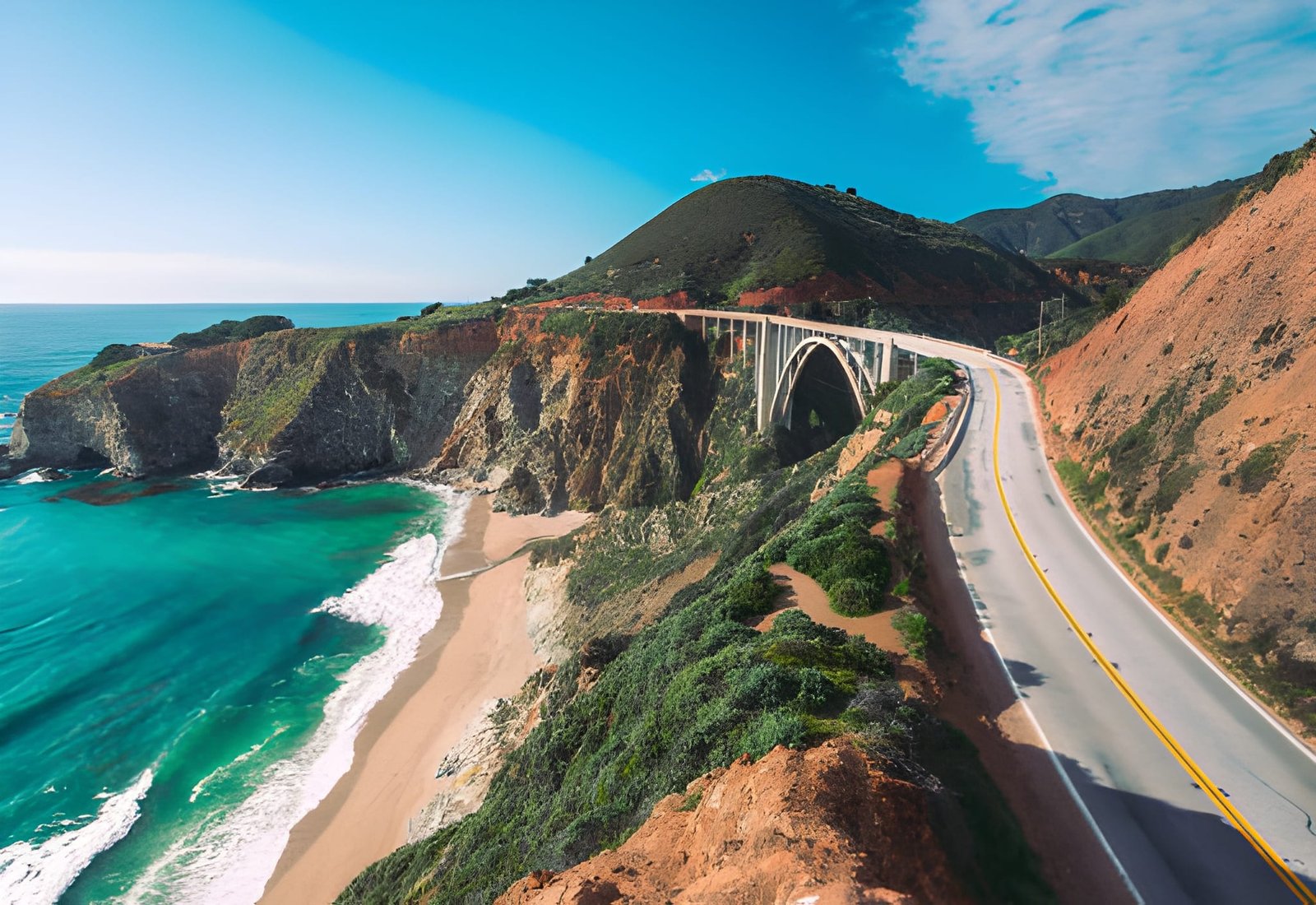
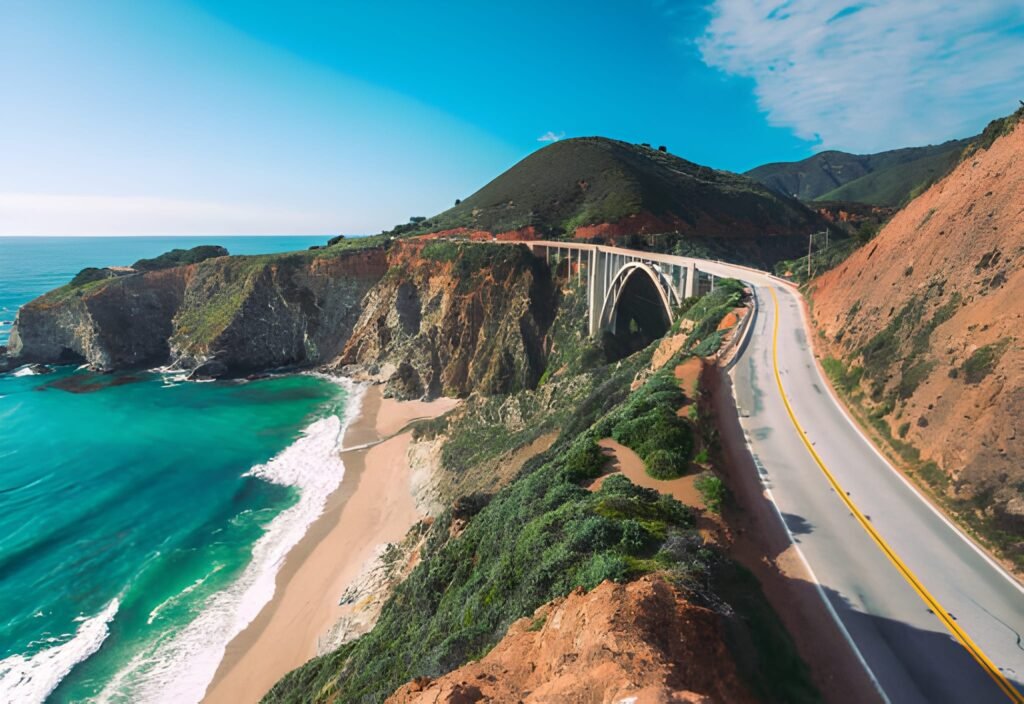
- Bixby Creek Bridge (12 miles south of Carmel): Iconic concrete arch bridge. Park at north viewpoint (small lot, fills quickly).
- Point Sur Lighthouse (19 miles): Dramatic rock formation, optional guided tours
- Andrew Molera State Park (22 miles): Beach access via 0.5-mile walk
- Pfeiffer Big Sur State Park (26 miles): Redwood hiking, Big Sur River
- Pfeiffer Beach (26 miles): Purple sand, dramatic rock arch with “keyhole.” Turnoff poorly marked (Sycamore Canyon Rd), narrow 2-mile access road, $15 parking. Go late afternoon for best light through arch.
- Julia Pfeiffer Burns State Park / McWay Falls (37 miles): 80-foot waterfall dropping onto beach. Easy 0.7-mile trail to overlook. Park ($10) fills by 10 AM weekends—arrive early or late afternoon.
- Limekiln State Park (53 miles): Less crowded, beach and waterfall trails
- Salmon Creek Falls (60 miles): Roadside waterfall (seasonal, best winter/spring), quick stop
- Ragged Point (73 miles): Cliffside views, restaurant, trail to beach waterfall
Arrive Cambria by 5-6 PM. Dinner, walk Moonstone Beach boardwalk, sleep.
Where to Stay (Cambria):
- Luxury: Blue Dolphin Inn ($250-450/night) oceanfront with fireplaces
- Mid-Range: Cambria Shores Inn ($150-250/night) near beach
- Budget: Bluebird Inn ($120-200/night) with garden setting
Dining:
- Lunch: Pack picnic from Monterey or Carmel—Big Sur has limited expensive options
- Dinner: Robin’s Restaurant in Cambria ($90-140 for two, reservations essential) or The Sea Chest (cash only, no reservations, arrive early, outstanding seafood, $80-130)
Pro Tips: Gas up in Carmel before Big Sur—next gas is 90 miles and costs $7-8/gallon. Cell service is nonexistent—download offline maps. Pack snacks, water, and layers (temperature swings 20°F throughout day). Check road conditions at Caltrans before driving—landslides close sections sometimes for months.
Day 4: Cambria to Santa Barbara via Hearst Castle
Mileage: 140 miles
Driving Time: 3-4 hours
Accommodation: Santa Barbara
Morning elephant seals and Hearst Castle, afternoon drive to Santa Barbara, evening exploring town.
Morning Stops:
Piedras Blancas Elephant Seal Rookery (7 miles north of Cambria): Thousands of massive northern elephant seals haul out year-round. Free boardwalk viewing. Peak December-March (breeding/pupping) but fascinating any time. Allow 45 minutes minimum—longer you watch, more behavior you notice.
Hearst Castle (8 miles north): William Randolph Hearst’s hilltop estate—165 rooms, art collection, Mediterranean Revival architecture. Multiple tour options ($25-36, reservations required, 2 hours including bus up mountain). Grand Rooms Tour provides best overview. If skipping tour, Vista Point at San Simeon offers views of castle and coast.
Drive to Santa Barbara:
Continue south on Highway 1 which merges with 101 around San Luis Obispo. Stop briefly in SLO (charming college town, Mission San Luis Obispo, Bubblegum Alley oddity) if time allows. Otherwise proceed to Santa Barbara.
Arrive Santa Barbara by 3-4 PM. Check in, explore downtown State Street and waterfront, dinner.
Where to Stay (Santa Barbara):
- Luxury: Rosewood Miramar Beach in Montecito ($500-1,000/night) Forbes Five-Star beachfront
- Mid-Range: Hotel Californian ($300-550/night) downtown with rooftop pool
- Budget: Marina Beach Motel ($150-280/night) basic beachfront
Dining:
- Lunch: San Luis Obispo (Firestone Grill tri-tip or High Street Deli) or Santa Barbara arrival
- Dinner: The Lark ($140-220 for two, shared plates, reserve ahead) or Bouchon ($120-180, California French)
Pro Tips: If rushed on time, skip Hearst Castle (interesting but time-consuming) and drive directly to Santa Barbara, arriving with full afternoon to explore. Santa Barbara deserves more than evening—consider adjusting Day 5 to include morning here.
Day 5: Santa Barbara to Malibu
Mileage: 95 miles
Driving Time: 2-3 hours without stops
Accommodation: Malibu or Los Angeles
Enjoy Santa Barbara morning, coastal drive to Malibu, evening in LA.
Santa Barbara Morning:
Stearns Wharf: Walk the wharf, visit Ty Warner Sea Center aquarium, watch harbor seals and sea lions Santa Barbara Mission: Spanish Colonial architecture, gardens, California history ($15 self-guided) State Street: Shopping, cafes, galleries Beaches: East Beach (volleyball, swimming) or Butterfly Beach in Montecito (quieter, upscale) Funk Zone: 30+ wine tasting rooms in former industrial neighborhood (walk to multiple)
Leave Santa Barbara by 1-2 PM.
Drive to Malibu:
Highway 101 South to Ventura, switch to Highway 1 (Pacific Coast Highway) for Malibu approach. Stop in Ventura if time allows (charming downtown, Ventura Pier).
Malibu Stops:
Malibu Lagoon State Beach / Surfrider Beach: World-famous surf break, Malibu Pier Getty Villa: J. Paul Getty’s antiquities in Roman villa overlooking Pacific (free but timed tickets required, reserve ahead) El Matador State Beach: Dramatic rock formations, caves, tide pools (small parking lot, arrive off-peak) Zuma Beach: Wide sandy beach, swimming, facilities
Where to Stay:
- Luxury: Malibu Beach Inn ($600-1,500/night) directly on beach in Malibu
- Mid-Range: Continue to LA for more options—Hotel Erwin Venice Beach ($200-400/night)
- Budget: Airbnb or chain hotels in Santa Monica/Venice ($150-300/night)
Dining:
- Breakfast: Santa Barbara (Scarlett Begonia or Mesa Verde)
- Lunch: Malibu Seafood Fresh Fish Market (cash only, picnic tables, $50-80 for two) or Malibu Farm Pier Cafe
- Dinner: Nobu Malibu (if splurging, $150-250+) or Santa Monica/Venice options
Pro Tips: Weekend traffic to LA brutal 3-7 PM. Either leave Santa Barbara early (before noon) or late (after 6 PM). Malibu parking nightmare summer weekends—arrive early morning or late afternoon at popular beaches.
Day 6: Los Angeles Exploration
Mileage: Varies (city driving)
Accommodation: Los Angeles
Full day exploring LA. The city sprawls massively—choose 1-2 neighborhoods rather than attempting everything.
Suggested Focuses (pick one or combine nearby areas):
Beach Culture: Start Venice Beach boardwalk (people-watching, street performers, Muscle Beach), Venice Canals walk, brunch on Abbot Kinney Boulevard, afternoon Santa Monica Pier and beach, Santa Monica Third Street Promenade, dinner in Santa Monica, sunset from pier.
Hollywood/West Hollywood: Hollywood Walk of Fame, TCL Chinese Theatre, Griffith Observatory (reserve parking ahead, stunning views), Hollywood Sign hikes (various trails), Sunset Boulevard, The Grove shopping. Evening comedy show or live music.
Arts/Culture: The Getty Center (free admission, $20 parking, incredible art and architecture), LACMA, La Brea Tar Pits, Farmers Market at The Grove.
Foodie Focus: Grand Central Market downtown (diverse vendors), Koreatown (Korean BBQ), Little Tokyo, Silver Lake hipster brunch scene, food truck hunting.
Where to Stay (same hotel as Day 5 or different LA neighborhood)
Dining:
- Breakfast: Republique (pastries and brunch), Gjusta in Venice (bakery and cafe)
- Lunch: Grand Central Market vendors, In-N-Out Burger (California institution), food trucks
- Dinner: Bestia (industrial Italian, reservations essential, $120-180), Night + Market (Thai, $80-130), Providence (Michelin two-star seafood, splurge at $200-350)
Pro Tips: LA driving stresses many visitors—consider using Uber/Lyft for evening activities where parking is difficult. The Metro connects some areas but isn’t comprehensive. Allow more driving time than Google suggests—LA traffic defies prediction.
Day 7: Los Angeles to LAX Departure
Mileage: Varies
Timing: Based on flight time
Final morning in LA. If departing afternoon/evening, visit attractions missed yesterday or revisit favorites. If morning flight, head directly to LAX (allow 60-90 minutes from most LA locations, more during rush hour 6:30-9:30 AM).
If Time Allows:
Morning hike: Runyon Canyon (moderate, 45-60 min, city/Hollywood Sign views) or easier Baldwin Hills Scenic Overlook Beach: Final California ocean time at Manhattan Beach or Hermosa Beach Shopping: Melrose Avenue (boutiques, trendy), The Grove, or neighborhood browsing Museum: Getty (if skipped yesterday) or Broad Museum downtown (free but reserve ahead)
Fill rental car gas tank near LAX (not at airport—prices inflated), return car, depart.
End of Classic Coastal Route
TOTAL BUDGET BREAKDOWN (Classic Coastal Route, 2 people, 7 days):
Accommodations (6 nights): $900-2,400 ($150-400/night average) Car rental (7 days): $350-600 (sedan with insurance and drop fee) Gas: $140-180 (full route, current CA prices) Meals: $500-800 (mix of casual and nice dining) Activities: $200-400 (Alcatraz, Hearst Castle, Aquarium, museum entries, parking) Parking/Tolls: $100-150 (SF parking, 17-Mile Drive, beach parking)
TOTAL: $2,190-4,530 for two people
Budget Tier Breakdowns:
- Budget-Conscious: $1,800-2,400 (budget accommodations, picnic lunches, free activities, camping some nights)
- Mid-Range Comfort: $2,400-3,200 (nice hotels, quality dining, paid activities)
- Luxury Experience: $3,200-4,500+ (upscale hotels, fine dining, premium experiences)
Route #2: National Parks Adventure (San Francisco to LA via Yosemite, Sequoia, Death Valley, Joshua Tree)
Total Distance: 800+ miles
Total Driving Time: 16-18 hours
Best For: Nature lovers, hikers, those prioritizing natural wonders over coastal scenery
Budget: $1,600-3,200
Best Season: April-May or September-October (avoid summer heat in Death Valley, winter snow closures in Yosemite)
This route trades coastal beauty for California’s spectacular national parks, delivering waterfalls, giant sequoias, desert landscapes, and wilderness solitude.
Day 1: San Francisco (same as Route #1)
Day 2: SF to Yosemite (4 hours, 190 miles). Enter via Highway 120 West entrance. Check into lodging (book 6+ months ahead for in-park, or Groveland/Mariposa outside). Afternoon: Yosemite Valley floor, Yosemite Falls hike, El Capitan and Half Dome views.
Day 3: Full day Yosemite. Glacier Point sunrise (drive up or hike Four Mile Trail), Vernal Fall hike (moderate, stunning), Mirror Lake walk. Overnight Yosemite.
Day 4: Yosemite to Sequoia/Kings Canyon (4 hours via Highway 41). Big Trees Trail to see giant sequoias, General Sherman Tree. Overnight Three Rivers or Visalia.
Day 5: Sequoia to Death Valley (5-6 hours). Explore Death Valley: Badwater Basin (-282 ft lowest point), Zabriskie Point, Artists Palette, Mesquite Flat Sand Dunes. Overnight Furnace Creek or Pahrump NV (cheaper).
Day 6: Death Valley to Joshua Tree (3 hours). Joshua Tree exploration: Keys View, Hidden Valley, Skull Rock, boulder scrambling. Overnight Joshua Tree or Yucca Valley.
Day 7: Joshua Tree morning, drive to LA (2.5-3 hours).
Budget: $1,600-3,200 (camping reduces costs significantly)
Route #3: Wine & Beach Combo (Napa, Sonoma, Big Sur, Paso Robles, Santa Ynez)
Total Distance: 550 miles
Total Driving Time: 13-16 hours
Best For: Wine enthusiasts, foodies, those blending coast with wine country
Budget: $2,200-4,000
Best Season: September-October (harvest) or April-May (spring beauty)
Day 1: SF to Napa/Sonoma (1.5 hours). Wine tasting afternoon/evening.
Day 2: Full day Napa or Sonoma wine country. Hot air balloon ride (optional, $250-300 per person).
Day 3: Wine country to Monterey/Carmel (3 hours). Afternoon Monterey Peninsula.
Day 4: Big Sur drive to Cambria (same as Route #1 Day 3).
Day 5: Cambria to Paso Robles (45 min). Full day Paso wine tasting.
Day 6: Paso to Santa Ynez Valley (2 hours). Solvang + wine tasting.
Day 7: Santa Ynez to LA via Santa Barbara (1.5-2 hours).
Budget: $2,200-4,000 (wine tastings add $200-400, upscale dining increases meal costs)
Frequently Asked Questions
Can you really do California in 7 days?
You can experience California meaningfully in 7 days by choosing one strategic route rather than attempting everything. The Classic Coastal route delivers iconic Highway 1 scenery plus SF and LA. National Parks route prioritizes natural wonders. Wine & Beach blends coast with wine country. What you CAN’T do: see everything. California deserves months of exploration, so accept that 7 days provides a taste, not a comprehensive tour.
Which is better for first-timers: coastal or national parks route?
Classic Coastal (Route #1) suits most first-timers better. It delivers postcard California—Big Sur, beach towns, city culture—and requires less physical exertion than national parks. Choose National Parks route if you’re active hikers who prioritize wilderness over beaches, and visiting April-May or September-October when weather cooperates.
How much does a 7-day California road trip actually cost?
Budget $1,800-4,500 for two people (7 days, 6 nights) depending on accommodation choices, dining preferences, and activities. Budget tier ($1,800-2,400) means camping/budget hotels, picnic lunches, free activities. Mid-range ($2,400-3,200) allows nice hotels, quality dining, paid attractions. Luxury ($3,200-4,500+) includes upscale accommodations, fine dining, premium experiences. Solo travelers pay more per person—roughly 60-70% of the two-person budget.
Should I book hotels in advance or wing it?
Book in advance—especially Big Sur, Napa, Yosemite, and anywhere during summer/fall. Big Sur has limited lodging booking 6-8 weeks ahead minimum. Yosemite in-park lodging books 6-12 months ahead. Budget accommodations in less popular areas (Cambria mid-week, Death Valley) can sometimes be found last-minute, but advance booking provides peace of mind and better rates.
What’s the best time of year for California road trips?
September-October ranks best overall—warm temperatures, clear skies, harvest season in wine country, fewer families (school’s back). Second choice: April-May for spring wildflowers, comfortable temps, and smaller crowds. Avoid: June-August (crowded, expensive, coastal fog), November-March (rain, Highway 1 closures, cold in mountains/parks).
Do I need 4WD or is a regular car fine?
Regular cars work perfectly for all paved routes including Highway 1, national park main roads, and wine country. You DON’T need 4WD unless attempting backcountry roads (Death Valley’s unpaved routes, off-road desert exploring). Sedans offer better gas mileage; SUVs provide more space for luggage and comfort on long drives. I’ve completed these routes in everything from compact cars to SUVs—all work fine.
Can I do this trip with kids?
Yes, with modifications. The Classic Coastal route works well for families—beaches entertain kids, driving segments are manageable (2-4 hours between stops), and attractions like Monterey Bay Aquarium appeal to all ages. National Parks route requires kid fitness assessment—many hikes challenge young children. Budget more time for everything with kids (meals, bathroom stops, attention spans). Consider adding extra days to reduce driving stress.
Key Takeaways: Planning Your Perfect Week
Seven days provides enough time to experience California meaningfully but demands strategic route selection over attempting everything. The Classic Coastal route delivers iconic imagery first-timers expect, National Parks adventure suits active outdoors enthusiasts, and Wine & Beach satisfies those prioritizing gastronomy and viticulture.
Success requires booking accommodations 6-8 weeks ahead for popular locations, accepting that you’ll miss amazing places (saving them for next visit), and building flexibility for weather or spontaneous discoveries. The routes above provide structure while allowing adaptation—spend extra time in places you love, skip stops that don’t resonate.
California’s diversity means every traveler finds their perfect week. Beach people treasure the coastal route. Hikers crave national parks. Wine lovers blend coast with vineyards. Start planning by choosing your route based on genuine interests rather than others’ Instagram highlights, book key accommodations first, then fill in details.
Most importantly: slow down. California rewards those who stop often, wander without agenda, and prioritize experiences over checklists. That unplanned beach you discovered, the winery conversation that lasted three hours, the detour to a viewpoint locals recommended—these unscripted moments often become favorite memories.
Your California adventure awaits. Choose your route, book those hotels, and go create some stories. Seven days is exactly long enough to fall in love with California while realizing you need to return soon.
