
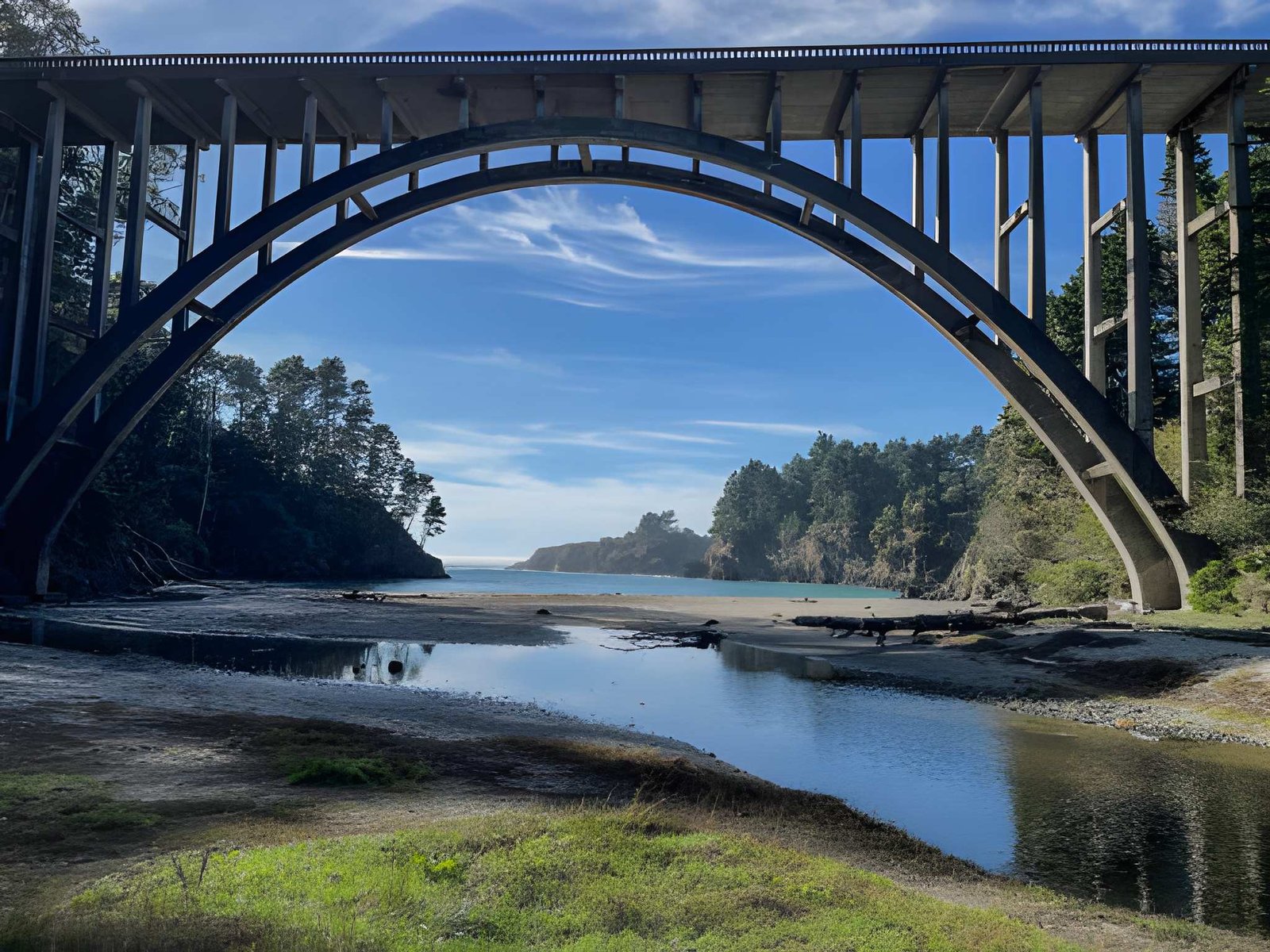
I’m standing on the Mendocino Headlands watching fog roll through the cypress trees, and for the first time in months, I’ve turned my phone on airplane mode voluntarily. There’s something about this Victorian village perched on dramatic cliffs 150 miles north of San Francisco that makes you want to disconnect from everything except the crash of Pacific waves and the scent of salt-tinged air.
After visiting Mendocino nine times over the past eight years—from anniversary weekends to solo writing retreats—I’ve learned that this tiny coastal hamlet delivers an experience you simply can’t find anywhere else in California. Where else can you walk past pristine Victorian cottages straight out of a New England postcard, then ten minutes later stand on clifftops watching whales breach offshore? Where else do world-class restaurants serving Michelin-worthy meals sit alongside art galleries, all contained within a few walkable blocks overlooking the most dramatic Northern California coastline?
But here’s what most Mendocino travel guides won’t tell you: this place requires understanding before it can work its magic. Mendocino isn’t a beach resort town where you’ll find boardwalks and amusements. There’s no nightlife scene, limited cell service, and dinner reservations that book out weeks in advance. The nearest grocery store is fifteen miles away in Fort Bragg, gas costs more than almost anywhere else in California, and that romantic fog you see in photographs can mean days without seeing the sun.
I learned these realities the hard way on my first visit when I arrived unprepared, frustrated by the lack of “things to do,” and completely missing what makes Mendocino special. This complete travel guide shares everything I’ve learned about timing your visit to avoid disappointment, where to actually stay and eat, which attractions deserve your time versus which ones you can skip, and how to experience this romantic coastal gem the way it’s meant to be experienced—slowly, intentionally, and without rushing.
Understanding Mendocino: What This Place Actually Is
The first thing to understand about Mendocino is that it’s barely a town at all. With a permanent population hovering around 900 people, Mendocino occupies just a few blocks of Victorian buildings clustered on a dramatic headland jutting into the Pacific Ocean. The entire historic district spans maybe half a mile, walkable end-to-end in fifteen minutes if you don’t stop to look at anything.
What Mendocino lacks in size, it compensates for in character. This is California’s closest approximation of a New England coastal village, with white picket fences, water towers converted into homes, Victorian cottages with elaborate trim work, and a dedication to historic preservation that borders on obsessive. The town was founded in 1850 when logging companies began harvesting the region’s massive redwoods, and those timber profits built the Victorian architecture you see today.
When the logging industry collapsed in the 1930s, artists discovered Mendocino’s dramatic beauty and affordable real estate. They moved in, opened galleries, and transformed the town into an arts colony that persists today. Walking through Mendocino, you’ll pass easily twenty art galleries, most showcasing local painters, sculptors, and craftspeople who draw inspiration from the surrounding coastal landscape.
The location that makes Mendocino so visually stunning also creates practical challenges. Highway 1 is the only road in or out, winding along cliffsides for hours before reaching any major city. This isolation helped preserve Mendocino’s character but also means you need to arrive self-sufficient. There’s no Target run when you forget something, no quick grocery store trip for dinner ingredients, and no backup plans if you didn’t make restaurant reservations.
Cell phone service in Mendocino ranges from spotty to nonexistent depending on your carrier. AT&T and Verizon work intermittently in town but provide no service on large stretches of Highway 1 approaching the village. This digital disconnection is either Mendocino’s greatest feature or biggest frustration, depending on your perspective. I’ve learned to embrace it—there’s something liberating about truly unplugging for a weekend.
When to Visit Mendocino for the Best Experience
Mendocino’s seasonal personality changes more dramatically than almost anywhere else in Northern California, and timing your visit makes an enormous difference in what kind of experience you’ll have.
Spring in Mendocino, particularly April and May, brings vibrant wildflowers to the headlands and surrounding countryside. The hills turn impossibly green after winter rains, creating a landscape completely different from summer’s brown grasslands. This is also whale migration season, when gray whales pass close enough to shore that you can spot them from clifftop trails without binoculars. The Mendocino Whale Festival in early March celebrates their arrival with wine tasting, art shows, and guided whale-watching walks.
The weather during spring oscillates unpredictably. You might get gorgeous sunny days perfect for hiking and beach exploration, or you might encounter rain that keeps you inside reading by the fireplace. I’ve had Mendocino weekends in April where we hiked in t-shirts under blue skies, and others where we never saw the sun emerge from fog and drizzle. This uncertainty keeps spring crowds manageable—people hesitate to book when weather feels like a gamble—but it also means you need flexible expectations.
Summer brings the biggest crowds and highest hotel rates to Mendocino, but it also delivers the foggiest weather. While inland California bakes in 90-degree heat, Mendocino’s coast frequently sits shrouded in marine layer that rolls in during afternoons and persists through mornings. Some summer days never see sunshine. The temperatures stay comfortable—usually in the 60s—but that romantic fog can mean you spend your entire weekend unable to see the ocean from your cliff-side room.
Despite the fog, summer has advantages. All businesses operate at full capacity with extended hours. The longer daylight allows earlier morning starts and later evening walks. The Mendocino Music Festival in July brings world-class performances to an intimate tent venue on the headlands. And honestly, there’s something magical about those foggy mornings when the village feels like it exists in its own misty universe separate from the rest of California.
Fall, specifically September through October, represents Mendocino’s perfect season. Summer crowds thin as schools resume, but weather remains warm and clear. This is when I always try to visit if my schedule allows. The light during fall has a golden quality that makes photography effortless, the ocean sparkles under blue skies without fog interference, and you can actually get dinner reservations without booking weeks ahead.
September extends summer’s warmth while reducing summer’s crowds and fog. October delivers what locals call “Indian Summer”—warm, clear days that showcase the Mendocino coast at its absolute best. November begins transitioning toward winter with increasing rain probability, but early November can still produce gorgeous weather at significantly reduced hotel rates.
Winter in Mendocino attracts hardy travelers willing to accept weather unpredictability in exchange for dramatic storm watching, near-empty streets, and hotel rates that drop 40-50% below summer peaks. Pacific storms slam the coast with waves that explode spectacularly against rocks, rain drums on Victorian rooftops, and the whole village takes on a cozy, battened-down atmosphere perfect for reading, writing, or simply staring at the ocean through rain-streaked windows.
Weather during winter ranges from surprisingly pleasant sunny days to torrential storms that make driving Highway 1 genuinely dangerous. Rain typically falls in multi-day systems rather than constant drizzle, meaning you might luck into clear conditions between storms. Temperatures stay mild—usually in the 50s—but the combination of wind, rain, and ocean spray can make it feel much colder than the thermometer suggests.
How to Get to Mendocino Without Losing Your Mind
Mendocino sits approximately 150 miles north of San Francisco and 175 miles northwest of Sacramento, accessible only via Highway 1 or various inland routes connecting to Highway 1. There are no trains, no airports nearby, and no bus service worth considering. Getting here requires driving, which means planning for a journey that takes significantly longer than the mileage suggests.
From San Francisco, the most direct route follows Highway 101 North through Santa Rosa to Cloverdale, then heads west on Highway 128 through Anderson Valley before reaching the coast at Albion, just south of Mendocino. This route takes approximately three and a half to four hours without stops, winding through redwood forests and wine country before finally reaching the ocean. The alternative coastal route via Highway 1 the entire way adds beautiful scenery but extends driving time to five hours or more, with nerve-wracking cliffside sections that demand complete attention.
From Sacramento, take Highway 101 North to Cloverdale, then Highway 128 west—roughly four hours total. From Los Angeles, you’re looking at an eight to nine hour drive minimum, which is why most Southern California visitors fly to San Francisco and rent a car from there.
Highway 1 along the Mendocino Coast is one of California’s most dramatic and occasionally terrifying roads. It clings to cliffsides hundreds of feet above the Pacific, curves sharply around headlands, and sometimes narrows to barely one lane in each direction plus turnouts. The views are spectacular, but they come with driving challenges that catch unprepared visitors off guard. Stay alert, use turnouts to let faster locals pass, and never try to drive this section after dark if you can avoid it.
Cell service disappears for long stretches approaching Mendocino from either direction. Download offline maps before leaving areas with reliable service. Don’t depend on GPS navigation apps that require internet connectivity. Bring physical maps as backup, and tell someone your expected arrival time.
Gas stations are scarce along this route. The last reliable options before Mendocino are in Cloverdale (if coming from the south via Highway 128) or Willits (if taking Highway 101 to Highway 20 to Fort Bragg). Fort Bragg, fifteen miles north of Mendocino, has multiple gas stations but expect to pay well above California’s already high average prices. Never arrive in Mendocino with less than half a tank.
Where to Stay in Mendocino: From Victorian B&Bs to Coastal Resorts
Mendocino’s accommodation options divide into three categories: historic Victorian bed-and-breakfasts in the village itself, modern inns slightly outside town, and a handful of vacation rentals scattered throughout the area. Each delivers completely different experiences at varying price points.
The MacCallum House Inn represents Mendocino’s most iconic lodging, operating since 1882 in a Victorian mansion and surrounding cottages right in the heart of town. The property sprawls across multiple buildings, offering everything from cozy rooms with shared bathrooms (starting around $175 per night) to luxury suites with fireplaces, ocean views, and soaking tubs ($350-500 per night). The on-site restaurant serves excellent farm-to-table California cuisine, and the location can’t be beat—you’re walking distance to everything.
I’ve stayed at MacCallum House twice, once in a budget room and once in the Water Tower suite. The budget room delivered authentic Victorian charm with thin walls and period quirks, perfect if you want atmosphere over modern amenities. The Water Tower provided pure romance—a converted 1880s water tower with 360-degree views, a massive soaking tub, and enough space to spread out comfortably.
Glendeven Inn & Lodge sits just south of Mendocino village on ten acres of coastal farmland. This property offers a different vibe than in-town Victorian B&Bs—more spacious, more private, more contemporary. Rooms range from farmhouse-style accommodations to modern suites, most with fireplaces and many with ocean views. Rates run $200-400 per night depending on room category and season. The included breakfast features local ingredients and changes daily.
Heritage House Resort occupies 37 dramatic acres on oceanfront cliffs south of Mendocino village. This is the area’s luxury resort option, with 37 rooms in contemporary buildings designed to maximize ocean views. Every room includes a private deck, fireplace, and high-end amenities. The on-site restaurant serves upscale California coastal cuisine, and the spa offers treatments with ocean views. Rates start around $500 per night and climb from there, but the location and amenities justify the splurge for special occasions.
Brewery Gulch Inn provides boutique luxury on a smaller scale, with ten rooms in a contemporary craftsman-style building overlooking Smuggler’s Cove. Each room features a fireplace, private deck, and ocean views. The included breakfast is exceptional—made-to-order eggs, local pastries, fresh fruit, and excellent coffee. Rates run $350-550 per night. This is where I stayed for my anniversary, and the combination of intimate scale, stunning views, and exceptional service created a perfect romantic escape.
Stanford Inn by the Sea takes a completely different approach with its focus on sustainability and vegetarianism. This eco-resort sits on the Big River estuary just south of Mendocino village, offering rooms with views of either the river or ocean. All meals at the on-site Ravens Restaurant are vegan, showcasing produce from their organic farm and gardens. The property includes a pool, sauna, and complimentary canoes and kayaks for exploring Big River. Rates range $250-450 per night. Even meat-eaters consistently rave about the restaurant quality.
Vacation rentals in Mendocino range from historic cottages in the village to modern homes with ocean views outside town. Airbnb and VRBO list options starting around $200 per night for basic cottages and climbing to $500+ for luxury homes. The advantage of rentals is kitchen access for meal preparation, which significantly reduces dining costs. The disadvantage is missing the bed-and-breakfast charm and included breakfast that defines the Mendocino lodging experience.
Budget travelers face limited options in Mendocino itself. The closest affordable accommodations are in Fort Bragg, fifteen miles north, where chain hotels and motels offer rooms for $120-180 per night. You’ll sacrifice Mendocino’s village atmosphere and walkability, but you’ll save $100+ per night and have easier access to gas stations and grocery stores.
What to Do in Mendocino: Beyond the Obvious Tourist Stops
Mendocino’s appeal isn’t about checking attractions off a list—it’s about slowing down, walking coastal trails, browsing galleries, and letting the village’s rhythm reset your pace. But there are specific experiences worth prioritizing and others you can safely skip.
The Mendocino Headlands State Park surrounds the entire village with clifftop trails offering spectacular ocean views, wildflowers in spring, and excellent whale watching during migration seasons. These trails are free, accessible directly from Main Street, and provide the quintessential Mendocino experience. I walk sections of the headlands every single visit, sometimes multiple times per day, and the views never get old.
The trails loop around the headlands in various configurations, from short fifteen-minute strolls to longer two-hour walks. The terrain is mostly flat with well-maintained dirt paths, making these accessible for most fitness levels. Early mornings offer the best light for photography and the quietest conditions before day-trippers arrive. Sunset walks are equally magical, with golden light painting the Victorian village and offshore rocks.
Russian Gulch State Park, two miles north of Mendocino, features a dramatic coastline, a waterfall accessed via easy hiking, and tide pools teeming with marine life. The park’s signature attraction is a collapsed sea cave creating a “punch bowl” effect where waves crash through an opening in the rocks. The 3.6-mile waterfall loop trail climbs gently through coastal forest to a 36-foot waterfall, particularly impressive from December through May when water flows strongest.
Park entry costs $8 per vehicle, and the trails see moderate use but rarely feel crowded except summer weekends. The Russian Gulch Beach offers protected cove access perfect for tide pooling during low tides. Check tide tables before visiting—low tides expose significantly more marine life.
Point Cabrillo Light Station sits three miles north of Mendocino village, accessible via a paved road or coastal trail. The 1909 lighthouse offers docent-led tours showcasing the keeper’s house, original equipment, and stunning coastal views. The trail from Highway 1 to the lighthouse runs about a mile each way through cypress groves and along ocean bluffs. The walk is easy and scenic, though often windy.
I prefer walking to the lighthouse rather than driving because the coastal trail provides better wildlife viewing opportunities and more dramatic approach views. The lighthouse itself is photogenic, and the surrounding headlands offer excellent whale watching during migration seasons. Tours run on weekends with limited weekday availability—check schedules before making the trip.
Big River estuary just south of Mendocino village provides kayaking and canoeing opportunities through protected waters where the river meets the ocean. Catch a Canoe & Bicycles Too rents kayaks, canoes, and outrigger canoes for self-guided exploration. The estuary stretches for eight miles inland, winding through coastal forest with abundant bird life and occasional harbor seal sightings.
I’ve kayaked Big River twice, once as a complete beginner and once after gaining more paddling experience. Both times delivered peaceful, scenic outings without the ocean wave challenges of coastal kayaking. Morning paddles tend to be calmer before afternoon winds pick up. Rentals run $30-40 for two hours, $50-65 for full days.
Mendocino Art Center has been the heart of the town’s artistic community since 1959, offering classes, exhibitions, and a gallery shop selling work by local artists. The center occupies several buildings near the middle of town, and the quality of work varies from amateur to genuinely excellent. Visiting the exhibitions is free and provides insight into Mendocino’s creative culture beyond what you’ll see in commercial galleries.
The main gallery showcases rotating exhibitions featuring photography, paintings, ceramics, and sculptures. The smaller Helen Schenk Gallery focuses on emerging artists. The outdoor sculpture garden provides pleasant wandering space. If you’re interested in hands-on experiences, the center offers drop-in classes in everything from watercolor painting to jewelry making to photography.
Gallery hopping along Main Street and Lansing Street presents one of Mendocino’s simple pleasures. The village hosts easily twenty galleries within a few blocks, most featuring local artists working in various media. Quality ranges dramatically, and your taste will determine which galleries resonate. I particularly enjoy the landscape paintings at The Highlight Gallery and the diverse collection at Mendocino Gallery.
Most galleries welcome browsers without pressure to purchase, making this a pleasant way to spend a foggy afternoon when outdoor activities lose their appeal. Many galleries also feature the artists themselves or knowledgeable staff who can discuss techniques and inspiration behind the work.
Where to Eat in Mendocino: Restaurants Worth Your Time
Mendocino’s dining scene punches well above its tiny size, with several restaurants serving food that would earn attention in much larger cities. But reservations matter here more than almost anywhere else—the limited number of restaurants means they fill up quickly, especially during peak season weekends.
Café Beaujolais has been serving French-California cuisine in a Victorian farmhouse since 1977, earning a reputation as Mendocino’s finest restaurant. The menu changes seasonally, focusing on local ingredients from named farms and purveyors whose photos line the walls. Dinner might include dishes like Liberty Farms duck breast with quince gastrique or local halibut with farmers market vegetables prepared with French techniques but California sensibility.
I’ve eaten at Café Beaujolais three times over the years, and quality has remained consistently excellent. Service is professional without being stuffy, and the portions are generous. Dinner runs $60-80 per person before drinks, making this Mendocino’s splurge restaurant. Make reservations at least a week ahead for weekend dinners, earlier during summer.
The Brickery behind Café Beaujolais offers a more casual option, serving wood-fired pizzas in a garden setting Friday through Sunday for lunch. The pizzas feature seasonal toppings and excellent crust from the restaurant’s own bakery. This is my go-to lunch spot in Mendocino—good food, reasonable prices ($15-20 per pizza), and no reservations required, though you might wait during peak hours.
Trillium Café serves California coastal cuisine emphasizing fresh seafood and local produce. The menu changes frequently based on what’s available, but might include dishes like local rockfish with seasonal vegetables, wild prawns with saffron risotto, or grass-fed steak with porcini reduction. The intimate dining room creates romantic atmosphere without feeling formal.
Dinner at Trillium runs $50-70 per person, while lunch offers similar quality at about half the price. I recommend the lunch option if you want to experience Trillium’s excellent food without the dinner cost. The smoked salmon ravioli appears on the menu frequently and shouldn’t be missed. Make dinner reservations well ahead for weekends.
MacCallum House Restaurant serves farm-to-table California cuisine in the historic inn’s dining room or glass-enclosed porch overlooking the garden. The menu changes seasonally but maintains consistent quality focused on local, organic ingredients. This is convenient if you’re staying at MacCallum House, but the food justifies visiting even if you’re staying elsewhere.
Dinner averages $60-80 per person, and reservations are essential for weekend dinners. The wine list features excellent California selections with particularly strong representation from Anderson Valley and Mendocino County wineries. The porch seating provides the best atmosphere, especially during sunset.
Patterson’s Pub offers casual pub food and local beers in a relaxed atmosphere perfect for evenings when you don’t want formal dining. The menu includes burgers, fish and chips, salads, and rotating specials. Quality is solid rather than exceptional, but prices are reasonable ($15-25 per person), portions are generous, and the atmosphere is genuinely friendly.
This is my default spot for casual dinners when I don’t have reservations elsewhere or simply want something straightforward. They pour excellent local beers from Anderson Valley and North Coast brewing, and the outdoor seating works well during warm weather.
GoodLife Café & Bakery provides the best breakfast and lunch option in Mendocino, serving excellent pastries, sandwiches, and coffee. The bakery case features morning pastries that justify getting up early, and the lunch sandwiches use quality ingredients on their own bread. Service is counter-order rather than table service, keeping things efficient.
Prices are reasonable ($8-12 for breakfast, $10-15 for lunch), and there’s limited seating, so expect to wait during peak morning hours. This is where locals actually eat breakfast, which tells you everything you need to know about the quality and value.
Luna Trattoria serves authentic Italian cuisine in a dining room and garden patio hidden down an alley. The menu features Italian classics—handmade pasta, cioppino, chicken parmigiana—executed with quality ingredients and proper technique. This isn’t fancy Italian, it’s family-style Italian done well.
Dinner runs $40-60 per person, and the portions are generous enough for sharing. The lasagna is legendary among locals, and the wine list focuses on Italian selections with California options. Reservations recommended for weekend dinners, though walk-ins sometimes get seated at the bar or outdoor tables.
Day Trips from Mendocino
Mendocino’s location provides access to several worthwhile day trips that add variety to a longer stay.
Fort Bragg, fifteen miles north, offers a working-class counterpoint to Mendocino’s romantic village atmosphere. The town has grocery stores, gas stations, and practical services Mendocino lacks, making it worth visiting for provisions. Glass Beach, where decades of discarded glass has been tumbled smooth by waves, sits just outside town and makes an interesting stop, though it’s less spectacular than photographs suggest.
Noyo Harbor in Fort Bragg provides fresh seafood from working fishing boats and opportunities for sportfishing charters. The harbor has several casual seafood restaurants where you can eat fish that was swimming hours earlier. Princess Seafood serves excellent crab sandwiches from a no-frills counter overlooking the boats.
Anderson Valley, about an hour inland via Highway 128, produces some of California’s best Pinot Noir and Gewürztraminer. The valley remains refreshingly low-key compared to Napa and Sonoma, with tasting rooms that welcome visitors without appointments and prices that won’t require mortgaging your house. Navarro Vineyards, Goldeneye, and Handley Cellars all produce excellent wines worth tasting.
The drive through Anderson Valley toward Mendocino is spectacular, winding through redwood groves and pastoral farmland. Stop in tiny Boonville for lunch at Lauren’s restaurant or craft beer at Anderson Valley Brewing Company. The entire valley can be explored in a half-day, or you can make a full day by combining wine tasting with stops at farm stands and artisan cheese producers.
Van Damme State Park, just south of Mendocino, features a unique pygmy forest where poor soil creates miniaturized versions of trees that normally grow much larger. The forest is accessible via an easy trail, and the park also offers redwood hiking and a protected beach cove. Park entry costs $8, and the pygmy forest loop takes about an hour to explore thoroughly.
Practical Mendocino Planning Tips
A few practical considerations will significantly improve your Mendocino experience.
Make dinner reservations when you book accommodations, not when you arrive. The limited number of restaurants means they fill up completely during peak season, and showing up hungry without reservations leads to frustration and mediocre backup options.
Bring groceries and snacks from outside Mendocino if you’re budget-conscious or have specific dietary needs. The village has one small market with very limited selection at very high prices. Fort Bragg has full grocery stores, but that’s a thirty-minute round trip. Stock up before arriving to avoid dependence on expensive restaurants for every meal.
Pack layers regardless of season. Mendocino weather can shift from sunny and warm to foggy and cold within hours. Bring a warm jacket, rain gear, comfortable walking shoes, and clothes that layer easily. You’ll likely experience multiple weather conditions during any visit longer than a day.
Download offline maps before losing cell service. Standard GPS apps requiring internet connectivity become useless on large stretches of Highway 1 approaching Mendocino. Google Maps allows downloading areas for offline use—do this before leaving an area with reliable service.
Expect limited nightlife and early closures. Mendocino isn’t a party town. Most restaurants close by 9 PM, and there’s essentially no nightlife beyond a few bars that might stay open until 10 or 11 PM. This is a place for early dinners, sunset walks, and quiet evenings rather than late-night entertainment.
Budget significantly more than you’d expect for a town this small. Mendocino’s isolation and limited services mean everything costs more—gas, food, accommodations, and activities. Plan on spending $300-500 per day per couple for a comfortable mid-range visit including decent lodging, restaurant meals, and activities.
Visit for at least two nights to make the drive worthwhile. The time investment getting to Mendocino from any major city means one night feels rushed. Two to three nights allows you to truly unwind and experience the village’s slower rhythm.
Why Mendocino Keeps Calling Me Back
I’ve returned to Mendocino nine times now, and I’m already planning my tenth visit. What keeps drawing me back isn’t any single attraction or restaurant—it’s the cumulative effect of Victorian charm, dramatic coastline, excellent food, artistic culture, and that intangible quality that makes you want to slow down and breathe deeply.
Mendocino delivers the Northern California coastal experience at its most concentrated and carefully preserved. This isn’t raw wilderness like the Lost Coast or bustling tourism like Monterey. It’s something more refined and intentional—a place that has maintained its character through conscious effort while welcoming visitors who appreciate what makes it special.
The village works best when you embrace what it is rather than wishing it were something else. This isn’t a place for packed itineraries and constant activity. It’s a place for morning walks along cliff trails, afternoons browsing galleries and reading books, evenings watching fog roll in while sipping local wine. The magic happens in the spaces between scheduled activities, in the unplanned moments that arise when you’re truly present.
If you arrive in Mendocino expecting endless excitement and non-stop entertainment, you’ll leave disappointed. But if you come seeking beauty, tranquility, excellent food, and a chance to disconnect from the relentless pace of modern life, Mendocino will exceed even optimistic expectations. The village has a way of slowing time and making you realize that sometimes the best travel experiences come from simply being somewhere extraordinary rather than constantly doing something.
Pack your layers, make those reservations, download your maps, and prepare for some of Northern California’s most memorable coastal scenery. Mendocino is waiting with its Victorian charm, artistic soul, and dramatic Pacific beauty—ready to work its slow magic on anyone willing to meet it on its own terms.
Frequently Asked Questions About Visiting Mendocino
Is Mendocino worth visiting? Absolutely, but only if you’re seeking coastal beauty, Victorian charm, and a slower pace rather than beaches and nightlife. Mendocino offers dramatic ocean views, excellent restaurants, art galleries, and peaceful clifftop trails. It’s perfect for romantic getaways, creative retreats, and anyone who appreciates authentic small-town character combined with natural beauty.
How many days do you need in Mendocino? Two to three days provides the ideal Mendocino experience. One night feels rushed after the long drive, while a long weekend allows you to hike multiple trails, explore galleries, enjoy several restaurant meals, and truly unwind. Week-long stays work for those seeking complete disconnection or using Mendocino as a base for exploring Anderson Valley and the wider Mendocino Coast.
What is the best time of year to visit Mendocino? September through October offers the best combination of warm weather, clear skies, and fewer crowds. Spring (April-May) brings green hills and wildflowers but unpredictable weather. Summer sees the biggest crowds and persistent fog. Winter delivers dramatic storm watching and lowest rates but frequent rain and potential highway closures.
Is Mendocino better than Carmel? They offer completely different experiences. Carmel provides easier access from major cities, more dining variety, better shopping, and consistently warmer weather. Mendocino delivers more dramatic coastal scenery, authentic small-town atmosphere, fewer crowds, and that Northern California fog-shrouded mystique. Choose Carmel for convenience and variety, Mendocino for romance and solitude.
Can you swim at Mendocino beaches? Swimming at Mendocino beaches is generally not recommended due to cold water temperatures (low 50s even in summer), strong currents, and dangerous undertows. The beaches are better suited for walking, tide pooling, and photography. If you must swim, Big River Estuary offers calmer, protected waters safer than ocean beaches.
Do you need a car in Mendocino? Yes, a car is essential for reaching Mendocino and exploring the area. The village itself is walkable once you arrive, but accessing Mendocino requires driving Highway 1, visiting nearby attractions like Russian Gulch State Park requires a vehicle, and day trips to Fort Bragg or Anderson Valley are impossible without a car. There’s no practical public transportation.
How far is Mendocino from San Francisco? Mendocino sits approximately 150 miles north of San Francisco, requiring three and a half to four hours of driving via Highway 101 and Highway 128. The coastal route via Highway 1 the entire way takes five hours or more but provides spectacular ocean views. Plan for slow driving on Highway 1’s winding clifftop sections.
Is there cell phone service in Mendocino? Cell service in Mendocino village is spotty and unreliable. AT&T and Verizon work intermittently in town but provide no service on large stretches of Highway 1 approaching the area. Download offline maps before arrival, and embrace the digital disconnection as part of the Mendocino experience. Most accommodations and restaurants offer WiFi.
What should I pack for Mendocino? Pack layers for all seasons—warm jacket, rain gear, comfortable walking shoes, and clothes that layer easily. Even summer requires warm layers for fog and wind. Bring any specialty items you need, as shopping options are limited. Don’t forget camera equipment for the dramatic coastal scenery, and cash for businesses without reliable card processing.
Are there bears in Mendocino? Black bears do inhabit Mendocino County’s forests, but encounters in Mendocino village itself are extremely rare. If camping in state parks, follow proper food storage protocols. The bigger wildlife you’ll encounter includes deer, elk (in certain areas), harbor seals, and various sea birds. Whale watching from shore is excellent during migration seasons.
Why is Mendocino so expensive? Mendocino’s high costs reflect its isolation, limited supply of accommodations and restaurants, wealthy visitor demographics, and premium positioned as a romantic luxury destination. The difficulty and expense of operating businesses on this remote coast gets passed to visitors. Everything from gas to groceries to lodging costs significantly more than California averages.
Can you see whales from Mendocino? Yes, gray whales migrate past Mendocino’s coast from December through April (southbound) and March through May (northbound), often visible from clifftop trails without binoculars. The Mendocino Headlands State Park provides excellent whale watching opportunities. The annual Whale Festival in March celebrates their migration with special events and guided viewing walks.
