
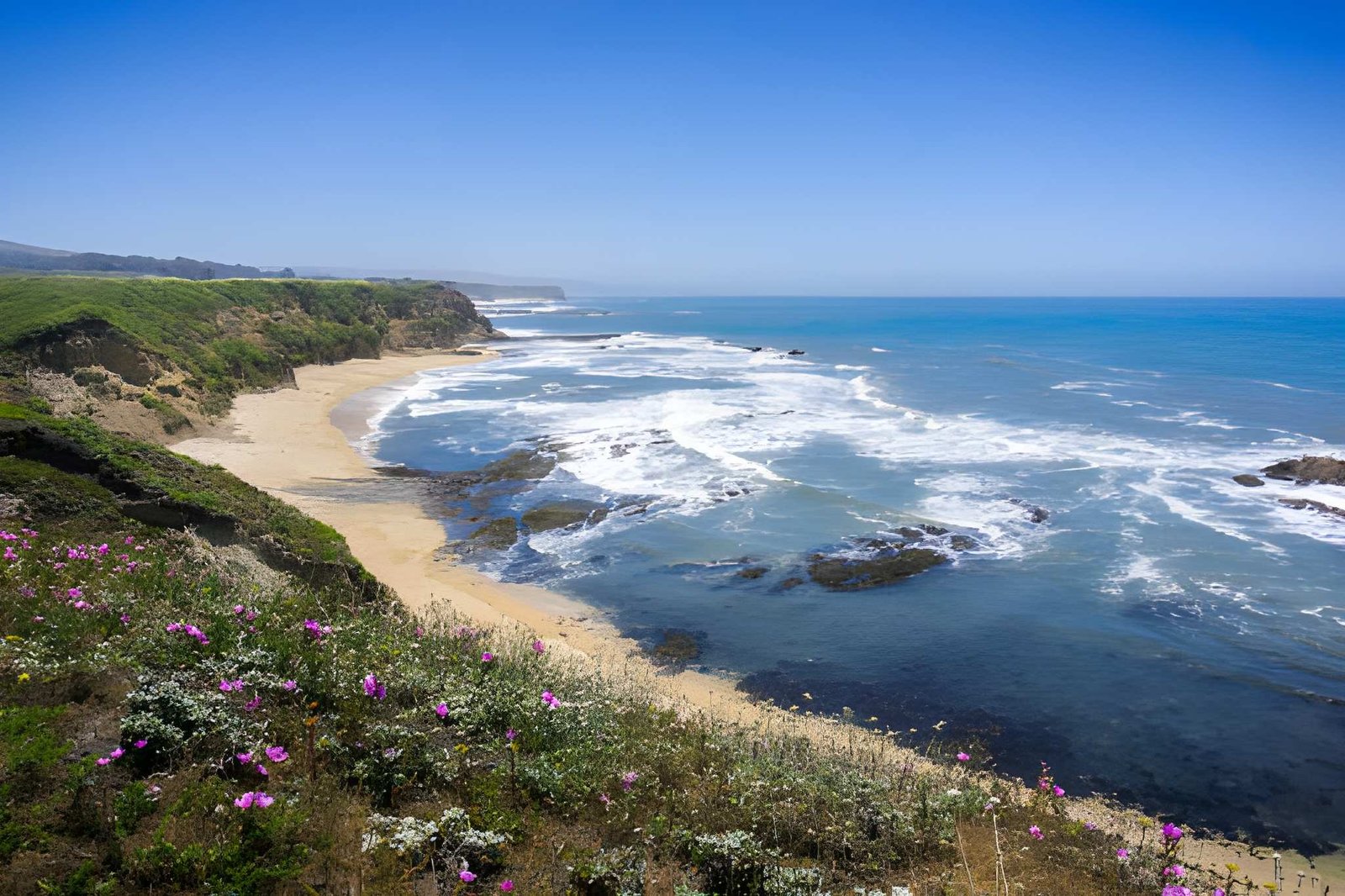
I’m walking the coastal trail at Poplar Beach watching harbor seals bask on offshore rocks while waves crash below me, and I’m thinking about how San Francisco residents drive right past this place every weekend heading to tourist-packed destinations when everything they’re seeking sits just forty-five minutes south. After visiting Half Moon Bay twelve times over the past seven years—from October pumpkin patch adventures to summer surfing weekends—I’ve learned that this coastal town delivers authentic Northern California beach atmosphere without the crowds or commercialization you’ll find in more famous Bay Area destinations.
Half Moon Bay sits along Highway 1 in San Mateo County, about thirty miles south of San Francisco and forty-five minutes from San Jose. With only 12,000 residents, this small coastal community maintains working farm heritage (it’s California’s self-proclaimed Pumpkin Capital) while offering excellent surfing, miles of sandy beaches, tide pool exploration, and that slower rhythm that makes you forget Silicon Valley sits just over the coastal hills. What makes Half Moon Bay special isn’t spectacular Victorian architecture or luxury resorts—it’s the combination of accessible outdoor activities, authentic small-town atmosphere, and dramatic coastal scenery you can experience in a day trip or weekend escape.
Most Bay Area residents know Half Moon Bay primarily for its pumpkin farms during October’s harvest season, when tens of thousands descend on the town for the famous Half Moon Bay Art & Pumpkin Festival. But this coastal gem deserves attention year-round, offering tide pooling at Fitzgerald Marine Reserve, kayaking in protected harbor waters, hiking coastal trails with ocean views, and some of the Bay Area’s freshest seafood served in casual waterfront restaurants. This complete travel guide shares everything I’ve learned about experiencing Half Moon Bay properly—when to visit for different activities, where to eat beyond the obvious tourist spots, what outdoor adventures actually deliver, and how to combine Half Moon Bay with nearby destinations for perfect Bay Area weekend escapes.
When to Visit Half Moon Bay: Seasonal Guide
Half Moon Bay’s coastal location creates relatively mild temperatures year-round, but seasonal differences dramatically impact what you’ll experience and how crowded you’ll find it.
Spring in Half Moon Bay, particularly March through May, brings wildflowers to coastal bluffs and the greenest hillsides you’ll see all year after winter rains. The Fitzgerald Marine Reserve tide pools come alive with vibrant marine life during spring low tides. Temperatures range from the mid-50s to mid-60s, though morning fog is common and can persist through early afternoon.
I visited Half Moon Bay in late April once specifically for tide pooling, timing our visit around morning low tide. We spent two hours exploring pools filled with purple sea urchins, bright orange and red sea stars, hermit crabs, and anemones waving their tentacles in shallow water. The weather stayed cool and overcast, but that actually worked well—tide pooling in hot sunshine gets uncomfortable quickly.
Summer brings the biggest tourist crowds to Half Moon Bay, particularly on weekends when Bay Area residents escape inland heat for coastal cool. Temperatures near the ocean stay in the 60s, though inland areas like Main Street can reach the 70s. Morning fog is persistent, usually not clearing until noon or early afternoon. The beaches fill with picnickers and families, though swimming remains cold (water temperatures stay in the low-to-mid 50s even during summer).
Despite summer crowds, the season works well for water activities. Kayaking in Pillar Point Harbor provides calm, protected waters perfect for beginners. The coastal trail offers pleasant walking any time of day. Pumpkin farms operate during late summer for early season picking. Just understand that “beach day” in Half Moon Bay means walking, picnicking, and maybe wading rather than swimming and sunbathing.
Fall, specifically September through November, represents Half Moon Bay at two distinct extremes. September and early October deliver gorgeous weather—warm temperatures, clear skies, minimal fog—making this the best time for beach walks, hiking, and outdoor dining. But mid-October brings the Art & Pumpkin Festival, when the town’s population swells by tens of thousands. Traffic backs up for miles, restaurants have two-hour waits, and parking becomes genuinely difficult.
I time my Half Moon Bay visits carefully around the Pumpkin Festival. If I want the festival experience—and it genuinely is fun, especially with kids—I arrive early Saturday morning before crowds peak. If I’m seeking quiet coastal escape, I avoid the festival weekend entirely and visit early October or November after the crowds leave.
Winter brings Half Moon Bay’s quietest season and best surf conditions. Temperatures range from the high 40s to low 60s, with rain falling intermittently between November and March. This is when Mavericks—the legendary big-wave surf break—comes alive, drawing elite surfers from around the world when massive swells arrive. Gray whale migration (December-April) offers whale watching opportunities from coastal trails.
Winter’s advantage is solitude and value. Hotel rates drop significantly below summer and fall peaks, restaurants welcome walk-ins enthusiastically, and beaches provide peaceful walks rather than navigating around crowds. The trade-off is weather unpredictability—you might get crisp, clear days with spectacular visibility, or multi-day rain systems that keep you indoors.
Getting to Half Moon Bay: Routes and Transportation
Half Moon Bay sits along Highway 1 approximately thirty miles south of San Francisco and forty-five miles northwest of San Jose. The coastal location provides easy access from Bay Area cities while maintaining that removed-from-urban-chaos feeling.
From San Francisco, the most scenic route follows Highway 1 South the entire way from the city through Pacifica, passing dramatic coastal cliffs and beaches before reaching Half Moon Bay. This route takes forty-five to sixty minutes depending on traffic and provides stunning ocean views. The faster option takes Highway 280 South to Highway 92 West, then descends through the coastal hills to Half Moon Bay—about forty minutes in light traffic.
I prefer the Highway 1 coastal route when I’m not in a hurry. The drive itself becomes part of the experience, with multiple pullouts offering photo opportunities and beach access. The Highway 280 option works better during commute hours when Highway 1 traffic slows significantly.
From San Jose or Silicon Valley, take Highway 280 North to Highway 92 West, descending through the hills to Half Moon Bay—approximately forty-five minutes to an hour. This route passes through redwood forests before opening to coastal views as you approach the ocean.
From the East Bay, cross one of the bay bridges to San Francisco or San Mateo, then follow routes described above. Total time ranges from one to two hours depending on your starting point and bridge traffic.
San Francisco International Airport (SFO) sits about forty-five minutes north of Half Moon Bay, while San Jose International Airport lies fifty minutes southeast. Both airports offer car rental options, though public transportation to Half Moon Bay remains limited and impractical for most visitors.
Once in Half Moon Bay, you’ll want a car for exploring beaches, farms, and trail access points spread along several miles of coastline. The town operates minimal public transit, and Uber/Lyft availability is sporadic. Main Street downtown is walkable, but accessing Fitzgerald Marine Reserve, Pillar Point Harbor, or various beach access points requires driving.
Parking in Half Moon Bay is generally free and abundant except during the Pumpkin Festival weekend when lots fill early and traffic congestion becomes significant. Most beaches have parking lots or pullouts, downtown Main Street offers street parking and public lots, and Pillar Point Harbor provides ample free parking.
Where to Stay in Half Moon Bay: Beach to Budget
Half Moon Bay accommodations cluster along Highway 1 near the beaches, around downtown Main Street, and at the iconic Ritz-Carlton commanding blufftop views south of town.
The Ritz-Carlton, Half Moon Bay sits on dramatic bluffs overlooking the Pacific, offering luxury resort amenities including a spa, two golf courses, multiple restaurants, and rooms with fireplaces and ocean views. Rates run $500-900+ per night depending on season and room type. This is Half Moon Bay’s splurge option—perfect for special occasions when you want pampering alongside coastal beauty.
I stayed at the Ritz-Carlton for an anniversary celebration and appreciated the spa treatments using coastal-inspired therapies, the excellent Navio restaurant serving California coastal cuisine, and those morning coffee moments watching waves crash on rocks below our balcony. The property trades Main Street proximity for resort atmosphere and spectacular ocean views.
Inn at Mavericks provides boutique lodging near Pillar Point Harbor, with contemporary rooms, ocean views from many accommodations, and walking access to harbor restaurants and Mavericks Beach. Rates range $250-450 per night. The dog-friendly policy makes this popular with pet owners seeking coastal getaways. I recommend this for travelers wanting upscale comfort without resort prices or formality.
The Beach House Half Moon Bay operates as a boutique inn right on the coastal trail, offering twelve rooms with ocean views, fireplaces, and included breakfast. Rates run $350-550 per night. The location provides direct trail access for morning walks and sunset viewing, while downtown Main Street sits about a mile south.
For mid-range options, Harbor View Inn offers rooms with harbor views at $200-350 per night, convenient to Pillar Point restaurants and kayaking outfitters. Comfort Inn Half Moon Bay provides reliable chain hotel quality at $180-280 per night, located near Main Street with included breakfast.
Budget travelers can find basic motels along Highway 1 offering rooms for $140-200 per night. These properties lack luxury amenities or spectacular views but deliver clean, comfortable lodging at more accessible prices. The Half Moon Bay Lodge on Main Street provides this level of accommodation with convenient downtown location.
Vacation rentals through Airbnb and VRBO range from beach cottages ($200-400 per night) to luxury oceanfront homes ($500-1000+ per night). Rentals work particularly well for families or groups who can split costs and want kitchen access for meal preparation. Availability varies dramatically, with Pumpkin Festival weekend booking months in advance.
What to Do in Half Moon Bay: Outdoor Activities and Attractions
Half Moon Bay’s appeal centers on outdoor activities taking advantage of coastal location, protected bay waters, and accessible beaches rather than traditional tourist attractions.
The Fitzgerald Marine Reserve in Moss Beach, just north of Half Moon Bay proper, provides the Bay Area’s best tide pooling experience. This three-mile stretch of rocky coastline protects incredibly diverse marine life in shallow pools. During low tides, you can spot purple sea urchins, ochre and bat sea stars in various colors, hermit crabs, shore crabs, sea anemones, and occasionally small octopuses hiding in crevices.
I’ve tide pooled at Fitzgerald Reserve four times during different seasons. Spring brings the most vibrant colors and greatest variety. The key is timing your visit around low tide—check tide tables before going, and arrive about an hour before predicted low tide for best viewing. Wear shoes with good grip (rocks get slippery), bring a small bucket for closer examination (but always return creatures to their pools), and watch for harbor seals often hauled out on offshore rocks.
Kayaking through Pillar Point Harbor offers calm, protected waters perfect for beginners or families. The harbor’s breakwater shields paddlers from ocean waves, creating conditions safe enough for first-time kayakers. Several outfitters along the harbor rent kayaks ($25-35 for two hours) and offer guided tours ($65-85 per person for 2-3 hours).
I’ve kayaked Pillar Point three times—once on my own, twice with guided tours. The guided experiences taught me to spot marine life I’d have missed otherwise: harbor seals popping up to investigate our kayaks, sea lions barking from breakwater rocks, pelicans diving for fish just feet away. The harbor also provides views of Mavericks surf break where massive waves roll in during winter.
The California Coastal Trail runs through Half Moon Bay, offering several beautiful sections accessible from various parking areas. The Poplar Beach to Francis Beach segment provides about two miles of easy walking along blufftop trails with ocean views, beach access points, and benches for resting. This section sees moderate use but rarely feels crowded except summer weekends.
I walk portions of this trail almost every Half Moon Bay visit, usually in early morning when fog still clings to the water and I have the path mostly to myself. The trail stays relatively flat and accessible, making it perfect for all fitness levels while still delivering those dramatic coastal views Northern California does so well.
Mavericks Beach sits at the northern end of Half Moon Bay, famous for the legendary big-wave surf break offshore. During winter (typically December-March), massive swells create waves reaching 25-60 feet that attract elite surfers from around the world. Even if you’re not a surfer, walking Mavericks Beach and watching these massive waves from shore provides thrilling free entertainment.
The beach itself is accessible via a short trail from the Pillar Point Air Force Station parking area. The walk takes about ten minutes through coastal bluffs before opening to wide sandy beach with Mavericks visible offshore. During big swells, dozens of spectators gather on the beach and bluffs to watch surfers tackle these legendary waves.
Half Moon Bay State Beach actually encompasses four separate beaches—Francis, Venice, Dunes, and Roosevelt—stretching for four miles along the coast. Francis Beach is most popular, with the largest parking area, restrooms, and easy access. Venice Beach offers quieter atmosphere with fewer crowds. All four provide wide sandy beaches perfect for walking, picnicking, and watching waves, though swimming remains cold and potentially dangerous year-round.
Purisima Creek Redwoods Open Space Preserve sits in the hills east of Half Moon Bay, protecting 4,711 acres of redwood forest, grasslands, and chaparral. The preserve offers multiple hiking trails ranging from easy walks to challenging climbs. The Purisima Creek Trail descends 1,600 feet over 4.5 miles through redwood groves alongside the creek—beautiful but strenuous on the return climb.
I hiked Purisima Creek once on a cool spring morning, starting from the upper trailhead and descending through massive redwoods draped with moisture from morning fog. The forest felt primeval and ancient, completely different from coastal trails just miles away. The climb back up challenged, but the redwood cathedral atmosphere made the effort worthwhile.
Half Moon Bay’s Pumpkin Farms and Fall Traditions
Half Moon Bay claims the title “Pumpkin Capital of the World,” and October’s pumpkin harvest transforms the town into a celebration of all things autumn.
Multiple pumpkin farms operate along Highway 1, offering not just pumpkins but full fall experiences with hay rides, corn mazes, petting zoos, and seasonal activities. The farms typically open in late September and operate through October, with peak crowds during the Art & Pumpkin Festival weekend (usually second weekend in October).
Farmer John’s Pumpkin Farm operates as one of the largest and most popular, offering extensive pumpkin patch, multiple play areas for kids, hay rides, and that classic farm atmosphere. Lemos Farm provides similar experience with pumpkin patch, train rides, petting zoo, and those photo-worthy pumpkin displays. Admission to farms typically costs $10-15 per person on weekends, with pumpkin purchases additional.
I’ve visited pumpkin farms three times with family and friends. The farms deliver exactly what they promise—wholesome fall fun in a genuine agricultural setting. Kids love the activities, adults appreciate the photo opportunities, and everyone enjoys wandering through pumpkin patches selecting the perfect specimen. Just arrive early on weekends to avoid peak crowds.
The Half Moon Bay Art & Pumpkin Festival draws over 250,000 visitors during its two-day run in mid-October. The festival includes hundreds of arts and crafts vendors, food stalls, live entertainment, the famous pumpkin weigh-off competition (pumpkins often exceed 2,000 pounds), and that community atmosphere of a small town celebrating its agricultural heritage.
I attended the festival once and enjoyed the atmosphere despite massive crowds. The key is arriving when gates open Saturday morning, parking in one of the shuttled lots on the outskirts, and accepting that this weekend transforms quiet Half Moon Bay into a packed tourism destination.
Where to Eat in Half Moon Bay: Seafood and Farm-to-Table
Half Moon Bay’s restaurant scene emphasizes fresh local seafood from Pillar Point Harbor boats and farm-fresh ingredients from surrounding agricultural areas.
Sam’s Chowder House sits right on the harbor with views overlooking Pillar Point and Mavericks. The restaurant specializes in New England-style seafood—lobster rolls, clam chowder, fish and chips, cioppino—served in a casual atmosphere. The lobster roll has achieved cult status among Bay Area seafood lovers, while the clam chowder competes with San Francisco’s best. Lunch and dinner run $25-45 per person. Arrive early for waterfront patio seating or accept waits during peak meal times.
I’ve eaten at Sam’s four times, always ordering that lobster roll everyone raves about. It delivers—sweet lobster meat in a buttered, toasted bun that justifies the $35 price tag. The harbor views while eating make it even better, especially if you snag a patio table during golden hour.
Pasta Moon has been serving Italian-California cuisine on Main Street since 1992, emphasizing local ingredients from nearby farms and daily fish from Pillar Point boats. The menu changes with seasonal availability but might include handmade pastas, wood-fired pizzas, local rockfish preparations, or grass-fed meats from Marin County ranches. Dinner averages $35-55 per person, with lunch offering similar quality at lower prices.
The commitment to local sourcing creates food that actually tastes like Northern California—fresh, seasonal, and prepared with respect for ingredients rather than overly complicated techniques. Reservations recommended for weekend dinners.
Barbara’s Fishtrap operates from a funky harbor-side location, serving fresh fish and chips, seafood baskets, and chowder since 1971. This is Half Moon Bay’s dive seafood shack—basic seating, no-frills atmosphere, cash-only payment, and absolutely delicious fresh fish. The fish and chips consistently rank among the Bay Area’s best, while prices stay remarkably reasonable ($15-25 per person).
I stop at Barbara’s almost every Half Moon Bay visit for lunch or early dinner. The rockfish and chips never disappoint, the casual atmosphere feels authentic rather than staged, and watching fishing boats in the harbor while eating creates exactly the coastal experience I’m seeking.
Café Gibraltar brings Mediterranean-California fusion to Main Street in an intimate setting. Chef-owner José Ugalde creates seasonal menus drawing inspiration from Spanish, Italian, and Moroccan cuisines while showcasing Half Moon Bay ingredients. Dinner runs $40-60 per person. The small dining room fills quickly—reservations essential.
The Flying Fish Grill serves Asian-fusion cuisine emphasizing fresh local seafood prepared with Japanese, Thai, and Chinese influences. The fish tacos combine fresh rockfish with Asian slaw and spicy aioli, while the seafood hot pot showcases whatever’s fresh from Pillar Point boats. Lunch and dinner average $20-35 per person.
For breakfast and coffee, Main Street Grill provides classic American breakfast in a casual atmosphere—omelets, pancakes, breakfast burritos—at reasonable prices ($12-18 per person). Half Moon Bay Brewing Company offers pub fare and house-brewed beers for lunch and dinner ($18-30 per person) with a relaxed local vibe.
Day Trips from Half Moon Bay
Half Moon Bay’s Peninsula location provides access to several worthwhile day trip destinations.
Santa Cruz sits thirty-five miles south via Highway 1, offering the famous Beach Boardwalk amusement park, excellent surfing, redwood forests at Henry Cowell State Park, and that college town atmosphere from UC Santa Cruz. The drive takes about fifty minutes and passes through beautiful coastal farmland.
Pescadero, ten miles south, provides the famous Duarte’s Tavern (cream of artichoke soup and olallieberry pie since 1894), Harley Farms goat cheese operation, and Pescadero Marsh Natural Preserve for bird watching. This tiny town makes a perfect Half Moon Bay combination—morning at the beach, afternoon in Pescadero, dinner back at Pillar Point Harbor.
San Francisco sits forty-five minutes north, offering everything the city provides while using Half Moon Bay as a quieter, more affordable base. I’ve stayed in Half Moon Bay and driven into the city for daytime exploration, then returned to coastal tranquility for evenings—the best of both worlds.
Silicon Valley and San Jose lie less than an hour over the hills, though honestly, who visits Half Moon Bay to experience tech campuses? The point is that Half Moon Bay provides easy escape from Silicon Valley’s intensity while remaining accessible for those working in the area.
Frequently Asked Questions About Half Moon Bay
Is Half Moon Bay worth visiting? Yes, especially as a day trip or weekend escape from San Francisco or San Jose. Half Moon Bay offers excellent tide pooling, kayaking, beach walks, and authentic small-town coastal atmosphere at more affordable prices than more famous Bay Area destinations. It’s perfect for outdoor enthusiasts, families, and anyone seeking easy coastal access.
Can you swim in Half Moon Bay? Swimming in Half Moon Bay is possible but not recommended. Water temperatures stay in the low-to-mid 50s year-round, currents can be strong, and beaches have significant undertow. Locals and visitors use beaches for walking, picnicking, and surfing (in wetsuits) rather than swimming.
When is the best time to visit Half Moon Bay? September through early October offers the best weather—warm temperatures, clear skies, and minimal fog. Avoid Pumpkin Festival weekend (mid-October) unless specifically attending the festival. Spring (March-May) provides good conditions for tide pooling and wildflowers. Summer brings persistent morning fog.
How far is Half Moon Bay from San Francisco? Half Moon Bay sits approximately thirty miles south of San Francisco, requiring forty-five to sixty minutes driving via Highway 1 (coastal scenic route) or Highway 280 to Highway 92 (faster inland route).
What is Half Moon Bay known for? Half Moon Bay is known for pumpkin farms (Pumpkin Capital of the World), Mavericks big-wave surfing, Fitzgerald Marine Reserve tide pools, fresh seafood from Pillar Point Harbor, and easy coastal access for San Francisco Bay Area residents.
Do you need a car in Half Moon Bay? Yes, a car is essential for Half Moon Bay. While downtown Main Street is walkable, accessing beaches, tide pools, pumpkin farms, and trail parking areas requires driving. Uber and Lyft operate sporadically with limited availability.
Where are the best tide pools in Half Moon Bay? Fitzgerald Marine Reserve in Moss Beach provides the Bay Area’s best tide pooling. Visit during low tide (check tide tables), wear shoes with grip, and arrive about an hour before predicted low tide for optimal viewing.
Is Half Moon Bay expensive? Half Moon Bay is moderately priced by Bay Area standards. Restaurant meals run $20-45 per person, hotels range $140-550 per night depending on amenities, and activities like kayaking cost $25-85. Overall costs are significantly lower than San Francisco while higher than Central Valley destinations.
Can you see whales from Half Moon Bay? Yes, gray whales migrate past Half Moon Bay from December through April, often visible from coastal trails and beaches. Whale watching boat tours operate from Pillar Point Harbor during migration season.
When is the Half Moon Bay Pumpkin Festival? The Half Moon Bay Art & Pumpkin Festival typically occurs the second weekend in October. Check official dates annually as they can vary. Expect massive crowds, traffic congestion, and parking challenges during festival weekend.
Why Half Moon Bay Keeps Calling Me Back
I’ve returned to Half Moon Bay twelve times because it delivers accessible coastal escape without the effort or expense of traveling to more remote destinations. Forty-five minutes from San Francisco provides tide pooling that rivals anything on the California coast, beaches perfect for peaceful walks, kayaking accessible to beginners, and that slower rhythm that makes you forget about traffic and deadlines.
What I love most about Half Moon Bay is its authenticity. This isn’t a carefully preserved tourist village or luxury resort destination—it’s a real working agricultural community that welcomes visitors while maintaining its own identity. The pumpkin farms actually grow pumpkins for wholesale markets, not just tourist picking. Pillar Point Harbor operates as a commercial fishing port where boats still unload daily catches. Main Street serves locals buying groceries and getting haircuts alongside tourists browsing galleries.
Every visit reminds me why the Bay Area offers such incredible diversity within short distances. Morning tide pooling among sea stars and anemones, afternoon kayaking in protected harbor waters, evening sunset walks on sandy beaches, and dinner featuring fish caught that morning—all accessible in a day trip from San Francisco. Half Moon Bay makes coastal experiences achievable on regular weekends rather than requiring vacation time and extensive planning.
Pack layers regardless of season, check tide tables if tide pooling, make restaurant reservations for weekend dinners, and don’t expect warm beach weather even during summer. Half Moon Bay rewards visitors who appreciate what it actually offers—authentic coastal access, excellent outdoor activities, fresh seafood, and that Northern California beach town atmosphere—rather than wishing it were something else.
