
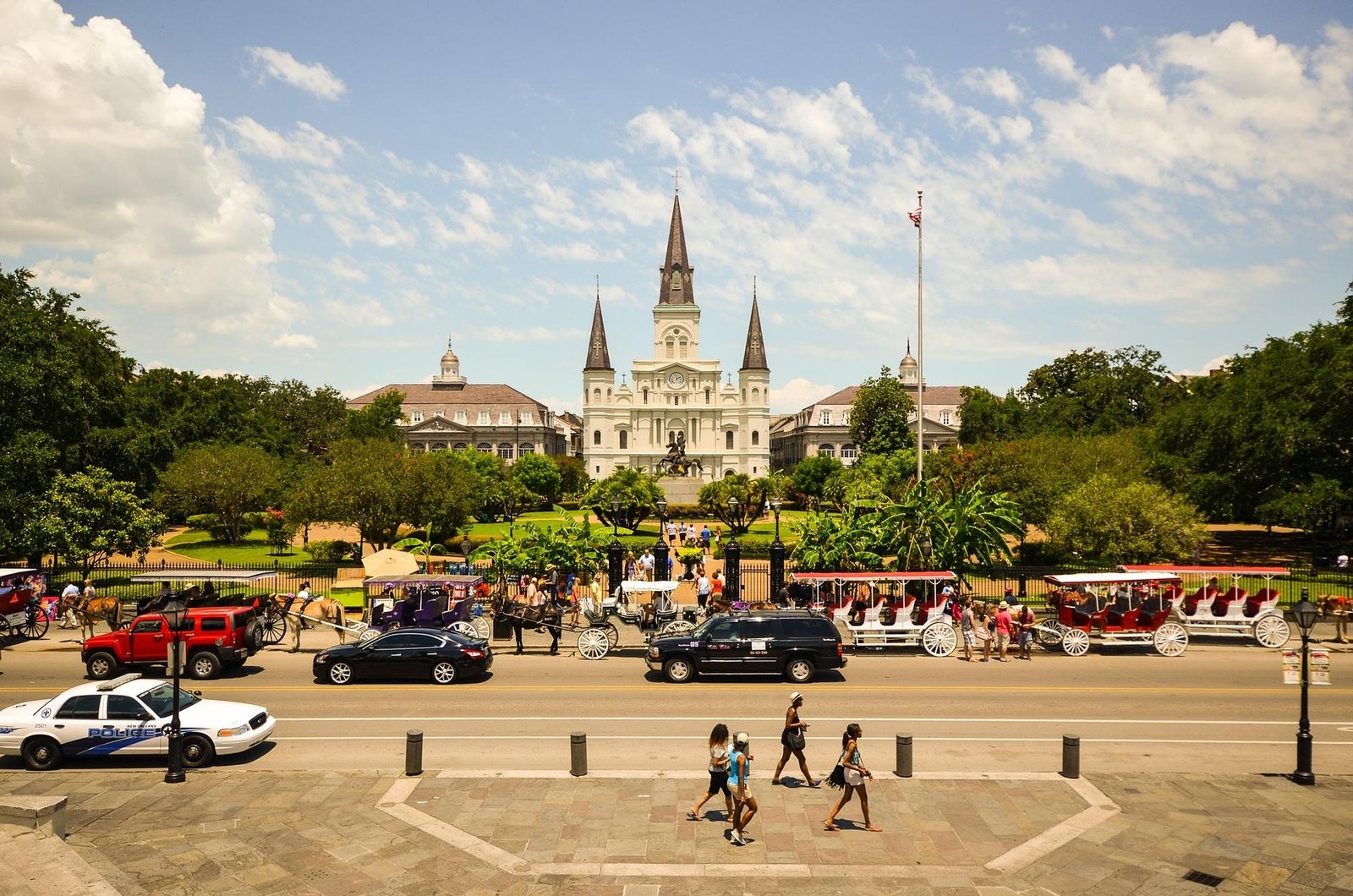
The first time I truly fell in love with New Orleans wasn’t on Bourbon Street or at Cafe du Monde—it was sitting on a stranger’s porch in the Tremé neighborhood, listening to an impromptu jazz session while kids played in the street and neighbors shared stories over cold beers. That moment, three years ago during my second visit to the city, taught me that New Orleans’ real magic happens in the spaces between the tourist attractions, in the neighborhoods where locals live their daily lives and culture flows as naturally as the Mississippi River.
After countless visits and enough wrong turns to become an accidental expert on NOLA’s hidden corners, I’ve discovered that the city’s most memorable experiences happen when you venture beyond the well-worn tourist paths. These aren’t just “local favorites”—they’re authentic slices of New Orleans culture that reveal why this city captivates people in ways that go far deeper than good food and strong drinks.
Quick Guide to Authentic New Orleans
- Best Neighborhoods for Non-Touristy Experiences: Tremé, Bywater, Marigny, Garden District, Mid-City
- Transportation: Streetcar, bike rentals, walking (many experiences are neighborhood-focused)
- Budget: $0-50 per activity, many cultural experiences are free
- Best Times: Weekday afternoons for authentic local atmosphere, Sunday mornings for neighborhood culture
- Safety Tip: Stay aware of your surroundings in residential areas, but don’t let fear keep you from authentic experiences
Tremé: The Cradle of Jazz Culture
1. Second Line Parade Participation (Not Just Watching)
Forget standing on the sidewalk watching second line parades pass by—the real experience comes from joining the “second line” of dancing followers behind the brass band. These neighborhood celebrations happen almost every Sunday, and locals welcome visitors who respect the tradition and join the joyful procession.
I stumbled into my first second line during a lazy Sunday walk through Tremé, and within minutes I was dancing alongside lifelong New Orleans residents, swept up in the infectious energy of live brass music and communal celebration. The experience taught me more about New Orleans culture in two hours than a week of tourist attractions could.
How to join: Check the Backstreet Cultural Museum’s website for parade schedules. Arrive early to understand the route, bring water and comfortable shoes, and be prepared to dance for miles. Most importantly, show respect for this cultural tradition by following the lead of longtime participants.
Insider tip: The Original Buckjumpers Social Aid and Pleasure Club hosts some of the most authentic second lines, and their members are incredibly welcoming to respectful visitors.
2. Backstreet Cultural Museum (The Real Story)
While tourists flock to the more famous museums, the Backstreet Cultural Museum tells the authentic story of African American culture in New Orleans—the traditions that created jazz, Mardi Gras Indians, and second line parades. This small but powerful museum houses the world’s most comprehensive collection documenting these cultural traditions.
The exhibits on Mardi Gras Indian suits, made entirely by hand with intricate beadwork representing months of labor, reveal the profound artistry behind what many tourists see as colorful costumes. The jazz funeral section explains the cultural significance behind the music and ritual that tourists often witness without understanding.
What makes it special: The museum staff includes community members who lived these traditions, offering personal stories and context you won’t find in guidebooks.
Insider tip: Visit on weekday afternoons when staff have more time for detailed conversations about the exhibits and their cultural significance.
3. Louis Armstrong Park After Hours
Most tourists visit Louis Armstrong Park during the day, but the real magic happens during evening hours when locals use the space as intended—for community gathering and informal music sessions. The park’s Congo Square, where enslaved people were allowed to gather on Sundays, still hosts spontaneous drum circles and musical gatherings.
I’ve discovered that Sunday evenings often feature informal gatherings where local musicians practice, children play, and families picnic. It’s New Orleans culture happening naturally rather than performed for tourists.
Best timing: Sunday evenings between 4-7 PM for the most authentic community atmosphere.
Safety note: Go with others and stay in well-lit areas, but don’t let safety concerns keep you from experiencing this authentic cultural space.
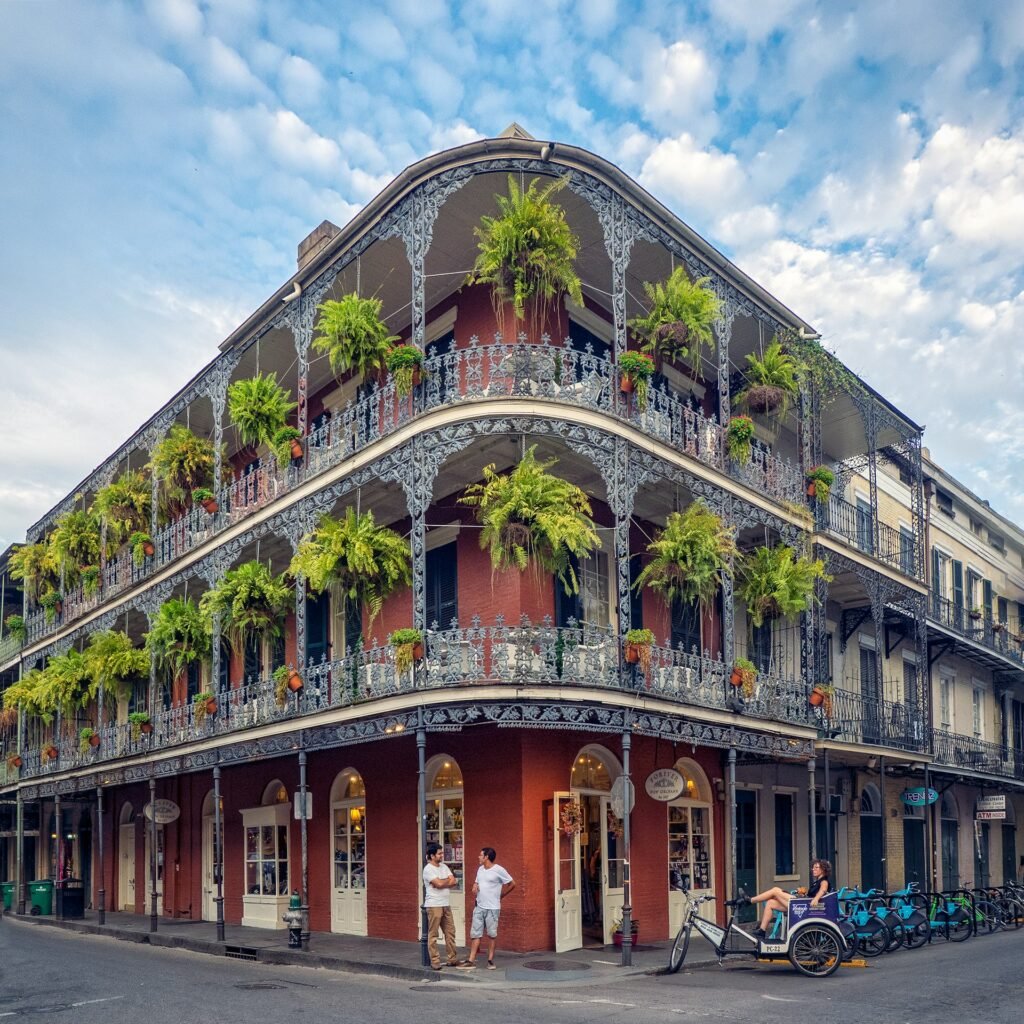
Bywater: Artistic Soul and Local Life
4. Dr. Bob’s Folk Art Studio and Gallery
Hidden in a converted shotgun house, Dr. Bob’s studio represents New Orleans’ thriving folk art scene. Dr. Bob Shaffer creates colorful, irreverent art pieces that capture the city’s spirit while addressing social issues with humor and insight. His “Be Nice or Leave” signs have become local landmarks, but visiting his actual studio provides insight into an artist whose work reflects authentic New Orleans values.
The studio feels like stepping into a friend’s creative workspace—cluttered with works in progress, filled with local characters stopping by to chat, and radiating the creative energy that makes New Orleans a magnet for artists.
What makes it special: Dr. Bob often works in his studio and enjoys talking with visitors about his art and the neighborhood’s transformation.
Insider tip: Ask about the stories behind specific pieces—many reference local events and characters that reveal layers of New Orleans culture.
5. Bywater Neighborhood Coffee Shops (Where Locals Actually Go)
Skip the tourist-packed French Quarter coffee shops and head to the Bywater’s neighborhood cafes where locals start their days. Spitfire Coffee on Magazine Street serves exceptional coffee in a converted warehouse space that doubles as a community gathering spot, while HiVolt Coffee focuses on seriously good espresso without the tourist markup.
These spaces function as unofficial community centers where you’ll overhear conversations about local politics, neighborhood events, and the daily rhythms of New Orleans life that tourists rarely witness.
Local favorite: Spitfire’s cold brew on hot afternoons, enjoyed at their outdoor tables while watching the neighborhood come alive.
Insider tip: Visit weekday mornings around 8 AM to experience the authentic rush of locals getting their caffeine before work.
6. Music at BJ’s Lounge (Dive Bar Authenticity)
BJ’s Lounge looks like nothing special from the outside—a typical neighborhood dive bar that tourists usually walk past. But this unassuming spot hosts some of New Orleans’ best live music, featuring local musicians playing for audiences of regulars who know when to shout encouragement and when to listen quietly.
The music ranges from blues to funk to jazz, depending on the night, but it’s always authentic and often features collaborations between musicians who’ve known each other for decades. I’ve witnessed incredible impromptu sessions here that rival anything happening in more famous venues.
What makes it special: The audience consists mainly of locals who understand the music deeply, creating an energy that encourages musicians to take risks and play with genuine passion.
Insider tip: Check their Facebook page for upcoming shows, and arrive early enough to grab a seat—the space is small and fills up quickly for popular musicians.
Marigny: Creative Energy and Local Flavor
7. Frenchmen Street (During the Day)
Everyone knows about Frenchmen Street’s nighttime music scene, but experiencing this neighborhood during daytime hours reveals a completely different character. Local galleries open their doors, neighborhood restaurants serve lunch to residents rather than tourists, and the area’s artistic soul becomes visible without the nighttime party atmosphere.
The Frenchmen Art Market operates during daylight hours, featuring local artists selling original work—paintings, jewelry, photography—that reflects authentic New Orleans creativity rather than mass-produced tourist souvenirs.
Best timing: Saturday afternoons between 2-5 PM for the most active art scene and relaxed neighborhood atmosphere.
Local secret: Many of the evening’s music venues serve excellent lunch food at much lower prices than dinner, allowing you to experience these spaces in their daytime incarnation.
8. Local Cooking Classes in Home Kitchens
Forget the commercial cooking schools—several local residents offer intimate cooking classes in their own homes, teaching family recipes passed down through generations. These experiences provide insight into authentic Creole and Cajun cooking techniques while sharing family stories and cultural traditions.
Chef Leah Chase Johnson (no relation to the famous Leah Chase) teaches small groups in her Marigny home, sharing recipes and techniques her grandmother used along with stories about how food traditions survived and evolved in New Orleans. The experience feels like cooking with a friend rather than taking a tourist class.
What makes it special: You’re learning from someone who grew up cooking these dishes, in their actual kitchen, with family photos and personal touches that provide cultural context.
Booking: These classes are typically arranged through local connections or Airbnb Experiences, and they fill up quickly due to small group sizes.
9. Neighborhood Art Studios and Galleries
The Marigny hosts numerous working artist studios that open their doors for casual visits, providing insight into New Orleans’ contemporary art scene. Unlike commercial galleries, these spaces offer direct interaction with artists and opportunities to understand their creative process and community connections.
Studio crawl strategy: Many studios coordinate informal open houses on First Saturday of each month, creating a self-guided art tour through authentic creative spaces.
Cultural impact: Supporting local artists directly helps maintain the creative community that gives New Orleans its artistic authenticity.
Garden District: Beyond the Mansion Tours
10. Magazine Street Neighborhood Shopping (Local Businesses)
While tourists focus on the Garden District’s mansion tours, locals spend time on Magazine Street’s six-mile stretch of independent businesses, vintage shops, and neighborhood restaurants. This isn’t a tourist shopping district—it’s a functioning commercial corridor where New Orleans residents shop, eat, and socialize.
Stores like Funky Monkey reflect New Orleans’ eclectic style, offering vintage clothing, local art, and quirky home goods that you won’t find anywhere else. The neighborhood restaurants along this stretch serve locals daily rather than catering primarily to tourists.
Local experience: Browse the shops like a resident shopping for unique items rather than souvenirs, and stop for lunch at neighborhood spots where you’ll sit alongside people who live nearby.
Insider tip: Take the streetcar along Magazine Street to cover more ground and experience this local transportation method as locals do.
11. Audubon Park (Like a Local)
Tourists visit Audubon Park for quick photos, but locals use this space as their neighborhood backyard—jogging the loop, having picnics, playing frisbee, and gathering for informal social activities. Experience the park as locals do by spending several hours rather than rushing through for photos.
The park’s mature oak trees provide incredible shade for reading, people-watching, or simply relaxing like a New Orleans resident. I’ve spent countless afternoons here with a book and local coffee, watching families play and friends gather in ways that reveal the city’s relaxed social culture.
Local activities: Join the evening joggers on the loop, bring a picnic dinner to enjoy under the oaks, or simply sit and observe the authentic daily rhythms of Garden District life.
Best timing: Late afternoons when locals finish work and use the park for recreation and socializing.
12. Commander’s Palace Bar (Locals’ Happy Hour)
While Commander’s Palace is famous for fine dining, locals know about their bar’s happy hour—25-cent martinis that create a completely different atmosphere from the formal dining room. This tradition attracts neighborhood residents who treat the legendary restaurant as their local watering hole.
Local secret: The happy hour crowd includes Garden District residents, service industry workers, and long-time New Orleans locals who’ve been coming for decades.
Cultural context: Experiencing this institution as locals do provides insight into how New Orleans traditions adapt and serve different community functions.
Mid-City: Neighborhood Life and Culture
13. City Park’s Hidden Corners
While tourists visit City Park’s main attractions like the sculpture garden, locals know about quieter areas perfect for authentic New Orleans experiences. The park’s bayou areas provide peaceful walking paths where you might see local fishermen, while the less-visited sections offer authentic Louisiana nature within the city.
The Pavilion of the Two Sisters, often overlooked by tourists, hosts local events like community festivals, family reunions, and informal gatherings that provide insight into how New Orleans families celebrate and socialize.
Local secret: The park’s morning hours belong to locals exercising, walking dogs, and enjoying peaceful moments before the tourist activities begin.
Insider tip: Bring mosquito repellent and comfortable walking shoes for exploring the bayou paths that most visitors skip.
14. Neighborhood Po-boy Shops (Authentic Experiences)
Skip the famous po-boy shops that every guidebook mentions and discover neighborhood spots where locals grab lunch. These smaller operations often serve better sandwiches at lower prices while providing authentic interactions with owners and regular customers.
My favorite discovery is a tiny shop in Mid-City where the owner knows most customers by name and their preferred sandwich combinations. The experience of ordering like a regular customer, engaging in friendly conversation, and eating alongside local workers provides authentic insight into New Orleans food culture.
What makes it special: These shops function as neighborhood gathering spots where you’ll overhear local conversations and experience genuine New Orleans hospitality.
Local etiquette: Learn the proper po-boy terminology and don’t rush—part of the experience involves friendly conversation with the staff.
Cultural Immersion Experiences
15. Historic Tremé Walking Tour (Self-Guided)
Instead of paying for commercial tours, explore Tremé independently using resources from the local cultural organizations. This neighborhood represents the birthplace of jazz and houses generations of African American cultural traditions that shaped New Orleans’ identity.
Walk through the area where Congo Square allowed enslaved people to maintain African cultural traditions, see the homes where jazz legends lived and practiced, and experience the neighborhood where second line parades and Mardi Gras Indian traditions began.
Cultural context: Understanding Tremé’s history provides crucial background for appreciating all of New Orleans’ cultural traditions, from music to food to celebration styles.
Respectful approach: Remember you’re walking through a residential neighborhood where people live and work—be respectful of private property and ongoing community life.
Additional Local Experiences Worth Discovering
Local Music Lessons (Authentic Learning)
Several local musicians offer private lessons in traditional New Orleans styles—jazz piano, brass instruments, traditional rhythm techniques. These one-on-one sessions provide insight into the musical traditions that created the city’s reputation while supporting local artists.
Learning even basic techniques from a local musician who grew up in the tradition provides cultural understanding that goes far beyond listening to performances. You’ll understand the musical choices, the improvisation methods, and the community aspects of New Orleans music.
Finding teachers: Ask at local music venues, check community bulletin boards, or connect through local music organizations.
Cultural value: These lessons provide authentic cultural exchange while directly supporting local artists.
Neighborhood Farmers Markets
New Orleans hosts several neighborhood farmers markets that serve local communities rather than tourists. The Crescent City Farmers Market in Mid-City and the Bywater neighborhood market offer opportunities to interact with local farmers, food artisans, and regular customers.
Market experience: Shop for seasonal Louisiana produce, sample local food products, and observe how New Orleans residents approach food shopping and community interaction.
Cultural significance: These markets reflect New Orleans’ relationship with local agriculture and artisanal food traditions that extend beyond restaurant culture.
Natural New Orleans Experiences
Bayou St. John Kayaking
Paddle through the bayou that runs through the heart of New Orleans, providing a completely different perspective on the city. This waterway connects to Lake Pontchartrain and offers peaceful paddling through urban wilderness areas that most tourists never see.
The bayou reveals New Orleans’ relationship with water—how the city developed around waterways, how locals still use these spaces for recreation, and how nature persists within the urban environment.
Local experience: Rent kayaks from local operators and paddle like residents do—slowly, stopping to observe wildlife and enjoy the peaceful water environment within the bustling city.
Best timing: Early mornings or late afternoons when the light is beautiful and locals are out enjoying the water.
Morning Runs with Local Running Groups
Join local running groups that meet in various neighborhoods, providing authentic social interaction while exploring areas tourists rarely see. These groups welcome visitors and offer natural opportunities to connect with locals while seeing the city from a resident’s perspective.
The running routes reveal neighborhood character, local gathering spots, and authentic daily rhythms that you’d miss from tourist transportation methods.
Finding groups: Check local running stores or social media for group schedules and meeting points.
Cultural benefit: Experience New Orleans’ strong community bonds while getting exercise and exploring neighborhoods authentically.
Seasonal Local Activities
Summer: Neighborhood Pool Parties and Block Parties
New Orleans summers bring community gatherings that tourists rarely discover—neighborhood pool parties at local community centers, block parties that close streets for music and food, and informal gatherings in parks that showcase authentic local social culture.
Community pools: Many neighborhoods have community pools that host family-friendly events and provide insight into local recreational culture.
Block party etiquette: These events welcome respectful visitors who contribute to the communal atmosphere rather than just observing.
Fall: Local Festival Participation
Beyond the famous festivals, New Orleans neighborhoods host smaller community celebrations that provide authentic cultural experiences. Neighborhood harvest festivals, local school fundraising events, and community center celebrations offer genuine local interaction.
Finding events: Check community center calendars, local Facebook groups, and neighborhood bulletin boards for upcoming celebrations.
Participation approach: Attend as a community member rather than a tourist—bring food to share, participate in activities, and engage authentically with other attendees.
Winter: Indoor Cultural Activities
New Orleans winters bring locals indoors for cultural activities that tourists often miss—neighborhood book clubs that meet in local libraries, community cooking classes at cultural centers, and informal music sessions in local venues.
Library programs: New Orleans Public Library branches host cultural programming that reflects neighborhood character and interests.
Cultural centers: Community centers offer classes, workshops, and social events that provide authentic interaction with local residents.
Spring: Community Garden Projects
As the weather warms, New Orleans residents engage in community gardening projects that welcome volunteer participation. These efforts provide insight into local environmental awareness and community cooperation while contributing to neighborhood improvement.
Garden locations: Many neighborhoods have community gardens that organize volunteer days for maintenance and planting.
Environmental context: These projects reflect New Orleans residents’ relationship with their environment and commitment to community sustainability.
Practical Tips for Authentic Exploration
Transportation Like a Local
Use the streetcar system as locals do—not just as a tourist attraction but as practical transportation between neighborhoods. Buy a day pass and experience the city’s public transportation rhythm while saving money and reducing your tourist footprint.
Streetcar strategy: Learn the route system and use streetcars for practical transportation rather than just sightseeing.
Bike sharing: New Orleans’ bike share system provides access to neighborhood exploration at local pace while supporting sustainable transportation.
Timing for Authenticity
Visit attractions during off-peak hours when they serve locals rather than tourists. Weekday afternoons, Sunday mornings, and early evening hours often provide the most authentic experiences with the least tourist crowd interference.
Optimal timing schedule:
- Monday-Thursday afternoons: Neighborhood cafes and shops serve local customers
- Sunday mornings: Community gathering time in parks and cultural spaces
- Early evenings: Local happy hours and social gatherings before tourist nightlife begins
Respectful Cultural Engagement
Remember that these experiences involve real communities and living cultures. Show respect for neighborhoods, engage authentically with local customs, and understand that you’re a guest in spaces where people live and work.
Respectful behavior guidelines:
- Ask permission before photographing people or private property
- Support local businesses with purchases rather than just browsing
- Engage in conversations as a interested visitor rather than an outside observer
- Respect noise levels and community standards in residential areas
Budget Considerations
Many authentic experiences cost less than tourist attractions while providing more meaningful cultural insight. Focus your spending on local businesses, independent artists, and community-supported activities rather than commercial tourist operations.
Budget-friendly authentic experiences:
- Free community events and festivals
- Low-cost local transportation
- Neighborhood markets and cafes
- Public parks and cultural spaces
- Community art events and openings
Safety and Navigation in Local Neighborhoods
Neighborhood Safety Awareness
While exploring authentic New Orleans neighborhoods, maintain awareness of your surroundings without letting safety concerns prevent meaningful cultural experiences. Most local activities happen in community-oriented spaces where residents create natural safety through presence and engagement.
Safety strategies:
- Travel in pairs or small groups when exploring residential areas
- Stay in well-lit, active areas during evening activities
- Ask locals for neighborhood-specific guidance
- Trust your instincts while remaining open to authentic experiences
Navigation and Getting Around
Many authentic New Orleans experiences happen within walkable neighborhoods, but understanding local transportation options helps access different areas efficiently while experiencing the city as residents do.
Navigation tools:
- Download offline maps for areas with limited cell service
- Learn streetcar routes for practical neighborhood-to-neighborhood travel
- Use local bike sharing for flexible neighborhood exploration
- Walk whenever possible to experience neighborhood character authentically
Building Cultural Understanding
The difference between visiting New Orleans and experiencing New Orleans lies in understanding the cultural context behind what you’re seeing. Each of these non-touristy activities provides insight into the African American traditions, Creole culture, immigrant influences, and community bonds that created the city’s unique character.
When you participate in a second line parade, you’re engaging with traditions that preserved African cultural practices through slavery and segregation. When you eat at a neighborhood po-boy shop, you’re experiencing the working-class food culture that fed the port workers and musicians who built the city’s economy and reputation.
Historical Context for Local Experiences
Understanding New Orleans’ complex history enhances every local experience:
Colonial influences: French and Spanish colonial periods created architectural and cultural foundations still visible in neighborhoods African cultural preservation: Enslaved people maintained and adapted African traditions that became essential elements of New Orleans identity Immigration patterns: Successive waves of immigrants contributed cultural elements that created the city’s unique blend Economic development: Port activities, music industry, and tourism shaped neighborhood character and resident livelihoods
Contemporary Cultural Dynamics
Modern New Orleans balances preservation of cultural traditions with adaptation to changing economic and social conditions:
Gentrification impacts: Understand how neighborhood changes affect longtime residents and cultural traditions Tourism balance: Recognize how tourism supports local economy while sometimes displacing authentic community functions Cultural preservation: Support efforts to maintain authentic traditions and support community members who preserve them Economic challenges: Understand how residents balance cultural preservation with economic necessity
These experiences require more effort than following tourist maps, but they provide cultural understanding that transforms New Orleans from an entertaining destination into a place whose history, struggles, and triumphs become personally meaningful.
Creating Meaningful Connections
The city’s real magic happens in the interactions between people, in the preservation of cultural traditions, and in the community bonds that survived centuries of challenges while creating something uniquely beautiful. These non-touristy experiences provide access to that authentic magic in ways that tourist attractions simply cannot replicate.
When you return home, you’ll carry more than photos and souvenirs—you’ll carry genuine understanding of a remarkable culture and personal connections to a city that reveals its true character only to those willing to look beyond the surface.
Sustainable Tourism Practices
Engaging authentically with New Orleans means supporting the communities and traditions that create the city’s character:
Support local businesses: Choose locally-owned establishments over chains Respect cultural traditions: Engage with customs as a respectful participant rather than entertainer consumer Environmental awareness: Use sustainable transportation and support environmentally responsible local businesses Community contribution: Consider how your presence and spending contribute to community wellbeing rather than just personal experience
Key Takeaways
New Orleans’ most authentic experiences happen in neighborhoods like Tremé, Bywater, and Marigny where locals live daily life, participate in cultural traditions like second line parades and informal music sessions, and gather at community spaces like local coffee shops and neighborhood bars that serve residents rather than tourists. The city’s genuine culture emerges through participation rather than observation, joining second line parades instead of watching from sidewalks, taking cooking classes in local homes rather than commercial kitchens, and visiting museums like the Backstreet Cultural Museum that tell authentic cultural stories. Plan to spend time in each neighborhood rather than rushing between attractions, use local transportation like streetcars and walking to experience the city at resident pace, and show respect for living communities by engaging authentically with local customs and supporting independent businesses. The best timing for authentic experiences is weekday afternoons and Sunday mornings when attractions serve locals, and many of the most meaningful cultural activities like park gatherings, neighborhood music sessions, and community events are free or low-cost while providing deeper cultural understanding than expensive tourist attractions.
