
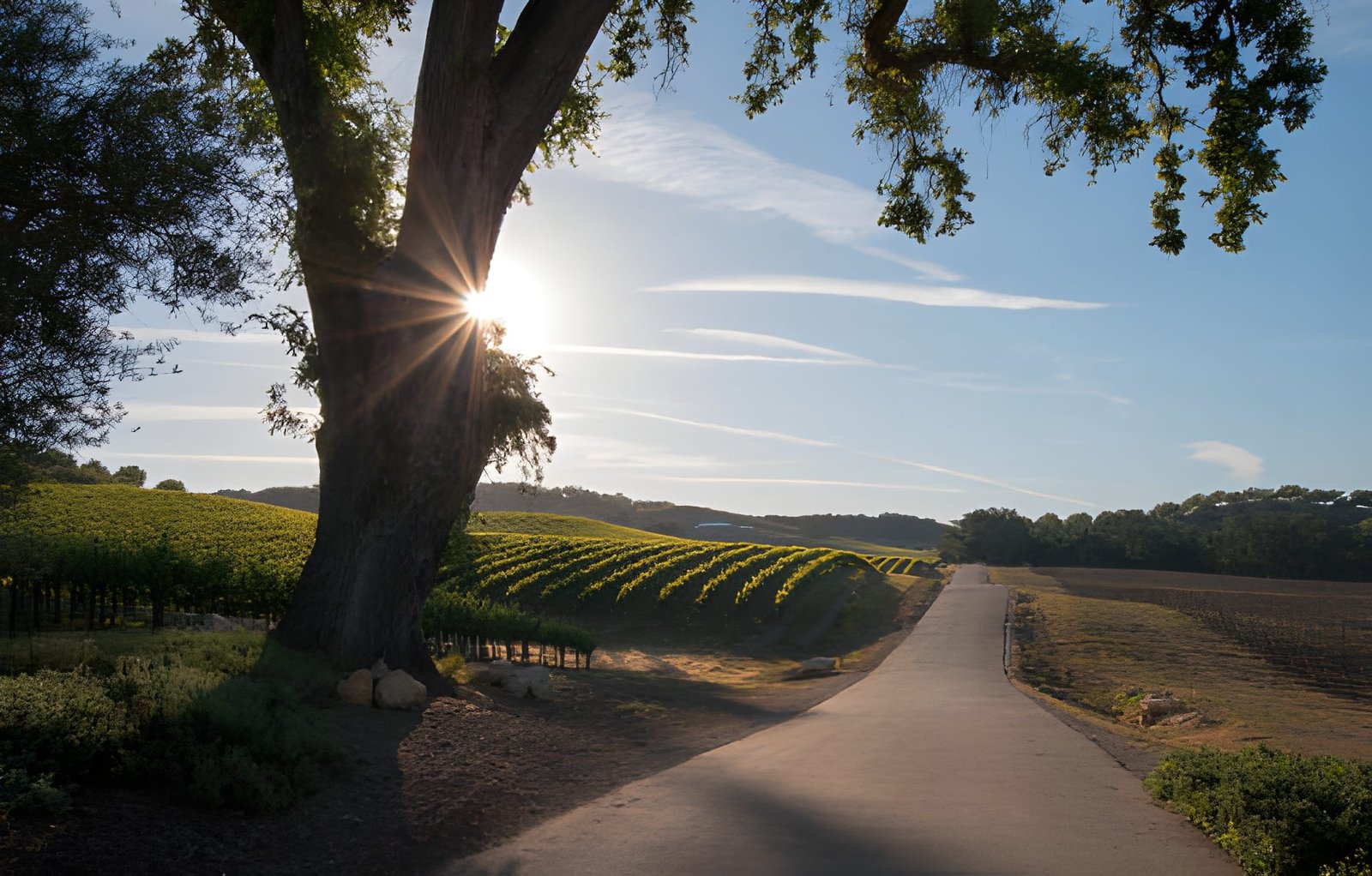
I’m sitting on the patio at Thomas Hill Organics watching the sun paint downtown Paso Robles golden, sipping a glass of local Cabernet that costs half what it would in Napa, and I can’t help wondering why it took me so long to discover this place. After six visits to Paso Robles over the past four years—from quick weekend wine tasting trips to full week-long Central Coast explorations—I’ve learned that this unassuming town three hours north of Los Angeles delivers everything people love about California wine country without the pretension or wallet-draining prices.
Paso Robles (locals say either “ROH-buhlz” or “ROH-blays”—both are acceptable) sits in California’s Central Coast, equidistant from San Francisco and Los Angeles, surrounded by rolling hills dotted with over 250 wineries. This is where serious winemakers experiment with Rhône varieties and Zinfandel alongside Napa-style Cabernets, where two Michelin-starred restaurants serve farm-to-table cuisine, and where you can still walk into tasting rooms without appointments or attitude.
But here’s what surprised me most about Paso Robles: it’s not just about wine. The town has natural hot springs where people have soaked since the 1800s, a vibrant downtown with excellent restaurants and craft breweries, proximity to dramatic coastline and Hearst Castle, and a creative energy that reminds me of Sonoma before it became overrun with tourists. This complete travel guide shares everything I’ve learned about experiencing Paso Robles—when to visit for the best weather and smallest crowds, where to stay and eat without breaking the bank, which wineries deserve your time, and how to combine wine tasting with hot springs, coastal drives, and Central California’s laid-back atmosphere.
When to Visit Paso Robles for the Best Experience
Paso Robles’ inland location creates weather dramatically different from nearby coastal towns, and timing your visit makes an enormous difference in what you’ll experience.
Spring in Paso Robles, particularly April and May, brings wildflowers to the surrounding hills and comfortable temperatures perfect for wine tasting. The vineyards turn vibrant green after winter rains, creating a landscape completely different from summer’s brown grasslands. Temperatures range from the mid-60s to mid-70s during the day, cooling to the 40s at night. This dramatic temperature swing—what winemakers call diurnal shift—helps grapes develop complex flavors and also means you need layers.
I visited Paso in late April once and spent mornings wine tasting in t-shirts under blue skies, then needed a jacket by sunset when temperatures dropped twenty degrees. The spring crowds remain manageable compared to summer, hotel rates sit in the mid-range tier, and everything feels fresh and alive. The main downside is occasional spring rain that can disrupt outdoor plans, though these storms typically pass quickly.
Summer in Paso Robles gets hot. I mean really hot—temperatures regularly exceed 95 degrees and can push past 105 during heat waves. This is inland California where coastal fog never reaches, and the sun beats down relentlessly from June through September. The saving grace is that nights cool down significantly, dropping into the 60s even after scorching days.
Despite the heat, summer has advantages for wine lovers. The longer daylight hours allow earlier morning starts and later evening exploration. All wineries operate at full capacity with extended hours. The downtown comes alive with free Friday night concerts in City Park from mid-April through late August. And honestly, sipping chilled rosé or crisp white wine on a shaded winery patio while temperatures soar creates its own kind of pleasure.
Summer requires specific strategies: start wine tasting early (most wineries open at 10 or 11 AM), take a midday break for lunch and pool time at your hotel, resume tasting in late afternoon when temperatures drop. Drink way more water than you think you need. Book accommodations with pools. And accept that you’ll be hot—this is the price for visiting California’s wine country during peak season.
Fall, specifically September through November, represents Paso Robles at its absolute best. Harvest season brings the vineyards to life with activity, temperatures moderate to comfortable levels (75-85 degrees during the day), and that golden California light makes every photo look professional. I try to time my Paso visits for early October when harvest activity peaks and the weather hits that perfect balance.
September extends summer’s warmth while reducing summer’s extreme heat. October delivers gorgeous weather with harvest festivals, barrel tastings, and special winery events. November transitions toward winter with occasional rain but also sees fewer crowds and lower hotel rates. The vineyards take on autumn colors before losing their leaves, creating a landscape that’s beautiful even without the green of spring.
Winter in Paso Robles, from December through February, sees temperatures ranging from the 40s to low 60s. This is the rainy season, though Paso receives far less rain than Northern California. Rain typically falls in brief systems rather than constant drizzle, leaving plenty of clear days between storms.
Winter’s biggest advantage is value. Hotel rates drop 30-40% below summer peaks, wineries offer relaxed tasting experiences without crowds, and restaurants seat you immediately rather than after hour-long waits. The vineyards sit dormant and brown, lacking the visual appeal of other seasons, but tasting rooms maintain full operations and the wine tastes just as good. This is when locals visit Paso—budget-conscious travelers willing to accept potentially cool, rainy weather in exchange for significant savings and authentic experiences.
Getting to Paso Robles and Getting Around
Paso Robles sits along Highway 101 in San Luis Obispo County, roughly equidistant from California’s major cities. From San Francisco or the Bay Area, you’re looking at approximately three to three and a half hours depending on traffic. Take Highway 101 South the entire way—it’s the most direct route and passes through Salinas Valley’s agricultural heartland.
From Los Angeles, the drive takes three to four hours via Highway 101 North. Traffic leaving LA can add significant time during weekday afternoons and Sunday evenings, so plan accordingly. The drive itself is pleasant, passing through Ventura, Santa Barbara, and San Luis Obispo before reaching Paso.
San Luis Obispo County Regional Airport (SBP) sits about thirty-five miles south in San Luis Obispo, offering limited flights from major western hubs including San Francisco, Los Angeles, Denver, and Phoenix. Renting a car at this small regional airport provides easy forty-minute access to Paso Robles without dealing with big city traffic or airports. The closest major airports are San Jose (three hours north) and LAX (three hours south).
Once in Paso Robles, you’ll need a car. The downtown area itself is walkable—about six blocks square centered around City Park—but wineries spread across the surrounding countryside requiring driving. Highway 46 East and Highway 46 West serve as the main wine routes, with dozens of wineries clustered along these corridors. Most tasting rooms sit 5-15 minutes apart by car.
Driving distances within Paso wine country aren’t far, but the winding roads, numerous tasting rooms, and afternoon wine consumption mean you’ll want a designated driver or will need to hire transportation. Several companies offer wine tour services ranging from large group buses to private drivers. Uber and Lyft operate in Paso Robles but availability can be limited, especially during peak hours or events.
Where to Stay in Paso Robles for Every Budget
Paso Robles accommodations range from budget chain hotels to luxury wine country resorts, with most options significantly more affordable than comparable lodging in Napa or Sonoma.
For budget-conscious travelers, chain hotels along Highway 101 offer rooms for $120-180 per night depending on season. La Quinta Inn & Suites, Hampton Inn, and Holiday Inn Express all provide clean, comfortable accommodations with complimentary breakfast and pools. These properties work well if you’re spending most of your time at wineries and just need a place to sleep, though they lack the wine country atmosphere of boutique properties.
The Paso Robles Inn occupies prime real estate right on City Park in the heart of downtown, operating since 1891 and recently renovated with contemporary style while maintaining historic character. Rooms range from $200-350 per night, and the property features natural hot spring mineral water in some rooms’ soaking tubs. The location can’t be beat—you’re walking distance to downtown restaurants and tasting rooms, and the on-site Steakhouse serves excellent beef.
I stayed at the Paso Robles Inn on my third visit and loved waking up to views of City Park, walking to breakfast at local cafes, and returning after dinner to soak in hot spring water. The rooms aren’t luxury resort quality, but the combination of location, history, and those mineral soaking tubs creates a uniquely Paso experience.
Allegretto Vineyard Resort provides Paso Robles’ most upscale lodging option, with rooms in Mediterranean-style buildings scattered across 20 acres of vineyards and olive groves. The property feels like a Tuscan villa transported to California, with extensive art collection, bocce ball courts, multiple pools, an excellent restaurant (Cello Ristorante), and wine tasting on-site. Rooms start around $400 per night and climb from there, but the property delivers resort amenities justifying the splurge for special occasions.
Adelaide Inn offers excellent mid-range value—a family-owned motel-style property that’s been upgraded with stylish design, comfortable beds, and thoughtful amenities. Rooms run $150-250 per night, include continental breakfast, and the property features a pool and hot tub. The location provides easy freeway access while still being minutes from downtown.
Geneseo Inn at Cass Winery combines accommodation with immersive wine country experience—eight rooms in a historic building on Cass Winery’s 145-acre property, surrounded by vineyards and offering sunset views from every room. Rates run $300-450 per night including generous breakfast, afternoon wine and cheese, and walking access to the winery’s tasting room. This is where I stayed for my anniversary, and waking up to vineyard views then strolling to morning wine tasting created exactly the romantic escape we wanted.
For unique options, several vacation rentals scatter through Paso Robles wine country, ranging from ranch houses to modern villas. Airbnb and VRBO list properties starting around $200 per night for basic homes and climbing to $500+ for luxury estates with pools and vineyard views. Renting a house works well for groups who can split costs and want kitchen access for meal preparation.
What to Do in Paso Robles Beyond Wine Tasting
While wine tasting dominates most Paso Robles itineraries, the area offers diverse activities that add variety to any visit.
Downtown Paso Robles centers around City Park, a charming square with mature trees, gazebo, picnic tables, and that Carnegie Library building that anchors the whole scene. On Friday evenings from mid-April through late August, the park hosts free Concerts in the Park featuring everything from country to rock to Latin music. Hundreds of locals spread blankets, bring picnics and wine, and enjoy live music as the sun sets. This weekly tradition provides the most authentic Paso Robles experience you’ll find—just show up with a blanket, some food, and willingness to relax.
Sensorio, located just north of Paso Robles, features “Field of Light”—a stunning outdoor light installation by artist Bruce Munro covering 15 acres with over 58,000 fiber optic stems that illuminate after sunset. Walking through this surreal landscape of glowing orbs feels otherworldly, and the installation has attracted over half a million visitors since opening in 2019. Tickets cost $30-40 per person and should be booked in advance. The experience takes about an hour and works particularly well as an evening activity after wine tasting.
River Oaks Hot Springs offers the mineral spring soaking experience that first made Paso Robles famous in the 1800s. Private outdoor tubs filled with natural hot spring water provide relaxation after days of wine tasting, with options for massages and spa treatments. Day use runs $20-30 per person per hour for tub rental. I’ve soaked at River Oaks twice, once after a long day of wine tasting and hiking, and the warm mineral water melted away any remaining tension.
Tin City, technically called Marquita Crossing, occupies a repurposed industrial area a few miles from downtown that’s become Paso’s hippest neighborhood. This collection of corrugated metal buildings houses craft breweries, distilleries, small-production wineries, artisan food producers, and restaurants. Six Test Kitchen, Paso’s first Michelin-starred restaurant, operates here. Barrelhouse Brewing, Tin City Cider, and numerous wine tasting rooms provide variety beyond traditional winery visits. The industrial-chic aesthetic and walkable layout make Tin City perfect for a self-guided crawl sampling beers, ciders, and wines.
For outdoor enthusiasts, several trails and parks surround Paso Robles. Barney Schwartz Park offers easy walking paths around a small lake with waterfowl. Turtle Creek Trail provides paved walking through town. Lake Nacimiento, about thirty minutes northwest, offers swimming, boating, and fishing in a reservoir surrounded by oak-studded hills.
Studios on the Park operates an open-studio arts center in downtown Paso where working artists create paintings, sculptures, and other work while visitors watch. You can chat with artists about their process, take classes, or purchase original art. The nonprofit organization helps maintain Paso’s creative culture and provides a different kind of cultural experience alongside all that wine.
The Paso Robles Wine Scene: What Makes It Special
Paso Robles wine region encompasses over 40,000 acres of vineyards divided into 11 distinct sub-AVAs, each with unique characteristics. What makes Paso different from Napa or Sonoma is the diversity of varieties grown and the experimental mindset of many winemakers.
While Napa focuses heavily on Cabernet Sauvignon and Sonoma on Pinot Noir, Paso Robles embraces everything. Cab Sauv remains the region’s signature grape, but you’ll also find exceptional Rhône varieties (Grenache, Syrah, Mourvèdre), Zinfandel, Italian varieties (Sangiovese, Nebbiolo), Spanish grapes (Tempranillo, Albariño), and whites ranging from Chardonnay to Viognier to Vermentino.
This diversity stems from Paso’s varied terrain and microclimates. The Templeton Gap allows cool Pacific air to flow through the western portion of the appellation, creating temperature conditions that rival coastal regions. The eastern hills stay significantly warmer, creating perfect conditions for Bordeaux varieties and Rhônes. Limestone-rich soils in some areas, volcanic soils in others, and everything in between creates a patchwork of terroir that supports nearly any grape variety.
The winemaking culture in Paso also differs from more established regions. Many Paso winemakers came from other careers—former tech workers, lawyers, teachers—who moved to wine country to follow passion rather than family tradition. This creates openness to experimentation and a less pretentious atmosphere in tasting rooms. You’re more likely to meet the actual winemaker pouring your tasting flight in Paso than in Napa.
Tasting room experiences in Paso Robles generally don’t require appointments, though some high-end properties do. Most charge $15-25 for tastings of 4-6 wines, often waived with purchase. The atmosphere tends toward casual and welcoming rather than formal and stuffy. I’ve had fantastic conversations with winemakers, vineyard managers, and fellow tasters at Paso wineries, creating connections that rarely happen in more commercialized wine regions.
Some wineries I consistently recommend: Epoch Estate for beautiful hilltop setting and excellent Rhônes, Justin Vineyards for Bordeaux-style blends and that Michelin-starred restaurant, Tablas Creek for organic Rhône varieties, Saxum for cult-status wines if you can get appointments, and Booker Vineyard for bold, extracted reds and unpretentious tastings.
But honestly, part of Paso’s charm is discovery. Drive Highway 46 East or West, stop at wineries that look interesting, talk to the people pouring, and you’ll find your own favorites. I’ve discovered some of my best Paso wines at tiny, unknown tasting rooms visited on a whim.
Where to Eat in Paso Robles: Beyond the Hype
Paso Robles’ restaurant scene has evolved dramatically over the past decade, earning recognition that includes two Michelin stars and mentions as one of California’s emerging food destinations.
The Restaurant at Justin earned a Michelin star for its seasonal tasting menu paired with Justin wines. The setting on the winery property is stunning, the food showcases Central Coast ingredients with French techniques, and the wine pairings are excellent. Dinner runs $125-175 per person depending on menu choice. Make reservations weeks ahead, especially for weekends. This is Paso’s splurge restaurant, and it delivers an experience justifying the cost.
Six Test Kitchen in Tin City holds Paso’s other Michelin star, serving innovative tasting menus that change frequently based on chef’s inspiration and seasonal availability. The intimate space seats just 14 people, creating an exclusive feel. Reservations are essential and often book months ahead. Dinner costs $150+ per person. If you can secure a reservation and your budget allows, Six Test Kitchen provides Paso’s most creative culinary experience.
For more accessible dining, Thomas Hill Organics has been serving farm-to-table California cuisine in downtown Paso since 2006. The menu changes seasonally, emphasizing organic local ingredients from named farms and purveyors. I’ve eaten here three times and consistently enjoyed creative salads, well-prepared fish and meats, and excellent wine pairings. Dinner runs $40-60 per person, lunch offers similar quality at lower prices. The outdoor patio provides prime people-watching on downtown’s main drag.
Fish Gaucho serves modern Mexican cuisine with an emphasis on fresh seafood and over 250 tequila and mezcal selections. The vibe is energetic, the food is consistently good, and prices are reasonable ($20-35 per person for dinner). The ceviche is excellent, margaritas are strong, and the atmosphere feels lively without being overwhelming. This is where I go when I want good food and drinks without fine-dining formality or prices.
Les Petites Canailles brings French bistro cooking to downtown Paso with seasonal menus, excellent wine list, and that combination of sophistication and warmth that defines good French restaurants. Chef Julien Asseo worked at two-Michelin-star Restaurant Guy Savoy before opening here, and his technique shows. Dinner averages $50-70 per person. The space is intimate and romantic, perfect for date nights.
The Hatch Rotisserie & Bar serves wood-fired comfort food in a casual atmosphere—rotisserie chicken, burgers, excellent sides, and craft cocktails. Prices are reasonable ($18-30 per person), portions are generous, and the food delivers straightforward satisfaction. I ate at The Hatch on my first Paso visit and immediately understood why locals pack this place nightly.
For breakfast, Brunch (yes, that’s the name) serves creative morning fare including s’mores French toast, chorizo breakfast pizza, and build-your-own mimosa flights. The vibe is fun and casual, perfect for weekend mornings. TASTE! Craft Eatery provides another excellent breakfast/lunch option with sliders, creative salads, and mac-and-cheese bowls that shouldn’t work but absolutely do.
Day Trips from Paso Robles
Paso Robles’ Central Coast location provides easy access to several worthwhile day trip destinations.
Hearst Castle sits about forty-five minutes west via Highway 46, one of California’s most opulent historic homes perched dramatically on a hill overlooking the Pacific. Tours run $25-45 per person and should be booked in advance, especially during summer. The castle itself is almost overwhelmingly grand—newspaper magnate William Randolph Hearst’s 165-room estate filled with European art and antiques. Even if you’re not particularly interested in historic homes, the views and sheer scale make it worth visiting once.
The drive to Hearst Castle along Highway 46 West passes through wine country, offering opportunities to stop at wineries along the route. Continue past the castle to reach Highway 1 and dramatic Central Coast beaches.
San Luis Obispo, thirty minutes south, offers charming downtown with Thursday night farmers market, California Polytechnic State University campus energy, and excellent restaurants. The town makes a pleasant afternoon excursion when you want variety from Paso’s wine country atmosphere. Hiking Bishop Peak provides dramatic views if you’re feeling energetic.
Cambria and Morro Bay, both about forty-five minutes west, deliver that California coastal experience completely different from inland Paso. Cambria offers boutique shopping and Moonstone Beach walks, while Morro Bay provides working harbor atmosphere and that iconic Morro Rock. I typically combine these coastal towns with Hearst Castle for a full day away from wine tasting.
Pismo Beach, forty-five minutes southwest, stretches for miles with wide sandy beaches perfect for walking, building bonfires, and watching spectacular sunsets. The Monarch Butterfly Grove (November through February) hosts thousands of migrating monarchs clustering in eucalyptus trees.
Frequently Asked Questions About Paso Robles
Is Paso Robles worth visiting? Absolutely, especially if you want California wine country experience without Napa prices or pretension. Paso offers over 250 wineries, two Michelin-starred restaurants, natural hot springs, and proximity to dramatic coastline—all at significantly lower costs than more famous wine regions.
How many days do you need in Paso Robles? Two to three days provides ideal Paso Robles experience. One day feels rushed, while a long weekend allows you to visit multiple wineries, enjoy several restaurant meals, explore downtown, and potentially take a coastal day trip without feeling hurried.
What is the best time to visit Paso Robles? September through October offers the best combination of pleasant weather, harvest season activities, and manageable crowds. Spring (April-May) brings green hills and wildflowers with good weather. Avoid summer unless you enjoy extreme heat (95-105°F).
Is Paso Robles better than Napa? They offer different experiences. Napa provides luxury, name recognition, and world-famous wineries at premium prices. Paso delivers experimental winemaking, diverse varieties, approachable atmosphere, and significantly better value. Choose Napa for prestige, Paso for authentic wine country exploration.
Do you need reservations at Paso Robles wineries? Most Paso Robles wineries accept walk-ins without appointments, though some high-end properties and small-production wineries require reservations. Call ahead for weekend visits during peak season (September-October) to ensure availability.
How far is Paso Robles from the coast? Paso Robles sits about 30 miles inland from the Pacific Ocean. Highway 46 West reaches the coast in approximately 45 minutes, passing through wine country before meeting Highway 1 at Cambria.
Can you walk to wineries from downtown Paso Robles? No, the wineries spread across countryside surrounding town, requiring driving. However, downtown Paso has 15+ tasting rooms within walking distance of City Park, allowing wine tasting without driving.
What should I wear to Paso Robles wineries? Paso wineries maintain casual atmosphere—jeans and nice tops work perfectly. Comfortable shoes are essential as you’ll be standing during tastings. Bring layers as temperatures swing dramatically between morning cool and afternoon heat.
Are there Uber and Lyft in Paso Robles? Yes, but availability is limited compared to major cities. Service works in town and to nearby wineries during daytime but becomes sparse in evenings. Book wine tour transportation or designate a driver rather than relying on rideshares.
How hot does Paso Robles get in summer? Very hot. Summer temperatures regularly exceed 95°F and can reach 105°F during heat waves. Nights cool to the 60s, providing relief. Visit spring or fall if heat bothers you, or plan summer wine tasting for early mornings and late afternoons.
Why Paso Robles Became My Favorite California Wine Country
I’ve visited Napa, Sonoma, Santa Barbara wine country, and numerous other California wine regions. Paso Robles keeps calling me back because it delivers everything I love about wine country—beautiful scenery, excellent wines, great food—without the pretension or expense that can make other regions feel exclusive rather than welcoming.
Every Paso visit reminds me why I love Central California. The rolling hills dotted with oak trees, the friendly winemakers who actually enjoy talking about their craft, the restaurants serving creative food without attitude, and that laid-back atmosphere where you can show up in jeans and nobody cares. This is wine country for people who love wine but don’t take themselves too seriously.
The diversity of wines available in Paso continues surprising me. Every visit introduces new varieties, new winemaking approaches, new wineries experimenting with grapes I’ve never heard of. This isn’t a region stuck in tradition—it’s actively exploring what’s possible with different grapes, different terroir, different techniques. That innovative spirit creates excitement you don’t find in more established regions.
Pack your layers, make restaurant reservations, designate a driver, and prepare to discover California wine country the way it should be—excellent wines, beautiful landscape, great food, and welcoming people who want you to enjoy their passion. Paso Robles is ready to surprise you.
