
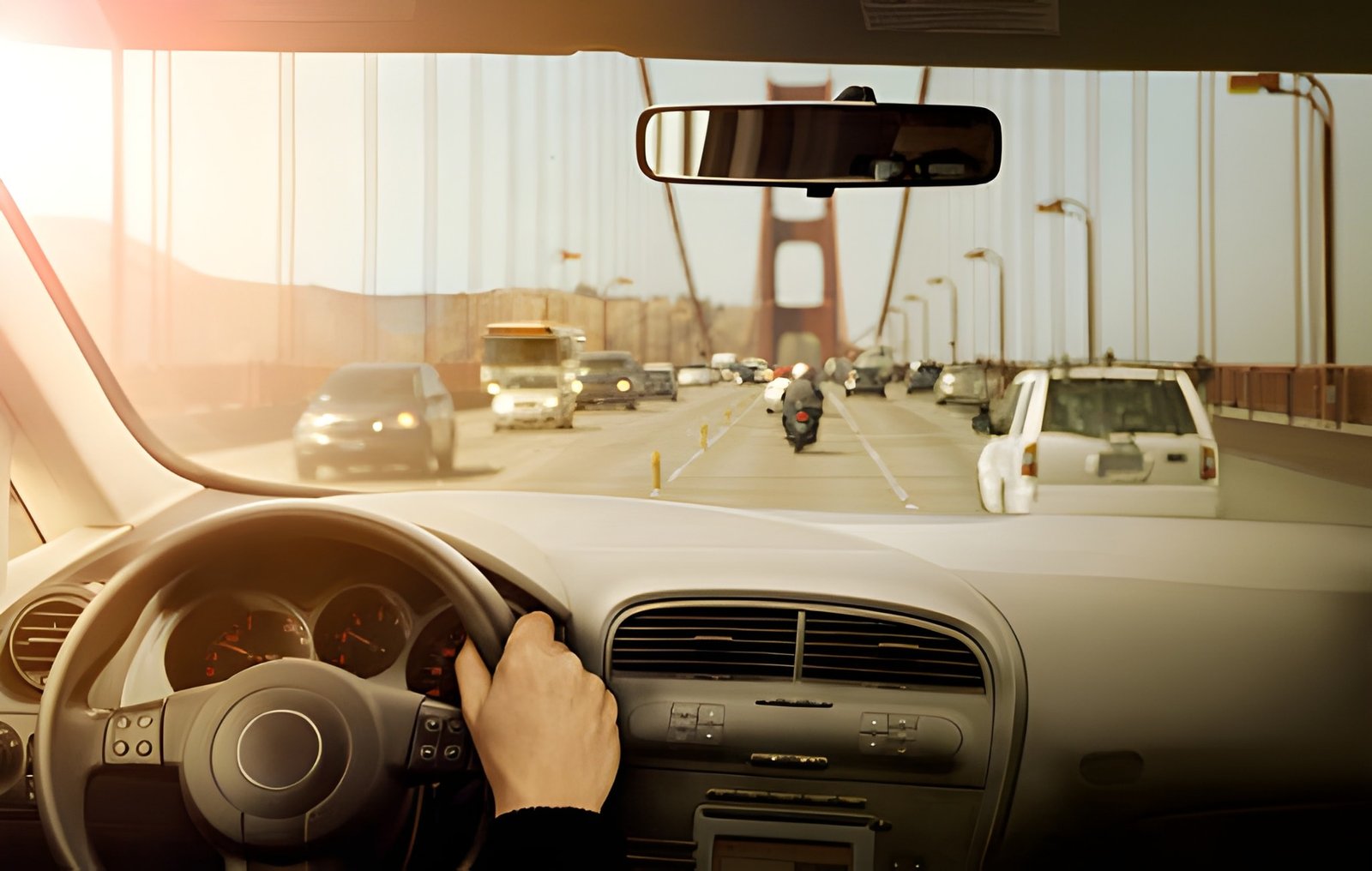
I’m sitting at a red light in Monterey, three hours into what Google Maps optimistically predicted would be a “6-hour drive” from San Francisco to Los Angeles. My passenger—a first-time California visitor—asks the question I’ve heard dozens of times: “Should we have taken the other highway? Everyone said Highway 1 is the scenic route, but we’ve been stopping every twenty minutes and it’s already afternoon.”
This is the fundamental dilemma every SF-to-LA road tripper faces: Highway 1’s legendary coastal beauty versus Highway 101’s faster, more practical inland route. After driving both highways seventeen times over twelve years (sometimes separately, often combining them, once memorably taking the wrong route entirely), I can definitively tell you: the “right” choice depends entirely on your specific circumstances—time available, season, weather, interests, and honestly, your tolerance for two-lane coastal roads with RVs crawling 35 mph ahead of you.
Most guides simply declare “take Highway 1!” without acknowledging that Highway 101 provides its own rewards, or that many savvy travelers strategically combine both routes creating hybrid itineraries superior to either highway alone. This complete comparison breaks down Highway 1 versus Highway 101 with real driving times, costs, seasonal considerations, and specific recommendations for when each route (or combination) makes sense for your San Francisco to Los Angeles drive.
Quick Comparison: Highway 1 vs Highway 101 At a Glance
| Factor | Highway 1 (Coastal) | Highway 101 (Inland) | Hybrid Route |
|---|---|---|---|
| Distance | 470-500 miles (varies by exact route) | 430-440 miles | 450-480 miles |
| Driving Time (no stops) | 11-14 hours | 7-8 hours | 8-10 hours |
| Realistic Time (with stops) | 3-5 days minimum | 1-2 days | 2-3 days |
| Scenery | Dramatic coastal cliffs, beaches | Rolling hills, wine country | Best of both |
| Traffic | Light to moderate | Moderate to heavy | Varies |
| Speed Limits | 25-55 mph (mostly 35-45) | 55-70 mph | Mixed |
| Gas Costs (sedan) | $90-120 | $75-95 | $80-105 |
| Best Season | May-Oct (avoid winter rain) | Year-round | Year-round |
| Road Closures | Frequent (Big Sur landslides) | Rare | Flexible |
| Ideal For | First-timers, photographers, scenic priority | Time-limited, winter travel, efficiency | Balanced experience |
Highway 1: The Legendary Coastal Route
Distance: 470-500 miles (SF to LA)
Pure Driving Time: 11-14 hours
Realistic Trip Duration: 3-5 days minimum
Best For: First-time California visitors, photographers, those prioritizing scenery
Highway 1—officially California State Route 1, portions called Pacific Coast Highway or PCH—delivers the California coast experience everyone imagines: dramatic cliffs dropping to crashing waves, sea lions barking from rock outcrops, fog rolling through cypress trees, and that specific feeling of freedom that comes from driving one of America’s most scenic roads.
The route follows California’s coastline as closely as geography allows, sometimes at sea level beside beaches, other times carved into cliffsides hundreds of feet above the Pacific. Between San Francisco and Los Angeles, you’ll traverse multiple distinct coastal sections: the rugged Mendocino-style coast south of SF, the world-famous Big Sur cliffs, the charming Monterey Peninsula, and eventually Southern California’s beach towns approaching LA.
What Makes Highway 1 Special:
Big Sur (the highlight): The 90-mile stretch between Carmel and San Simeon represents Highway 1’s most dramatic section—winding two-lane road clinging to cliffs, crossing iconic bridges like Bixby Creek, and delivering views that justify every superlative you’ve heard. McWay Falls (waterfall dropping onto beach), Pfeiffer Beach (purple sand and rock arches), and countless pullouts create endless stopping opportunities.
Monterey Peninsula: Carmel-by-the-Sea’s fairytale charm, Monterey’s world-class aquarium, 17-Mile Drive through Pebble Beach, and Point Lobos State Reserve pack remarkable experiences into compact geography. This section alone warrants 1-2 days.
Coastal Towns: Santa Cruz, Half Moon Bay, Cambria, Morro Bay, and others provide rest stops with character—local restaurants, beach access, and small-town atmospheres contrasting urban San Francisco and Los Angeles.
Wildlife: Elephant seals at Piedras Blancas (thousands hauled out on beach), sea otters floating in Monterey kelp beds, migrating gray whales (December-May), and countless seabirds create nature documentary moments throughout the drive.
The Challenges Highway 1 Presents:
Time Consumption: Highway 1 demands patience. Speed limits range 25-55 mph (mostly 35-45 mph), curves prevent passing slow vehicles for miles, and you’ll stop constantly for views. What looks like “6 hours” on GPS realistically takes 3-5 days with proper stops. Rushing Highway 1 defeats the purpose—you’ll arrive frustrated rather than awed.
Road Closures: Big Sur’s dramatic geology means landslides regularly close Highway 1 sections, sometimes for months. The 2017 Pfeiffer Canyon Bridge collapse closed the highway for 14 months. In 2025, check Caltrans QuickMap (quickmap.dot.ca.gov) before your trip—closures mean either postponing or detouring inland via Highway 101, missing coastal sections entirely.
Limited Services: Big Sur spans 90 miles with minimal gas stations, restaurants, or lodging. Gas prices reach $7-8/gallon at the few stations that exist. Cell service barely functions. You must plan fuel stops carefully and carry emergency supplies.
Weather Dependence: Coastal fog often obscures views until afternoon, rain makes the winding road dangerous, and winter storms trigger landslides. Highway 1 shines spring through fall; winter driving requires flexibility and sometimes turns disappointing when fog blankets everything.
Two-Lane Stress: Much of Highway 1 is two-lane road with minimal passing opportunities. Getting stuck behind RVs or nervous drivers crawling 25 mph in 45 mph zones tests patience. Some travelers find this charming and meditative; others find it maddening.
When Highway 1 is the Right Choice:
- First-time California coastal drive
- 4+ days available for SF-to-LA journey
- Spring through fall travel (May-October ideal)
- Scenery absolutely trumps efficiency
- Photography priority
- Comfortable with winding roads
- Flexible itinerary allowing weather-based adjustments
Highway 1 Realistic Itinerary (5 Days):
Day 1: SF to Monterey via Santa Cruz (130 miles, 4-5 hours with stops). Overnight Monterey/Carmel.
Day 2: Explore Monterey Peninsula morning (aquarium, Carmel, 17-Mile Drive). Afternoon drive through Big Sur to Cambria/Morro Bay (90 miles, 4-5 hours). Overnight Cambria.
Day 3: Morning elephant seals and Hearst Castle. Drive to Santa Barbara via San Luis Obispo (100 miles, 3-4 hours). Afternoon/evening Santa Barbara. Overnight Santa Barbara.
Day 4: Morning Santa Barbara. Drive to Malibu (75 miles, 2-3 hours). Explore Malibu beaches afternoon. Overnight Malibu or continue to LA.
Day 5: Final stretch Malibu to LA (30 miles, 1-2 hours depending on traffic).
Highway 101: The Practical Inland Route
Distance: 430-440 miles (SF to LA)
Pure Driving Time: 7-8 hours
Realistic Trip Duration: 1-2 days
Best For: Time-limited travelers, winter trips, business + leisure combinations
Highway 101—US Route 101—provides the efficient alternative following California’s interior valleys and occasionally touching coast. While it lacks Highway 1’s continuous ocean views, dismissing 101 as purely functional ignores its own considerable rewards: wine country access, historic missions, charming towns, and sections that absolutely do hug the coast delivering ocean views without Highway 1’s time commitment.
What Makes Highway 101 Valuable:
Speed and Reliability: Most of 101 runs as freeway or four-lane highway with 55-70 mph speeds. You’ll cover ground three times faster than Highway 1’s crawl, arriving LA from SF in one long day if necessary (though two days feels far more civilized).
Weather Independence: Inland route means fog rarely impacts visibility, rain is less problematic than coastal sections, and winter travel remains feasible when Highway 1 becomes miserable or closes entirely.
Wine Country Access: Highway 101 passes directly through or near California’s premier wine regions—Sonoma County (Healdsburg, Santa Rosa), Paso Robles, and Santa Ynez Valley near Santa Barbara. Wine enthusiasts can structure trips around tastings without Highway 1’s distance from vineyards.
Mission Trail: 101 roughly follows El Camino Real connecting California’s 21 Spanish missions. History buffs can visit Mission San Luis Obispo, Mission Santa Barbara, Mission San Juan Bautista and others—cultural context Highway 1 largely misses.
Coastal Sections: People assume 101 stays completely inland, but significant stretches actually hug the coast providing ocean views: Ventura to Santa Barbara (beautiful), around Pismo Beach, and sections near San Luis Obispo. You’ll get coastal scenery without Highway 1’s time tax.
Strategic Town Access: 101 connects charming towns worth exploring—San Luis Obispo (college town with great food), Solvang (Danish village), Santa Barbara (American Riviera), and others that make excellent overnight stops with dining and lodging options exceeding Highway 1’s limited services.
Highway 101’s Limitations:
Less Dramatic Scenery: 101’s inland route means no Big Sur cliffs, no McWay Falls, no dramatic coastal vistas defining California road trip fantasies. The scenery is pleasant—rolling hills, agricultural valleys, occasional ocean views—but not iconic.
More Traffic: 101 serves as major north-south artery meaning heavier traffic, particularly approaching urban areas. Los Angeles-area 101 becomes parking lot during rush hours (3-7 PM typically).
Tourist Expectations: First-time visitors often feel disappointed if they take 101 having heard about California’s legendary coastal drive. Managing expectations is crucial—101 provides efficient, pleasant journey, not jaw-dropping coastal adventure.
When Highway 101 Makes Perfect Sense:
- Limited time (need SF-to-LA in 1-2 days)
- Winter travel when Highway 1 weather is questionable
- Wine country interest exceeds coastal scenery priority
- Highway 1 is closed due to landslides
- You’ve previously done Highway 1 and want different experience
- Business trip with leisure time to explore wine regions
- Comfortable with more traffic and faster highway driving
Highway 101 Realistic Itinerary (2 Days):
Day 1: SF to San Luis Obispo/Paso Robles (240 miles, 4-5 hours). Morning departure, lunch stop Salinas or Gilroy. Afternoon arrival SLO area. Evening wine tasting Paso Robles or downtown SLO exploration. Overnight SLO/Paso Robles.
Day 2: SLO to LA (200 miles, 4-5 hours). Morning SLO farmers market or breakfast. Drive through Santa Ynez Valley wine country (optional tastings). Lunch Santa Barbara. Afternoon drive to LA avoiding rush hour (depart Santa Barbara by 1 PM). Evening arrival LA.
The Hybrid Route: Combining the Best of Both Highways
Here’s what savvy California road-trippers know: you don’t have to choose between Highway 1 and Highway 101 exclusively. The highways intersect multiple times between SF and LA, allowing strategic combinations that deliver Highway 1’s best sections without the exhaustion of driving every coastal mile.
The Classic Hybrid (3-4 Days):
This route captures Highway 1’s highlights while using 101 for efficiency through less compelling sections.
SF to Monterey: Take Highway 1 the entire way (130 miles, 4-5 hours). This section includes Santa Cruz, beautiful coast, and ends at Monterey Peninsula. Worth experiencing fully.
Monterey through Big Sur: Highway 1 exclusively—this 90-mile section is the main event. No shortcuts. Allow full day with overnight in Cambria or San Simeon.
Cambria to Santa Barbara: Here’s where smart hybrid routing shines. Instead of continuing Highway 1 (which merges with 101 anyway through this section), take 101 directly from San Luis Obispo to Santa Barbara (100 miles, 1.5-2 hours). You’ll save 2 hours and miss very little—Highway 1 between SLO and Santa Barbara is pleasant but not spectacular.
Santa Barbara to LA: Your choice. Highway 1 through Malibu adds ocean views and beach towns (90 miles, 2-3 hours). Highway 101 gets you there faster (90 miles, 1.5-2 hours without traffic). I typically take 101 to Ventura, then switch to Highway 1 for final Malibu-to-LA stretch capturing best of both.
The Wine Country Hybrid (3-4 Days):
For couples prioritizing wine over coast:
SF to Healdsburg: Highway 101 directly to Sonoma wine country (75 miles, 1.5 hours). Skip coastal section.
Healdsburg area: 1-2 nights wine tasting and exploring Sonoma/Dry Creek/Alexander valleys.
Healdsburg to Paso Robles: Highway 101 directly (240 miles, 4 hours). Stop briefly in Salinas or San Luis Obispo.
Paso Robles: 1 night wine tasting Central Coast’s affordable wine region.
Paso Robles to Santa Barbara: Highway 101 (100 miles, 1.5 hours) with optional detour to Santa Ynez Valley wine country.
Santa Barbara to LA: Either highway works.
The Return Trip Strategy:
Most travelers overlook this brilliant option: take one highway going, the other returning. If you live in Bay Area or LA and can do round-trip:
Southbound: Highway 1 the entire way, allowing 4-5 days to savor coastal beauty without rushing.
Northbound: Highway 101 directly, covering ground efficiently in 1-2 days.
This strategy provides full Highway 1 experience without the exhaustion of retracing your route, and you’ll see completely different California geography on the return.
Cost Comparison: Highway 1 vs Highway 101
Real costs for SF-to-LA drive (2 people, mid-range travel style):
Highway 1 (5 days):
- Gas: $110-140 (average sedan, 30 mpg, $5/gallon average)
- Accommodations: $800-1,500 (4 nights, $200-375/night)
- Meals: $400-700 (dining out most meals)
- Activities: $100-250 (Monterey Aquarium $120, Hearst Castle $50, 17-Mile Drive $12, other stops)
- Total: $1,410-2,590 for two people
Highway 101 (2 days):
- Gas: $75-95
- Accommodations: $300-600 (1-2 nights)
- Meals: $150-300
- Activities: $50-150 (wine tastings, missions)
- Total: $575-1,145 for two people
Hybrid Route (3 days):
- Gas: $90-120
- Accommodations: $500-900 (2-3 nights)
- Meals: $250-450
- Activities: $100-200
- Total: $940-1,670 for two people
Budget variables include accommodation choices (camping vs. hotels vs. luxury resorts), dining preferences (picnics vs. restaurants), and wine tasting ambitions (can add $50-150/day for serious wine touring).
Seasonal Considerations: When to Take Which Route
Spring (March-May):
- Highway 1: Ideal. Wildflowers bloom, weather stabilizes, crowds manageable.
- Highway 101: Excellent. Wine country beautiful, comfortable temperatures.
- Recommendation: Either works perfectly. Choose based on time/interests.
Summer (June-August):
- Highway 1: Coastal fog often obscures views until afternoon. Crowds peak. Prices highest. But longest daylight hours.
- Highway 101: Hot inland (90-100°F+ in valleys), but wine country and Santa Barbara remain pleasant.
- Recommendation: Highway 1 if you can handle crowds and start drives late morning (letting fog burn off). 101 if visiting wine regions with afternoon tasting schedules.
Fall (September-October):
- Highway 1: Peak season. Clearest weather, warm ocean temperatures, spectacular light for photography.
- Highway 101: Harvest season in wine country. Absolute prime time for wine touring.
- Recommendation: Both excel. This is California’s best season for either route.
Winter (November-February):
- Highway 1: Rain triggers landslides (closures), fog frequent, cold ocean, some businesses reduced hours. Dramatic storm watching if you embrace it.
- Highway 101: Reliable. Wine country quieter and discounted. Practical choice.
- Recommendation: Highway 101 strongly preferred unless you’re specifically seeking moody, dramatic winter coast and accepting closure risks.
Road Conditions and Closure Updates (2025)
Highway 1 Closure Reality:
Big Sur’s section of Highway 1 closes periodically—sometimes for days, sometimes for months—due to landslides triggered by heavy rain. Recent major closures include:
- 2017: Mud Creek landslide buried 0.25 miles of highway; took 14 months to repair
- 2021: Storm damage closed sections multiple times
- Ongoing: Smaller closures happen annually
Check before you go: Caltrans QuickMap (quickmap.dot.ca.gov) provides real-time closure information. Highway 1 closures force detours to Highway 101, meaning you’ll miss coastal sections entirely.
Highway 101: Rarely closes. As major north-south thoroughfare, 101 receives priority maintenance and alternate routes exist for any issues.
Traffic Patterns and Best Departure Times
Leaving San Francisco:
- Avoid weekday 7-10 AM southbound (commute traffic)
- Best departure: Early morning (6-7 AM) or late morning (10 AM+)
- Weekend mornings see lighter traffic
Approaching Los Angeles:
- LA traffic nightmare hours: 3-7 PM weekdays
- Arrive LA before 3 PM or after 8 PM to avoid worst congestion
- Sunday evenings particularly bad (weekend travelers returning)
Strategy: Structure your overnight stops so final LA approach happens off-peak. Staying Santa Barbara night before means morning LA arrival avoiding rush hour.
Accommodation Planning: Where to Stay
Highway 1 Route:
- Night 1: Monterey, Carmel, or Pacific Grove (Monterey Peninsula)
- Night 2: Cambria, San Simeon, or Morro Bay (post-Big Sur)
- Night 3: Santa Barbara
- Optional Night 4: Malibu or Ventura
Book Monterey/Carmel/Big Sur area 6-8 weeks ahead summer/fall. Cambria books lighter; Santa Barbara requires 3-4 weeks advance for decent rates.
Highway 101 Route:
- Night 1: San Luis Obispo or Paso Robles (wine country access)
- Optional Night 2: Santa Barbara
101 accommodations more available, though Santa Barbara still warrants advance booking.
Frequently Asked Questions
Can you drive San Francisco to Los Angeles in one day?
Physically yes, but whether you should depends on which route. Highway 101 allows SF-to-LA in one long day (7-10 hours depending on stops and traffic)—exhausting but feasible if necessary. Highway 1 requires 11-14 hours pure driving time plus stops, making one-day drive miserable and defeating the scenic purpose. If you have only one day, take 101 or fly. Highway 1 deserves minimum 3 days.
Which is faster, Highway 1 or Highway 101?
Highway 101 is significantly faster. Pure driving time: 7-8 hours (101) vs. 11-14 hours (Highway 1). Factor in stops and realistic travel: 1-2 days (101) vs. 3-5 days (Highway 1). If time is limited, 101 makes sense. If you have time flexibility, Highway 1’s beauty justifies the extra days.
Is Highway 1 worth the extra time?
Absolutely yes if it’s your first California coastal drive and you have 4+ days available. Highway 1’s Big Sur section ranks among America’s most spectacular drives—the extra time investment is justified by jaw-dropping scenery. However, Highway 1 is NOT worth it if: you have fewer than 3 days, you’re visiting winter when weather is questionable, sections are closed, or you’ve previously done the drive. Highway 101 delivers pleasant, efficient journey that shouldn’t be dismissed as inferior—it’s different, not worse.
Can you combine Highway 1 and Highway 101?
Yes, and this is often the smartest strategy. The highways intersect multiple times between SF and LA. Take Highway 1 for Big Sur (the must-see section), use 101 for faster sections where Highway 1 offers minimal advantage. The hybrid approach captures best of both without Highway 1’s time commitment or 101’s missed scenery. See “Hybrid Route” section for specific itineraries.
What happens if Highway 1 is closed during my trip?
Check closure status before departing at Caltrans QuickMap. If Big Sur section is closed, you have options: (1) Drive Highway 1 to the closure point from north, turn around, detour to 101, access Highway 1 again from south for sections below closure. This adds significant time and backtracking. (2) Take Highway 101 the entire way, accepting you’ll miss coastal sections. (3) Postpone your trip until Highway 1 reopens. Unfortunately, closures sometimes last months—flexibility is essential when planning Highway 1 drives.
Which direction should I drive—San Francisco to LA or LA to San Francisco?
Most guides recommend south-to-north (SF to LA) because you drive in the lane closest to ocean views with easiest pullout access. However, both directions provide equally stunning scenery. Choose based on your origin—if you live in Bay Area, go south; if you’re in LA, go north. Don’t stress over direction. One clever option: do round-trip taking Highway 1 one direction, Highway 101 returning.
How much does gas cost for SF to LA drive?
Highway 1: $110-140 for average sedan (30 mpg), $140-180 for SUV/truck (20 mpg). Highway 101: $75-95 sedan, $95-120 SUV. Variables include vehicle fuel efficiency, gas prices ($4.50-8.00/gallon depending on location—Big Sur stations hit $7-8), and how much idling in traffic. Always fill up in cities before entering Big Sur where gas availability is limited and prices inflated.
Final Verdict: Which Route is Right for You?
After seventeen drives between San Francisco and Los Angeles via various route combinations, here’s my honest assessment:
Choose Highway 1 if: This is your first California coastal drive and you have 4+ days available. The scenery justifies the time investment, and rushing Highway 1 creates frustration rather than wonder. You’ll arrive with memories and photos you’ll treasure for decades.
Choose Highway 101 if: You have fewer than 3 days, you’re visiting November-March when Highway 1 weather is questionable, you prioritize wine country over coast, you’ve previously driven Highway 1, or sections are closed. Highway 101 provides perfectly pleasant journey that gets undeserved reputation as merely functional.
Choose the Hybrid Route if: You want Highway 1’s best sections (Big Sur especially) without committing to every coastal mile, you have 3-4 days available, or you’re combining beach scenery with wine tasting. The hybrid delivers satisfying balance most travelers find ideal.
The truth nobody admits: Many first-time Highway 1 drivers arrive exhausted and slightly disappointed because they underestimated the time required and overestimated their patience for slow, winding roads. Meanwhile, Highway 101 travelers often discover unexpected rewards—wine country, missions, charming towns—that create memorable experiences without Highway 1’s pressure to love every vista.
Both routes connect San Francisco to Los Angeles beautifully. Your mission is choosing (or combining) them based on your authentic interests and realistic timeframe rather than blindly following the “Highway 1 is best” conventional wisdom. Sometimes the “less scenic” route actually creates the better trip because it matches your available time and genuine interests.
Start planning your SF-to-LA drive by first determining your available time. Then check Highway 1 closure status and seasonal weather. Finally, choose your route based on what you’ll actually enjoy rather than what you think you should do. California’s beauty reveals itself on both highways—you just need to pick the journey matching your circumstances.
Safe travels, and whether you take Highway 1, Highway 101, or combine both, you’re in for a spectacular California adventure.
