
After calling San Francisco home for over a decade, I’ve watched countless friends and family members plan their first (and second, and third) trips to the city. And while I love playing tour guide, I’ve noticed the same planning mistakes happening over and over again—from booking hotels in sketchy neighborhoods to missing the city’s best hidden gems because they focused only on the tourist checklist.
So whether you’re planning a romantic weekend getaway, a family adventure, or a solo exploration of the Bay Area, I’m sharing everything I wish I’d known before my first SF visit, plus the insider secrets that only locals know. Trust me, these tips will save you time, money, and probably a few headaches too.
Quick San Francisco Trip Planning Checklist
Before we dive deep, here’s your at-a-glance planning guide:
Best Time to Visit: September-October (warmest) or April-May (greenest)
Ideal Trip Length: 5-7 days for first-timers, 3-4 minimum
Budget Range: $150-300 per person per day
Must-Have Apps: Clipper Card, Citymapper, Clear Outside weather
Essential Packing: Layers, comfortable walking shoes, waterproof jacket
Transportation: Clipper Card for public transit, rideshares for convenience
Top Neighborhoods: North Beach (authentic), Mission (hip), Marina (upscale)
How Long Should You Stay in San Francisco? (The Local’s Perspective)
Here’s what most planning guides won’t tell you: the “perfect” SF trip length depends entirely on what type of traveler you are, not just how many attractions you want to see. I’ve seen people try to cram everything into 48 hours and leave exhausted, while others spend a week here and barely scratch the surface because they didn’t plan strategically.
For first-timers who want the greatest hits without feeling rushed, three to four days is the sweet spot. You’ll cover Fisherman’s Wharf, Golden Gate Bridge, Alcatraz, and still have time to wander through a few neighborhoods like North Beach or the Mission. But honestly, if you can swing five to seven days, that’s my personal recommendation. You’ll have time to really understand SF’s neighborhood personalities, take a day trip to Napa or Muir Woods, and discover those hole-in-the-wall spots that make locals fall in love with this city.
If you’re planning eight or more days, you’re in for the full local experience. You’ll have time for multiple day trips, can explore every neighborhood at a leisurely pace, and might even catch some seasonal events or farmers markets. Just keep in mind that if you’re visiting between June and August, add an extra day to your plans. Summer fog can disrupt outdoor plans, so having buffer time means you won’t miss the Golden Gate Bridge completely shrouded in clouds.
Pro tip for families: Add one extra day to whatever you initially planned. Kids need more time between activities, and San Francisco’s hills can be tiring for little legs. Plus, you’ll want buffer time for playground stops in Golden Gate Park or impromptu ice cream breaks in Ghirardelli Square.
When to Visit San Francisco: Month-by-Month Local Insights
The weather reality check nobody talks about starts with understanding that San Francisco’s weather is honestly one of the most misunderstood aspects of visiting here. People expect that sunny California stereotype, but we have our own weird micro-climate system that can catch even seasoned travelers off guard.
Spring in San Francisco (March-May) – My Personal Favorite
March: Average high 61°F, low 48°F
This is when the city starts waking up from winter. The hills are still green from winter rains, and you’ll catch those first warm, sunny days that make locals remember why we pay so much rent. Pack layers—morning fog gives way to afternoon sunshine, but evenings cool down quickly.
April: Average high 63°F, low 49°F
Peak wildflower season in Golden Gate Park and surrounding areas. This is when I take all my visiting friends to Land’s End and the Presidio because everything is lush and green. Perfect weather for walking tours and outdoor dining.
May: Average high 64°F, low 51°F
Possibly the most consistently pleasant weather of the year. Clear skies, minimal fog, and comfortable temperatures for exploring. This is prime time for Bay Area day trips before summer fog season hits.
Summer in San Francisco (June-August) – The Foggy Season
June: Average high 67°F, low 54°F
Here’s where visitors get surprised. June can actually be cooler than May as our marine layer (fog) starts becoming more consistent. Pack that jacket I keep mentioning—you’ll need it.
July: Average high 68°F, low 56°F
Peak fog season. While inland California bakes in 90+ degree heat, we’re sitting here in the 60s with thick fog rolling in every afternoon. It’s atmospheric and beautiful, but not beach weather.
August: Average high 69°F, low 57°F
Similar to July but sometimes clearer toward the end of the month. This is when locals escape to wine country or the Central Valley for actual warm weather.
Fall in San Francisco (September-November) – Indian Summer Magic
September: Average high 71°F, low 58°F
Our warmest, clearest month. This is when San Francisco shows off—perfect weather, minimal fog, and that golden light that makes every photo look professional. Book accommodations early; everyone knows this secret.
October: Average high 69°F, low 56°F
Still gorgeous weather with the added bonus of fewer crowds as tourist season winds down. Perfect for outdoor activities and those Golden Gate Bridge photos you’ve been planning.
November: Average high 63°F, low 50°F
Weather starts becoming more unpredictable, but you can still catch beautiful clear days. This is when hotel rates drop, making it budget-friendly for savvy travelers.
Winter in San Francisco (December-February) – Underrated Season
December: Average high 58°F, low 46°F
Actually not much different from our summer temperatures. The main difference is occasional rain, which means you’ll want waterproof gear. Holiday decorations around Union Square and Ghirardelli Square add festive charm.
January-February: Average high 58-59°F, low 46-47°F
Our “rainy season,” though it’s nothing compared to other climates. This is when you get the most dramatic Golden Gate Bridge views because the fog clears out. Hotel rates are lowest, and you’ll have attractions mostly to yourselves.
Choosing Your San Francisco Neighborhood Like a Local Would
Most visitors book hotels based on price or proximity to tourist attractions, but that’s honestly a mistake. In SF, your neighborhood choice determines your entire experience, and what looks good on a map might not translate to the vibe you’re actually looking for.
Union Square – Central But Chaotic
Union Square gets recommended constantly because it’s central and walkable to many attractions, but living here has taught me it’s not always the best choice. Yes, it’s convenient, and you can walk to cable cars and shopping, but it can also feel overwhelmingly touristy and a bit chaotic, especially in the evenings. The area can get sketchy after dark, with more homeless encampments and petty crime than other neighborhoods.
If you do stay here, splurge on a room with a view—at least you’ll have something beautiful to look at when you retreat from the crowds. The shopping is excellent with major department stores and local boutiques, and you’re walking distance to theater district shows.
North Beach – The European Village Experience
I’m actually a huge fan of staying in North Beach if you want that authentic San Francisco feel without sacrificing convenience. It’s got this wonderful European village vibe with incredible Italian restaurants, historic jazz clubs, and those steep, winding streets lined with Victorian houses. You’re walking distance to Chinatown and Fisherman’s Wharf, but when you come home in the evening, you feel like you’re in a real neighborhood rather than a tourist zone.
The coffee culture here is unmatched—grab an espresso at Graffeo Coffee Roasting Company (since 1935) and watch the neighborhood come alive. Washington Square Park becomes your local green space, and you’ll find yourself joining locals for their morning tai chi or afternoon bocce ball games.
The Mission District – Creative Heart of the City
The Mission is where I’d send friends who want to experience the creative, diverse heart of San Francisco. The street art scene is incredible, the food is some of the best in the city (and the most affordable), and the nightlife is vibrant. It can feel a bit grittier than other neighborhoods, but that’s part of its authentic charm.
Just know that it gets significantly warmer here than in other parts of the city—sometimes 15-20 degrees warmer than the coast. This microclimate phenomenon means you can escape the fog by taking a 20-minute bus ride. The Mission also has the best concentration of food trucks, late-night eateries, and craft cocktail bars.
Marina District and Pacific Heights – Upscale Residential Charm
For something more upscale and quiet, consider the Marina or Pacific Heights. These neighborhoods have a more residential feel with tree-lined streets, beautiful architecture, and easy access to the Presidio and Golden Gate Bridge. The downside is that you’ll need to take transit or rideshares to reach many attractions, but if you prefer a peaceful retreat after busy sightseeing days, it’s worth considering.
The Marina is particularly great for joggers and outdoor enthusiasts—you’re steps from Crissy Field and the Golden Gate Promenade. Pacific Heights offers stunning Victorian architecture and some of the city’s best views, but prices reflect the exclusivity.
Embarcadero and SOMA – Business District Convenience
The Financial District and South of Market (SOMA) offer modern hotels with excellent amenities, and you’re walking distance to the Ferry Building, Oracle Park (if you want to catch a Giants game), and the Bay Bridge. However, these areas can feel pretty dead on weekends and evenings when office workers go home.
The Embarcadero waterfront is beautiful for morning runs or evening strolls, and you’re centrally located for both business and leisure activities. Just be aware that some parts of SOMA, particularly near the Civic Center, can be rough around the edges.
Castro District – LGBTQ+ Culture and Victorian Architecture
The Castro is a historic neighborhood with incredible Victorian architecture and a vibrant LGBTQ+ scene. It’s safe, walkable, and has great restaurants and bars. You’re also convenient to Twin Peaks for panoramic city views and close to several Muni lines for easy transportation around the city.
Sunset and Richmond – Family-Friendly and Fog-Forward
These outer neighborhoods are perfect for families or budget-conscious travelers. You’re close to Golden Gate Park, Ocean Beach, and some of the city’s best Asian restaurants. However, they’re also the foggiest and windiest parts of the city, and you’ll need public transit to reach most attractions. Vacation rentals here offer much better value than downtown hotels.
San Francisco Transportation: Navigate Like a Local
One of the things I love most about San Francisco is that you genuinely don’t need a car to have an amazing trip. The city is compact, walkable (if you don’t mind hills), and has decent public transit. But there are definitely some insider tricks that can save you time and frustration.
The Clipper Card Revolution
First, get a Clipper Card on your phone immediately when you arrive. Seriously, before you even leave the airport. It works on everything—buses, cable cars, BART, ferries—and you’ll save money from your very first ride. Plus, you won’t be that tourist fumbling with exact change while a line of impatient commuters builds up behind you.
You can add it to your Apple Wallet or Google Pay, and it automatically calculates the best fare options. For example, if you take multiple rides in one day, it caps your spending at the day pass rate. The system is much smarter than buying individual tickets.
Cable Car Insider Secrets
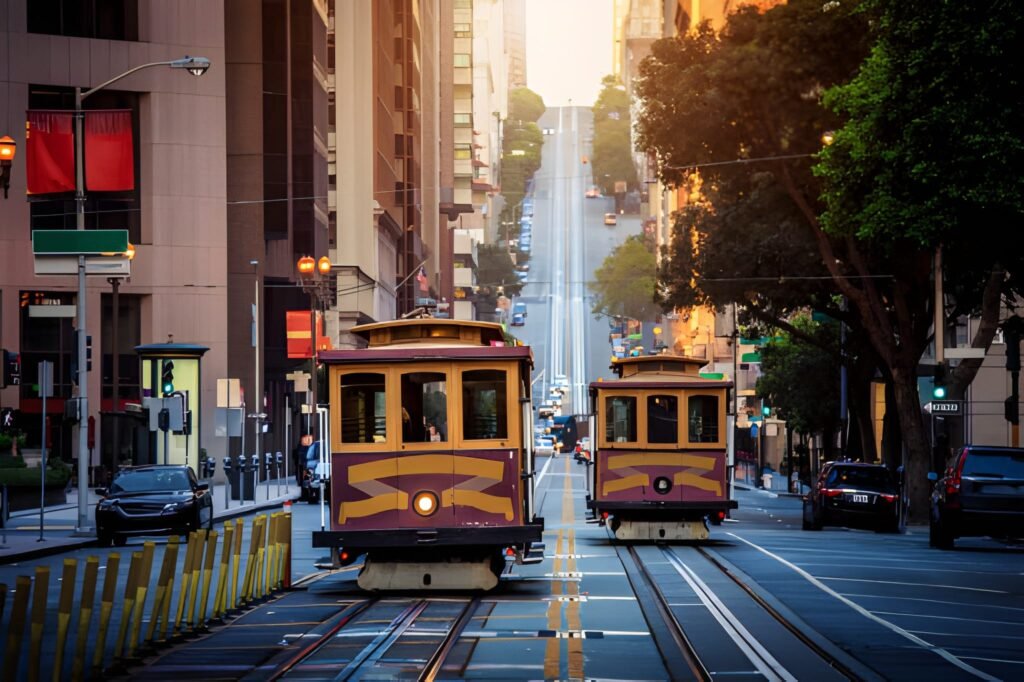
Speaking of cable cars, they’re absolutely worth riding, but most people do it wrong. Don’t wait an hour in line at the Powell-Hyde terminus like every other tourist. Instead, walk a few blocks to less popular stops like California and Van Ness, or better yet, take the California line, which is less crowded and actually gives you better views of the neighborhoods.
The best photo opportunity is when you crest Russian Hill—turn around and you’ll get that classic Golden Gate Bridge shot that everyone posts on Instagram. Pro tip: Cable car operators appreciate tips for good service, especially if you ask them to ring the bell for photos.
BART for Regional Travel
For longer distances or when you’re tired from all those hills, rideshares work great, but be prepared for surge pricing during events or bad weather. BART is fantastic for getting around the Bay Area—it’ll take you to the airport, across to Oakland, or down to Silicon Valley—but it doesn’t cover much of the city itself.
BART connects to several key destinations: SFO Airport (45 minutes), Berkeley (30 minutes), Oakland (20 minutes), and even extends to San Jose. If you’re planning day trips to wine country or want to explore Oakland’s food scene, BART is your most economical option.
Muni Bus System Navigation
That’s where Muni buses come in, and while they’re not always the fastest option, they’ll get you practically anywhere for just a few dollars. Key bus lines to know:
- 38 Geary: Runs east-west from downtown to Ocean Beach
- 1 California: Connects downtown to Richmond District and Golden Gate Park
- 14 Mission: Runs from downtown through the Mission to Daly City
- 30 Stockton: Connects Chinatown to Marina District via Union Square
Download the Citymapper app—it’s infinitely better than Google Maps for San Francisco public transit and shows real-time arrivals.
Ride-Sharing and Taxis
Uber and Lyft work well throughout the city, but there are some local considerations. Surge pricing can get extreme during events (Giants games, concerts at Chase Center), bad weather, or New Year’s Eve. Traditional taxis are still available and don’t surge price, though they’re less convenient for payment and pickup.
For airport trips, rideshares pick up from specific designated areas at SFO, while taxis have dedicated lanes. During peak travel times, the taxi line often moves faster than waiting for a rideshare.
Walking and Hills Strategy
San Francisco’s hills are no joke, but there’s strategy to conquering them. East-west streets generally have gentler grades than north-south streets. If you’re walking from downtown to North Beach, take Grant Avenue or Stockton Street rather than Powell Street.
Invest in comfortable walking shoes with good traction—San Francisco’s sidewalks can be slippery when wet or foggy. Many locals wear sneakers with everything for this exact reason.
The Real San Francisco Food Scene (Beyond Tourist Traps)
Living here for ten years has taught me that the best food in San Francisco has nothing to do with Fisherman’s Wharf or those overpriced restaurants near Union Square. The real food scene is in the neighborhoods, and once you know where locals actually eat, you’ll understand why we’re so passionate about this city.
Mission District – Food Paradise
The Mission District is hands down the best neighborhood for authentic, affordable food. This is where you’ll find the legendary Mission burritos that started a nationwide craze. La Taqueria on 24th Street is my go-to—get a super burrito with carnitas and don’t let them add rice (it’s controversial, but locals know rice doesn’t belong in a proper Mission burrito).
But the Mission is so much more than burritos. Tartine Bakery revolutionized San Francisco’s bread game and still draws lines around the block for their country bread and pastries. Foreign Cinema offers dinner and a movie in their outdoor courtyard, showing classic films while you eat California-Mediterranean cuisine.
For late-night eats, El Farolito stays open until 3 AM serving some of the city’s best al pastor, while Pizzeria Delfina makes Neapolitan-style pizza that locals consider among the best in the city.
Chinatown – Authentic Asian Cuisine
San Francisco’s Chinatown is the oldest in North America and offers some of the most authentic and affordable Chinese food outside of Asia, but you have to know where to go. Skip the touristy places on Grant Avenue and head to Hong Kong Lounge for dim sum, or venture into the smaller alleys for noodle shops where the menus are only in Chinese and you point at what looks good.
Z&Y Restaurant serves authentic Sichuan cuisine that will make your mouth numb in the best way possible, while City View Restaurant offers reliable dim sum without the crowds of more famous spots. For late-night Chinese-American comfort food, Sam Wo Restaurant has been serving noodle soups and congee since 1907.
North Beach – Italian-American Heritage
For a more upscale experience that still feels authentically San Francisco, North Beach is where you want to be. This is where the Italian-American community has been cooking for over a century, and places like Tony’s Little Star Pizza (deep dish that rivals Chicago) or Mama’s (for brunch, but be prepared to wait) serve food that locals still line up for.
Molinari Delicatessen has been making salami and sandwiches since 1896, while Liguria Bakery sells focaccia that’s so good they often sell out by noon. The coffee culture here is also amazing—grab an espresso at Graffeo Coffee or Mario’s Bohemian Cigar Store Cafe and watch the neighborhood come alive.
Valencia Corridor – Modern California Cuisine
The Valencia Street corridor between 16th and 24th Streets represents San Francisco’s modern food scene. State Bird Provisions (when you can get a reservation) revolutionized the dim sum cart concept with California ingredients. The Morris offers upscale American food in a beautiful historic setting.
For more casual but equally delicious options, Lazy Bear provides a unique communal dining experience, while Flour + Water serves handmade pasta that locals consider the best in the city.
Richmond and Sunset – Asian Food Paradises
The Richmond District, particularly Geary Boulevard, offers incredible Asian food that rivals any major Asian city. Ton Kiang serves some of the best dim sum in the city, Burma Superstar offers Burmese cuisine that always has a line, and Hong Kong Lounge II provides excellent dim sum in a more spacious setting than its Chinatown counterpart.
The Sunset District specializes in Chinese food, particularly along Irving Street and Noriega Street. San Tung is famous for chicken wings that people drive across the city for, while Kingdom of Dumpling offers Shanghai-style soup dumplings that rival any you’ll find in Asia.
Timing Your Must-See San Francisco Attractions
After years of visiting these places with out-of-town guests, I’ve figured out the best times to see San Francisco’s iconic attractions without feeling like you’re in a theme park. It makes a huge difference in your experience, and honestly, sometimes a little planning can turn a frustrating tourist trap into a magical moment.
Alcatraz Island – Planning and Timing Strategy
Alcatraz is absolutely worth doing, but book your tickets two to three weeks in advance, especially if you’re visiting in summer or want to do the sunset tour. The night tours are actually my favorite recommendation for visitors—they’re less crowded, more atmospheric, and you get incredible views of the city lights on the ferry ride back. Plus, the audio tour feels more dramatic in the dark.
Day tours run every 30-45 minutes, but I recommend the first or last ferry of the day to avoid crowds. The audio tour, narrated by former inmates and guards, is genuinely fascinating and takes about 45 minutes. Budget 2.5-3 hours total including ferry time.
Insider tip: Bring layers. It’s often 10-15 degrees colder and windier on the island than in downtown San Francisco.
Golden Gate Bridge – Fog and Photography Strategy
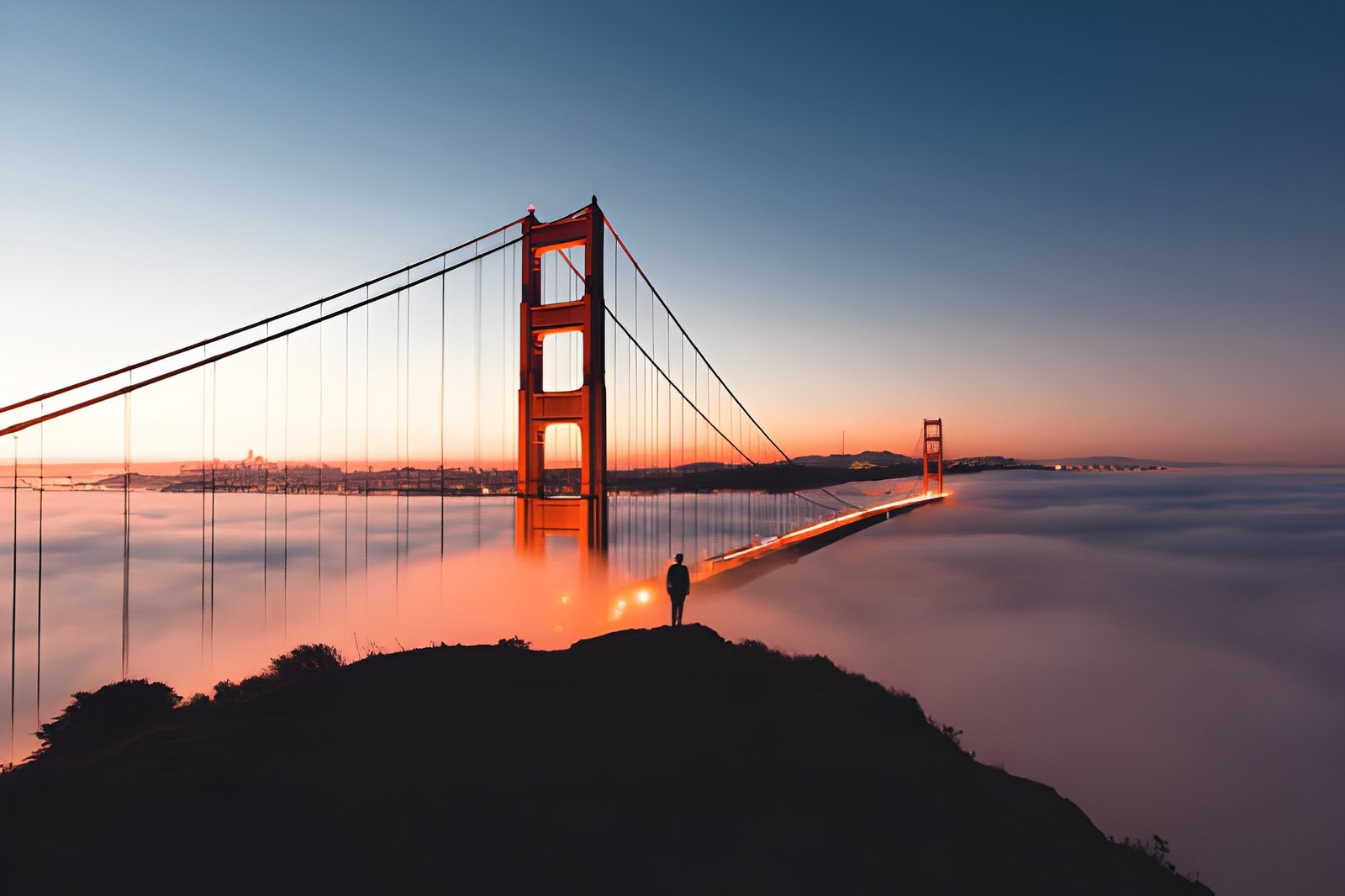
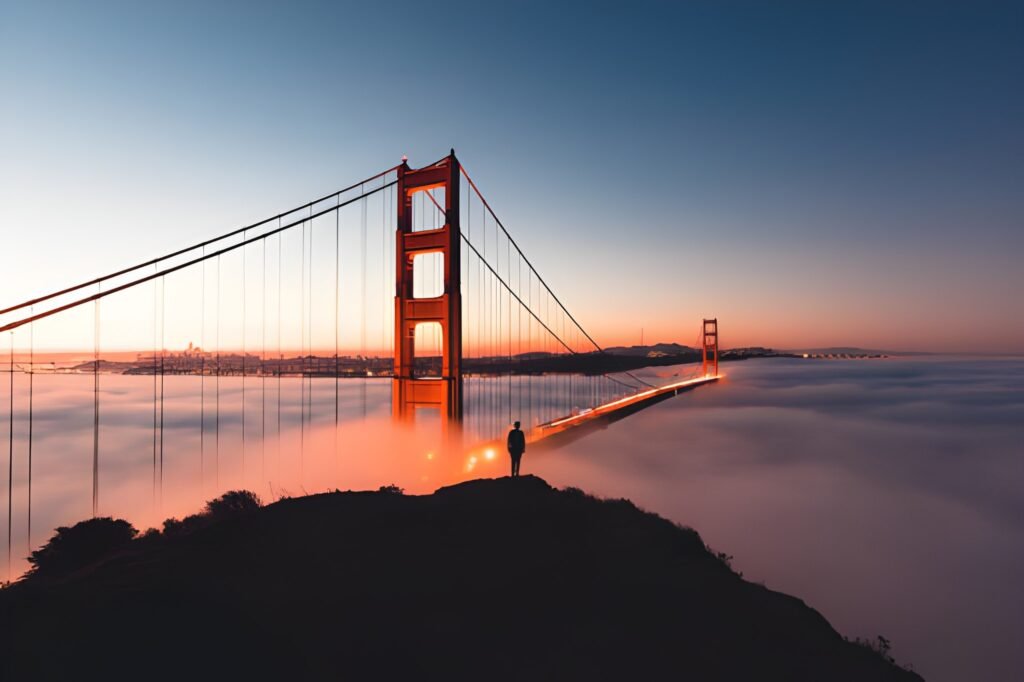
For the Golden Gate Bridge, timing is everything because of our fog patterns. In summer, your best bet is early morning before the fog rolls in around noon, or late afternoon when it sometimes clears. If you’re here in fall or spring, you have more flexibility, but the light is still most beautiful in the early morning or before sunset.
Best viewing spots by experience level:
- Battery Spencer: Classic postcard view, but gets crowded
- Crissy Field East Beach: Better angle with city skyline background
- Marin Headlands: Most dramatic views but requires driving or hiking
- Golden Gate Bridge Welcome Center: Easy access with gift shop and café
Photography tip: Use the Spyglass or Clear Outside weather apps to check fog conditions before heading out. If the bridge is completely socked in, wait a few hours or try again the next day.
Lombard Street – Avoiding the Crowds
Lombard Street is one of those attractions that’s genuinely beautiful but gets ruined by crowds. If you absolutely have to see it, go before 8 AM or after 6 PM. But honestly, I usually recommend Vermont Street instead—it’s actually steeper than Lombard, has the same Victorian house charm, and you’ll probably be the only tourist there.
If you do visit Lombard Street, park at the bottom and walk up rather than driving down. The cars lined up to drive the curves create traffic jams that can last hours during peak times.
Fisherman’s Wharf and Pier 39 – Strategic Navigation
Fisherman’s Wharf is touristy for a reason—the sea lions at Pier 39 are genuinely entertaining, especially for kids, and the views of Alcatraz and the Bay are beautiful. But avoid weekends and summer afternoons when it’s absolutely mobbed.
Best times: Early morning (before 10 AM) or late afternoon (after 4 PM) Skip: Most of the restaurants here are overpriced tourist traps Don’t miss: Sea lions (best viewing from the end of Pier 39), street performers, and the aquarium if you’re with kids
Cable Car Strategy for Smart Travelers
Everyone wants to ride a cable car, but most people do it inefficiently. Here’s how locals approach it:
Avoid: Powell-Hyde and Powell-Mason lines during peak hours (10 AM – 4 PM) Try instead: California line, which is less crowded and offers better neighborhood views Best photo op: When cresting Russian Hill, turn around for Golden Gate Bridge views Money-saving tip: Cable cars cost $8 per ride, but a day pass is $25 and includes all Muni transit
Day Trips from San Francisco Worth Your Time
One of the best things about San Francisco’s location is that you’re within a couple hours of some incredible destinations, but each one requires different planning strategies to make the most of your time.
Napa Valley Wine Country – Full Experience
Napa Valley is the obvious choice for wine lovers, but here’s what most guides don’t tell you: it’s about 1.5 hours each way, and you absolutely cannot drive yourself home after a day of wine tasting. California has strict DUI laws, and it’s not worth the risk.
Transportation options:
- Book a driver or join a tour (most convenient but expensive: $150-300 per person)
- Take the Napa Valley Wine Train (scenic but limited winery access)
- Designate a driver (limits the experience for one person)
- Stay overnight in Napa (most relaxing option)
Best times to visit:
- September-October: Harvest season is magical but crowded and expensive
- April-May: Beautiful weather, green vineyards, better availability
- January-March: Fewer crowds, lower prices, but some wineries have limited hours
Recommended wineries for first-timers:
- Castello di Amorosa: Tuscan castle experience
- Schramsberg: Historic caves and excellent sparkling wine
- Inglenook: Francis Ford Coppola’s winery with film memorabilia
Muir Woods National Monument – Redwood Experience
Muir Woods is closer and easier than Napa, but it requires advance reservations even for parking. Most people don’t realize this and show up to find the lots full. The secret is to either book the Muir Woods Shuttle from downtown San Francisco, or go very early on a weekday morning.
Transportation options:
- Muir Woods Shuttle: $5 per person, runs weekends and holidays
- Drive and park: Requires online reservation, $10 parking fee
- Tour groups: Include transportation and guide, $80-120 per person
Alternative: If you want to see redwoods without the hassle, Armstrong Redwoods State Park near Guerneville is just as impressive with none of the crowds or reservation requirements.
What to expect: The main loop trail is about 1 mile and takes 45 minutes. For a longer hike, the Hillside Trail offers views of the canopy. Bring layers—it’s significantly cooler among the trees.
Sausalito – Waterfront Charm
For Sausalito, skip driving entirely. The parking situation is impossible, and half the fun is taking the ferry from the Ferry Building. It’s a beautiful 30-minute ride across the bay, and when you arrive, you can walk around the waterfront, browse the houseboats, and take the ferry back when you’re ready.
Ferry schedule: Hourly service, $13.50 each way for adults What to do: Waterfront walking, art galleries, houseboat tours, lunch with bay views Time needed: Half day is plenty, unless you want to hike in the Marin Headlands
Half Moon Bay – Coastal Escape
Half Moon Bay offers a completely different California experience—small coastal town vibes, pumpkin patches (in season), and beautiful beaches. It’s about 45 minutes south of San Francisco and makes for a perfect half-day trip.
Best for: Coastal scenery, pumpkin patch visits (October), fresh seafood, antique shopping Don’t miss: Mavericks surf break (world-class big wave surfing), tide pooling at Fitzgerald Marine Reserve Timing: Any time of year, but October is peak pumpkin season
What to Pack for San Francisco’s Unique Climate
After a decade of dressing for San Francisco’s unpredictable climate, I’ve developed a system that works whether it’s July or January. The key is understanding that our weather can change dramatically not just from season to season, but from neighborhood to neighborhood and even hour to hour.
The Essential Layer System
Base layer: T-shirt or lightweight long-sleeve shirt (always) Mid-layer: Hoodie, cardigan, or fleece jacket Outer layer: Windbreaker or light waterproof jacket Bottom layer: Long pants (locals rarely wear shorts, even in summer)
Why this works: You can add or remove layers as you move between neighborhoods or as the weather changes throughout the day. Even if it’s sunny and 75 degrees when you leave your hotel, it might be 15 degrees cooler and windy at Ocean Beach.
Footwear Strategy
Comfortable walking shoes with good grip are crucial. Our sidewalks can be slippery, especially when it’s foggy, and those hills are no joke. Skip the cute sandals and bring shoes you can actually walk in for hours.
Best choices:
- Comfortable sneakers with good traction
- Waterproof walking shoes for winter visits
- Avoid: High heels, flip-flops, or shoes without grip
Accessories That Matter
Small backpack or crossbody bag: Perfect for carrying layers as weather changes Beanie or cap: Protects against wind and keeps hair under control Sunglasses: Even foggy days can be bright Umbrella (winter visits): Compact umbrella for occasional rain
Seasonal Packing Specifics
Spring (March-May):
- Light jacket for morning fog
- Sunglasses for afternoon sun
- Comfortable walking shoes
- Layers for temperature changes
Summer (June-August):
- Warm jacket for evening fog
- Long pants (trust me on this)
- Closed-toe shoes
- Scarf or light blanket for outdoor dining
Fall (September-November):
- Light layers for warm days
- Jacket for evening temperature drops
- Comfortable shoes for walking
- Light scarf for style and warmth
Winter (December-February):
- Waterproof jacket with hood
- Warm layers for cold mornings
- Umbrella for occasional rain
- Warm hat and gloves for windy days
San Francisco Budget Planning – The Real Costs
I want to be honest about what it actually costs to visit San Francisco because I think a lot of travel guides underestimate the reality. This is an expensive city, and pretending otherwise doesn’t help anyone plan properly.
Accommodation Reality Check
Budget options: $120-180 per night
- Hostels, motels in outer neighborhoods, or hotels with shared bathrooms
- Examples: HI San Francisco Downtown Hostel, Beck’s Motor Lodge
Mid-range hotels: $200-350 per night
- Private bathroom, decent location, standard amenities
- Examples: Hotel Zephyr, Kimpton Alton, Hotel Enso
Luxury accommodations: $400-800+ per night
- Prime locations, full-service amenities, views
- Examples: St. Regis, Ritz-Carlton, 1 Hotel
Money-saving tips:
- Stay in Richmond, Sunset, or outer neighborhoods for better rates
- Book vacation rentals for longer stays (3+ nights)
- Avoid peak season (summer and major events) for better pricing
Food Budget Breakdown
Budget eating: $25-40 per day
- Food trucks, casual cafes, Mission burritos, Chinatown noodle shops
- Example meals: $8 breakfast, $12 lunch, $15-20 dinner
Mid-range dining: $50-80 per day
- Neighborhood restaurants, brunch spots, casual dinner
- Example meals: $15 breakfast, $25 lunch, $35-45 dinner
Fine dining: $100+ per day
- Upscale restaurants, wine pairings, special occasion meals
- Example meals: $25 breakfast, $40 lunch, $60-80+ dinner
Money-saving strategies:
- Happy hour specials (3-6 PM) at many restaurants
- Food trucks and farmers markets for affordable, high-quality meals
- BYOB restaurants in neighborhoods like the Mission
- Lunch portions at dinner restaurants are often more affordable
Transportation Costs
Clipper Card daily costs: $15-25 per day for extensive use Cable car rides: $8 per ride, $25 for day pass Rideshares: $12-25 per trip within the city, more during surge pricing Parking: $2-4 per hour street parking, $25-40 per day garage parking
Budget tip: Walking plus strategic public transit use keeps daily transportation under $15.
Activities and Attractions
Major attractions:
- Alcatraz: $45-65 per person
- Museums: $15-30 per person
- Cable car day pass: $25 per person
- Golden Gate Bridge: Free to walk or view
Free activities:
- Golden Gate Park exploration
- Hiking in Presidio or Land’s End
- Beach visits (Ocean Beach, Baker Beach)
- Neighborhood walking tours (self-guided)
- Ferry Building farmers market browsing
- Coit Tower exterior views
Daily Budget Estimates
Budget traveler: $100-150 per day
- Hostel or budget hotel, street food and casual dining, public transit, free activities
Mid-range traveler: $200-300 per day
- Nice hotel, mix of casual and nicer restaurants, rideshares when convenient, paid attractions
Luxury traveler: $400-600+ per day
- High-end hotels, fine dining, private transportation, premium experiences
Safety and Security – Local Perspective
Despite what you might see in the news, San Francisco is generally a safe city for tourists, especially if you use common sense and stay aware of your surroundings. Like any major city, there are neighborhoods that require more caution, but most visitors stick to areas that are well-patrolled and busy.
Neighborhood Safety Guide
Generally safe for tourists:
- North Beach, Marina, Pacific Heights, Embarcadero, most of Mission District, Castro, Nob Hill, Russian Hill
Exercise additional caution:
- Tenderloin (especially at night), parts of SOMA, Civic Center area, some parts of Mission after midnight
Trust your instincts: If a situation or area feels uncomfortable, leave. Locals have good intuition about when something doesn’t feel right.
Car Safety – The Biggest Concern
The crime you’re most likely to encounter is car break-ins, which are frustratingly common throughout the city. Locals have adapted by leaving absolutely nothing visible in their cars—not a phone charger, not sunglasses, not even a box of takeout. It might seem extreme, but it works.
Car safety rules:
- Leave nothing visible inside your car, even in the glove compartment or trunk
- Don’t leave anything that looks like it might contain valuables
- Thieves target rental cars and out-of-state plates
- Park in well-lit, busy areas when possible
- Turn your wheels properly on hills (away from curb going uphill, into curb going downhill)
Personal Safety Tips
Walking around:
- Stick to well-lit, busy streets at night
- Stay aware of your surroundings, especially when using your phone
- Keep valuables secure and not obviously displayed
- Trust local business owners—they’re usually happy to help if you need directions or feel unsafe
Public transportation:
- Be aware of your surroundings on buses and BART
- Keep bags zipped and in front of you in crowded areas
- Exit if a situation feels uncomfortable—there’s always another bus or train
Emergency contacts:
- 911 for emergencies
- 311 for non-emergency city services
- Tourist hotline: (415) 391-2000
Technology and Apps That Locals Actually Use
Living here means I’ve tried every transportation and navigation app available, and there are definitely some that work better than others in San Francisco’s unique environment.
Essential Apps for Navigation
Citymapper: Hands down the best for getting around the city. It combines all the different transit options and gives you real-time updates that are actually accurate. Shows walking directions that account for hills, bus delays, and even elevator outages at BART stations.
Google Maps: Good for driving directions and basic walking routes, but not as reliable for public transit timing.
Weather and Fog Tracking
Clear Outside: Shows you fog patterns and wind, which matter more here than just temperature. Standard weather apps don’t capture San Francisco’s micro-climates very well. If you want to see if the Golden Gate Bridge is visible or if it’s worth going to the beach, this app will tell you.
Mr. Chilly: Hyperlocal temperature readings throughout the city. Shows the temperature difference between neighborhoods—essential for planning your day and what to wear.
Food and Dining
OpenTable: Essential for restaurant reservations, especially at popular spots. Many of the places I recommend book up quickly, and you don’t want to miss out on an amazing meal because you didn’t plan ahead.
Resy: Alternative reservation platform that many trendy restaurants prefer over OpenTable.
Yelp: Still useful for finding food trucks, reading reviews, and discovering new neighborhood spots.
Transportation and Parking
Clipper: Official app for public transit payment. Add it to your phone’s wallet for seamless travel.
SpotHero: For booking parking in advance, especially useful for events or busy areas.
Uber/Lyft: Both work well, but expect surge pricing during events or bad weather.
Local Discovery
Eventbrite: Find local events, from neighborhood festivals to pop-up markets.
Foursquare/Swarm: Still popular among locals for discovering new spots and seeing what friends recommend.
Shopping in San Francisco – Beyond the Tourist Traps
Tourist shopping in San Francisco can be pretty disappointing if you stick to the obvious spots. Fisherman’s Wharf has overpriced souvenirs that say “San Francisco” but could have been made anywhere. Instead, explore our real shopping neighborhoods where locals actually buy things.
Hayes Valley – Local Designers and Unique Boutiques
Hayes Valley has incredible local designers and unique boutiques that you won’t find anywhere else. Azalea offers beautiful women’s clothing from local and international designers, while Acrimony specializes in edgy, unique pieces. Mac & Louie provides stylish home goods and gifts that actually represent San Francisco’s aesthetic.
Don’t miss: The weekly farmer’s market and the innovative architecture of the Hayes Valley neighborhood itself.
Valencia Street Corridor – Vintage and Artisan Goods
Valencia Street in the Mission offers vintage shops, bookstores, and local artisan goods. Paxton Gate is a curiosity shop filled with taxidermy, botanical specimens, and unique gifts that perfectly capture San Francisco’s quirky side. Adobe Books and Arts Cooperative combines used books with local art installations.
Book lovers: City Lights Bookstore in North Beach is a National Literary Landmark and still operates as an independent bookstore and publisher.
Union Street – Higher-End Local Brands
Union Street in the Marina offers higher-end local brands and boutiques. Ambiance provides contemporary women’s fashion, while Noe Valley Pet Company (also in Noe Valley) offers luxury pet accessories that reflect San Francisco’s dog-obsessed culture.
Ferry Building – Artisanal Food and Local Products
The Ferry Building Farmers Market on Saturdays is touristy but genuinely good quality. You can buy local honey, artisanal chocolates, or specialty foods that actually represent San Francisco’s incredible food culture. Cowgirl Creamery offers California artisan cheeses, while Acme Bread Company sells the sourdough that made San Francisco famous.
Best for gifts: Blue Bottle Coffee beans, local olive oils, artisan chocolates from TCHO or Dandelion Chocolate.
Chinatown – Authentic Goods Beyond Tourist Shops
Even Chinatown can be great for authentic goods if you venture off the main tourist strips. Ten Ren Tea offers high-quality teas and traditional tea accessories, while the herb shops along Stockton Street provide authentic Chinese medicinal herbs and ingredients.
Bargaining tip: Gentle negotiation is acceptable at some shops, especially for multiple items, but be respectful and remember that many items are already fairly priced.
San Francisco Local Etiquette and Cultural Norms
There are small things that immediately mark you as a tourist versus someone who understands San Francisco culture, and while nobody’s going to be rude if you don’t know these things, following local etiquette makes everything smoother for everyone.
Public Transportation Etiquette
- Stand right and walk left on escalators
- Let people exit before boarding buses, trains, or cable cars
- Give up seats for elderly, pregnant, or disabled passengers
- Keep conversations at reasonable volumes—public transit isn’t huge, and everyone can hear you
- Don’t eat messy food on public transit
- Have your Clipper Card or phone ready before boarding
Neighborhood Courtesy
- Don’t block driveways when taking photos (our parking is precious and hard to find)
- Keep voices down in residential areas, especially in the evening
- Support local businesses when possible—San Francisco is expensive for residents too
- Don’t feed the sea lions or other wildlife
- Pack out your trash when hiking or visiting beaches
Environmental Consciousness
We’re pretty environmentally conscious here, and visitors who respect this fit in better:
- Bring reusable bags (plastic bags are banned in most stores)
- Look for recycling and composting bins (most places have three separate containers)
- Use public transit when possible—it’s often faster and definitely less stressful than driving and parking
- Respect “Leave No Trace” principles when hiking or visiting natural areas
Tipping Culture
- Restaurants: 18-22% is standard for good service
- Cable car operators: $1-2 tip is appreciated, especially if they ring the bell for photos
- Tour guides: $5-10 per person for group tours
- Rideshare drivers: 15-20% through the app
- Hotel housekeeping: $2-5 per day
Social Norms
- San Franciscans are generally friendly but respect personal space
- It’s normal to strike up conversations with strangers, especially about dogs, weather, or neighborhood recommendations
- People dress casually but stylishly—athleisure is common, but so is putting effort into personal style
- Punctuality matters, especially for restaurant reservations or tour bookings
Hidden Gems and Secret Spots Locals Love
After a decade here, I’ve discovered some incredible spots that most tourists never see but locals treasure. These are the places that make San Francisco special beyond the famous attractions.
Secret Views and Photo Spots
Tank Hill: Better views than Twin Peaks with none of the crowds. It’s a short hike from the Castro and offers 360-degree views of the city. Best at sunset when the light hits the downtown buildings.
Ina Coolbrith Park: Hidden park in Russian Hill with incredible views of the bay and Alcatraz. It’s tiny and easy to miss, but the views rival much more famous spots.
Grandview Park: Another hidden hill with great views, this one in the Sunset District. Local families use it for picnics, and you’ll often have it to yourself.
Neighborhood Secrets
Balmy Alley: The most concentrated collection of murals in the Mission District. It’s a single block between 24th and 25th Streets, but the political and cultural artwork tells the story of the Latino community’s history in San Francisco.
Wave Organ: An acoustic sculpture at the Marina that creates music from wave action. It’s especially beautiful at high tide and sunset, when the waves are stronger and the sound is more dramatic.
Columbarium: A beautiful, peaceful cemetery in the Richmond District with stunning architecture and garden settings. It’s like a outdoor museum that locals use for quiet reflection.
Food Discoveries
Off the Grid: Food truck gatherings that rotate around the city. Friday nights at the Presidio offer incredible food with Golden Gate Bridge views. Much better than individual food truck hunting.
Farmers Markets: Beyond the touristy Ferry Building, try the Alemany Farmers Market (Saturdays) for incredible produce prices and authentic local atmosphere.
Happy Hour Secrets: Many high-end restaurants offer significantly cheaper happy hour menus from 3-6 PM. You can eat at places like State Bird Provisions or Rich Table for half the dinner price.
Beach and Ocean Secrets
Marshall’s Beach: Small, secluded beach near the Golden Gate Bridge with incredible views and fewer crowds than Baker Beach. Access requires a short hike down from the Presidio.
China Beach: Tiny, protected beach in the Sea Cliff neighborhood. It’s one of the few beaches where swimming is actually pleasant because it’s somewhat sheltered from wind and currents.
Lands End Lookout: Beyond the main viewing area, there are trails that lead to even more dramatic coastal views and the ruins of the old Sutro Baths.
My Final Advice for San Francisco Visitors
The best part about San Francisco isn’t checking off a list of attractions—it’s the unexpected moments that happen when you’re open to the city’s rhythm. Getting caught in the fog on the Golden Gate Bridge and watching it swirl around the towers. Discovering an incredible hole-in-the-wall restaurant in the Mission because you followed the smell of something amazing. Watching the sunset paint the Victorian houses gold from Dolores Park while locals play music and walk their dogs.
Leave Room for Spontaneity
So yes, plan ahead and book those must-see attractions. Make reservations at restaurants you’re excited about. Download the apps I’ve recommended and understand the neighborhood personalities. But also leave room for spontaneity. Some of my favorite San Francisco memories happened when I threw the itinerary out the window and just wandered.
Connect with the Local Experience
Talk to your barista about their favorite neighborhood spots. Ask your rideshare driver what they love about living here. Strike up conversations with locals at farmers markets or in parks. San Franciscans are generally happy to share recommendations, and you’ll discover experiences that no guidebook can provide.
Embrace the Weather and Terrain
Don’t fight the fog—embrace it. Some of the most beautiful photographs and memorable moments happen when the city is partially shrouded in mist. And those hills that seem daunting at first? They’re what give San Francisco its unique character and incredible views. Take your time, wear comfortable shoes, and remember that the effort to get somewhere often makes the destination more rewarding.
Respect the City and Its Residents
Remember that San Francisco is home to nearly a million people who navigate its challenges every day. High housing costs, traffic, and overtourism affect residents daily. Being a respectful visitor—supporting local businesses, following local customs, and treating neighborhoods as real places where people live—helps maintain the authentic character that makes San Francisco special.
Plan for Return Visits
Finally, don’t try to see everything in one trip. San Francisco is a city that reveals itself slowly, through repeated visits and deepening familiarity. Focus on truly experiencing a few neighborhoods rather than rushing through a checklist. I guarantee you’ll want to come back, and having a foundation of favorite spots makes return visits even more rewarding.
Safe travels, and welcome to one of the world’s most beautiful cities. Once you visit, you’ll understand why so many of us never want to leave—and why we’re always excited to share our home with visitors who appreciate its unique magic.
