
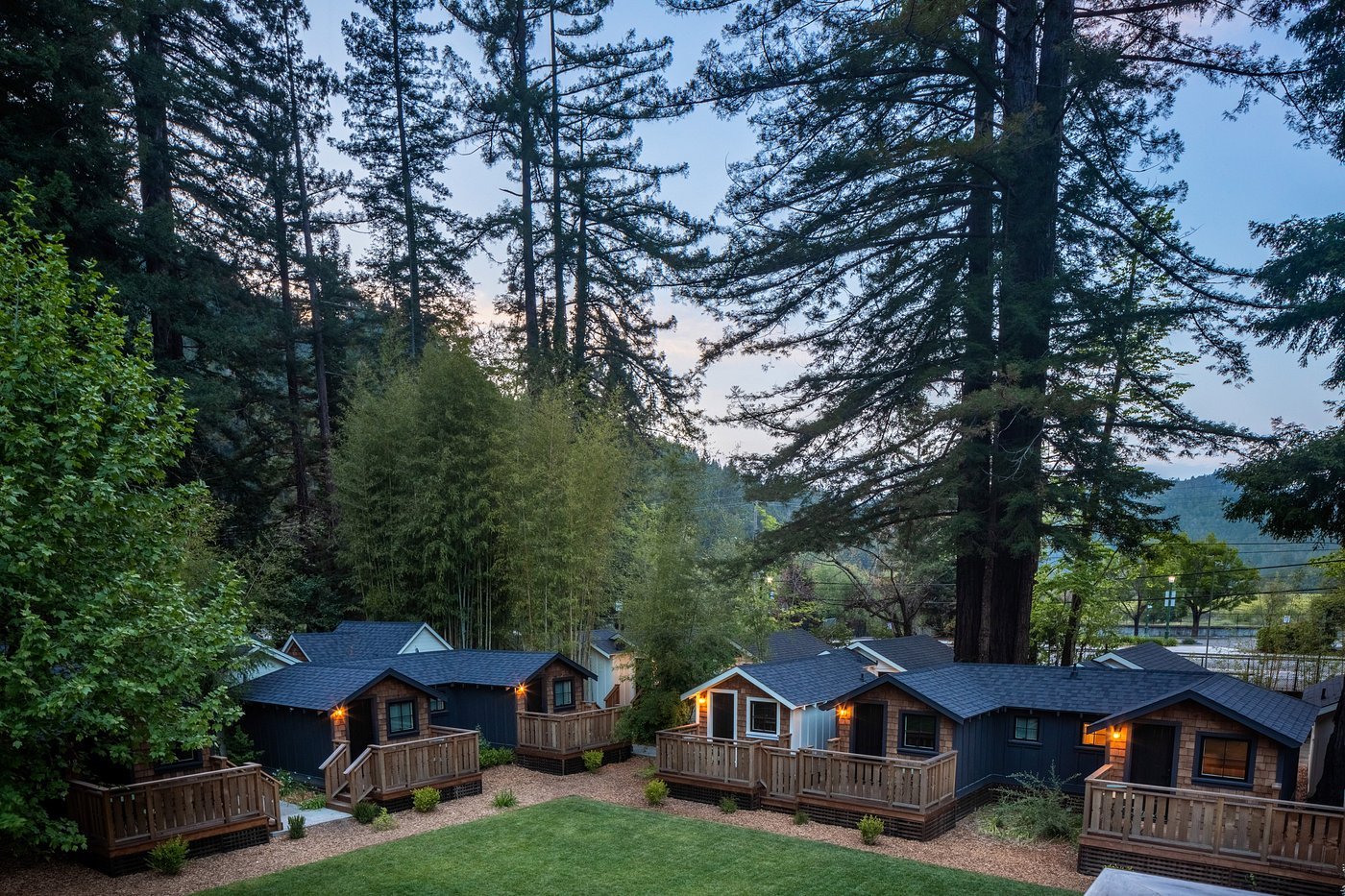
I’m sitting at a sidewalk cafe on Healdsburg Plaza on a Thursday morning in September, watching locals greet each other by name while tourists wander between wine tasting rooms, and I’m struck by how this town population 11,600—somehow balances world-class wine culture with genuine small-town community. After spending the last seven years deliberately seeking out Northern California’s small towns (25 towns across 40+ visits, from spontaneous day trips to carefully planned weekend escapes), I’ve learned that the region’s charm isn’t concentrated in San Francisco or Lake Tahoe. It hides in towns most people drive past without stopping—Victorian villages on dramatic coastlines, Gold Rush settlements in the Sierra foothills, wine country gems where Michelin-starred restaurants coexist with hardware stores, and river towns where locals still float the Russian River on inner tubes every summer weekend.
Most Northern California small town guides make the same mistakes: they either list obvious destinations everyone already knows (Carmel, Sausalito) or they focus exclusively on wine country while ignoring the incredible diversity of coastal villages, mountain towns, and historic Gold Rush communities. They certainly don’t explain the practical details that determine whether a day trip works or requires overnight stays, which towns to visit in which season, or how to actually experience small-town culture beyond walking Main Street.
This complete guide provides fifteen of Northern California’s most genuinely charming small towns—from coastal Mendocino to Sierra Nevada Truckee, wine country Healdsburg to Gold Rush-era Nevada City with specific activities, where to eat and stay, when to visit, how far from major cities, and the honest assessments of what makes each town special (and which ones might not match your expectations). Whether you’re escaping San Francisco for a day, planning a weekend wine country trip, or building a Northern California small towns road trip, these destinations deliver authentic character, natural beauty, and the kind of welcoming atmosphere that makes you consider moving there by the end of your visit.
Quick Reference: Northern California Small Towns at a Glance
| Town | Region | Drive from SF | Population | Best For | Best Season | Vibe |
|---|---|---|---|---|---|---|
| Healdsburg | Sonoma Wine Country | 1.5 hrs | 11,600 | Wine tasting, fine dining, plaza charm | Apr-Oct | Upscale wine town |
| Mendocino | North Coast | 3 hrs | 900 | Coastal beauty, art galleries, dramatic cliffs | May-Oct | Victorian seaside village |
| Nevada City | Sierra Foothills | 2.5 hrs | 3,200 | Gold Rush history, Victorian architecture | Apr-Oct | Historic mountain town |
| Guerneville | Russian River | 1.5 hrs | 4,500 | River activities, redwoods, LGBT-friendly | Jun-Sep | Laid-back river town |
| St. Helena | Napa Valley | 1.5 hrs | 5,800 | Napa wine, Main Street shopping | Year-round | Sophisticated wine town |
| Truckee | Lake Tahoe | 3.5 hrs | 16,000 | Skiing, hiking, historic downtown | Year-round | Mountain adventure town |
| Calistoga | Napa Valley | 1.5 hrs | 5,300 | Hot springs, mud baths, casual wine | Year-round | Wellness wine town |
| Ferndale | Lost Coast | 4.5 hrs | 1,400 | Victorian homes, remote beauty | May-Oct | Preserved Victorian village |
| Sonoma | Sonoma Valley | 1 hr | 11,000 | Historic plaza, wine, Mission | Year-round | Historic wine town |
| Point Reyes Station | Marin Coast | 1.5 hrs | 350 | Oysters, Point Reyes park, beaches | Year-round | Bohemian coastal village |
| Sebastopol | Sonoma County | 1.25 hrs | 7,600 | Farm culture, quirky shops, cider | Year-round | Artsy farm town |
| Grass Valley | Sierra Foothills | 2.5 hrs | 13,000 | Gold Rush history, antiques, hiking | Apr-Oct | Working-class mountain town |
| Murphys | Gold Country | 2.5 hrs | 2,200 | Wine tasting, caves, historic Main Street | Year-round | Charming wine/history mix |
| Occidental | Sonoma County | 1.5 hrs | 1,100 | Italian restaurants, redwoods, peace | Year-round | Quiet forested village |
| Half Moon Bay | San Mateo Coast | 45 min | 12,000 | Beaches, pumpkins, coastal trails | Year-round | Coastal surf town |
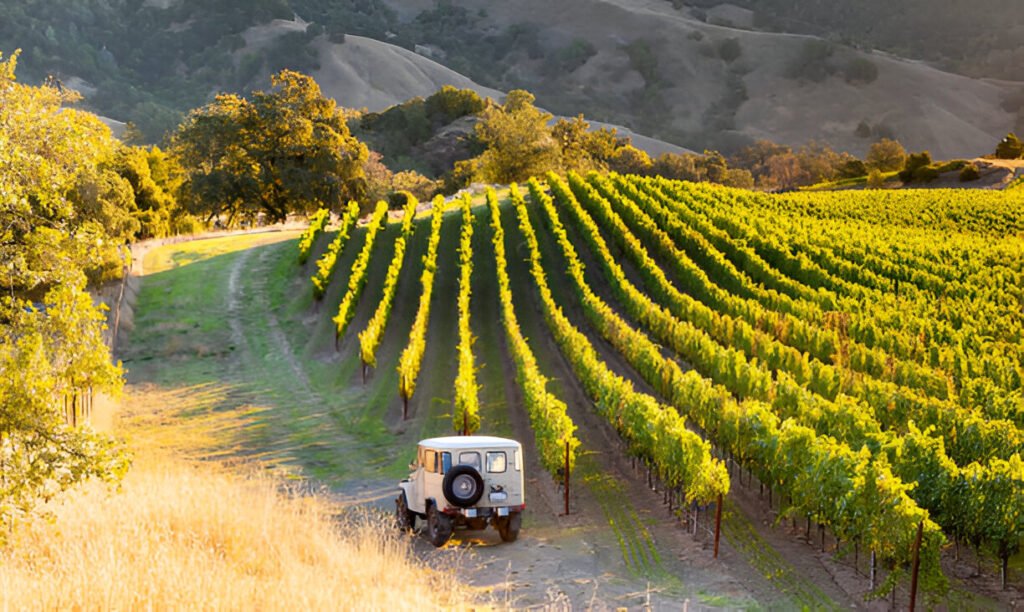
Wine Country Small Towns: Where Vineyards Meet Village Charm
1. Healdsburg: Northern California’s Wine Country Masterpiece
Distance from San Francisco: 75 miles (1 hour 20 minutes)
Distance from Sacramento: 105 miles (1 hour 50 minutes)
Population: 11,600
Best Time to Visit: September-October (harvest season) or April-May (spring beauty)
Healdsburg sits at the confluence of three prestigious wine-growing valleys Dry Creek, Russian River, and Alexander creating what might be Northern California’s most perfectly realized small town. The historic plaza anchors downtown, surrounded by tasting rooms representing 100+ wineries, Michelin-starred restaurants, boutique hotels, and locally-owned shops that somehow avoid feeling touristy despite serving thousands of visitors weekly.
After a dozen visits over six years, I’ve concluded Healdsburg delivers the ideal wine country experience: world-class wine and food without Napa’s pretension or prices, walkable downtown that encourages spontaneous discoveries, and enough local culture that you feel like a guest in someone’s community rather than just another tourist dropping money.
What Makes It Special:
The plaza itself functions as Healdsburg’s living room locals walk their dogs across the square in the morning, farmers market vendors set up Saturday and Wednesday mornings (April-December), and by late afternoon, groups gather at plaza-side tasting rooms and restaurants. Unlike many wine towns where wineries spread across rural areas requiring designated drivers, Healdsburg concentrates 30+ tasting rooms within walking distance of the plaza, allowing you to taste world-class wines from producers like Ridge, Flowers, and Rochioli without getting back in your car.
The restaurant scene punches well above Healdsburg’s 11,600 population. SingleThread holds three Michelin stars, serving hyper-seasonal tasting menus that change based on what’s growing in their five-acre farm that day (dinner reservations book 60 days ahead, $400+ per person). For more accessible but still excellent dining, Valette serves French-California cuisine ($80-120 per person), Bravas combines Spanish tapas with wine country ingredients ($60-90), and Campo Fina makes wood-fired pizza and handmade pasta in a converted gas station ($40-70).
The surrounding wine regions create diversity that keeps wine enthusiasts engaged for days. Russian River Valley specializes in elegant Pinot Noir and Chardonnay (visit Rochioli, Williams Selyem, or more accessible Gary Farrell). Dry Creek Valley excels at Zinfandel and Sauvignon Blanc in a more casual tasting room atmosphere (Dry Creek Vineyard, Preston, Everett Ridge). Alexander Valley produces structured Cabernet Sauvignon (Stonestreet, Jordan, Alexander Valley Vineyards).
Beyond wine, the Russian River provides summer recreation kayaking, canoeing, or simply floating down river on inner tubes from rental shops. Healdsburg Ridge Open Space Preserve offers hiking with vineyard views. The tree-canopied streets encourage aimless wandering past Victorian homes, hidden gardens, and pocket parks.
Where to Eat:
Breakfast/Lunch: Costeaux French Bakery (since 1923, outstanding pastries and sandwiches, $12-18), Noble Folk Ice Cream & Pie Bar (house-made ice cream and pies, $8-14), Flying Goat Coffee (local roaster, wifi-free to encourage conversation)
Dinner: SingleThread (3 Michelin stars, $400+), Valette (French-California, $80-120), Dry Creek Kitchen (California seasonal, $70-110), Bravas (Spanish-inspired, $60-90)
Wine-Focused: Troubadour Bread & Bistro (lunch with natural wine pairings, $40-70), The Matheson (upscale hotel restaurant and bar, $70-100)
Where to Stay:
Luxury: The Madrona (maximalist boutique hotel in historic mansion, $500-900/night), Montage Healdsburg (5-star resort with pools and spa, $700-1,400/night), SingleThread Inn (5 rooms, includes breakfast and garden tour, $800-1,600/night)
Mid-Range: Harmon Guest House (sustainability-minded, one block from plaza, $300-600/night), h2hotel (modern eco-conscious design, rooftop bar, $250-500/night)
Budget: Best Western Dry Creek Inn ($180-320/night), Hampton Inn ($160-280/night)
Insider Tips: Visit Tuesday-Thursday to avoid weekend crowds while everything stays open. Book restaurants 4-6 weeks ahead for Friday-Saturday dinners. The free Healdsburg Trolley runs downtown and to nearby wineries Thursday-Monday. Fall harvest (September-October) brings crush excitement but requires advance lodging reservations.
2. St. Helena: Napa Valley’s Main Street
Distance from San Francisco: 70 miles (1 hour 20 minutes)
Population: 5,800
Best Time to Visit: September-October (harvest) or Year-round
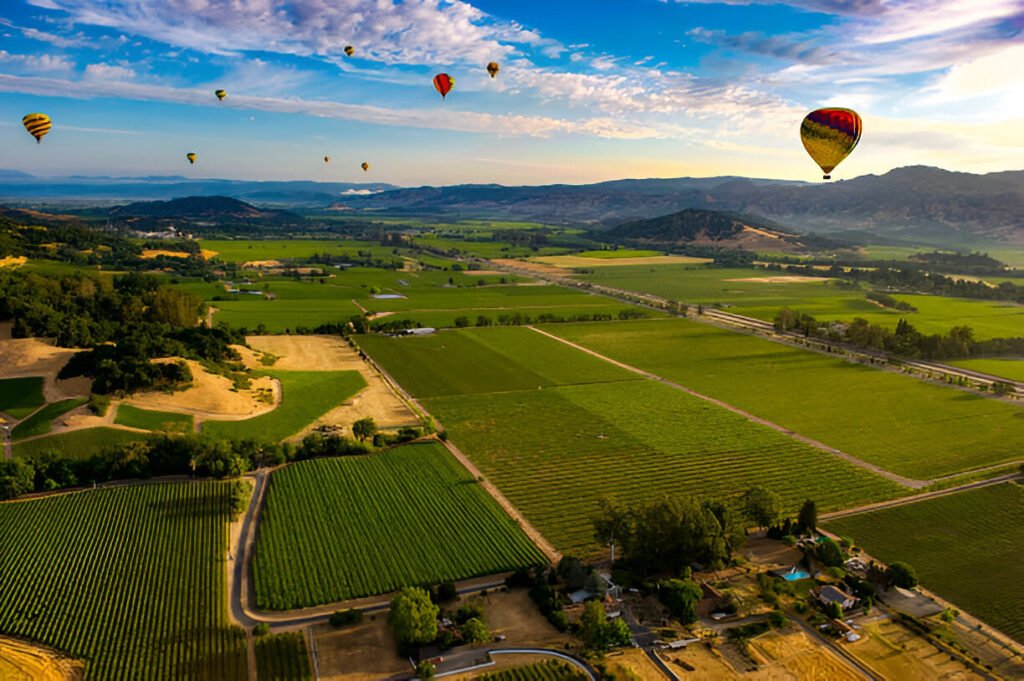
St. Helena serves as Napa Valley’s heart less touristy than downtown Napa, more accessible than rural Calistoga, with a walkable Main Street (Highway 29 through town) lined with wine tasting rooms, restaurants, boutiques, and historic stone buildings dating to the 1800s. Unlike Healdsburg’s plaza-centered layout, St. Helena stretches linearly along Main Street, creating a different but equally charming small-town experience amid world-famous vineyards.
The town balances wine country sophistication with genuine community—locals patronize the same restaurants and shops that serve tourists, the library hosts free events, and the historic Cameo Cinema operates downtown since 1913. On Friday nights, families gather at Model Bakery for pizza, couples have date nights at Press or Farmstead, and wine industry workers who spend days in vineyards reconvene at bars and restaurants where everyone knows each other.
What Makes It Special:
St. Helena concentrates an astonishing number of legendary wineries within 10 minutes: Beringer (oldest continuously operating winery in Napa, established 1876), Duckhorn (Merlot pioneers), Charles Krug (Napa’s first winery from 1861), V. Sattui (picnic grounds and deli), Prisoner Wine Company (bold Zinfandel blends with creative events), and countless others. The new 8-mile Napa Valley Vine Trail segment from St. Helena to Calistoga (completed August 2024) provides car-free cycling between towns through vineyards.
Main Street shopping reveals exactly what you’d expect from upscale wine country—home decor boutiques, art galleries, fashion shops—but with enough local character to feel authentic rather than manufactured. Model Bakery’s English muffins (made here since 1920) are legendary—I’ve driven from San Francisco specifically to buy a dozen. Gott’s Roadside continues serving burgers and shakes since 1949 (now with Napa-level prices, but the quality matches). Woodhouse Chocolate creates handmade chocolates that pair perfectly with Cabernet.
Dean & DeLuca occupies a stunning stone building on the north end of town, functioning as gourmet market, cafe, and wine shop. The Culinary Institute of America’s Greystone campus (in a massive 1889 stone building) offers cooking demonstrations and has an excellent restaurant.
Where to Eat:
Casual: Model Bakery (breakfast and pizza, $14-26), Gott’s Roadside (burgers and shakes, $16-26), Pizzeria Tra Vigne ($18-30)
Upscale: Press (steakhouse in a stone building, $90-150), Farmstead at Long Meadow Ranch (farm-to-table, $70-110), The Charter Oak (Christopher Kostow’s casual spot, $70-100), Goose & Gander (British pub-inspired, $60-90)
Where to Stay:
St. Helena has limited hotels but several excellent options: The Ink House (Victorian B&B, $300-500/night), Harvest Inn (vineyard views, $400-700/night), Meadowood (5-star resort, $800-2,000/night), or stay in nearby Calistoga for better value.
Insider Tip: Park once and walk Main Street rather than moving your car between stops—parking is limited and the town is compact. Visit in October for Wine Auction Week when the entire valley celebrates harvest.
3. Calistoga: The Down-to-Earth Napa Town
Distance from San Francisco: 80 miles (1 hour 30 minutes)
Population: 5,300
Best Time to Visit: Year-round (summer for mud baths, winter for hot springs)
While St. Helena delivers Napa sophistication, Calistoga—just 10 miles north at the valley’s terminus—offers Napa’s most approachable, unpretentious experience. The town built its reputation on volcanic mud baths and natural hot springs, adding wine tasting almost as an afterthought. The combination creates a unique personality: visitors come for wellness experiences, stay for wine, and leave feeling both relaxed and slightly wine-drunk.
Walking Calistoga’s compact downtown, you’ll notice something missing from other Napa towns: normal local services still operate alongside tasting rooms. There’s a hardware store, a pharmacy, casual diners serving breakfast to locals, and shop owners who’ve been here decades rather than months. It feels more like an actual town that happens to have excellent wine rather than a wine destination masquerading as a town.
What Makes It Special:
The mud bath experience is genuinely unique you’re submerged in volcanic ash and mineral-rich mud heated to 100-104°F, followed by mineral baths, steam room, and massage. It sounds strange, feels bizarre for the first five minutes, then becomes oddly relaxing. Dr. Wilkinson’s Hot Springs has offered mud baths since 1952 (most traditional, $160-200 for full treatment). Indian Springs maintains the original 1860s spa grounds with Olympic-size mineral pool fed by geysers ($70 day spa access, $130-180 mud bath packages). Calistoga Spa Hot Springs offers budget-friendly options ($40-80 for pools and sauna, $90-140 for mud baths).
The Old Faithful Geyser of California erupts every 15-30 minutes, shooting 60 feet in the air—not as dramatic as Yellowstone but still impressive and paired with a petting zoo that delights kids ($15 adults, $10 kids). The Petrified Forest preserves redwoods turned to stone by volcanic eruption 3 million years ago, creating an eerie forest of stone trees you can touch ($12 adults).
Wine tasting in Calistoga leans more casual and affordable than southern Napa. Castello di Amorosa (the massive Tuscan castle winery) requires reservations but delivers spectacle ($40-75 tastings). Vincent Arroyo makes excellent Petite Sirah in a family-run, unpretentious tasting room ($30 tastings). Tank Garage Winery occupies a 1930s gas station with creative wines and chill atmosphere ($35-50 tastings).
Where to Eat:
Evangeline (New Orleans-inspired, $70-110), Sam’s Social Club at Indian Springs ($50-80), Lovina (farm-to-table, $60-90), Calistoga Inn Restaurant & Brewery (casual pub food and house beers, $35-60)
Insider Tip: Visit mid-week when spas have availability without reservations and you’re not competing with weekend crowds. The Calistoga Farmers Market (Saturday mornings at Sharpsteen Plaza) brings excellent local produce and prepared foods.
Coastal Northern California Towns: Where Victorian Villages Meet the Pacific
4. Mendocino: The Crown Jewel of California’s North Coast
Distance from San Francisco: 155 miles (3 hours)
Population: 900
Best Time to Visit: May-October (less fog, warmer weather)
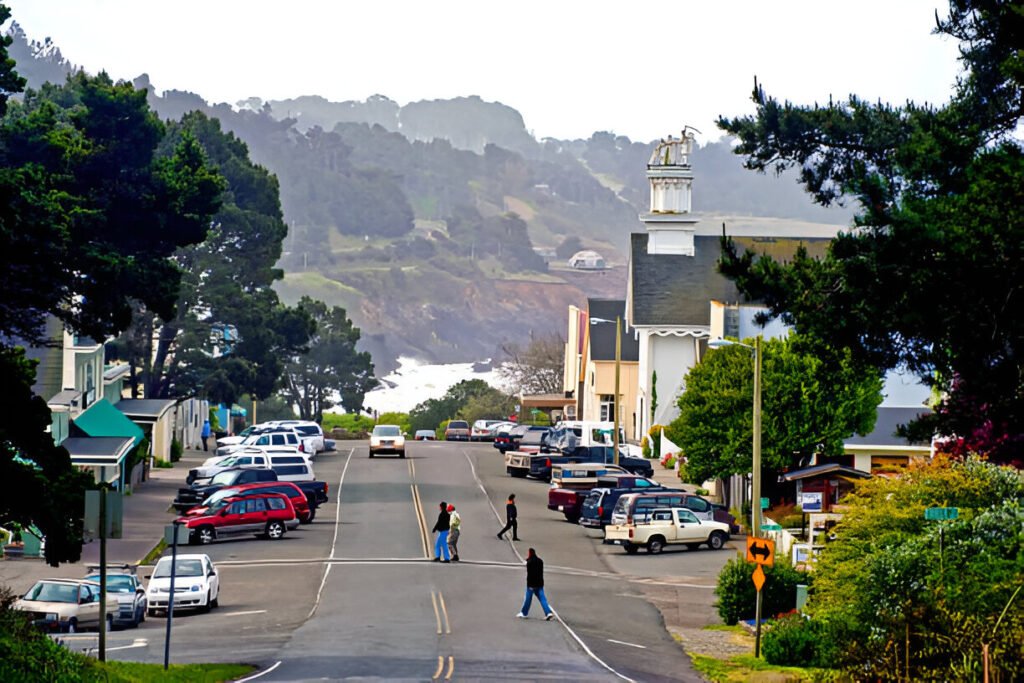
Mendocino perches on headlands 90 feet above the Pacific, its white picket fences, Victorian homes, and New England-style architecture creating a village so picturesque it’s been designated a National Historic Landmark in its entirety. Walking Mendocino’s compact downtown feels like stepping into a time capsule—if that time capsule had excellent restaurants, sophisticated art galleries, and ocean views that make you stop mid-sidewalk to stare at the beauty.
After visiting Mendocino eight times, I’ve concluded it delivers Northern California’s most dramatic coastal setting combined with genuine artistic culture and surprisingly excellent food for a town of 900 people. The challenge: it’s remote (3 hours from SF), expensive (limited lodging commands premium prices), and weather-dependent (fog can obscure views May-July). But when conditions align—sunny September afternoon, ocean breeze carrying salt air, whales breaching offshore—Mendocino justifies every superlative you’ve heard.
What Makes It Special:
The entire village occupies maybe 10 walkable blocks, yet within that compact area you’ll find 30+ art galleries (painting, sculpture, glass, jewelry, woodworking), excellent restaurants, the historic Mendocino Hotel (1878), preserved Victorian homes, and trails leading to dramatic coastal headlands. Mendocino Headlands State Park wraps around three sides of the village, providing miles of clifftop trails past sea caves, blowholes, sea arches, and pocket beaches accessible at low tide.
The Mendocino Art Center (founded 1959) anchors the town’s creative culture with galleries, studios, workshops, and artist residencies. This isn’t tourist-focused art—these are working artists creating serious work. The First Friday art openings (first Friday of each month) bring wine, cheese, gallery tours, and the chance to meet artists.
Big River estuary creates perfect kayaking you can paddle several miles inland on calm water through forested canyon, seeing seals, egrets, and complete solitude despite being minutes from town. Catch-a-Canoe & Bicycles Too rents kayaks and canoes ($30-60 for 2-3 hours).
The food scene amazes for such a small town. Cafe Beaujolais serves French-California cuisine in a Victorian farmhouse with outstanding brunch and dinner ($90-140 for two). Trillium Cafe does creative small plates with ocean views ($70-110). Patterson’s Pub serves excellent pub fare in what was built as a church in 1861 ($40-70).
Mendocino’s proximity to Anderson Valley wine region (30 minutes inland) adds wine tasting to coastal beauty. Goldeneye and Handley Cellars make excellent Pinot Noir and Chardonnay from cool-climate grapes.
Where to Stay:
Lodging is limited and expensive—book 8-12 weeks ahead for summer/fall weekends.
Luxury: Stanford Inn by the Sea ($350-700/night, gardens and organic breakfast), Harbor House Inn ($400-900/night, all-inclusive cliffside luxury)
Mid-Range: Mendocino Hotel ($220-450/night, Victorian elegance on Main Street), Brewery Gulch Inn in Little River ($200-400/night, contemporary comfort)
Budget: Mendocino has no true budget options. Stay 10 miles south in Fort Bragg (Beachcomber Motel, $120-200/night) for more affordable lodging.
Insider Tips: Visit September-October for best weather and smaller crowds than summer. Morning fog commonly obscures ocean views June-August—plan ocean activities for afternoon when fog typically clears. The drive from San Francisco via coastal Highway 1 takes 4.5-5 hours (very scenic, very slow, nausea-inducing for some). Taking Highway 101 to Highway 128 West saves an hour and provides beautiful river/redwood scenery.
5. Point Reyes Station: Bohemian Coastal Village
Distance from San Francisco: 40 miles (1 hour 15 minutes)
Population: 350
Best Time to Visit: Year-round (but bring layers)
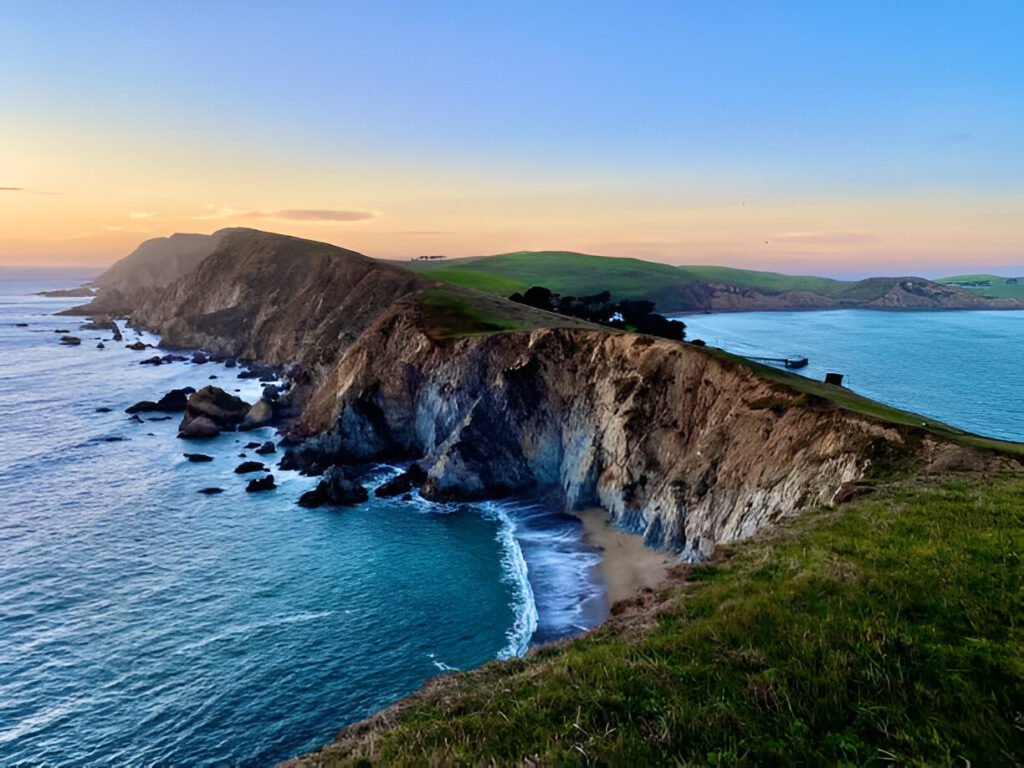
Point Reyes Station serves as the gateway town to Point Reyes National Seashore, a dramatic peninsula of windswept beaches, dairy ranches, lighthouse, and the San Andreas Fault running directly through Tomales Bay. The town itself—two blocks of Main Street with a population under 400—delivers that rare combination of authentic working community (ranchers, artists, oyster farmers) and sophisticated visitors drawn by the national seashore’s beauty.
I’ve used Point Reyes Station as a base for exploring the peninsula a dozen times, and what keeps me returning is the genuine village atmosphere. This isn’t a tourist town pretending to be local—it’s a local town that accommodates tourists without losing its character. The bookstore (Point Reyes Books) hosts author readings. The Station House Cafe serves breakfast to locals on weekday mornings. The mercantile carries both tourist tchotchkes and actual supplies for area ranchers.
What Makes It Special:
Point Reyes National Seashore spreads across 71,000 acres of protected coastline, beaches, and headlands 10-30 minutes from town. Point Reyes Lighthouse requires walking down (and back up) 308 steps to reach the lighthouse perched on cliffs 300 feet above the Pacific—exhausting climb but spectacular whale watching December-April. Chimney Rock Trail provides more accessible coastal views with wildflowers March-April. Multiple pristine beaches (Limantour, Drake’s, McClures) offer solitude and dramatic beauty.
Tomales Bay shelters perfect conditions for oyster farming, creating a cottage industry of oyster farms with roadside stands. Hog Island Oyster Co. lets you buy fresh oysters ($20-40 per dozen), rent a shucking kit and picnic table ($35), and feast on the bay shoreline with white wine and sourdough bread—one of Northern California’s perfect afternoons. Marshall Store and Tony’s Seafood also sell fresh oysters and seafood.
The town’s restaurants punch above its 350 population. Osteria Stellina serves Italian-California cuisine with ingredients from local ranches ($60-90 for two). Station House Cafe does breakfast, lunch, and dinner with 40+ years of local loyalty ($35-60). Bovine Bakery creates outstanding pastries and morning buns ($8-15). Side Street Kitchen offers upscale comfort food ($50-80).
Where to Stay:
Point Reyes Station has very limited lodging. Alternatives include vacation rentals in town, camping at Point Reyes National Seashore (primitive campgrounds, reservations required), or staying 15 minutes north in Marshall or Tomales (Tomales Bay Resort, Nick’s Cove), or driving back to Marin towns like San Anselmo.
Insider Tip: Weekends bring significant crowds from San Francisco to both the town and Point Reyes National Seashore. Visit Tuesday-Thursday for the same beauty without competing for parking at trailheads or waiting for restaurant tables.
6. Half Moon Bay: Coastal Surf Town
Distance from San Francisco: 28 miles (45 minutes)
Population: 12,000
Best Time to Visit: September-October (warmest, least fog) or October (pumpkin festival)
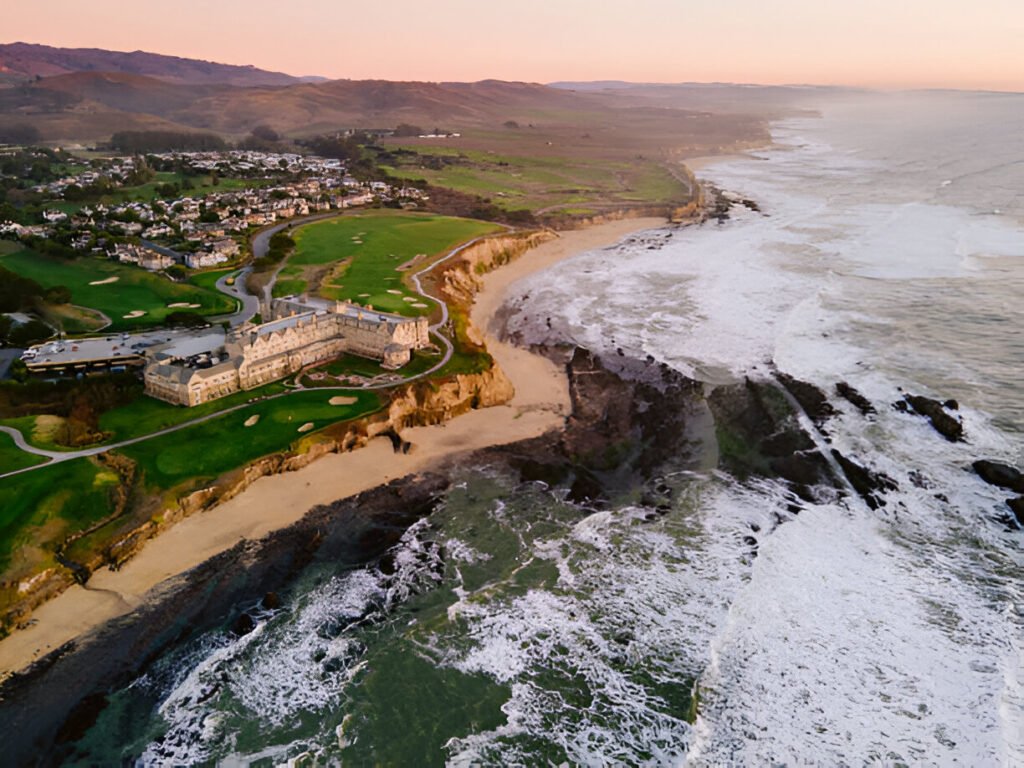
Half Moon Bay functions as the Bay Area’s closest beach town escape—45 minutes from SF, straddling Highway 1 with miles of beaches, a compact historic downtown, farms selling produce, and the famous Mavericks surf break attracting big-wave surfers every winter. The town balances working agricultural community (artichokes, pumpkins, Brussels sprouts), surf culture, and weekend tourist destination without tipping too far toward any single identity.
Compared to other towns on this list, Half Moon Bay feels less precious and more functional—it’s a real town where people live and work, not a preserved Victorian village or wine-focused destination. That groundedness makes it perfect for casual beach days, coastal hiking, and relaxed meals without the need to explore galleries or taste wine.
What Makes It Special:
The coastline delivers consistent Northern California beauty—State Beach stretches for miles with wide sand, coastal trails, harbor seals, and dramatic waves. The Coastal Trail runs 5+ miles between Pillar Point Harbor and Miramar, perfect for walking or cycling with ocean views the entire way. Fitzgerald Marine Reserve (20 minutes north) showcases the best tide pools on the Bay Area coast—plan visits at low tide to see anemones, starfish, crabs, and other marine life.
Mavericks surf break (half-mile offshore near Pillar Point) produces some of the world’s biggest waves (40-60 feet) during winter swells, attracting elite big-wave surfers December-March. Even if you’re not surfing Mavericks (99.9% of us shouldn’t), watching from Pillar Point Bluff Trail provides free entertainment when winter storms create massive waves.
Downtown Half Moon Bay (Main Street between Highway 1 and the coastal farmland) preserves historic buildings housing restaurants, shops, galleries, and the excellent Half Moon Bay Brewing Company. The downtown farmers market (Saturday mornings) brings local produce, flowers, and prepared foods.
Agriculture defines the area—farms sell pumpkins (September-October), Brussels sprouts (winter), and artichokes (spring). The Half Moon Bay Art & Pumpkin Festival (October weekends) brings 250,000+ visitors for pumpkin everything, crafts, and carnival atmosphere.
Where to Eat:
Sam’s Chowder House (New England-style seafood, $60-90), Half Moon Bay Brewing Company (burgers, fish tacos, house beers, $40-70), Pasta Moon (Italian, $50-80), La Costanera (Peruvian with ocean views, $70-110)
Where to Stay:
The Ritz-Carlton Half Moon Bay ($500-1,000/night), Beach House Half Moon Bay ($300-600/night), Half Moon Bay Lodge ($180-350/night)
Insider Tip: Fog commonly obscures the coastline through summer mornings—the famous “June Gloom” extends May-August. September-October provides the year’s best weather with minimal fog and warm temperatures.
Gold Rush & Sierra Foothill Towns
7. Nevada City: Victorian Gem of the Gold Country
Distance from San Francisco: 140 miles (2 hours 30 minutes)
Distance from Sacramento: 60 miles (1 hour)
Population: 3,200
Best Time to Visit: April-October (winter brings rain/occasional snow)
Nevada City preserves one of California’s best-remaining Gold Rush-era downtowns, its Victorian buildings cascading down hillsides with ornate architecture, balconies, and enough historic character to make you feel transported to 1850s California. But Nevada City isn’t just a museum—it’s a thriving small town with contemporary restaurants, a robust arts scene, and a population that skews toward creative types who moved here for the slower pace and natural beauty.
After four visits exploring Nevada City over three years, I’ve concluded it offers something rare: genuine historical preservation that doesn’t feel artificially maintained for tourism, combined with modern culture that respects the past without being trapped by it. It’s Gold Rush California meets 21st-century small town.
What Makes It Special:
The entire downtown is a National Historic Landmark District with 100+ Victorian buildings dating to the 1850s-1870s. The Nevada Theatre (1865) ranks as California’s oldest continuously operating theater, hosting plays, concerts, and films in a gorgeously preserved space. Wandering Broad Street and Commercial Street reveals architectural details—cast-iron facades, decorative cornices, original stone walls—that create a remarkably intact streetscape from the Gold Rush era.
But Nevada City evolved beyond its mining past. The 1960s counterculture discovered the town, settling in cheap historic buildings and creating an arts community that persists today. The downtown supports art galleries, bookstores (Harmony Books is excellent), live music venues, and restaurants that wouldn’t feel out of place in Berkeley or San Francisco.
Empire Mine State Historic Park (10 minutes outside town in Grass Valley) preserves California’s largest, deepest, longest-operating gold mine with 367 miles of underground passages. You can tour the owner’s mansion, see original buildings, and descend into a small section of the mine shaft ($10 adults).
South Yuba River State Park provides summer swimming in clear mountain water, natural rock waterslides, and hiking among pine forests. The 280-foot Bridgeport Covered Bridge (longest single-span covered bridge in the US) crosses the South Yuba River, creating iconic photos.
Nevada City’s elevation (2,525 feet) and Sierra Nevada location bring four distinct seasons—summer heat (85-95°F), fall color, winter rain with occasional snow (town rarely closes but higher elevations get significant snowfall), and spring wildflowers. This seasonality adds character lacking in California’s temperate coastal towns.
Where to Eat:
New Moon Cafe (farm-to-table, $50-80), Three Forks Bakery & Brewing Co. (casual lunch and dinner, house beers, $35-60), Friar Tuck’s Restaurant (historic building, steaks and continental, $60-90), Mekong Restaurant (Thai and Vietnamese, $35-55)
Where to Stay:
Outside Inn (boutique hotel, $150-300/night), Emma Nevada House (Victorian B&B, $160-280/night), National Exchange Hotel (historic downtown hotel, $140-240/night)
Insider Tips: Visit Thursday-Sunday when most businesses operate full schedules—some close Monday-Wednesday. The First Friday art walk (first Friday of each month) opens galleries with wine and appetizers. Spring through fall brings multiple festivals including Nevada City Classic bicycle race (Father’s Day weekend) and Nevada City Film Festival (August).
8. Truckee: Historic Mountain Railroad Town
Distance from San Francisco: 185 miles (3 hours 15 minutes)
Distance from Sacramento: 105 miles (2 hours)
Population: 16,000
Best Time to Visit: December-March (skiing) or June-September (hiking, biking)
Truckee anchors the Lake Tahoe region as its most authentic small town—a working railroad community that survived boom-and-bust cycles, preserved its historic downtown, and now thrives as a year-round mountain destination. Unlike resort areas that feel artificial, Truckee maintains genuine character: locals actually live here year-round, original buildings house businesses rather than sitting as empty facades, and the town adapts to seasonal needs without losing its identity.
I’ve spent probably 25 nights total in Truckee across winter ski trips and summer Tahoe visits, and what consistently impresses me is how the town functions equally well in completely different seasons. Winter brings powder snow and ski culture. Summer delivers mountain biking, hiking, and alpine lakes. Spring and fall offer shoulder-season deals with outdoor access but fewer crowds. Each season attracts different visitors but the town itself remains constant.
What Makes It Special:
Historic downtown Truckee (along Donner Pass Road) preserves railroad-era buildings with brick facades, wide wooden porches, and the weathered appearance of structures that survived Sierra winters since the 1860s. These aren’t reconstructions—these are original buildings now housing breweries, restaurants, gear shops, and coffee roasters. Walking downtown on a winter evening with snow falling, buildings lit warmly from within, mountain ranges surrounding the valley—it’s quintessential mountain town magic.
The location provides access to 10+ ski resorts within 30 minutes: Northstar California, Sugar Bowl, Squaw Valley, Alpine Meadows, Boreal, Donner Ski Ranch, and more. Truckee delivers more affordable lodging and dining than staying slopeside, plus the experience of returning to a real town each evening rather than a resort village.
Summer transforms Truckee into outdoor adventure hub. Donner Lake (5 minutes from downtown) provides swimming, paddle boarding, kayaking, and a multi-mile shoreline trail. The Truckee River recreation path follows the river for 5 miles, perfect for walking or cycling. Mountain biking trails crisscross surrounding forests. Donner Summit offers hiking with wildflowers July-August.
The food and brewery scene exceeds what you’d expect from a town of 16,000. Fifty Fifty Brewing produces excellent craft beers and serves elevated pub food ($40-70 for two). Marg’s Taco Bistro does creative Mexican ($30-50). Pianeta does Italian in a brick building with wine cellar ($60-90). Stella serves breakfast and lunch with local ingredients ($25-45). Moody’s Bistro offers fine dining ($80-130).
Where to Stay:
The Ritz-Carlton Lake Tahoe (15 min from Truckee, $500-1,200/night), Northstar Resort condos ($300-700/night), Cedar House Sport Hotel (modern mountain lodge, $200-500/night), or budget chains ($120-220/night winter, $80-160 summer)
Insider Tips: Summer (especially July-August) has become nearly as popular and expensive as winter ski season—book summer lodging 6-8 weeks ahead. Shoulder seasons (April-May, October-November) offer the best deals but limited outdoor activities. Winter requires snow tires or chains—check CalTrans for I-80 chain requirements before driving up.
9. Murphys: Gold Country Meets Wine Country
Distance from San Francisco: 145 miles (2 hours 30 minutes)
Distance from Sacramento: 100 miles (1 hour 45 minutes)
Population: 2,200
Best Time to Visit: April-October (winter brings rain)
Murphys occupies a unique position among California small towns—it combines genuine Gold Rush history with a surprising wine scene, creating a hybrid destination where you can explore limestone caverns in the morning and taste Barbera and Zinfandel in the afternoon. The town’s compact Main Street preserves 1850s-era buildings that now house 20+ wine tasting rooms, making it one of California’s few walkable wine tasting destinations outside Napa and Sonoma.
The Calaveras County location (Sierra Nevada foothills, elevation 2,171 feet) provides four seasons, affordable lodging compared to wine country, and dramatically fewer tourists than Napa while still offering legitimately excellent wine. If Healdsburg feels too upscale and crowded, Murphys delivers similar wine tasting experiences with Gold Rush character and unpretentious atmosphere.
What Makes It Special:
Main Street stretches maybe six blocks but concentrates enough to keep you engaged for a full day: 20+ wine tasting rooms (representing 50+ Calaveras County wineries), restaurants, art galleries, shops, and Victorian buildings. Unlike Napa where wineries spread across valleys requiring designated drivers, Murphys lets you park once and walk to a dozen tasting rooms.
Calaveras wine region specializes in Italian and Rhône varieties that thrive in the Sierra foothills: Barbera, Sangiovese, Zinfandel, Syrah, Grenache. The wines are legitimately good—not Napa-quality but also not Napa-priced. Tasting fees run $10-20 (vs. $30-75 in Napa), and wineries maintain friendly, educational atmospheres rather than pretentious gatekeeping. Twisted Oak Winery embraces the irreverent with creative labels and names. Milliaire Winery focuses on Italian varieties. Ironstone Vineyards (10 minutes from town) offers expansive tasting room, garden amphitheater for concerts, and Gold Leaf Fudge.
Moaning Cavern and California Caverns (both 15-20 minutes from Murphys) provide underground adventures. Moaning Cavern descends 165 feet into a massive chamber via spiral staircase or rappel option ($20 walking tour, $150 rappel adventure). California Caverns features stunning formations and optional cave rafting on underground lake ($17-90 depending on tour).
Calaveras Big Trees State Park (15 minutes from Murphys) showcases giant sequoias in two groves. The North Grove Trail (easy 1.5 miles) passes massive trees including the 1,500-year-old Louis Agassiz Tree with 25-foot diameter. Much less crowded than Yosemite’s sequoia groves.
Where to Eat:
Grounds (farm-to-table California cuisine, $60-90), Aria Bakery (outstanding pastries and breakfast, $12-20), V Restaurant (upscale New American, $70-110), Firewood (pizza and Italian, $40-70)
Where to Stay:
Murphys Historic Hotel (Gold Rush-era hotel on Main Street, $130-220/night), Victoria Inn (Victorian B&B, $150-280/night), or vacation rentals
Insider Tip: Visit on First Friday of the month (April-November) when tasting rooms stay open until 8 PM with special tastings and live music. Book lodging well ahead for Calaveras County Fair (May, massive four-day event) and Ironstone Vineyards summer concerts.
Hidden Gems: Lesser-Known Northern California Towns
10. Guerneville: Russian River Bohemian Escape
Distance from San Francisco: 75 miles (1 hour 30 minutes)
Population: 4,500
Best Time to Visit: June-September (river season)
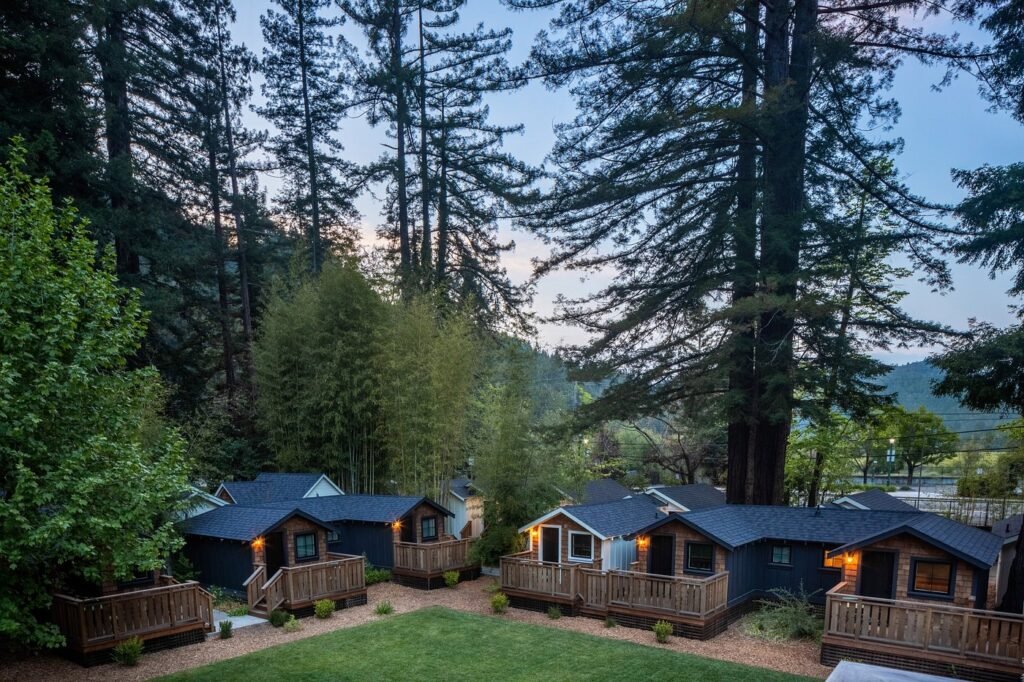
Guerneville sits along the Russian River in Sonoma County, serving as the heart of the river recreation area where locals and visitors float downstream on inner tubes, swim in calm waters, and camp under towering redwoods. The town itself maintains a laid-back, bohemian character—it’s long been an LGBT-friendly destination—with casual restaurants, dive bars turned gastropubs, and a general atmosphere that encourages relaxation over ambition.
After spending five summer weekends in Guerneville over the years, I’ve concluded it’s perfect for people who want outdoor activities without intense hiking, wine country proximity without wine-focused vacations, and small-town atmosphere without Victorian preciousness. It’s where San Franciscans go to genuinely relax rather than to “do” anything specific.
What Makes It Special:
The Russian River provides the main attraction—calm, warm water perfect for swimming, kayaking, canoeing, or the local favorite activity: renting an inner tube from Burke’s Canoe Trips or Russian River Adventures ($50-70 per person for tube rental and shuttle), getting dropped upriver, and floating 3-10 miles back to town while drinking beers (responsibly) and enjoying the scenery. It’s wonderfully low-key recreation.
Armstrong Redwoods State Natural Reserve (5 minutes from downtown) preserves 805 acres of old-growth coast redwoods. The Pioneer Nature Trail (easy 2-mile loop) passes massive 1,400-year-old trees in a cathedral-like grove. Pack picnic and spread out on the forest floor for lunch—it’s magical.
The dining scene has evolved from basic river-town fare to surprisingly good food. boon eat + drink serves California cuisine with Russian River ingredients ($60-90 for two). Dawn Ranch brings upscale lodge dining and beautiful outdoor seating ($70-110). Dick Blomster’s Korean Diner creates Korean-American fusion in a former dive bar ($40-60).
LGBT culture has long defined Guerneville—it became a gay resort town in the 1970s-80s and maintains welcoming, inclusive atmosphere. The town celebrates Pride every September. Rainbow flags fly year-round. Everyone’s welcome, and the vibe stays relaxed and friendly.
Where to Stay:
boon hotel + spa (modern, adults-only, $200-400/night), Dawn Ranch (recently renovated lodge, $250-500/night), AutoCamp Russian River (glamping Airstreams, $200-350/night), or many campgrounds along the river ($35-60/night)
Insider Tips: Summer weekends (June-September) bring massive crowds from San Francisco—the river gets packed, traffic backs up, and lodging prices spike. Visit weekdays for the same activities with fraction of the crowds. Winter and spring see river flooding occasionally—check conditions before visiting November-April.
11. Sonoma: Historic Plaza Town
Distance from San Francisco: 45 miles (1 hour)
Population: 11,000
Best Time to Visit: April-May, September-October
Sonoma anchors Sonoma Valley wine country with California’s largest central plaza (8 acres), Mission San Francisco Solano (1823), and claims as the birthplace of the California Republic (Bear Flag Revolt, 1846). The town balances historical significance, wine tasting, and genuine community better than most wine country destinations—it feels less pretentious than Napa, more grounded than Healdsburg, and more walkable than most wine regions.
The plaza functions as Sonoma’s living room—locals walk dogs in the morning, kids play in the playground, and by afternoon, visitors and locals mix at plaza-side wine bars and restaurants. Unlike Napa where wineries spread across valleys, Sonoma concentrates 30+ tasting rooms around the plaza, allowing exploration on foot.
What Makes It Special:
Sonoma Plaza’s eight-acre expanse (larger than most town squares) creates space for picnicking, farmers market (Tuesday evenings and Friday mornings, April-October), community events, and simply hanging out. The Mission San Francisco Solano and Sonoma Barracks flank the plaza’s north side, providing tangible California history ($3 admission covers all four state historic sites in town).
The wine tasting scene offers variety from historic producers to cutting-edge winemakers, all within walking distance. Imagery Estate Winery occupies a beautiful plaza-side building. Gundlach Bundschu (founded 1858) represents Sonoma wine history. Scribe Winery attracts younger wine lovers with natural wines and hip aesthetic.
Dining options range from casual to upscale: The Girl & The Fig serves French-Provençal ($60-90), El Dorado Kitchen does California seasonal ($70-110), Sunflower Caffe serves breakfast and lunch ($25-45), and the Sonoma Market on the plaza provides picnic supplies.
Sonoma’s location provides easy access to multiple wine regions: Sonoma Valley (“Valley of the Moon”), Carneros (Pinot Noir and Chardonnay), and it’s only 20 minutes from Napa.
Where to Stay:
MacArthur Place ($300-600/night), The Lodge at Sonoma ($250-500/night), El Dorado Hotel (plaza-side, $200-400/night), or numerous B&Bs
Insider Tip: Sonoma offers better value than Napa (lower tasting fees, cheaper lodging, more modest restaurants) while delivering comparable wine quality, especially for Pinot Noir and Chardonnay.
12. Ferndale: Victorian Time Capsule
Distance from San Francisco: 260 miles (4 hours 30 minutes via Highway 101)
Population: 1,400
Best Time to Visit: May-October
Ferndale preserves California’s most intact Victorian village—dozens of meticulously maintained homes and commercial buildings from the 1880s-1900s earning the entire town National Historic Landmark status. Walking Main Street feels like entering a film set, except these aren’t facades—these are actual Victorian structures still functioning as homes, shops, restaurants, and the only cemetery in America located on Main Street.
The remoteness (4.5 hours from San Francisco, near the Lost Coast) means Ferndale avoids crowds that would overwhelm more accessible Victorian towns. You’ll share the sidewalks with locals going about daily life, not hordes of tourists. This creates authentic small-town atmosphere where shopkeepers chat with customers and everyone knows each other.
What Makes It Special:
The architecture astonishes—elaborate “Butterfat Palaces” (Victorians built by wealthy dairy barons), colorful painted ladies, ornate details on every building. The Victorian Inn, Shaw House, and Gingerbread Mansion show off the most elaborate examples. Simply wandering Main Street delivers constant visual interest.
The Kinetic Grand Championship (Memorial Day weekend) brings homemade, human-powered art sculptures racing 42 miles from Arcata to Ferndale over three days—it’s bizarre, creative, and entirely unique to this area. The town decorates, spectators line the route, and the whole event celebrates human-powered transportation and artistic expression.
The nearby Lost Coast (30 minutes west) provides California’s most remote coastline—mountains plunge directly to the ocean, no Highway 1, just gravel roads and ultimate solitude. The drive to Shelter Cove tests nerves on narrow, winding roads but rewards with black sand beaches and dramatic beauty.
Where to Eat & Stay:
The Victorian Inn (19 rooms, breakfast included, $150-300/night), Shaw House Inn (B&B, $160-280/night), Hotel Ivanhoe (historic hotel-restaurant, $140-220/night)
Restaurant choices are limited: Vi’s (Mexican and American, $30-60), Poppa Joe’s Pizza ($25-45), Lost Coast Brewery Taproom in nearby Eureka
Insider Tip: Ferndale works best as overnight stop on a road trip up the North Coast rather than a destination unto itself—you can see the town thoroughly in 3-4 hours. Combine with Redwoods National Park (1 hour north) and Humboldt County attractions.
13. Sebastopol: Quirky Sonoma Farm Town
Distance from San Francisco: 60 miles (1 hour 15 minutes)
Population: 7,600
Best Time to Visit: Year-round (especially summer for farmers markets)
Sebastopol occupies the artsy, agricultural corner of Sonoma County—surrounded by apple orchards, small farms, and vineyards, with a downtown that embraces quirky public art, farm-to-table dining, and a general countercultural vibe that’s persisted since the 1960s. It’s less polished than Healdsburg, more bohemian than Napa, and proudly maintains its oddball character despite wine country development pressures.
The town motto “If your dreams don’t scare you, they aren’t big enough” hints at Sebastopol’s encouragement of creativity and individuality. Walking downtown, you’ll encounter painted metal sheep sculptures, mosaic tile installations, murals, and a general celebration of art in public spaces that makes the town feel playful and welcoming.
What Makes It Special:
Agriculture defines Sebastopol—Gravenstein apples built the town’s economy (Gravenstein Apple Fair every August), and that farm culture persists through farmers markets (Sunday mornings year-round), farm stands, and restaurants committed to local sourcing. The Barlow (a former apple cannery converted to food and craft hub) concentrates restaurants, breweries, cideries, wine tasting, artisan shops, and a general mercantile in one walkable complex.
The food scene punches well above the town’s 7,600 population: Ramen Gaijin serves exceptional ramen in tiny space (get there early, $16-24), Ramen Ryoma does another style of ramen equally well ($16-24), Handline offers California coastal cuisine ($50-80), and The Farmer’s Wife brings breakfast and lunch with local ingredients ($20-35).
Sebastopol’s location provides easy access to Russian River wine region (especially Pinot Noir producers), the Russian River itself for recreation, and the coast (Bodega Bay 20 minutes west). It functions well as a base for exploring western Sonoma County.
The vibe stays relaxed and creative—this is where artists, musicians, and farmers live rather than just wealthy retirees or tech workers. That diversity creates more interesting community character.
Where to Stay:
The Barlow serves as accommodation hub with The Lodge (modern simple rooms, $180-300/night). Otherwise, look to vacation rentals or stay in nearby towns.
Insider Tip: Visit Sunday morning for the exceptional farmers market at downtown plaza (9 AM-12:30 PM year-round)—arguably Sonoma County’s best. The Barlow complex makes an ideal stop for wine tasting, cider tasting, lunch, and shopping all in one location.
14. Occidental: Forest Hideaway
Distance from San Francisco: 70 miles (1 hour 30 minutes)
Population: 1,100
Best Time to Visit: Year-round
Occidental hides in Sonoma County redwood forests—a tiny village that became accidentally famous for Italian family-style restaurants serving massive amounts of food to generations of San Francisco families making Sunday drives to “the country.” The town itself consists of maybe three blocks, yet within that compact area you’ll find the renowned Union Hotel and Negri’s Restaurant (both serving Italian feasts since the early 1900s), plus newer additions like Wild Flour Bread, Howard Station Cafe, and a general sense of peaceful isolation.
What Makes It Special:
The Italian family-style dining tradition continues—you’re seated at communal tables, served endless courses of salad, pasta, ravioli, chicken, vegetables, and dessert for fixed prices ($50-65 per person). It’s not gourmet—it’s abundant comfort food served family-style, creating an experience as much about tradition and atmosphere as the food itself. Make reservations.
The surrounding redwood forests create a cathedral-like setting. The drive to Occidental winds through towering trees on narrow roads, creating the sense of journey into hidden refuge. This remoteness and forest setting make Occidental perfect for couples seeking romantic getaway or anyone needing to unplug.
Where to Stay:
The Inn at Occidental (luxury B&B, $300-600/night), vacation rentals in the area
Insider Tip: Occidental works best as a day trip destination (drive out for Sunday lunch at the Italian restaurants) or overnight romantic escape rather than a base for exploring—there’s not much here, which is exactly the point.
15. Grass Valley: Working-Class Gold Country
Distance from San Francisco: 140 miles (2 hours 30 minutes)
Distance from Sacramento: 60 miles (1 hour)
Population: 13,000
Best Time to Visit: April-October
Grass Valley sits adjacent to Nevada City but maintains distinctly different character—less precious, more working-class, with functioning main street serving locals rather than tourists. Where Nevada City preserves Victorian buildings as historical assets, Grass Valley uses them as everyday structures. The town’s larger population (13,000 vs. Nevada City’s 3,200) and valley location (vs. Nevada City’s hillside setting) create more practical, less picturesque but arguably more authentic small-town experience.
For travelers, Grass Valley offers better dining and shopping variety than Nevada City, more affordable lodging, and the sense of visiting a real town rather than a tourist destination. Combine visits to both towns—they’re only 4 miles apart—for the full Gold Country experience.
What Makes It Special:
The downtown (Mill Street and Main Street) preserves Gold Rush-era commercial buildings now housing antique stores (Grass Valley excels at antiquing), restaurants, bars, coffee shops, and local services. It feels like an actual functioning town where people work and live, not a preserved tourist attraction.
Empire Mine State Historic Park (largest gold mine in California history) sits at Grass Valley’s edge, providing the region’s best mining history experience with mansion tours, mine buildings, and hiking trails ($10 adults).
The food scene has improved dramatically—South Pine Cafe serves excellent breakfast and lunch ($20-35), Diego’s Restaurant does Mexican ($30-50), Tofanelli’s offers Italian and live music ($40-70), and The Chocolate Shoppe has served ice cream since 1962.
Where to Stay:
Holbrooke Hotel (Gold Rush-era hotel, $130-220/night), or stay in Nevada City and drive 4 miles for Grass Valley dining and shopping.
Insider Tip: Grass Valley Thursday Night Market (May-September, 5-8 PM downtown) brings food vendors, crafts, live music, and community atmosphere.
Planning Your Northern California Small Towns Trip
How to Choose Which Towns to Visit
With 15 excellent options, choosing creates the main planning challenge. Here’s how to narrow options based on your priorities:
If you have only one day trip from San Francisco:
- Half Moon Bay (45 min) for beaches and casual coastal atmosphere
- Point Reyes Station (1 hr 15 min) for oysters and dramatic coastline
- Sonoma (1 hr) for wine tasting and historic plaza
If you want a weekend wine country escape:
- Healdsburg for upscale wine, dining, and plaza charm
- St. Helena + Calistoga for Napa Valley experience with small-town atmosphere
- Paso Robles (from LA area) for Central Coast wine and affordability
If you’re seeking coastal beauty:
- Mendocino for Victorian village and dramatic headlands (remote, 3 hours)
- Half Moon Bay for accessible beaches and surf culture
- Point Reyes Station for oysters and national seashore access
If you want Gold Rush history and Sierra foothills:
- Nevada City for best-preserved Victorian downtown
- Grass Valley + Nevada City combined trip for variety
- Murphys for Gold Rush plus wine tasting
If you’re planning extended Northern California road trip, combine:
- Wine Country Circuit: Sonoma → Healdsburg → Calistoga → St. Helena (2-3 days)
- Coastal Adventure: Half Moon Bay → Point Reyes → Mendocino (3-4 days, or 2 days skipping Mendocino)
- Gold Country Exploration: Grass Valley → Nevada City → Murphys (2-3 days)
- Complete Northern Loop: Start SF → Wine Country → Mendocino → Ferndale → Truckee → Nevada City → back to SF (7-10 days)
Budgeting for Small Town Visits
Day Trip from San Francisco (per person):
- Gas: $15-40 depending on distance
- Meals: $40-80
- Activities: $10-40 (wine tastings, museum entries, parking)
- Total: $65-160 per person
Weekend Getaway (two people, one night):
- Accommodations: $180-450/night average (wine country higher, Gold Country lower)
- Meals: $100-200
- Wine tastings/activities: $60-150
- Gas: $30-60
- Total: $370-860 for the weekend
Luxury Weekend (two people, one night in Healdsburg or Mendocino):
- Upscale hotel: $400-800/night
- Fine dining: $200-350
- Premium wine tastings: $100-200
- Total: $700-1,350 for the weekend
Best Times to Visit Northern California Small Towns
Wine Country (Healdsburg, St. Helena, Calistoga, Sonoma, Sebastopol):
- Best: September-October (harvest season, best weather, fall colors)
- Runner-up: April-May (spring beauty, smaller crowds, wildflowers)
- Avoid: January-March (rain, some wineries close)
Coastal Towns (Mendocino, Half Moon Bay, Point Reyes):
- Best: September-October (warmest, least fog)
- Runner-up: May (wildflowers, moderate weather)
- Avoid: June-August (morning fog obscures views, though burns off afternoon)
Mountain Towns (Truckee, Nevada City, Grass Valley):
- Best: September-October (fall colors, comfortable temperatures)
- Runner-up: June-July (summer hiking, warm weather)
- Avoid: November-March (unless seeking winter sports in Truckee)
Russian River (Guerneville):
- Best: June-September (river recreation season)
- Avoid: November-April (flooding risk, cold water, limited activities)
Booking Timeline
Most Northern California small towns don’t require advance planning except:
Book 8-12 weeks ahead:
- Mendocino lodging (very limited, especially summer weekends)
- Healdsburg luxury hotels and Michelin-starred restaurants (summer/fall)
- Truckee winter ski weekends (December-March)
Book 4-6 weeks ahead:
- Wine country weekends (April-October)
- Popular restaurants in Healdsburg, St. Helena, Mendocino
- Nevada City and Murphys summer weekends
Book 1-2 weeks ahead:
- Most Gold Country lodging
- Coastal towns except Mendocino
- Weekday visits anywhere
Last-minute (under 1 week):
- Weekday visits to most destinations
- Guerneville weekdays
- Winter visits (except Truckee ski season)
Frequently Asked Questions
What are the most charming small towns in Northern California?
Healdsburg tops the list for wine country charm, walkable plaza, and sophisticated dining. Mendocino delivers coastal Victorian beauty with dramatic ocean cliffs. Nevada City preserves the best Gold Rush-era downtown with Victorian architecture. Point Reyes Station offers bohemian coastal village atmosphere with oyster farms and access to Point Reyes National Seashore.
Which Northern California small towns are worth visiting for a day trip from San Francisco?
Half Moon Bay (45 minutes), Sonoma (1 hour), Point Reyes Station (1 hour 15 minutes), and Healdsburg (1 hour 30 minutes) all work perfectly as day trips. You can drive out mid-morning, spend the day exploring, have dinner, and return evening. Mendocino requires overnight stay due to 3-hour drive each way.
What’s the best small town in Northern California for wine tasting?
Healdsburg offers the most comprehensive wine tasting experience with 30+ tasting rooms walkable from the plaza, representing 100+ wineries from three prestigious valleys. St. Helena in Napa Valley provides more traditional wine country experience with legendary producers. Murphys delivers walkable wine tasting at lower prices with Gold Rush atmosphere.
Which Northern California small towns are best for couples?
Mendocino delivers ultimate romantic escape with Victorian inns, ocean views, and intimate atmosphere. Healdsburg combines wine tasting, upscale dining, and luxury hotels perfect for anniversary celebrations. Calistoga offers couples spa treatments (mud baths, hot springs) plus wine. Point Reyes Station provides oysters, coastal beauty, and peaceful retreat.
Are Northern California small towns expensive to visit?
Wine country towns (Healdsburg, St. Helena, Calistoga) rank most expensive with lodging $250-600/night and upscale dining. Coastal Mendocino also runs expensive ($200-500/night lodging). Gold Country towns (Nevada City, Grass Valley, Murphys) offer best value with lodging $130-280/night. Guerneville and Sebastopol fall mid-range.
Can you visit multiple Northern California small towns in one trip?
Yes, with strategic planning. Wine country towns cluster together—you can visit Sonoma, Healdsburg, St. Helena, and Calistoga in 2-3 days (they’re within 30-40 minutes of each other). Nevada City and Grass Valley sit 4 miles apart, easily combined. Coastal towns spread further apart, requiring overnight stops.
What Northern California small towns are good for families with kids?
Truckee offers year-round activities (skiing winter, lake activities summer) with family-friendly vibe. Half Moon Bay provides beaches, tide pools, and casual atmosphere. Murphys combines cavern tours, easy hiking in Calaveras Big Trees, and downtown ice cream shops. Avoid adult-focused wine towns like Healdsburg for very young children.
Which small towns in Northern California have the best restaurants?
Healdsburg leads with SingleThread (3 Michelin stars), Valette, and numerous excellent options. Mendocino surprises with sophisticated dining for 900 residents. St. Helena offers Press, Farmstead, and Charter Oak. Nevada City punches above its weight with New Moon Cafe and Three Forks. Truckee delivers excellent brewpubs and mountain dining.
When is the best time to visit Northern California small towns?
September and October provide ideal weather across regions—warm days, clear skies, fall colors, harvest season in wine country, and fewer crowds than summer. April and May offer spring beauty with wildflowers and moderate temperatures. Avoid November-March for coastal towns (rain) and non-ski mountain towns (cold and limited services).
How do I plan a Northern California small towns road trip?
Start by choosing a region (coast, wine country, or Gold Country) rather than attempting all regions in one trip. Allow 2 nights minimum per small town to actually experience it rather than just driving through. Book wine country and coastal lodging 6-8 weeks ahead for summer/fall. Build in flexibility—small towns reward spontaneous discoveries.
The Art of Experiencing Small-Town Northern California
After years exploring Northern California’s small towns, I’ve learned that the best experiences come from slowing down rather than trying to see everything. The magic isn’t in checking towns off a list—it’s in lingering over breakfast at a bakery while locals discuss community news, discovering the unmarked trail that leads to the best viewpoint, or striking up conversation with a winery owner who shares their personal story.
Northern California’s small towns offer something increasingly rare: places that prioritize community over commercialization, where businesses serve locals first and tourists second, where history lives in daily use rather than museum preservation. These aren’t theme park versions of small towns—they’re real communities that welcome visitors while maintaining their authentic character.
Choose your towns based on honest interests rather than trying to visit the “most charming.” Wine lovers belong in Healdsburg. History buffs should explore Nevada City. Coastal beauty seekers will find magic in Mendocino. Families want Truckee’s year-round activities. There’s no wrong choice—only choices that match or mismatch your preferences.
Most importantly, resist the urge to over-schedule. The towns profiled here deserve time to reveal themselves—the second cup of coffee on the plaza, the conversation with the gallery owner about her move from San Francisco ten years ago, the late afternoon when you realize you’ve been reading in a park for two hours and it’s been perfect. That’s the small-town Northern California experience worth seeking: not what you accomplish but how you feel slowing down enough to let these places work their quiet magic.
