
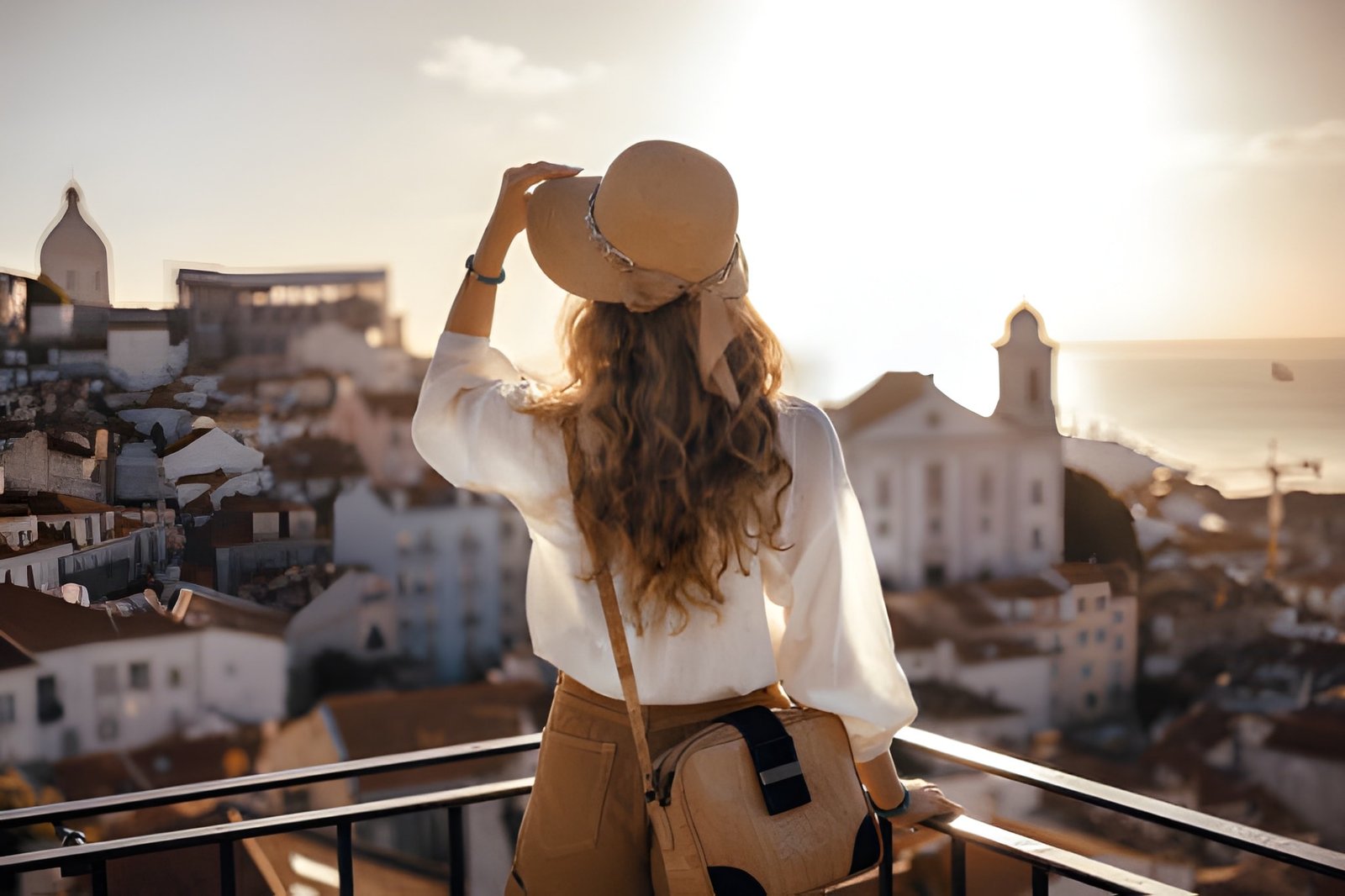
I’ll never forget the moment I decided to take my first solo trip at 42. Sitting at my kitchen table, surrounded by travel brochures and a lukewarm cup of coffee, I felt equal parts exhilarated and terrified. My kids were older, my marriage had ended, and suddenly I had this gift I hadn’t expected: time, freedom, and a burning desire to discover who I was outside of the roles I’d played for two decades.
That first trip to Portugal changed everything. Not because it was perfect—there were moments of loneliness, navigation mishaps, and uncomfortable situations—but because it proved something crucial: I was capable of creating joy, adventure, and meaning entirely on my own terms.
Three years and fifteen solo trips later, I’ve discovered that women over 40 possess something younger travelers often lack: self-awareness, financial stability, confidence born from life experience, and the wisdom to prioritize what truly matters. We’re not trying to prove anything to anyone. We’re traveling for ourselves, on our own terms, and that freedom is intoxicating.
If you’ve been dreaming about taking a solo trip but haven’t quite pulled the trigger, this guide is for you. Whether you’re navigating life after divorce, embracing empty nest freedom, celebrating a milestone birthday, or simply craving adventure that’s entirely your own, solo travel after 40 can be the most transformative experience of your life.
Why Women Over 40 Are Redefining Solo Travel
The solo travel landscape has shifted dramatically in recent years, and women over 40 are leading the charge. We’re not the demographic that travel companies originally catered to, but we’ve become one of the fastest-growing segments in the industry. Statistics show that 72% of American women now choose solo travel experiences, with the 40-60 age bracket representing the highest spending category.
This isn’t surprising when you consider what we bring to the table. By 40, most women have accumulated not just financial resources but something far more valuable: the wisdom to know what we actually want from life. We’ve spent decades making other people happy, managing households, building careers, and navigating the complex expectations society places on women. Solo travel represents something revolutionary—the radical act of prioritizing our own desires, curiosities, and dreams.
The Financial Freedom That Changes Everything
Let’s address what many travel blogs gloss over: solo travel becomes exponentially easier when you can afford it, and women over 40 typically have more financial resources than their younger counterparts. You’re likely established in your career, you’ve built savings, and you understand the value of investing in experiences that genuinely enrich your life rather than just collecting passport stamps for social media.
This financial stability means you can prioritize safety and comfort without guilt. You can book the hotel in the safer neighborhood, take the direct flight instead of the 14-hour layover option, and hire a guide when navigating unfamiliar territory. You can afford comprehensive travel insurance, quality luggage that won’t fall apart mid-trip, and the flexibility to change plans if something isn’t working. These aren’t luxuries—they’re practical decisions that make solo travel more enjoyable and sustainable.
The financial freedom also extends to how you structure your trips. You’re not obligated to stay in hostels or cheap accommodations that compromise your comfort and safety. You can invest in experiences that genuinely interest you rather than just checking boxes on someone else’s “must-see” list. Want to skip the overcrowded tourist attraction and spend the afternoon at a local spa instead? You can make that choice without worrying about wasting money or missing out.
Life Experience as Your Secret Weapon
Those decades of navigating workplace politics, managing households, handling family crises, and solving problems? They’re your secret weapon as a solo traveler. You’ve developed intuition about people and situations that younger travelers haven’t yet honed. You can read a room, sense when something feels off, and trust your instincts in ways that come only from lived experience.
This isn’t about being jaded or suspicious—it’s about having a finely tuned radar that helps you stay safe while remaining open to genuine connections. You know the difference between friendly local hospitality and someone who sees you as a mark. You can distinguish between a situation that’s uncomfortable but harmless and one that requires immediate exit. These skills, developed over decades of navigating the world as a woman, become invaluable assets when traveling solo.
You’ve also learned how to adapt to unexpected circumstances without falling apart. Flight canceled? You’ll figure it out. Lost in a foreign city? You’ll ask for directions and find your way. Restaurant doesn’t match the photos? You’ll eat somewhere else or make the best of it. The resilience you’ve built through life’s challenges translates directly into confident, capable solo travel.
The Liberation of Not Caring What Others Think
Perhaps the greatest gift of reaching 40 is the gradual release from the tyranny of other people’s opinions. You’ve spent enough years trying to please everyone else, meet external expectations, and fit into prescribed roles. Solo travel over 40 often coincides with a profound internal shift—a decision to prioritize your own happiness and curiosity over what others think you should be doing.
This psychological freedom transforms the entire travel experience. You’re not performing for anyone’s Instagram feed or trying to prove anything to friends back home. You can spend an entire day reading in a café if that’s what feeds your soul, skip the famous museum if it doesn’t interest you, or deviate entirely from your planned itinerary because something unexpected caught your attention. You’re traveling for yourself, and that authenticity creates experiences far more meaningful than any carefully curated highlight reel.
The confidence that comes with age also makes it easier to navigate situations that might have intimidated you at 25. Dining alone in nice restaurants? You now understand it’s a luxury, not a source of embarrassment. Asking for what you need in hotels or restaurants? You’ve learned that clear communication gets results. Setting boundaries with overly friendly strangers? You know how to be polite but firm. These skills make solo travel over 40 not just feasible but genuinely enjoyable.
The Best Destinations for Your First Solo Trip Over 40
Choosing your first solo destination requires balancing adventure with accessibility, excitement with safety, and novelty with comfort. After helping dozens of women plan their inaugural solo trips and taking fifteen myself, I’ve identified several destinations that consistently deliver positive first experiences for women over 40.
Portugal: Where Solo Travel Feels Like Coming Home
Portugal has become my go-to recommendation for first-time solo travelers over 40, and it’s not hard to understand why. This beautiful country combines Old World charm with modern infrastructure, offering the cultural richness of Europe at prices that won’t devastate your budget. More importantly, Portugal has cultivated a genuine welcome for solo female travelers that goes beyond tourism marketing into authentic cultural warmth.
The Portuguese people possess a kindness toward visitors that feels different from the transactional hospitality you find in more tourist-saturated destinations. They’re genuinely pleased when you attempt their language, patient with navigation questions, and quick to offer recommendations that reflect actual local knowledge rather than commission-based suggestions. This creates an environment where solo travel feels less isolating and more like being temporarily adopted by a friendly community.
Lisbon, Portugal’s hilly capital, provides the perfect introduction to solo European travel. The city is compact enough to navigate confidently but large enough to offer endless discovery. You can spend mornings exploring historic neighborhoods like Alfama, where narrow streets wind past traditional tile facades and the sound of fado music drifts from open windows. Afternoons might involve riding the iconic yellow trams, sipping coffee at outdoor cafes while watching city life unfold, or browsing the boutiques and bookshops that line tree-shaded streets.
The food culture in Lisbon welcomes solo diners with open arms. Portuguese restaurants understand that eating alone is often a choice rather than a circumstance to be pitied. You’ll find counter seating at many establishments, communal tables at traditional tascas, and outdoor cafe culture that makes solo dining feel natural and pleasant. The food itself—fresh seafood, perfectly grilled sardines, custard tarts that melt on your tongue—provides its own form of companionship and pleasure.
From Lisbon, the country opens up with easy day trips or longer stays. Sintra, just 40 minutes away, offers fairytale palaces and romantic gardens that seem designed for solitary wandering and contemplation. Porto, three hours north by comfortable train, combines riverside beauty with port wine culture and a UNESCO World Heritage historic center. The Algarve coast provides beach time and coastal hiking when you need to balance urban exploration with natural beauty and physical movement.
Portugal also offers practical advantages that reduce the stress of first-time solo travel. Public transportation is reliable, affordable, and easy to navigate with English signage and announcements. Healthcare is excellent with pharmacies everywhere and English-speaking doctors readily available. The country ranks as one of the world’s safest, with low crime rates and a culture that respects personal space and boundaries. Even Portugal’s compact size works in your favor—you can experience multiple distinct regions without constant long-distance travel that eats into your exploration time.
Iceland: Adventure Wrapped in Safety
Iceland represents something special for women over 40 seeking adventure within a framework of exceptional safety and infrastructure. This small Nordic island nation has built its tourism industry around the understanding that visitors want to experience dramatic natural beauty without compromising on comfort or security. The result is a destination where you can witness geysers erupting, walk behind massive waterfalls, and search for Northern Lights while knowing that help, hospitality, and excellent services are never far away.
The Icelandic people take pride in their country’s safety record and environmental stewardship. As a solo female traveler, you’ll experience a culture that treats you with the same respect and consideration extended to any other visitor. There’s no sense of vulnerability or hypervigilance required—just the freedom to immerse yourself in one of the world’s most dramatic landscapes.
Reykjavik, Iceland’s capital and your likely entry point, combines small-town friendliness with sophisticated urban amenities. The city’s compact downtown can be explored on foot, with colorful buildings, innovative restaurants, and galleries showcasing Icelandic art and design. The Hallgrímskirkja church provides panoramic views from its tower, while the harbor area offers whale watching tours and fresh seafood restaurants. But Reykjavik also serves as your gateway to the natural wonders that make Iceland truly special.
The Golden Circle, Iceland’s most popular route, can be experienced through organized tours or independent rental car exploration. Both options work well for solo women, with tour groups providing built-in companionship and shared experiences while rental cars offer flexibility and solitude. The route encompasses Þingvellir National Park, where you can walk between continental plates; Geysir, where hot springs erupt with regularity; and Gullfoss, a massive waterfall that demonstrates nature’s raw power.
Iceland’s wellness culture aligns perfectly with the self-care priorities many women embrace in their 40s and beyond. The Blue Lagoon, with its milky blue geothermal waters and silica mud masks, provides rejuvenation wrapped in stunning volcanic landscapes. Natural hot springs scattered throughout the country offer authentic soaking experiences away from tourist crowds. The emphasis on clean living, healthy eating, and connection with nature creates an environment that nourishes body and spirit.
The practical aspects of Iceland travel reduce common solo travel anxieties. English is universally spoken, eliminating language barrier stress. The tourism infrastructure is highly developed with well-marked trails, abundant tour options, and accommodation ranging from budget guesthouses to luxury hotels. Mobile connectivity is excellent, ensuring you’re never truly isolated even in remote areas. The midnight sun in summer provides extended daylight for exploration, while winter’s darkness creates ideal conditions for Northern Lights viewing without requiring overnight wilderness camping.
Creating Your Perfect Solo Travel Itinerary
Planning your first solo trip requires a different approach than planning group travel or couples’ vacations. You’re the only person to please, which is both liberating and potentially overwhelming. Without the need for compromise, you face the challenge of designing an experience that genuinely satisfies your own desires rather than defaulting to what you think you’re supposed to want from travel.
Understanding Your Travel Personality
Before booking flights or accommodations, spend time honestly assessing your travel personality and preferences. This self-knowledge forms the foundation for trips that energize rather than exhaust you, satisfy rather than disappoint you, and create memories you’ll genuinely treasure rather than just photographs you feel obligated to post.
Consider whether you’re naturally extroverted or introverted, as this fundamentally shapes how you’ll experience solo travel. Extroverts often thrive on the social aspects of solo travel—meeting fellow travelers, joining group tours, striking up conversations with locals, and embracing the spontaneous connections that arise when traveling alone. They recharge through these interactions and might struggle with extended periods of solitude. If this describes you, look for destinations with strong social infrastructure: hostels with common areas even if you book private rooms, group tours that facilitate connections, cities with vibrant café cultures where solo diners are welcome, and activities that naturally bring people together.
Introverts, conversely, often discover that solo travel offers something precious: the luxury of complete control over social interaction. You can retreat to your hotel room without guilt, spend entire days without speaking to anyone beyond transactional interactions, and choose exactly when and how to engage with others. If solitude recharges your batteries, embrace it. Choose quieter destinations, book accommodations that offer private spaces, and don’t force yourself into group activities that drain rather than energize you.
Your physical capabilities and preferences matter more than social media might suggest. The travel industry often promotes constant activity, early mornings, packed itineraries, and the idea that you must maximize every moment in a new destination. This approach exhausts most people and it’s particularly ill-suited to solo travel over 40, when your body might need more rest, your interests might lean toward depth rather than breadth, and your schedule doesn’t require accommodation of anyone else’s energy levels or interests.
Be honest about your fitness level when planning activities. If you can’t comfortably walk five miles at home, don’t build an itinerary around cities that require constant uphill walking. If early mornings leave you foggy and irritable, don’t book sunrise tours just because they’re popular. If you need substantial downtime to process experiences and recharge, don’t fill every hour with scheduled activities. The beauty of solo travel is that you can design trips that work with your body’s rhythms rather than against them.
The Art of Balanced Itinerary Design
The most successful first solo trips balance structure with flexibility, novelty with familiarity, challenge with comfort. Too much structure can feel restrictive and prevent the spontaneous discoveries that make travel magical. Too little structure can create anxiety and paralysis when faced with unlimited options. Finding your personal balance point requires some experimentation, but certain principles consistently create positive experiences.
Consider the rule of thirds as a framework for itinerary design: spend roughly one-third of your time on must-see experiences that drew you to the destination, one-third on spontaneous discoveries and local experiences, and one-third on rest, processing, and simple pleasures. This approach ensures you accomplish your primary goals while leaving space for the unexpected connections and experiences that often become your most treasured memories.
Book accommodations and transportation in advance to create a secure framework, but leave your daily schedules loose enough to adapt. Knowing where you’ll sleep each night and how you’ll move between destinations eliminates major stress points while preserving freedom in how you spend your waking hours. You can wake up and decide whether today is a museum day or a wandering day, whether you want to join a group tour or explore independently, whether you need rest or activity.
Build buffer days into longer trips—unscheduled time with no plans beyond “exist in this place.” These days often become favorites, allowing you to return to locations that captured your interest, pursue spontaneous opportunities, catch up on rest, do laundry, or simply sit in a café watching life unfold. Buffer days also provide insurance against travel fatigue, unexpected delays, or weather that disrupts original plans.
Consider including at least one or two activities specifically designed to facilitate connections with other travelers. This might mean joining a walking food tour, taking a cooking class, participating in a group day trip, or staying in accommodations with communal spaces. Even introverts often appreciate occasional human connection during extended solo travel, and structured activities make these interactions easier and less stressful than trying to forge connections in completely unstructured environments.
Safety Strategies for Women Traveling Solo Over 40
Safety concerns prevent more women from solo travel than any other factor. While legitimate safety considerations exist—traveling alone anywhere involves different risks than traveling in groups—many fears stem from societal messaging that women are inherently vulnerable and need protection rather than from actual statistical danger. Women over 40 often carry decades of internalized messaging about danger and risk that doesn’t reflect current reality or our own capabilities.
Practical Safety Without Paranoia
Effective solo travel safety balances realistic precautions with the confidence to embrace adventure. You’re not ignoring danger by refusing to live in constant hypervigilance, and you’re not being naive by trusting your experiences and instincts. The goal is informed awareness—understanding genuine risks while recognizing that most places are safe most of the time, and that you possess significant skills for navigating the minority of situations that require caution.
Research your destination’s actual safety statistics rather than relying on vague warnings or stereotypes. The U.S. State Department provides detailed country-specific information about genuine security concerns, as do travel forums where actual visitors share recent experiences. Look for patterns in the information you find: are concerns about petty theft (common worldwide and manageable through basic precautions) or violent crime (rare in most tourist destinations)? Are warnings specific to certain areas or times of day? Understanding actual risks allows you to take appropriate precautions without unnecessary restriction.
Accommodation choice significantly impacts your safety and peace of mind. Prioritize locations in well-lit, populated areas with good public transportation access and nearby amenities. Read recent reviews specifically from solo female travelers, who often mention safety considerations that other reviewers overlook. Consider booking your first night or two in a more expensive, centrally located hotel even if you plan to move somewhere cheaper later—arriving in a new destination to known, reliable accommodation reduces stress and provides a secure base while you orient yourself.
Share your itinerary with someone back home, but make this practical rather than paranoid. A trusted friend or family member should know your general location, accommodation details, and when to expect check-ins. Use this as a safety net without allowing it to become a reporting obligation that undermines your independence. Simple text updates when you change locations or every few days provide security without constant monitoring.
Trust your instincts without second-guessing yourself. If a situation feels wrong, remove yourself without worrying about being polite or whether you’re overreacting. Decades of life experience have given you finely tuned intuition about people and situations—honor that knowledge. You don’t owe strangers your time, attention, or explanations. You can decline invitations, leave uncomfortable situations, and prioritize your comfort without guilt.
Managing Technology for Safety and Connection
Technology transforms solo travel safety by providing instant access to information, navigation, communication, and emergency services. Your smartphone becomes Swiss Army knife, combining maps, translator, emergency contact, entertainment, camera, and connection to home. Understanding how to leverage technology while avoiding its pitfalls creates both safety and freedom.
Download offline maps for your destination before arrival, ensuring you can navigate even without internet connectivity. Google Maps allows offline downloading of specific areas, providing turn-by-turn walking directions, public transportation information, and location saving without requiring data or WiFi. This eliminates the vulnerable appearance of obviously lost tourists consulting paper maps on street corners while providing reliable navigation.
Consider purchasing an international phone plan or local SIM card to ensure connectivity throughout your trip. The ability to call for help, use ride-sharing apps, access real-time information, and maintain contact with home provides security worth the expense. Many U.S. carriers offer affordable international plans, and local SIM cards in most destinations cost less than one nice dinner while providing full phone and data capabilities.
Register with your embassy when traveling internationally. This free service ensures you receive safety updates about your destination and facilitates embassy assistance in genuine emergencies. While you’ll hopefully never need embassy intervention, knowing this support exists provides peace of mind and practical help if serious problems arise.
Use ride-sharing apps like Uber or local equivalents instead of hailing taxis from the street when available. These apps provide driver information, route tracking, cashless payment, and accountability that street taxis lack. Share your ride status with friends back home during late-night travel, creating an additional safety layer without requiring active check-ins.
Budget Planning for Solo Travel Over 40
Solo travel costs more per person than traveling in pairs or groups—you pay full price for single accommodation, can’t split taxi fares or restaurant meals, and lose the economy of shared expenses. However, women over 40 often have financial flexibility that younger travelers lack, and the value of solo travel extends far beyond simple cost-per-day calculations. The question isn’t whether solo travel costs more, but whether the experience justifies the investment.
Understanding True Solo Travel Costs
Honest budget planning requires accounting for the single supplement—the additional cost solo travelers pay for accommodations designed for double occupancy. Hotels typically charge 60-80% of the double rate for single occupancy, meaning you’re paying significantly more per person than couples or friends traveling together. This reality frustrates many solo travelers, but understanding it allows realistic budget planning rather than unpleasant surprises.
However, solo travel also offers financial advantages rarely mentioned in budget discussions. You control every spending decision without compromise or negotiation. Want to splurge on one amazing restaurant but eat simple meals otherwise? Your choice. Prefer comfortable mid-range hotels but are happy with budget airlines? You decide. Would rather skip expensive tours and explore independently? No one to convince. This financial autonomy often results in spending that aligns perfectly with your values and priorities rather than compromising on everything to satisfy group preferences.
Consider creating a daily budget framework that allocates funds across major categories: accommodation, food, activities, transportation, and miscellaneous purchases. This structure provides spending guidelines without restrictive tracking of every coffee or souvenir. Many destinations break down into predictable per-day costs that simplify planning: budget destinations ($50-80 per day), mid-range destinations ($100-150 per day), and luxury destinations ($200+ per day). These figures should include accommodation, meals, local transportation, and activities, but not international flights or special splurges.
Build buffer money into your budget for unexpected expenses, spontaneous opportunities, or simple desire to splurge. Solo travel should feel abundant rather than restrictive, and having financial breathing room reduces the stress of constant budget calculations. A good rule of thumb is adding 20-25% to your calculated budget to cover these extras without guilt or financial strain.
Where to Splurge and Where to Save
Strategic spending allows solo travel at various budget levels without sacrificing experiences that matter to you. The key is identifying which aspects of travel bring you genuine joy and satisfaction versus which represent other people’s priorities or travel marketing creating artificial “must-dos.”
Accommodation represents solo travel’s biggest expense and deserves thoughtful consideration. While cheap hostels might work for 22-year-olds, most women over 40 prioritize different factors: safety, comfort, privacy, and good rest. Mid-range hotels often provide the best value, offering reliable comfort and security without luxury resort prices. Look for properties with excellent reviews from solo female travelers, central locations reducing transportation costs, and amenities like breakfast that offset restaurant expenses.
Consider splurging on your first and last nights in nicer hotels even if you plan budget accommodation for the middle of your trip. Arriving to reliable comfort in a new destination reduces stress and provides secure base for orientation. Ending with comfortable accommodation for your final night ensures good rest before travel home and creates positive closing memories.
Food offers flexible budget options that don’t necessarily correlate with enjoyment. Some of the world’s best meals come from street vendors, local markets, and family-run establishments that charge a fraction of tourist restaurant prices. Save money on simple breakfasts and casual lunches, then splurge on special dinners that showcase local cuisine. Picnics assembled from market ingredients cost little but create memorable experiences combining food, location, and quiet enjoyment.
Many destinations’ best experiences cost little or nothing: walking historic neighborhoods, hiking natural areas, visiting free museums on designated days, attending local festivals and markets, people-watching from cafes, exploring gardens and parks. Don’t assume expensive means better or that you must pay for organized tours when independent exploration works perfectly well.
Conversely, invest in experiences that provide safety, education, or access you couldn’t achieve independently. Professional guides often transform sites from pretty backgrounds into meaningful historical or cultural experiences. Group tours facilitate connections with fellow travelers while handling logistics that might intimidate solo travelers. Splurge on experiences you’ll remember forever rather than cutting corners that compromise your comfort or safety.
Health and Wellness Considerations for Traveling Over 40
Travel after 40 requires different health preparation than travel at 25. Your body has different needs, potential limitations, and maintenance requirements that directly impact your travel experience. Ignoring these realities leads to exhaustion, illness, injury, or simply missing out on experiences because you didn’t prepare properly. Embracing them allows travel that energizes rather than depletes you.
Pre-Trip Health Preparation
Schedule a pre-trip doctor’s appointment for international travel, especially to developing countries or regions with different health risks than home. Discuss your planned activities and destinations to identify necessary vaccinations, prophylactic medications, or health precautions specific to your itinerary. This appointment also provides opportunity to refill prescription medications, discuss altitude adjustment if traveling to high-elevation destinations, and address any concerns about traveling with existing health conditions.
Carry double your necessary prescription medications in original containers, splitting supplies between carry-on luggage and checked bags in case of loss or theft. Bring written prescriptions and doctor’s notes for controlled substances to facilitate border crossing and enable emergency refills if needed. Research medication availability and brand names in your destination, as you may need to purchase common items like pain relievers or allergy medications under different names.
Travel insurance becomes increasingly important as you age. Comprehensive policies cover medical emergencies, evacuation if necessary, trip cancellation for health reasons, and lost luggage or documents. While insurance seems like unnecessary expense until you need it, medical emergencies abroad can cost tens of thousands of dollars, and evacuation can run into six figures. The peace of mind alone justifies the few hundred dollars most policies cost for international travel.
Create a health information card listing your blood type, allergies, current medications, emergency contacts, and insurance information. Keep copies in your wallet, luggage, and shared digitally with emergency contacts back home. In medical emergencies, this information enables rapid appropriate treatment even if you’re unable to communicate clearly.
Maintaining Wellness While Traveling
Solo travel without anyone to moderate your pace requires self-awareness about your physical and emotional limits. The freedom to set your own schedule makes it easy to overtax yourself, skipping rest because you feel you should maximize limited vacation time or pushing through fatigue because you’re alone and have no one else to suggest taking breaks.
Build rest into your itinerary as deliberately as you schedule activities. Plan occasional sleep-in mornings, afternoon naps, or entire days devoted to light activity and relaxation. Your body likely needs more recovery time than it did at 25, and fighting this reality leads to illness, injury, or simple exhaustion that undermines your entire trip. Accept that you may not cover as much ground as younger travelers or accomplish as much in a day, and recognize that depth of experience often matters more than quantity of activities.
Prioritize sleep more than you might on group travel where late nights and early mornings become normalized. Adequate sleep supports immune function, mood stability, energy levels, and cognitive clarity—all crucial for solo travel safety and enjoyment. Don’t sacrifice sleep to pack in more activities or force yourself to match other travelers’ schedules. One of solo travel’s greatest gifts is the ability to honor your body’s natural rhythms.
Stay hydrated despite the inconvenience of frequent bathroom stops and carrying water bottles. Dehydration exacerbates jet lag, causes fatigue, compromises immune function, and impairs judgment. Coffee and alcohol dehydrate rather than hydrate, so match their consumption with equal water intake. Many destinations have questionable water safety, so invest in a water bottle with built-in filtration or stick with bottled water to avoid illness.
Maintain physical activity through walking, hotel gym use, or destination-appropriate activities like hiking or swimming. Exercise combats jet lag, maintains fitness levels that enable trip enjoyment, boosts mood, and provides structure to days that otherwise might feel shapeless. Movement also facilitates digestion when eating richer foods than usual and counters the stiffness that comes from long flights or car travel.
Frequently Asked Questions About Solo Travel for Women Over 40
Q: Is it safe for women over 40 to travel alone?
A: Safety depends more on destination choice, preparation, and awareness than age. Women over 40 often have better safety instincts and financial resources to make safe choices than younger travelers. Choose destinations with strong safety records, stay in well-reviewed accommodations in good locations, trust your instincts, and take standard precautions. Most solo female travelers report feeling safe and encounter no serious problems.
Q: How do I meet people when traveling solo?
A: Connection opportunities abound for those who seek them. Join group tours or cooking classes, stay in properties with common areas, eat at restaurant bars rather than solo tables, use travel apps designed for meeting fellow travelers, attend local events or festivals, and don’t hesitate to strike up conversations with other solo travelers. However, also embrace solitude if that’s what you need—solo travel doesn’t require constant socializing.
Q: What if I get lonely traveling alone?
A: Loneliness affects some solo travelers at times, especially during meals or evenings. Combat it by scheduling social activities like group tours, maintaining connection with home through video calls or messages, bringing engaging books or projects for downtime, staying in areas with vibrant street life, and recognizing that occasional loneliness is normal and temporary. Many travelers report that loneliness on solo trips feels different from loneliness at home—more contemplative and less isolating.
Q: How much money should I budget for my first solo trip?
A: Budget depends entirely on destination and travel style, but expect to pay more per person than group travel due to single supplements. A comfortable first solo trip to a mid-range destination might run $2,000-4,000 for 7-10 days including flights, accommodation, food, activities, and incidentals. Budget destinations can cost significantly less; luxury travel considerably more. Build a 20-25% buffer beyond calculated expenses for spontaneous opportunities and unexpected costs.
Q: What should I do about travel insurance?
A: Purchase comprehensive travel insurance for international trips, especially as you age. Look for policies covering medical emergencies, evacuation, trip cancellation, and lost luggage. Compare policies specifically designed for solo travelers, which may offer better coverage for single-supplement costs. The peace of mind justifies the expense, and one medical emergency could cost more than decades of insurance premiums.
Q: How do I deal with people’s judgment about traveling alone?
A: Expect some people to question your decision, express concern, or simply not understand the appeal. Remember that their reaction reflects their own limitations and fears, not your choice. You don’t owe anyone explanations or justification for how you spend your time and money. Surround yourself with supportive people, connect with other solo travelers who understand, and let your experiences speak for themselves.
Your Journey Begins Now
Solo travel after 40 represents possibility, freedom, and the radical act of prioritizing your own growth and happiness. It’s not about running away from life but running toward experiences that expand your world and deepen your understanding of yourself. Every woman who’s taken that first solo trip describes it as transformative—not necessarily easy, not always comfortable, but absolutely worth every moment of uncertainty that preceded it.
You’ve spent decades building the skills, wisdom, and resources that make you perfectly suited for solo travel. The question isn’t whether you’re ready—it’s whether you’re willing to bet on yourself, to choose adventure over comfort, to discover what’s possible when you step outside the roles and responsibilities that have defined you for so long.
Start small if you need to. A weekend alone in a nearby city can build confidence for longer, farther adventures. Or jump straight to the dream trip you’ve been postponing for years, decades, or your entire adult life. There’s no wrong way to begin, only the choice between starting or staying where you are.
The world is waiting to meet you—the real you, unfiltered by anyone else’s expectations or needs. Pack your bags, book that ticket, and discover what’s possible when you finally, fearlessly, put yourself first.
Your adventure begins now.
