

I’m sitting in Friday afternoon traffic on the Golden Gate Bridge at 4:47 PM, watching brake lights stretch ahead for miles, when I realize I’ve made the classic San Francisco weekend escape mistake—leaving at the worst possible time. After planning thirty-two weekend getaways from San Francisco over the past twelve years, I’ve learned that timing your departure transforms a stressful five-hour crawl into a pleasant two-hour drive, and that the difference between a memorable weekend and a frustrating one often comes down to knowing which destinations work for which seasons.
Most San Francisco weekend getaway guides list the same obvious places without explaining the traffic reality that ruins Friday departures, which destinations actually deliver on their promises versus overhyped disappointments, or how to pick the right escape based on weather, your budget, and what you actually want from a weekend away. This complete guide provides 11 tested weekend destinations with specific departure timing strategies, honest assessments of drive times in real conditions, seasonal recommendations, and weekend budget breakdowns. Whether you’re seeking coastal beauty, wine country relaxation, mountain adventures, or small-town charm, you’ll find the perfect two-day escape within three hours of San Francisco.
Understanding Weekend Getaways from SF
San Francisco’s location provides access to extraordinary diversity within a short drive. Head north for wine country and rugged coastline. Drive east for Sierra Nevada mountains and alpine lakes. Go south for the iconic Big Sur coastline and Central Coast beaches. Each direction offers completely different landscapes and experiences.
The three-hour driving radius from San Francisco encompasses Mendocino to the north, Lake Tahoe to the east, and Big Sur to the south. That range includes wine regions, beaches, mountains, forests, and historic towns—more variety than most states offer in their entirety.
Traffic patterns significantly impact weekend travel. Friday afternoons from 3-7 PM turn normally two-hour drives into four-hour ordeals. Sunday afternoons returning to San Francisco create similar congestion. Smart timing makes the difference between enjoying your getaway and spending it stuck in traffic.
Weather varies dramatically by direction and elevation. Coastal areas run cool and foggy even in summer. Wine country heats up significantly. Mountains bring snow in winter and mild temperatures in summer. Always check forecasts for your specific destination rather than assuming San Francisco weather applies.
Most weekend getaways work best with two full days Saturday and Sunday at your destination. Leaving Friday evening after work provides one overnight before your full Saturday. Some closer destinations like Napa work as true two-night trips with Friday evening departure and Sunday afternoon return.
The Best Weekend Getaways from San Francisco
Wine Country Escapes
Napa Valley
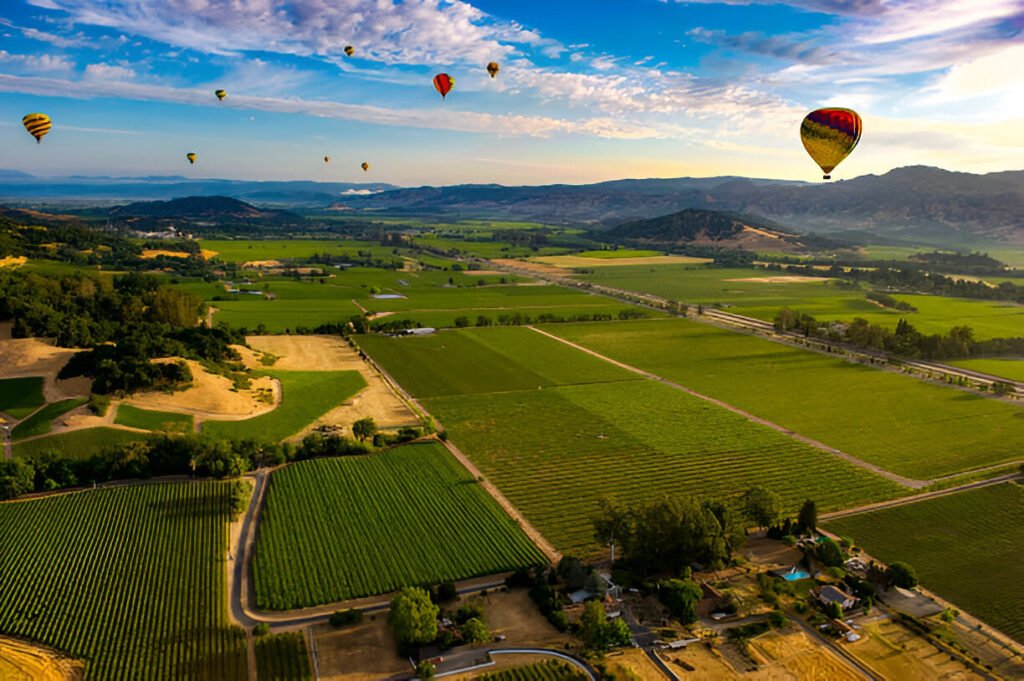
Napa Valley sits 60 miles north of San Francisco and remains the Bay Area’s most classic weekend escape. The valley stretches 30 miles from Napa city to Calistoga, lined with hundreds of wineries ranging from famous estates to family-owned boutiques.
The valley floor features the marquee wineries—Robert Mondavi, Opus One, Stag’s Leap—where tasting appointments cost $75-150 per person. The Silverado Trail running parallel to Highway 29 offers quieter driving and equally impressive wineries. Small towns like Yountville, St. Helena, and Calistoga each provide different vibes from upscale dining to casual charm.
What makes Napa worth the premium prices is the combination of world-class wine, exceptional restaurants, and spa resorts. You can taste outstanding wine in many places, but Napa packages the complete luxury weekend experience better than anywhere else in Northern California.
Driving time from San Francisco runs 75-90 minutes in light traffic via Highway 101 or Interstate 80. Friday rush hour extends that to 2.5-3 hours easily. Leave after 7 PM or wait until Saturday morning. Returning Sunday afternoon hits less traffic than Friday departures.
Napa works year-round with different seasonal appeals. Spring brings mustard flowers blooming yellow between vines. Summer delivers warm weather perfect for outdoor tastings. Fall harvest season from August through October offers the most beautiful vineyard views and celebratory atmosphere. Winter sees fewer crowds and lower lodging rates.
A Napa weekend costs approximately $800-1,500 per couple for two nights including mid-range hotel ($300-500), wine tasting at 3-4 wineries ($200-400), meals ($200-400), and incidentals. Luxury weekends easily double that with upscale resorts and fine dining.
Sonoma County
Sonoma County encompasses multiple wine regions—Sonoma Valley, Russian River Valley, Dry Creek Valley, Alexander Valley—each with distinct character. It’s larger and more spread out than Napa with a more relaxed, less pretentious vibe.
Healdsburg anchors northern Sonoma County with its charming plaza surrounded by tasting rooms, restaurants, and boutiques. The Russian River Valley specializes in pinot noir and chardonnay from cool-climate vineyards. Sonoma Valley’s historic town of Sonoma offers the
most affordable wine tasting and lodging in wine country.
Sonoma feels less polished than Napa and that’s precisely its appeal. Tasting room fees run $20-40 versus Napa’s $75-150. Restaurants offer excellent food without Napa’s prices. You’ll find working vineyards rather than manicured estates, and winemakers who actually pour their own wines.
Driving time to Healdsburg is 75 minutes via Highway 101. Russian River Valley and Sonoma town sit 60 minutes from San Francisco. Friday evening traffic adds 30-60 minutes depending on exact timing.
Sonoma works particularly well in spring when vineyards green up and wildflowers bloom. Summer brings warm weather perfect for river activities in Guerneville and Russian River towns. Fall harvest rivals Napa for beauty. Winter is quiet with significantly lower lodging rates.
Budget $600-1,000 per couple for a Sonoma weekend including lodging ($200-400 for two nights), wine tasting ($150-250), meals ($200-300), and expenses. It’s noticeably more affordable than Napa while delivering comparable wine quality.

Coastal Destinations
Mendocino
Mendocino perches on dramatic headlands 150 miles north of San Francisco where rugged coastline meets Victorian architecture. This tiny village feels transported from New England with white picket fences, historic inns, and an artist colony atmosphere.
The coastline here surpasses anywhere else in Northern California for dramatic beauty. Mendocino Headlands State Park wraps around the village with cliff-top trails offering constant ocean views. The coast combines rocky points, hidden coves, and crashing waves that create spectacular photography at any time of day.
Mendocino attracts artists, writers, and visitors seeking quiet coastal charm over beach activities. The village offers art galleries, small shops, and restaurants but no major attractions beyond the scenery itself. That’s the appeal—this is a place to slow down, walk coastline trails, and appreciate natural beauty.
Driving time is 3-3.5 hours via Highway 101 to Highway 128 through Anderson Valley. The drive through redwood forests and wine country vineyards is scenic but winding. Leave early Saturday morning or late Friday evening to maximize weekend time.
Visit Mendocino in spring when wildflowers bloom on the headlands, or fall for the clearest weather and most dramatic ocean conditions. Summer brings fog that often doesn’t clear. Winter sees rain but offers the most dramatic storm watching and lowest lodging rates.
Weekend budget runs $700-1,200 per couple for two nights at a B&B ($300-600), meals ($250-400), and activities. Mendocino doesn’t have expensive attractions but lodging and dining reflect the upscale visitor base.
Big Sur
Big Sur’s 90-mile stretch of Highway 1 between Carmel and San Simeon represents California’s most spectacular coastline. Steep mountains plunge directly into the Pacific, creating views that photographs can’t fully capture.
Current road closures complicate Big Sur access. The Regent’s Slide closure at milepost 27.8 has blocked through-traffic since February 2024. You can access northern Big Sur from Carmel including highlights like Bixby Bridge, Point Sur, and Pfeiffer Big Sur State Park. Southern Big Sur remains accessible from Cambria. Full highway access should return by March 2026.
Big Sur works best as a long weekend with three days to drive the coast leisurely, hike trails, and absorb the scale and beauty. The drive itself becomes the primary activity—stopping at viewpoints, exploring beaches, and watching for wildlife. Plan 4-6 hours minimum for the drive with stops.
Major sights include Bixby Bridge for dramatic architecture photos, Pfeiffer Beach for purple sand and the Keyhole Arch, McWay Falls with its 80-foot waterfall onto pristine beach, and Point Lobos State Reserve for the clearest coastal water in California.
Driving to northern Big Sur from San Francisco takes 2.5 hours to Carmel, then additional time driving Highway 1 south. Budget a full day for the drive if including multiple stops and hikes. Most visitors spend at least one night in Big Sur, preferably two.
Visit in September-October for the clearest weather and warmest temperatures. April-May offers spring wildflowers and flowing waterfalls. Summer brings fog that may obscure views. Winter storms create dramatic conditions but increase road closure risks.
Big Sur requires significant budget. Lodging runs $250-600 per night at limited options. Meals are expensive with few budget alternatives. Gas costs more. Budget $1,000-2,000 per couple minimum for a Big Sur weekend including lodging, meals, gas, and park fees.
Carmel-by-the-Sea and Monterey
Carmel-by-the-Sea and Monterey sit three miles apart on the Monterey Peninsula, offering two completely different coastal experiences. Carmel delivers fairytale cottage architecture, white-sand beach, and upscale galleries. Monterey provides the world-class aquarium, Cannery Row, and fishing village atmosphere.
Carmel Beach stretches for a mile with soft white sand, twisted cypress trees, and dogs running off-leash. The village itself features strict architectural codes that prevent chain stores and maintain its distinctive character. Galleries outnumber shops, and restaurants serve excellent food at premium prices.
The Monterey Bay Aquarium anchors any peninsula visit with exhibits showcasing the bay’s incredible marine life. The three-story kelp forest, Open Sea exhibit with million-gallon tank, and jellyfish galleries justify the $60 admission. Book timed-entry tickets 2-3 weeks ahead for weekends.
Point Lobos State Natural Reserve three miles south of Carmel protects the most beautiful stretch of coastline on the peninsula with turquoise coves, sea otters, and ancient cypress groves. It requires weekend reservations but delivers the peninsula’s best natural experience.
Driving time is 2 hours to Monterey via Highway 101 or 2.5 hours via scenic Highway 1. Friday evening traffic adds 30-45 minutes. The peninsula works perfectly for weekend trips with two full days exploring different areas.
Visit September-October for the warmest, clearest weather. Spring brings green hillsides but frequent fog. Summer is reliably foggy with afternoon clearing. Winter offers the lowest rates and smallest crowds with occasional rain.
Budget $800-1,500 per couple for a Monterey Peninsula weekend including hotel ($300-600 for two nights), aquarium admission ($120), meals ($300-500), parking, and activities.
Mountain and Lake Destinations
Lake Tahoe
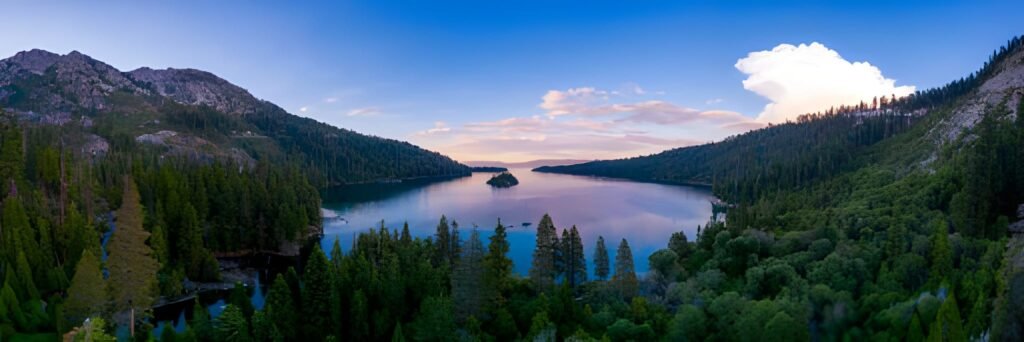
Lake Tahoe sits 200 miles east of San Francisco straddling the California-Nevada border at 6,200 feet elevation. The massive alpine lake surrounded by Sierra Nevada peaks offers year-round recreation from skiing to beach time to hiking.
Tahoe functions as two distinct destinations. South Lake Tahoe brings casinos, restaurants, and nightlife with more development and crowds. North Lake Tahoe including Tahoe City and Truckee offers a quieter, more upscale experience with similar outdoor access.
Summer Tahoe centers on the lake itself. Beaches like Sand Harbor on the Nevada side and D.L. Bliss State Park on the west shore provide swimming and sunbathing. Water sports include kayaking, paddleboarding, and boat rentals. Hiking trails access alpine lakes and mountain peaks.
Winter transforms Tahoe into California’s premier skiing destination. Major resorts like Palisades Tahoe, Northstar, and Heavenly offer world-class skiing with Lake Tahoe views. Cross-country skiing, snowshoeing, and snow play provide alternatives to downhill skiing.
Driving time is 3.5-4 hours via Interstate 80, longer in winter snow conditions. Leave early Saturday morning or Friday evening after traffic clears. Chains may be required in winter—check conditions before departing.
Tahoe works year-round but summer (July-September) and winter (December-March) are peak seasons with highest lodging rates. Shoulder seasons in spring and late fall offer better values with limited activities. September particularly delivers warm days, smaller crowds, and beautiful fall colors.
Budget varies enormously by season and accommodation type. A summer weekend runs $700-1,200 per couple including lodging ($300-500), meals ($250-400), activities ($150-300). Winter ski weekends cost $1,200-2,000+ including expensive lift tickets, lodging, equipment, and meals.
Yosemite National Park
Yosemite National Park’s granite cliffs, waterfalls, and giant sequoias create one of America’s most iconic landscapes 190 miles east of San Francisco. The valley floor concentrates most visitors and famous sites including Half Dome, El Capitan, and Yosemite Falls.
Yosemite requires advance planning. Accommodation in the park books 12 months ahead for summer weekends. Day-use reservations are required for valley entry during peak season. Without planning, you’ll spend hours in entrance lines and find no parking.
The valley offers hiking from easy meadow loops to strenuous climbs to Vernal and Nevada Falls. Climbing draws serious alpinists to big walls. Wildlife including black bears, mule deer, and birds inhabit the forests and meadows. Simply driving through the valley with stops at viewpoints captures the essential Yosemite experience.
Driving time is 4 hours via Highway 120 to the west entrance. Leave early Saturday morning to beat crowds and secure parking. Many visitors stay overnight in the park or nearby towns to maximize time without marathon drive days.
Visit in May when waterfalls peak from snowmelt, or September-October for clear weather and fall colors. Summer brings massive crowds and hot temperatures. Winter closes many roads but offers snow-covered beauty and near-empty valley. Spring combines flowing water with manageable crowds.
Budget $800-1,500 per couple for a Yosemite weekend including lodging in park or gateway towns ($250-500), meals ($200-350), gas, and entrance fee. Park lodging is expensive; gateway towns like Groveland offer better values.
Small Town Charm
Point Reyes National Seashore
Point Reyes National Seashore protects 71,000 acres of windswept peninsula 30 miles north of San Francisco. This easily accessible wilderness offers beaches, coastal trails, and wildlife viewing with none of Big Sur’s crowds or drive time.
The Point Reyes Lighthouse sits at the peninsula’s tip where California’s foggiest, windiest point provides dramatic coastal views and winter whale watching. Tomales Point Trail climbs through grasslands where tule elk graze. Drake’s Beach and Limantour Beach offer sandy expanses for walking.
Point Reyes Station, the gateway town, has evolved from sleepy village to food destination. Tomales Bay Oyster Company serves fresh oysters shucked tableside. Cowgirl Creamery produces award-winning cheeses. Small restaurants and cafes punch above their weight.
Driving time is just 60 minutes from San Francisco via Highway 101 to Sir Francis Drake Boulevard. Friday evening traffic adds minimal time. This proximity makes Point Reyes perfect for two-night weekends with Friday evening arrival.
Visit year-round with different seasonal draws. Winter brings gray whale migration and dramatic storms. Spring offers green hills and wildflowers. Summer brings fog but comfortable temperatures. Fall delivers the clearest weather.
Budget $600-900 per couple for a Point Reyes weekend including lodging at inns or vacation rentals ($250-450), meals including oysters and local restaurants ($200-350), and minimal activity costs.
Half Moon Bay
Half Moon Bay sits just 30 miles south of San Francisco along Highway 1, making it the closest coastal getaway. This agricultural community combines beaches, pumpkin patches, and small-town Main Street character.
Half Moon Bay State Beach stretches for miles with consistent surf, walking paths, and dramatic coastal bluffs. Mavericks surf break north of town produces some of the world’s biggest waves during winter. The harbor offers fishing charters and fresh seafood.
Main Street preserves historic downtown with local shops, restaurants, and that genuine small-town feel increasingly rare in the Bay Area. The coastside trail system connects beaches and provides excellent walking and cycling.
Driving time is just 45-60 minutes via Highway 1 from San Francisco. No traffic concerns make this ideal for Friday evening arrivals. The proximity allows two full weekend days exploring without marathon drives.
Half Moon Bay works year-round though summer brings fog. Fall offers the warmest, clearest weather plus harvest season with pumpkin patches. Winter is quiet with dramatic coastal storms. Spring sees wildflowers blooming on coastal bluffs.
Budget $500-800 per couple for a Half Moon Bay weekend including lodging ($200-350), meals ($200-300), and activities. It’s one of the most affordable coastal weekends from San Francisco.
Additional Weekend Escapes
Paso Robles
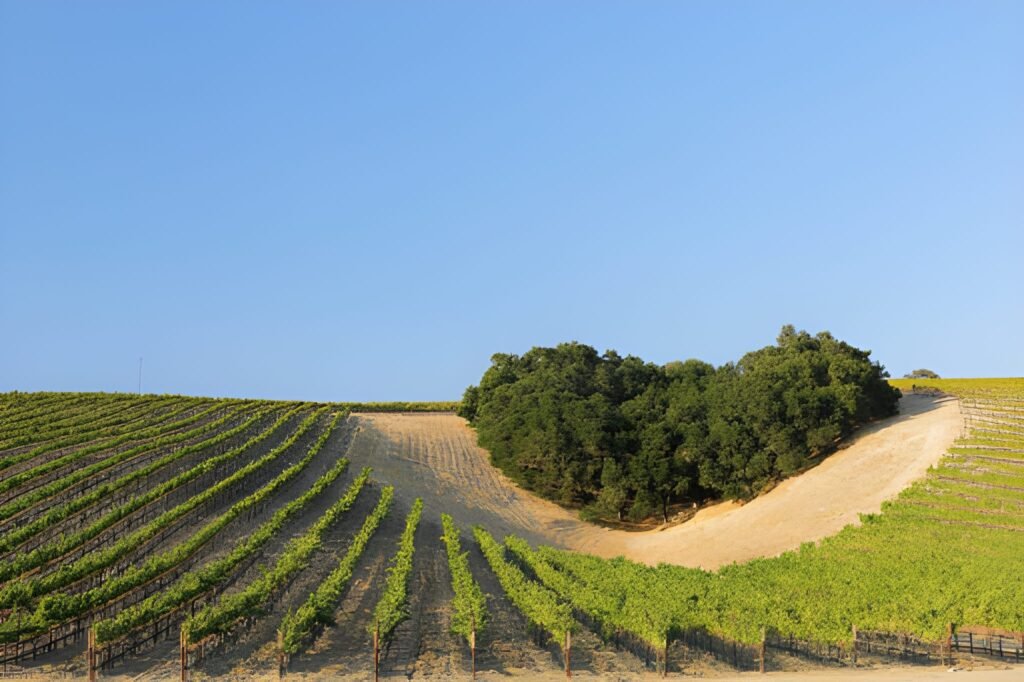
Paso Robles sits 220 miles south in Central California wine country with a completely different character from Napa or Sonoma. This is cowboy wine country with pickup trucks, casual tasting rooms, and hot, sunny weather most of the year.
The region produces exceptional wine—particularly Cabernet Sauvignon, Rhône varietals, and Zinfandel—at lower prices than Napa with far less pretension. Downtown Paso Robles has evolved into a dining destination with excellent restaurants and tasting rooms concentrated in the city park square.
Paso works as a base for exploring nearby Hearst Castle at San Simeon and Morro Bay with its distinctive volcanic rock. The drive down Highway 101 passes through scenic agricultural valleys and San Luis Obispo.
Driving time is 3.5 hours via Highway 101. The drive is straightforward freeway with minimal traffic outside San Jose area. Leave Saturday morning or Friday evening after traffic clears.
Visit Paso in spring (April-May) or fall (September-October) when temperatures are pleasant. Summer exceeds 100°F regularly. Winter is mild and quiet with lowest rates.
Budget $700-1,100 per couple for a Paso Robles weekend including lodging ($250-400), wine tasting ($150-250), meals ($250-350), and gas.

Santa Cruz
Santa Cruz combines beach town culture with redwood forests just 75 miles south of San Francisco. The historic boardwalk with amusement rides anchors the beach scene. Excellent restaurants and cafes serve the UC Santa Cruz student population and locals.
West Cliff Drive traces the coastline with walking paths, surfers at Steamer Lane, and sea lions at the harbor. Henry Cowell Redwoods State Park provides forest hiking minutes from downtown. Capitola Village five miles east offers a quieter, upscale beach town alternative.
Santa Cruz works for families with the boardwalk, couples seeking beach time and good food, or anyone wanting easy coastal access. The vibe is decidedly casual and unpretentious compared to other Bay Area beach towns.
Driving time is 90 minutes via Highway 17 or 2 hours via Highway 1. Friday evening traffic adds 30-45 minutes. Santa Cruz handles two-night weekends easily with Friday evening arrival.
Visit May-October for the warmest, sunniest weather. Winter brings rain and storms. September particularly delivers beautiful conditions with fewer crowds than summer.
Budget $600-900 per couple for a Santa Cruz weekend including lodging ($200-400), meals ($250-350), boardwalk activities, and minimal other costs.
When to Plan Your Weekend Getaway
Different destinations peak in different seasons. Wine country shines in fall harvest season and spring when vineyards green up. Coastal areas deliver their best weather in September-October when summer fog clears. Mountains offer year-round appeal with summer hiking and winter skiing.
Traffic patterns favor mid-week departures over Friday afternoon escapes. Leaving Thursday evening or Saturday morning avoids the worst congestion. Returning Sunday evening hits less traffic than Sunday afternoon.
Book lodging 2-3 months ahead for popular weekends like summer in wine country, fall anywhere, and winter ski season at Tahoe. Shoulder season and weekday trips allow shorter booking windows.
Departure Timing Strategy
The single biggest factor determining weekend success is departure timing. Friday afternoon from 3-7 PM turns normally manageable drives into parking lots. Waiting until 7:30 PM or leaving Saturday morning transforms the experience.
For destinations under 90 minutes (Napa, Sonoma, Point Reyes, Half Moon Bay), leaving Friday after 7 PM works perfectly. You arrive by 8:30-9 PM, grab dinner, and wake up Saturday for a full day.
For 2-3 hour destinations (Mendocino, Tahoe, Paso Robles), Saturday morning departure makes more sense. Leave by 7 AM to arrive by 10 AM with most of Saturday remaining.
For maximum time at destination, take Friday off work and leave mid-morning. This provides Friday afternoon and evening at your destination plus full Saturday and Sunday.
Budget Planning
Weekend getaway costs vary dramatically by destination and travel style. Minimum budgets allow reasonable experiences while luxury weekends can exceed $2,000+ per couple easily.
Budget tier ($500-700 per couple): Half Moon Bay, Santa Cruz, or Point Reyes with modest lodging, casual meals, free activities.
Mid-range ($700-1,200): Wine country, Monterey Peninsula, Mendocino with nice hotels, good restaurants, paid activities.
Luxury ($1,500-2,500+): Napa resort weekends, Big Sur, winter Tahoe skiing with upscale accommodations and fine dining.
Ways to reduce costs include visiting during shoulder seasons when lodging drops 30-40%, eating some meals from groceries, focusing on free activities like beaches and hiking, and booking vacation rentals over hotels for longer stays.
Final Thoughts
After thirty-two weekend getaways from San Francisco spanning every direction and season, I’ve learned that the Bay Area’s greatest asset might be this incredible variety of escapes within reach. You can wake up in San Francisco and fall asleep beside a lake, in wine country, on a mountain, or at the beach—all within three hours.
My favorite weekend getaways aren’t necessarily the most famous destinations. They’re Point Reyes when spring wildflowers carpet the headlands and nobody’s there. They’re Sonoma when you stumble onto a family winery where the owner pours wines and shares stories. They’re Mendocino when fog rolls in and that Victorian inn feels like stepping into another century. They’re Lake Tahoe when you find that perfect beach cove away from South Lake crowds.
What separates ordinary weekend trips from memorable ones is matching the destination to what you actually want from the weekend. Seeking romantic wine country relaxation? Choose Sonoma over Napa for similar wine at lower prices and pressure. Want dramatic coastal beauty? Mendocino or Big Sur deliver far more than busier Monterey. Need easy access with minimal drive time? Point Reyes or Half Moon Bay provide coastal beauty 45-60 minutes from San Francisco.
The 11 destinations in this guide provide options for every preference and season. But also trust your instincts about what sounds appealing. The best weekend getaway is the one that matches your current needs—whether that’s adventure, relaxation, culture, nature, or simply getting out of the city for forty-eight hours.
