
I’m refreshing Recreation.gov at 7:58 AM on a Tuesday in May, credit card ready, multiple browser tabs open, heart racing slightly. At exactly 8:00 AM, I’ll compete with thousands of others trying to secure Yosemite reservations for a June weekend. The system opens, the site immediately slows to a crawl, and after five minutes of frantic clicking, I finally get through—only to discover that Upper Pines Campground is already fully booked for the entire month. Welcome to planning a Yosemite weekend trip in 2025.
After visiting Yosemite fourteen times over nine years—some trips meticulously planned six months ahead, others spontaneous same-week adventures when I couldn’t secure reservations—I’ve learned that successful Yosemite weekends require understanding a reservation system that feels deliberately designed to frustrate you, backup plans for when (not if) your first choice isn’t available, and realistic expectations about what you can actually see in 48 hours versus Instagram’s greatest hits reel.
Most Yosemite guides provide vague 2-3 day itineraries without addressing the elephant in the room: can you even get into the park on your chosen weekend? This complete guide explains the 2025 reservation requirements clearly, provides three tested weekend itineraries (peak season with permits, off-peak without hassles, and budget day-trip option), real accommodation strategies when in-park lodging is sold out, and the honest details that transform Yosemite from overwhelming to manageable for weekend warriors.
Understanding Yosemite’s 2025 Reservation System (Critical Information First)
The Short Answer: May 24 through September 1, 2025, you need both entrance reservations AND park entry fee for weekends and holidays. Outside those dates? Drive right in (within reason—Thanksgiving and other holiday weekends can still be crazy).
The Detailed Reality:
Yosemite implemented reservation systems to control crowds after pandemic-era overcrowding made the park miserable. The 2025 system requires advance reservations during peak season (late May through early September) to enter the park at all, separate from any camping or lodging reservations you might have.
Exact 2025 Reservation Dates: May 24 (Saturday before Memorial Day) through September 1 (Labor Day), 2025. If visiting during these dates on Friday-Sunday or federal holidays, you MUST have a reservation.
How to Get Reservations:
Reservations release May 6, 2025 at 8:00 AM PDT on Recreation.gov for the ENTIRE peak season window. Set multiple alarms. Have account created with credit card saved. Be on the site at 7:55 AM. When 8:00 AM hits, the system will be slow—be patient and persistent.
Cost: $2 per vehicle reservation plus $35 park entrance fee (total $37).
Who’s EXEMPT from needing reservations:
- Overnight lodging or camping already booked inside the park (your lodging confirmation serves as entry)
- Wilderness permit holders (backpacking)
- YARTS bus passengers (public transit into park)
- Entering before 6:00 AM or after 2:00 PM any day (yes, really—early/late entry is free)
Backup Strategies When Sold Out:
7-Day Advance Release: Yosemite releases a batch of reservations 7 days before each date at 8:00 AM PDT. If you’re planning a June 15 visit and couldn’t get May 6 reservations, try again June 8 at 8:00 AM.
Arrive Very Early or Late: No reservation required if entering before 6 AM or after 2 PM. This means Friday evening arrivals (after 2 PM) or very early Saturday starts (before 6 AM) bypass the system entirely. Many savvy visitors use this loophole.
Off-Peak Dates: Before May 24 or after September 1, no reservations required ever. Spring (April-early May) and fall (September-October) offer spectacular Yosemite with zero reservation headaches.
Stay Outside, Visit Without Overnight: Gateway towns (Mariposa, Oakhurst, Groveland) never require reservations. Stay outside the park, drive in for day visits.
Quick Reference: Yosemite Weekend Trip Options
| Option | Best Season | Reservations? | Budget (2 people) | Difficulty | Crowds |
|---|---|---|---|---|---|
| Peak Weekend | Jun-Aug | Required | $700-1,500 | Moderate | Very High |
| Shoulder Season | Apr-May, Sep-Oct | Sometimes | $500-1,200 | Moderate | Moderate |
| Winter Weekend | Dec-Mar | Not Required | $400-900 | Easy-Challenging | Low |
| Budget Day Trip | Any | Depends | $200-400 | Easy | Varies |
Complete Peak Season Weekend Itinerary (Friday-Sunday)
Assumptions: Visiting June-August, have secured reservations or arriving outside reservation hours, staying in Yosemite Valley.
Friday: Arrival & Settling In
Drive Time Considerations:
- From San Francisco: 4 hours via Highway 120 West (Big Oak Flat entrance)
- From Los Angeles: 5-6 hours via Highway 41 South entrance
- From Sacramento: 3 hours via Highway 120
Arrival Strategy Option 1 (Bypass Reservation): Leave Bay Area by noon, arrive Yosemite after 2 PM when reservations aren’t required. This means driving 4 hours through Friday afternoon traffic but avoiding reservation stress.
Arrival Strategy Option 2 (With Morning Reservation): Secure reservation, leave very early (6-7 AM), arrive late morning, full afternoon exploring.
Check-In & Orientation:
In-Park Lodging: Yosemite Valley Lodge ($250-400/night, book 366 days ahead when reservations open), Curry Village ($150-250/night for canvas tent cabins or standard rooms), or The Ahwahnee ($600-900/night for luxury).
Gateway Town: Mariposa (45 min west), Oakhurst (1 hour south), Groveland (1 hour west), El Portal (30 min west)—all offer hotels $120-300/night with better last-minute availability.
Friday Evening (Arriving 3-6 PM):
Drive into Yosemite Valley, check in, get bearings. Valley stretches 7 miles long, 1 mile wide—small enough to navigate easily. Free shuttle buses loop the valley every 10-20 minutes stopping at all major sites.
Quick Valley Floor Walk (1-2 hours): Park at Yosemite Village or take shuttle to Stop 6. Walk to Yosemite Falls Lower Trail (15-minute paved loop to waterfall base). Sentinel Bridge provides classic Half Dome reflection photos (best morning light but evening works). Swinging Bridge offers Yosemite Falls views.
Dinner Options: Yosemite Valley Lodge Food Court (casual, $15-25 per person, pizza, salads, sandwiches), The Ahwahnee Dining Room (fine dining, reservations essential, $100-150 per person), Curry Village (casual dining, burgers and pizza, $12-20 per person), or packed picnic from outside the park (smarter budget move).
Evening: Rangers programs at various locations (check schedule at visitor center or online). Stargazing from Sentinel Beach or anywhere away from lights—Yosemite’s dark skies reveal the Milky Way clearly summer nights.
Sleep Early: Tomorrow starts early for sunrise and full day hiking.
Saturday: Full Valley Exploration
6:00 AM – Sunrise at Tunnel View or Valley View
Wake early (yes, it’s vacation, but this matters). Drive or shuttle to Tunnel View on Highway 41—the iconic Yosemite vista where El Capitan, Half Dome, and Bridalveil Fall align perfectly. Sunrise paints everything golden (May-July sunrise 6:00-6:30 AM). Allow 45 minutes for photos and simply absorbing the view.
Alternative: Valley View near the start of Highway 41 provides similar vistas with fewer people.
7:30 AM – Breakfast
Return to lodging for breakfast (most include it) or grab bagels/pastries from Yosemite Village Store. Eat while strategizing your day.
8:30 AM – Mist Trail to Vernal Fall (5.4 miles, 4-5 hours round-trip)
This ranks among Yosemite’s most rewarding hikes—you’ll earn spectacular waterfall views through genuine effort.
Trailhead: Happy Isles (Shuttle Stop 16). The trail ascends 1,000 feet via steep granite stairs beside Vernal Fall—mist from the waterfall drenches the trail (hence the name), creating rainbows in morning light. Bring rain jackets or embrace getting soaked.
Options:
- Vernal Fall footbridge: 2 miles round-trip, 400 feet gain, moderate, 2 hours—excellent if time is limited
- Top of Vernal Fall: 5.4 miles round-trip, 1,000 feet gain, strenuous, 4-5 hours—what I’m describing
- Nevada Fall addition: 7 miles round-trip, 2,000 feet gain, very strenuous, 6-7 hours—only if you’re fit hikers
Pack water (2 liters per person minimum), salty snacks, sunscreen, and a complete lunch. You’ll eat at Vernal Fall top with views of Liberty Cap and Nevada Fall above.
1:30 PM – Return, Rest, Lunch
Descend carefully (going down is harder on knees than up), return to valley floor exhausted but exhilarated. Shower, change into clean clothes, rest 60-90 minutes. Your body needs recovery before afternoon activities.
3:30 PM – Afternoon Valley Floor Exploration
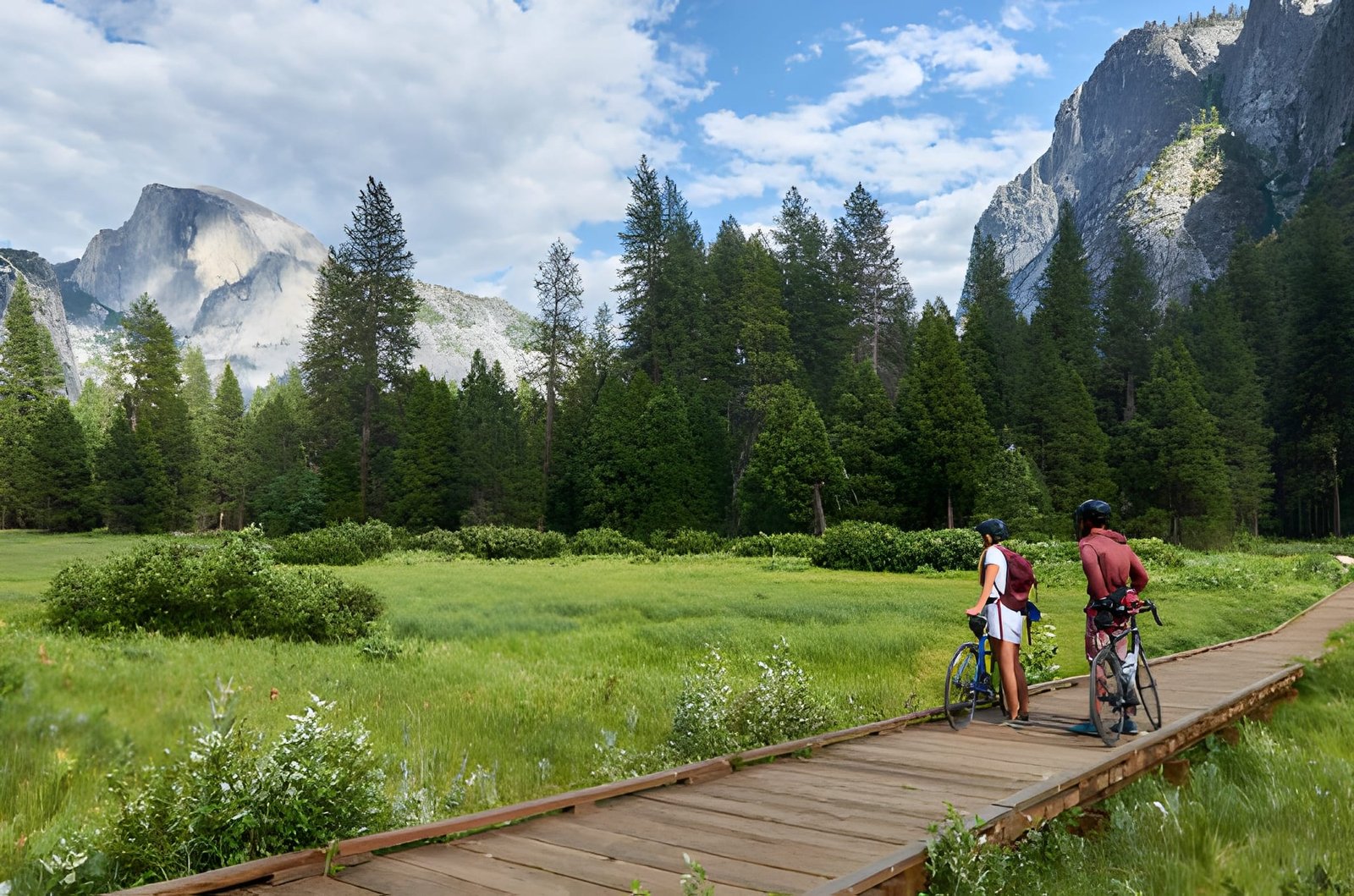
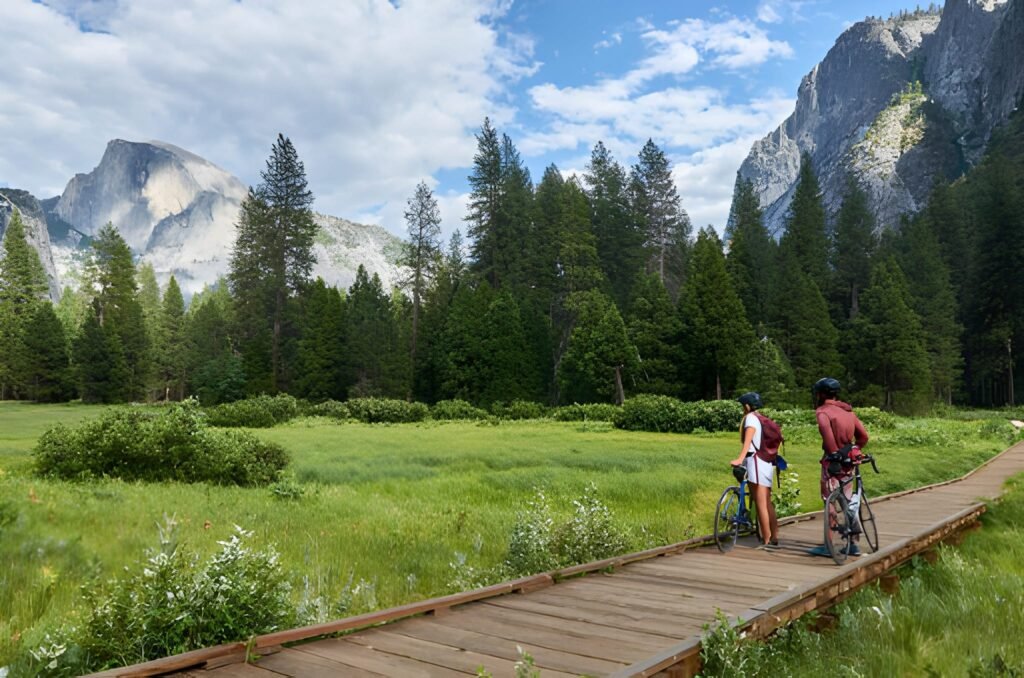
Rent bikes from Yosemite Valley Lodge or Curry Village ($15/hour, $35/day). The Valley Loop Trail (12 miles paved, mostly flat) circles the entire valley floor, passing meadows, beaches, and viewpoints. You don’t need to complete the full loop—ride sections stopping at:
- Sentinel Beach: River swimming (cold even in summer), beach relaxing, Half Dome views
- Swinging Bridge: Yosemite Falls perspective
- El Capitan Meadow: Watch climbers on El Capitan’s face (bring binoculars)
- Cathedral Beach: Quiet spot for hanging out
Alternative if not biking: Mirror Lake Loop (5 miles round-trip, flat, easy walk from shuttle stop). Best early morning or evening for mirror reflections, but anytime works.
6:30 PM – Dinner
If you’ve made reservations: The Ahwahnee Dining Room provides formal experience in historic Great Lounge ($100-150 per person, Sunday brunch is legendary). The Mountain Room Restaurant at Yosemite Valley Lodge offers upscale casual with Yosemite Falls views ($80-120 for two).
No reservations? Yosemite Village Store sells groceries—assemble picnic dinner and eat at El Capitan Meadow watching sunset on the granite monolith.
8:00 PM – Sunset & Evening
Glacier Point sunset (30-minute drive) provides 3,000-foot elevated valley views—Half Dome appears close enough to touch. Worth the drive if you have energy. Otherwise, Sentinel Beach sunset on valley floor works beautifully.
Evening ranger programs (check schedule) offer entertainment and education. Or simply relax at your lodging—you’ve hiked 5-7 miles today and tomorrow continues early.
Sunday: Glacier Point & Departure
6:30 AM – Glacier Point Sunrise (Optional but Recommended)
Glacier Point’s dawn delivers Yosemite’s most spectacular sunrise—watching first light hit Half Dome’s face from 3,000-foot elevation creates magic. The 30-minute drive up winding mountain road wakes you fully.
Arrive 30 minutes before sunrise (check exact time for your date). Bring warm layers—it’s 15-20°F colder than valley floor and windy. Coffee/hot chocolate in thermoses improves the experience significantly.
8:30 AM – Return to Valley, Breakfast
Descend to valley, eat breakfast at lodging or Village. Check out by 10-11 AM if staying in park. If staying outside, you have more flexibility.
10:00 AM – Final Valley Activities (Choose Based on Energy)
If you’re exhausted from yesterday’s hiking: Drive to Bridalveil Fall (5-minute walk from parking, stunning 620-foot waterfall), stop at Tunnel View again (different light than Friday), maybe short walk to Lower Yosemite Fall before departing.
If you want one more moderate hike: Four Mile Trail to Glacier Point (4.8 miles one-way, 3,200 feet gain, 4-5 hours) lets you hike UP what you drove earlier. Most people hike up, arrange car shuttle to drive down. It’s strenuous but rewards with achieved summit feeling. Only attempt if you’re in good shape and have afternoon departure flexibility.
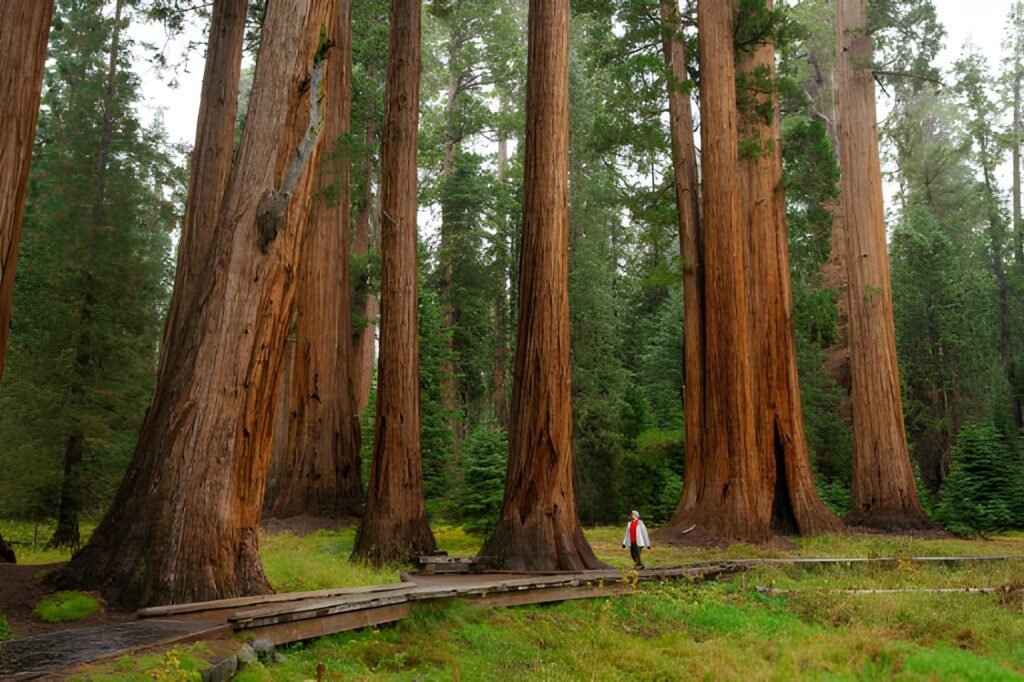
If you want easy nature: Mariposa Grove of Giant Sequoias (southern park entrance, 1 hour from valley) hosts giant sequoia trees including Grizzly Giant (1,800+ years old). The grove requires 2-3 hours minimum including drive—only works if you’re departing via southern entrance toward LA.
Departure Timing:
Leaving Sunday afternoon means hitting return traffic—from SF, departing Yosemite by 1-2 PM gets you home 5-7 PM. Leaving later extends arrival to 8-10 PM. From LA, afternoon departures mean evening arrivals (7-9 PM).
Consider: Stay Sunday night in gateway town (Mariposa, Oakhurst), depart Monday morning. This transforms stressful Sunday return into relaxed Monday departure with bonus stop at Mariposa Grove or other sites you missed.
Peak Season Weekend Budget Breakdown (2 People):
- Lodging (2 nights): $300-800 (Curry Village to The Ahwahnee)
- Meals: $150-350 (mix of dining out and picnics)
- Gas: $60-100 (from SF or LA round-trip)
- Park entrance: $35 (7-day pass)
- Reservations: $4 (if needed, 2 days)
- Activities: $50-100 (bike rentals, misc)
- Total: $599-1,389
Off-Peak Weekend Itinerary (April-May, September-October)
Why Off-Peak Rocks:
No reservations required (before May 24 or after September 1), smaller crowds, often better weather (spring waterfalls peak, fall brings colors), and lower accommodation costs (except fall foliage weekends). The trade-off? Tioga Road (Highway 120 through high country) typically closes November-May for snow, limiting access to Tuolumne Meadows.
Spring (April-May) Weekend Highlights:
Waterfalls explode with snowmelt—Yosemite Falls, Vernal Fall, Nevada Fall, and dozens of unnamed cascades create thundering displays impossible to see mid-summer when many dry up. Dogwood blooms in valley (peak late April-early May) add white flowers to the scenery.
Friday: Arrive anytime (no reservation stress), settle in, evening valley floor walk
Saturday: Full hiking day—Mist Trail to Vernal Fall even more dramatic with maximum flow. Afternoon exploring valley meadows filled with wildflowers. Evening at Glacier Point for sunset and star gazing.
Sunday: Valley View sunrise, Bridalveil Fall (stunning in spring), browse Yosemite Museum, drive Wawona Road to Mariposa Grove if time permits.
Fall (September-October) Weekend Highlights:
Deciduous trees (black oak, dogwood) turn gold and red against granite and evergreens. Waterfalls run lower but weather often perfects hiking—warm days, cool nights, clear blue skies.
Friday: Afternoon arrival, valley orientation walk, dinner at The Ahwahnee
Saturday: Half Dome summit if you have permits (lottery system, apply months ahead), or alternative full-day hike like Clouds Rest or North Dome. Evening swim at Sentinel Beach (water is warmest September).
Sunday: Sunrise Tunnel View, final valley floor exploration, depart by noon.
Winter Weekend (December-March):
Different beast entirely. Snow transforms Yosemite into white wonderland. Tioga Road closed. Valley accessible year-round but requires chains or 4WD when snowing.
Activities: Snowshoeing, cross-country skiing, ice skating at Curry Village, ranger-led snowshoe walks, Badger Pass downhill skiing (1 hour from valley, small local ski area)
Advantages: Solitude, snowy waterfalls creating ice sculptures, cozy lodges, no reservation requirements, dramatic storm watching
Challenges: Cold (25-45°F days, teens-20s nights), chains required when snowing, some facilities closed, short daylight hours (December sunset 5 PM)
Budget Weekend Option: Day Trip + Car Camping
For couples on tighter budgets or who couldn’t secure lodging:
Friday: Leave Bay Area/LA Friday evening, car camp outside park (Stanislaus National Forest west side, Bureau of Land Management land east side—free dispersed camping legal). Arrive late, sleep in car or tent.
Saturday: Enter park very early (before 6 AM, no reservation required even peak season). Full day valley exploration and hiking. Exit park, drive to same camping spot or gateway town budget motel ($80-120).
Sunday: Final morning in park if desired, or drive home early.
Budget:
- Gas: $60-100
- Park entrance: $35
- Camping: $0 (dispersed) or $20-30 (developed campground outside park)
- Meals: $100-150 (bring most food, eat one meal out)
- Total: $200-400
This requires more roughing it but delivers authentic Yosemite for those willing to sacrifice comfort.
Where to Stay: Complete Options Guide
In-Park Lodging (Book 366 Days Ahead When Reservations Open):
Yosemite Valley Lodge: $250-400/night. Modern rooms, central valley location, family restaurant, shuttle access, standard hotel comfort. Book exactly 366 days ahead at 7 AM PDT—popular dates sell out in minutes.
Curry Village: $150-350/night depending on accommodation type. Canvas tent cabins ($150-200, shared bathrooms, rustic experience) to standard rooms ($250-350, private bathrooms, heat). Budget-friendly by Yosemite standards.
The Ahwahnee: $600-900/night. Historic 1927 luxury hotel, magnificent Great Lounge, fine dining, Yosemite icon. Splurge for special occasions. Books 366 days ahead, sells out immediately for popular dates.
Housekeeping Camp: $120-180/night for canvas tent structures with beds, concrete walls, no bathrooms (shared facilities). Most rustic option besides camping.
Campgrounds (Book 6 Months Ahead, Very Competitive):
Valley campgrounds (Upper Pines, Lower Pines, North Pines): $26/night, reservations open 5 months ahead at 7 AM PDT on the 15th of the month. Example: December 15 at 7 AM for May 15-31 bookings. Sites sell out in seconds for summer weekends.
First-come-first-served campgrounds (Camp 4): $10/night, arrive very early (6-7 AM) to claim sites, no reservations. Climbers congregate here—community atmosphere but zero privacy.
Gateway Towns (Book 2-4 Weeks Ahead, Better Availability):
Mariposa (45 min west via Highway 140): Best gateway town option. Charming downtown, multiple hotels $120-280/night, restaurants, grocery stores. Mariposa Lodge ($150-220), Best Western Plus ($180-280).
Oakhurst (1 hour south via Highway 41): Larger town with chain hotels, Starbucks, Target—suburban amenities. Best Western Plus ($160-240), Comfort Inn ($140-200).
Groveland (1 hour west via Highway 120): Tiny Gold Rush town with character. Hotel Charlotte ($140-220) historic bed-and-breakfast, Rush Creek Lodge ($280-450) upscale resort with pools and dining.
El Portal (30 min west via Highway 140): Closest gateway, limited options. Yosemite View Lodge ($200-350) right on Merced River with pools.
Where I Actually Book: Mariposa for budget/mid-range, in-park if I score reservations 366 days out (rare), or Groveland for charming small-town atmosphere with good restaurants.
Essential Practical Details for Yosemite Weekends
What to Pack (Critical List):
Clothing: Layers define Yosemite packing. Mornings start 45-55°F even mid-summer, afternoons warm to 75-90°F, evenings cool again. Pack: lightweight jacket or fleece, moisture-wicking t-shirts (2-3), one long-sleeve shirt, hiking pants (convertible shorts-to-pants perfect), one pair shorts, warm socks, underwear, swimsuit (Merced River swimming), baseball cap or sun hat.
Footwear: Broken-in hiking boots or trail shoes (NOT brand new—blisters ruin trips), sandals for camp/evening.
Gear: Daypack (20-30 liter), reusable water bottles (2 liters capacity per person), sunscreen SPF 30+, sunglasses, headlamp or flashlight, basic first aid kit, phone charger + car adapter, camera + extra battery.
Food: Protein bars, trail mix, jerky, fresh fruit, sandwich supplies. Park stores sell these but at inflated prices.
Don’t Bother: Formal clothes (everything’s casual), multiple pairs of shoes, heavy camera gear (phone cameras work great).
Cell Service Reality:
Essentially nonexistent in Yosemite Valley and most of park. AT&T gets weak signal near Curry Village sometimes. Verizon slightly better but unreliable. Download offline maps before arriving. Tell family you’ll be unreachable—that’s part of the appeal.
Gas Stations:
Last gas before entering via Highway 140 (west): Mariposa (45 min from valley). Via Highway 41 (south): Oakhurst (1 hour). Via Highway 120 (west): Groveland (1 hour). Gas inside park exists (Crane Flat, Wawona) but costs $7-8/gallon—fill up in gateway towns.
Food Strategy:
Park dining is limited and expensive. The Ahwahnee requires reservations weeks ahead. Valley Lodge Food Court and Curry Village serve decent casual food ($12-25 per person) with zero ambiance. Most visitors pack coolers with breakfast supplies, lunch makings, and snacks, eating one dinner out.
Best Hikes by Available Time:
1-2 hours: Lower Yosemite Fall (1 mile loop, flat), Bridalveil Fall (0.5 mile, easy), Mirror Lake (2 miles, flat)
2-4 hours: Valley Loop (7-12 miles, flat biking/walking), Vernal Fall Bridge (2 miles, moderate)
4-6 hours: Mist Trail to Vernal Fall top (5.4 miles, strenuous), Nevada Fall (7 miles, very strenuous)
6-8 hours: Half Dome (14-16 miles, extremely strenuous, permit required), Clouds Rest (14 miles, very strenuous)
Photography Timing:
Sunrise: Tunnel View (valley views), Valley View, Glacier Point (arrive 30 min early) Golden Hour: El Capitan Meadow, Cathedral Beach, Sentinel Bridge (Half Dome reflection) Sunset: Glacier Point (best overall), El Capitan Meadow, Valley View Night: Anywhere away from lights for Milky Way—Sentinel Beach, Valley View
Common Mistakes to Avoid:
Underestimating altitude: Yosemite Valley sits at 4,000 feet elevation. Glacier Point at 7,200 feet. You’ll tire faster and breathe harder than sea level. Drink water constantly.
Overscheduling: Trying to see everything in 48 hours creates stress. Choose 1-2 major hikes plus valley floor exploration. Leave things for next visit.
Not reserving dining: The Ahwahnee Dining Room requires advance reservations. Showing up hoping for tables means disappointment.
Poor footwear: New hiking boots guarantee blisters. Wear broken-in shoes or suffer.
Forgetting layers: That 85°F afternoon becomes 50°F evening. Bring jackets even in July.
Not bringing enough water: Minimum 2 liters per person for full-day hikes. More in hot weather.
Frequently Asked Questions
Do I need permits or reservations for a Yosemite weekend trip?
It depends on when you’re visiting. May 24-September 1, 2025, requires advance reservations ($2) booked through Recreation.gov, plus $35 park entrance fee. However, you’re exempt from reservations if entering before 6 AM or after 2 PM any day, if you have overnight lodging/camping already booked, if you arrive via YARTS bus, or if you have wilderness backpacking permits. Outside May 24-September 1? No reservations required at all—just drive in and pay $35 entrance fee. For Half Dome summit hikes, you need separate permits ($10) via lottery system applying months in advance.
Can you really see Yosemite in 2 days or do you need more time?
You can absolutely experience Yosemite meaningfully in a 2-3 day weekend. A full weekend allows one major hike (Mist Trail to Vernal Fall or similar), Glacier Point visit, valley floor exploration by bike or foot, and sunset/sunrise at iconic viewpoints. You won’t see everything—Yosemite deserves weeks of exploration—but you’ll experience the valley’s highlights and leave satisfied rather than exhausted from overscheduling. The key is accepting you’re getting a taste, not a comprehensive tour, and prioritizing quality over quantity.
What’s the best time of year for a Yosemite weekend trip?
May and September-early October rank best overall. May brings peak waterfall flow from snowmelt (Yosemite Falls thunders dramatically), spring wildflowers, comfortable temperatures, and timing just before summer crowds. September-October delivers fall colors, warm days with cool nights, generally clear weather, smaller crowds, and no reservation requirements (after September 1). June-August brings crowds, heat, required reservations, and ironically, lower waterfalls as snow finishes melting. April and November offer shoulder-season advantages but carry weather risks. Winter (December-March) transforms Yosemite beautifully but requires snow preparedness.
Where should I stay if all Yosemite lodging is sold out?
Gateway towns provide reliable backup options when in-park lodging sells out (which is always). Mariposa (45 minutes west via Highway 140) offers the best gateway town experience—charming downtown, multiple hotels $120-280/night, restaurants, and easy park access. Oakhurst (1 hour south) provides more options including chain hotels and suburban amenities. Groveland (1 hour west via Highway 120) delivers Gold Rush-era character with good dining. El Portal (30 minutes west) sits closest but has limited options. Staying in gateway towns means 1-2 hour round-trip drives daily but provides better last-minute availability and often lower costs than in-park lodging.
How much does a Yosemite weekend trip cost for two people?
Budget $400-1,500 total for two people covering accommodations (2 nights), all meals, gas from Bay Area or LA, park entrance, and activities. Budget tier ($400-600) means car camping or gateway town budget lodging ($80-140/night), packing most meals, and free hiking/exploring. Mid-range ($600-1,000) allows Curry Village or gateway town hotels ($150-280/night), mix of restaurant meals and picnics, and bike rentals. Luxury ($1,000-1,500+) covers Yosemite Valley Lodge or The Ahwahnee ($250-900/night), dining out for most meals, and potential guided tours. Solo travelers pay roughly 60-70% of the two-person budget.
Is Yosemite crowded on weekends?
Summer weekends (June-August) see heavy crowds—parking lots fill by 10 AM, shuttle buses pack with standing room only, and popular trails become congested. Weekends require arriving very early (before 8 AM) to claim parking and avoid crowds on trails. Shoulder season weekends (April-May, September-October) stay busy but manageable. Winter weekends bring smallest crowds and easiest parking. Pro strategies for summer: visit midweek if possible, start hikes by 7-8 AM before crowds arrive, explore less popular areas (north side of valley vs. south), and accept that summer weekend crowds are simply reality.
What should I do if I can’t get a reservation for peak season?
Multiple workarounds exist: (1) Book gateway town lodging and enter park before 6 AM or after 2 PM when reservations aren’t required. (2) Take YARTS bus from gateway towns—passengers don’t need entry reservations. (3) Try 7-day advance reservation release system (reservations for June 15 release June 8 at 8 AM). (4) Adjust dates to visit before May 24 or after September 1 when no reservations are ever required. (5) Join a commercial tour—tour companies secure entry for participants. Most flexibility comes from staying outside the park and timing your entry for early morning (before 6 AM) or late afternoon (after 2 PM).
Final Thoughts: Making Your Yosemite Weekend Unforgettable
After fourteen Yosemite trips trying different seasons, itineraries, and accommodation strategies, I’ve concluded that the “perfect” Yosemite weekend depends less on elaborate planning and more on matching expectations to reality. A stressful weekend chasing Instagram photos while worried about logistics beats a relaxed weekend embracing whatever the park offers.
Accept that reservation systems frustrate everyone—you’re not alone in finding them confusing and competitive. Have backup plans when (not if) your first choice doesn’t work out. Gateway town lodging often provides better value and less stress than securing in-park accommodations.
Prioritize quality over quantity. One meaningful hike beats rushed visits to six viewpoints. Watching sunrise at Glacier Point provides more memorable experiences than checking every famous location off your list. Sitting beside the Merced River with your partner, no agenda, just being present in this remarkable landscape—that’s worth more than any photo opportunity.
The reservation requirements, sold-out lodging, and weekend crowds present genuine challenges, but millions of people successfully visit Yosemite every year for good reason. The granite monoliths, thundering waterfalls, giant sequoias, and that specific quality of light filtering through valley—nothing else quite compares.
Start planning your Yosemite weekend by first checking if your dates require reservations. If they do, set alarms for 7:55 AM on the release date and compete for your spot. If you strike out, use the workarounds in this guide rather than abandoning your plans. Book gateway town accommodations if in-park sells out. Then focus on the experience rather than the logistics.
Your Yosemite adventure awaits—imperfect reservations system and all. The park delivers magic regardless of whether you’re sleeping in The Ahwahnee or car camping outside the entrance. What matters is getting there, slowing down, and letting Yosemite remind you why nature still matters in our overcrowded, overscheduled world.
